



The Allegations Surface
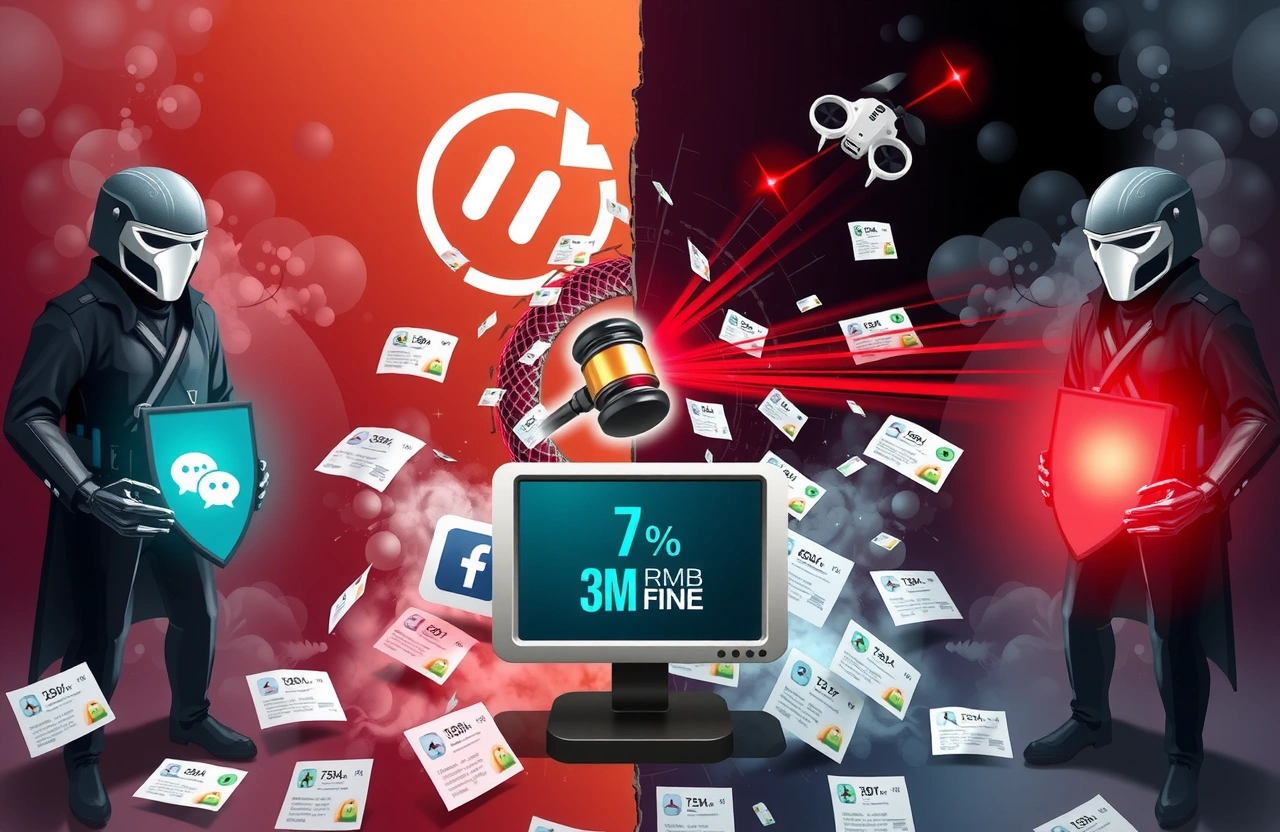
Chinese electric vehicle manufacturer NIO faces explosive accusations of orchestrating a coordinated campaign to discredit competitor Li Auto’s newly launched L8 model. Rumors circulated online claiming NIO’s sub-brand Ledao Auto participated in paid “black PR” tactics, including hiring internet trolls to amplify negative narratives. The controversy escalated when accounts like “Awen Jianji” shared doctored evidence screenshots allegedly showing cryptocurrency transactions for smear operations.
Anatomy of a Smear Campaign
Water armies—paid commenters manipulating online discourse—remain prevalent in China’s hyper-competitive EV sector. Historical precedents include:
- 2021 BYD-Xpeng legal battles over fake product defect claims
- Industry estimates suggest $20M spent annually on automotive social media manipulation
- Common tactics involve fabricated defect reports and viral hashtag hijacking
NIO’s Forceful Rebuttal
In an official statement, NIO dismissed all allegations as “malicious fabrications” devoid of evidentiary support. The company clarified circulated “evidence” utilized AI-generation tools to forge financial transactions and internal documents, stressing zero employee involvement in unethical competitive practices.
Legal Escalation Measures
NIO has initiated formal police investigations through its legal department, filing reports against specific accounts for spreading false information. Automotive legal experts indicate such cases could invoke China’s Anti-Unfair Competition Law, carrying potential fines up to 3M RMB ($413K) for organized defamation campaigns.
Industry Impact Analysis
With NIO and Li Auto among China’s top 5 EV manufacturers, this controversy touches deeper competitive tensions. Research from Bernstein shows:
- EV sector social media engagement surged 300% since 2022
- Over 75% of consumers consider online reviews purchase-deciding factors
- Industry-wide trust index dropped 15 points following recent propaganda scandals
Ripple Effects on Brand Perception
Customer sentiment tracking reveals stark contrasts:
- NIO’s social sentiment score fell 22% post-rumors according to Meltwater analytics
- Li Auto L8 inquiries rose 17% amidst heightened media attention
- Investor briefings cite potential 5% Q3 revenue risk for implicated brands
Beyond the Headlines
The accusations spotlight systemic regulatory gaps in combating digital disinformation. While China’s Cyberspace Administration cracked down on 46K illegal accounts last quarter, enforcement mechanisms remain outpaced by AI-generated fake content proliferation. Technology analysts advocate blockchain verification protocols similar to Tesla’s claims-validation system.
Acknowledgments and Forward Path
Transparent communication proves paramount when navigating credibility crises. NIO’s swift legal mobilization sets precedent, yet sustainable resolution requires:
- Industry collaboration on ethical marketing guidelines through associations like CAAM
- Platform-level AI-detection partnerships with Tencent-WeChat security teams
- Consumer education initiatives distinguishing authentic user feedback
As investigations progress, vigilant verification remains crucial before amplifying unsubstantiated claims. Manufacturers must balance fierce innovation races with uncompromising integrity – where credibility becomes the ultimate differentiator. Monitoring official announcements through channels like China EV Association will provide authoritative updates on this evolving situation.