



Executive Summary
Here are the key takeaways from the revenue concealment scandal involving 绝味食品 (Juewei Food):
- 绝味食品 (Juewei Food), known as China’s ‘Duck King,’ has been penalized with a 4 million yuan fine and ST status for concealing approximately 7.23 billion yuan in revenue over five years.
- The revenue concealment involved omitting加盟店 (franchise store)装修收入 (decoration income), raising questions about internal controls and potential personal gain by executives.
- Business performance has sharply declined, with revenue dropping 13.8% in 2024 and净利润 (net profit) falling 35.7%, amid growing consumer complaints over pricing and food safety.
- Investors face uncertainty as the ST status could hinder融资 (financing), while competitors like 煌上煌 (Huangshanghuang) and 周黑鸭 (Zhouheiya) are gaining ground.
- This case highlights broader issues in China’s equity markets, including regulatory scrutiny on信息披露 (information disclosure) and the risks of加盟 (franchise)-driven expansion models.
Unveiling the ST Shockwave
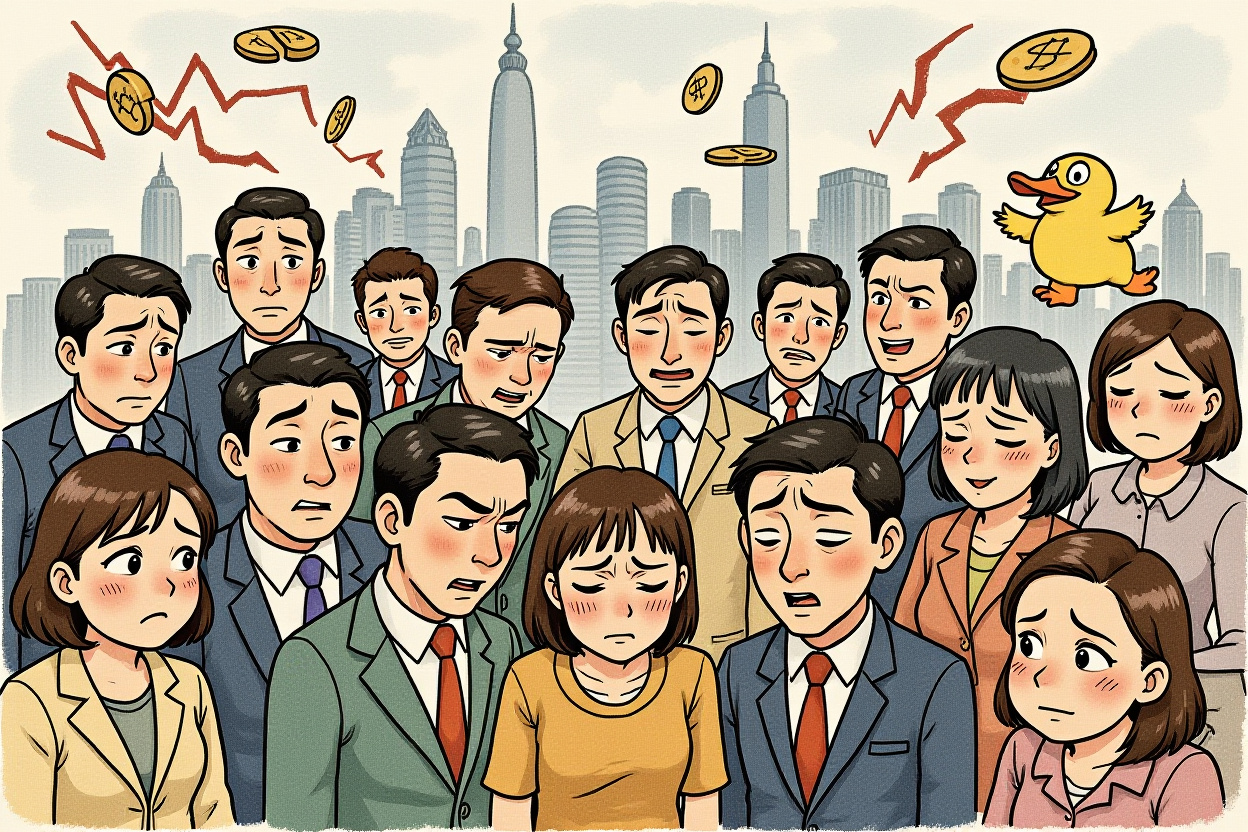
The Chinese equity markets were rattled when 湖南监管局 (Hunan Regulatory Bureau) issued a行政处罚事先告知书 (Administrative Penalty Prior Notice) to 绝味食品 (Juewei Food), imposing a 4 million yuan fine and ST status for revenue concealment. This move signals intensified regulatory oversight, as the company, once hailed as the ‘China Duck King’ for dominating the卤味 (braised food) sector, now grapples with a tarnished reputation. The revenue concealment scandal has immediate implications, with stock prices plunging and investor confidence shaken.
Penalty Details and Immediate Fallout
According to the告知书 (notice), 绝味食品 (Juewei Food) failed to account for加盟店装修收入 (franchise store decoration income) from 2017 to 2021, totaling about 7.23 billion yuan. This revenue concealment amounted to 5.48% to 1.64% of annual revenue during those years, distorting financial reports. Key executives, including董事长 (Chairman) 戴文军 (Dai Wenjun) and时任财务总监 (former CFO) 彭才刚 (Peng Caigang), faced additional fines totaling 4.5 million yuan. The ST designation—meaning ‘其他风险警示’ (other risk warning)—triggers concerns about融资 (financing) obstacles and brand damage, as seen in past A-share cases where ST-led declines ended in delisting.
Market Reaction and Investor Sentiment
Following the announcement, 绝味食品 (Juewei Food) shares were halted for one day on September 22, then连续跌停 (suffered consecutive limit-downs) on September 23 and 24, closing at 13.77 yuan per share—an 80% drop from its peak. This revenue concealment issue has sparked debates on investor forums, with some viewing it as a ‘黄金坑’ (golden pit) for buying low, while others fear prolonged volatility. The scandal underscores the perils of inadequate信息披露 (information disclosure) in China’s markets, where regulatory actions can swiftly alter valuations.
Decoding the Revenue Concealment Motives
The revenue concealment at 绝味食品 (Juewei Food) is unusual because it involved ‘虚减收入’ (underreporting revenue) instead of the common ‘虚增收入’ (overreporting). This reverse approach has led to speculation about underlying motives, from personal enrichment to strategic manipulation of key metrics. The revenue concealment centered on加盟店装修业务 (franchise store decoration business), which was handled outside formal accounting channels, suggesting deliberate oversight rather than oversight.
Personal Gain Hypotheses
One theory posits that the revenue concealment allowed funds to flow into personal accounts, as evidenced by past incidents. In 2023, regulators flagged that 绝味食品 (Juewei Food) used员工个人账户 (employee personal accounts) to collect over 21 million yuan in门店营业款 (store operating fees) and加盟费 (franchise fees). The recent investigation revealed that 彭才刚 (Peng Caigang) even arranged for财务部员工 (finance department employees) to lend personal accounts for装修业务 (decoration business) transactions. This pattern indicates高层知晓 (top-level awareness) and possible involvement, turning the revenue concealment into a potential governance failure.
Beautifying Franchise profitability
Another motive for the revenue concealment could be to enhance the appeal of加盟 (franchise) opportunities. By underreporting装修收入 (decoration income), 绝味食品 (Juewei Food) might have artificially inflated加盟店 (franchise store) profitability metrics, such as毛利率 (gross margin) and周转率 (turnover ratio). This could attract more加盟商 (franchisees) during rapid expansion—store count doubled to over 16,000 by 2023—by making returns seem higher. Experts note that such revenue concealment can mislead investors on成长性 (growth potential), as lower reported profits mask true expansion costs.
Business Impact and Financial Turmoil
The revenue concealment scandal exacerbates existing weaknesses in 绝味食品 (Juewei Food)’s operations. After hitting a revenue peak of 72.6 billion yuan in 2023, performance has deteriorated, with 2024 revenue falling 13.8% to 62.6 billion yuan and net profit dropping 35.7%. The first half of 2025 saw further declines: revenue down 15.6% and net profit halved by 42%. This downturn reflects deeper issues, including consumer dissatisfaction and intense competition, magnified by the revenue concealation fallout.
Performance Metrics and加盟 Model Strain
绝味食品 (Juewei Food)’s core卤制食品 (braised food) business, contributing 84.88% of revenue, saw a 16.7% drop in H1 2025, with鲜货类产品 (fresh products) down 19.15%. The加盟店批发业务 (franchise wholesale business), once driving over 70% of income, declined 15% in 2024, and the company stopped disclosing separate figures for it in 2025. Store numbers have shrunk by nearly a third from their peak to about 10,700, indicating加盟 (franchise) model fatigue. This revenue concealation scandal has accelerated the decline, as trust erodes among partners and consumers.
Consumer Backlash and Food Safety Concerns
Beyond financials, consumer trust is waning due to high prices and safety issues. On platforms like抖音 (Douyin), hashtags like #绝味鸭脖贵# (Juewei Duck Neck Expensive) have garnered over 80,000 views, with complaints about items like鸭脖 (duck neck) costing 48 yuan per斤 (jin). More critically, food safety scandals—such as reports of员工徒手操作食品 (employees handling food barehanded) and化工原料 (industrial chemicals) in production areas—have led to recalls in Hong Kong and Canada. Over 1,573 complaints on黑猫投诉 (Hei Mao Tousu) cite issues like ‘吃出蟑螂’ (finding cockroaches) or ‘变质发臭’ (spoilage), undermining brand loyalty amid the revenue concealment crisis.
Regulatory and Industry Implications
This revenue concealment case highlights broader regulatory trends in China’s capital markets. Authorities like湖南监管局 (Hunan Regulatory Bureau) are tightening scrutiny on信息披露 (information disclosure), especially for consumer-focused firms with complex franchise models. The ST status serves as a warning to other companies, emphasizing the need for transparency in financial reporting. For investors, the revenue concealation at 绝味食品 (Juewei Food) underscores risks in high-growth sectors where expansion may mask underlying flaws.
Lessons for Market Participants
Investors should note that revenue concealment can distort key indicators like盈利能力 (profitability) and成长性 (growth), making due diligence crucial. The case also shows how加盟 (franchise)-heavy models require careful audit of off-book transactions. Regulatory filings, such as those from中国人民银行 (People’s Bank of China) on corporate governance, can offer guidance. For instance, recent updates to《证券法》 (Securities Law) stress stricter penalties for disclosure violations, which could affect similar cases.
Competitive Landscape Shifts
While 绝味食品 (Juewei Food) struggles, rivals are advancing: 煌上煌 (Huangshanghuang) posted a 27% net profit rise in H1 2025, and 周黑鸭 (Zhouheiya) surged 228%. This shift suggests that the卤味 (braised food) industry is evolving toward quality and affordability, away from the aggressive expansion that fueled 绝味食品 (Juewei Food)’s revenue concealment. Market data from sources like深圳证券交易所 (Shenzhen Stock Exchange) indicates that consumers prefer brands with stronger safety records, potentially reshaping investment strategies.
Path to Recovery or Further Decline?
绝味食品 (Juewei Food) faces a precarious future. The company has launched自救 (self-rescue) efforts, such as marketing tie-ins with films like《哪吒2》 (Nezha 2) and partnerships with雪碧 (Sprite), spending 92.31 million yuan on advertising in H1 2025. However, these have yet to reverse declines. The ST status can be removed after 12 months if conditions like财务追溯重述 (financial restatement) are met, but recovery hinges on addressing core issues like product quality and pricing.
自救 Efforts and Consumer Outreach
Initiatives like offering free藕片 (lotus root slices) during promotions aim to regain traction, but with advertising costs up 18.2% and no revenue boost, efficacy is doubtful. The revenue concealation scandal has compounded these challenges, as rebuilding trust requires more than cosmetic fixes. Companies in similar straits, like some highlighted in上海证券交易所 (Shanghai Stock Exchange) reports, have succeeded by overhauling governance and engaging transparently with stakeholders.
Investment Outlook and Forward Guidance
For investors, the key question is whether 绝味食品 (Juewei Food) can leverage its market position for a turnaround. Analysts suggest monitoring indicators like同店销售 (same-store sales) and加盟商满意度 (franchisee satisfaction). If the revenue concealation issues are resolved, valuation repair might occur, but given the competitive pressure, caution is advised. Long-term, the case reminds market participants to prioritize fundamentals over short-term growth narratives in Chinese equities.
Synthesizing the Scandal’s Impact
The revenue concealation scandal at 绝味食品 (Juewei Food) serves as a stark lesson on the importance of financial integrity in China’s dynamic equity markets. While ST status offers a potential path to redemption, the company must confront deeper problems of consumer trust and operational efficiency. Investors should weigh these factors carefully, using tools like regulatory databases for enhanced due diligence. As the卤味 (braised food) sector evolves, staying informed on such developments is crucial for navigating risks and opportunities. For ongoing insights, subscribe to our updates on Chinese market trends.