



Executive Summary
– Mini-loans from platforms like 分期乐 (Fenqile) attract young Chinese borrowers with low initial payments but ensnare them in debt spirals, with effective annual percentage rates (APRs) often逼近 (approaching) 36%, far above regulatory caps.– Regulatory guidelines from 中国人民银行 (People’s Bank of China) and 国家金融监管总局 (National Financial Regulatory Administration) aim to cap comprehensive financing costs at 24%, but lenders circumvent these through hidden fees like 担保费 (guarantee fees) and 会员费 (membership fees), leading to over 160,000 consumer complaints on platforms like 黑猫投诉 (Hei Mao Complaint Platform).– Fenqile’s parent company, 乐信集团 (Lexin Group), has roots in controversial 校园贷 (campus lending), and despite rebranding, reports persist of targeting students and using aggressive 催收 (debt collection) tactics, raising ethical and compliance concerns.– The proliferation of mini-loans poses systemic risks to China’s consumer finance market, necessitating closer scrutiny from institutional investors and stricter enforcement from regulators to protect vulnerable borrowers and ensure market stability.– Data privacy issues compound the problem, as platforms collect and share sensitive personal information without clear consent, highlighting broader challenges in China’s fintech regulatory framework.
The Allure and Peril of Mini-Loans in Modern China
As Lunar New Year approaches, many young Chinese face pressure to fund celebrations, from 红包 (red envelopes) for family to travel expenses. In response, financial technology platforms like 分期乐 (Fenqile) have rolled out enticing offers, such as loan limits soaring to 50,000 yuan, advertised with slogans like “年利率低至8% (annual interest rate as low as 8%)”. However, beneath this facade of accessibility lies a darker truth: these so-called mini-loans are draining the financial health of a generation. A recent viral case on 微博 (Weibo) highlighted how a borrower, Ms. Chen, took out 13,674 yuan in loans only to owe 26,859 yuan after years of accruing interest, showcasing how mini-loans can transform manageable debt into crippling burdens. This phenomenon is not isolated; it reflects systemic issues in China’s rapidly evolving fintech landscape, where regulatory oversight struggles to keep pace with innovative, yet often predatory, lending practices. For global investors and market participants, understanding the mechanics and risks of these mini-loans is essential to navigating China’s equity markets, where companies like Lexin face increasing scrutiny.
Case Study: From Borrowing 13,000 to Repaying 26,000
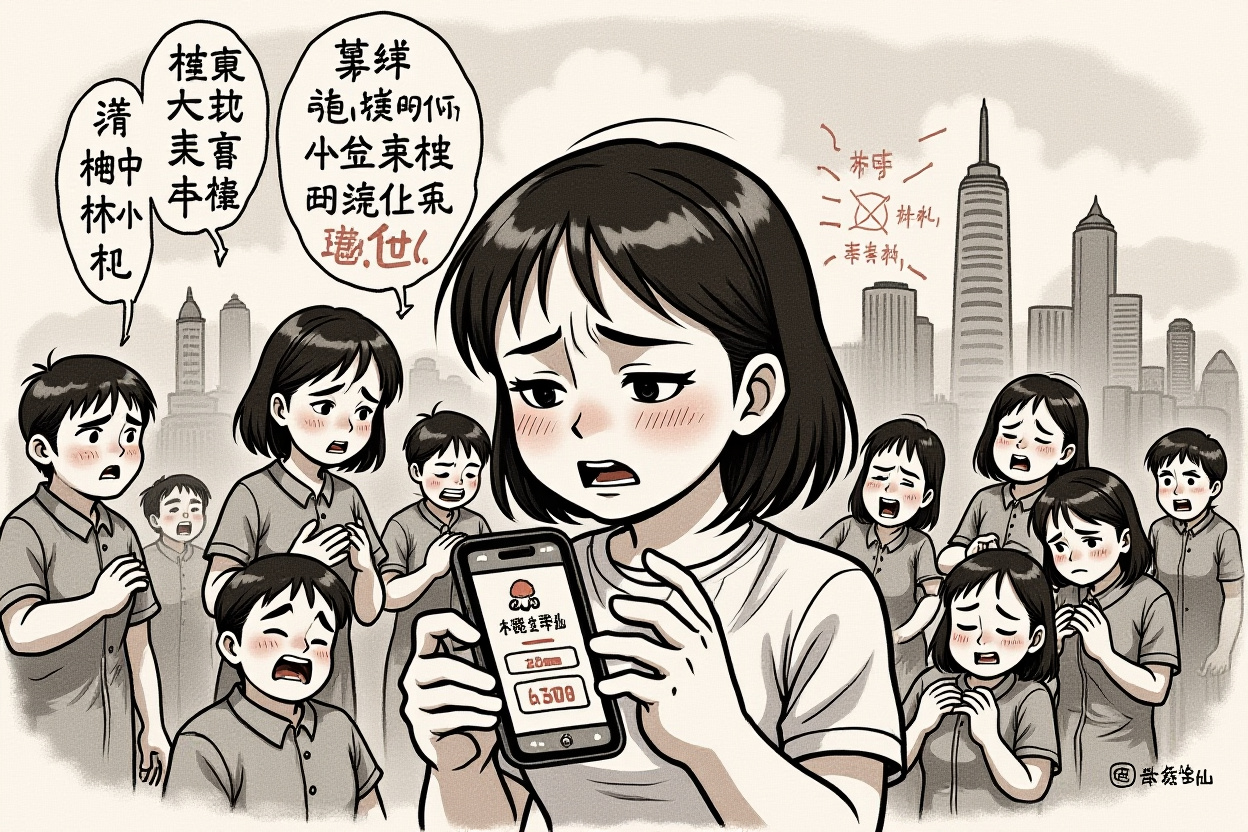
The story of Ms. Chen, a university student who fell into the mini-loan trap, epitomizes the dangers. Between 2020 and 2021, she borrowed five times from Fenqile, totaling 13,674 yuan, for expenses as small as 400 yuan spread over 36 installments. The loans carried APRs ranging from 32.08% to 35.90%, with promoters emphasizing “月供最低仅18.23元 (monthly payments as low as 18.23 yuan)” to lure her in. By 2022, she defaulted, and over 1,000 days of 逾期 (delinquency) later, her debt had ballooned to nearly double the principal. Aggressive 催收 (debt collection) tactics exacerbated her situation, with collectors contacting her family and friends, leading to depression and social ostracism. This case underscores how mini-loans, marketed as convenient solutions, can escalate into financial and psychological crises, raising alarms about consumer protection in China’s digital lending sphere.
The Marketing Mirage: Low Rates, High Hidden Costs
Fenqile’s platform presents a user-friendly interface, promising “最高可借20万元 (up to 200,000 yuan to borrow)” and “1万元借1天2.2元起 (borrowing 10,000 yuan for one day costs as little as 2.2 yuan)”. Yet, these attractive numbers mask a complex fee structure. Borrowers often encounter additional charges like 信用评估费 (credit assessment fees) and 担保费 (guarantee fees), which are buried in lengthy electronic agreements. For instance, a borrower from Sichuan reported an unexpected 1,102.14 yuan guarantee fee on a loan, highlighting the lack of transparency. Such practices inflate the true cost of borrowing, pushing effective APRs to the legal上限 (上限) of 36%, as noted in numerous complaints. This discrepancy between advertised and actual costs is a hallmark of mini-loans, eroding trust and complicating regulatory efforts to rein in predatory lending.
Opaque Fee Structures and the Debt Snowball Effect
One of the core issues with mini-loans is the non-transparent pricing that leads to a 债务滚雪球 (debt snowball effect). Borrowers, enticed by low monthly payments, often overlook the long-term implications of extended loan terms and compounded interest. For example, Fenqile’s model of offering 36-month installments for small amounts like 400 yuan may seem manageable, but over time, the interest accumulation can result in repayments exceeding the principal. This is exacerbated by fees that are not clearly disclosed at the point of sale, violating principles of fair lending. The 中国消费者协会 (China Consumers Association) has documented cases where borrowers paid thousands of yuan more than contractually agreed, due to these hidden costs. As debt mounts, borrowers like Ms. Chen find themselves trapped in a cycle of refinancing or default, which can have ripple effects on credit scores and financial stability.
Consumer Backlash: 160,000 Complaints and Counting
The scale of discontent is evident on platforms like 黑猫投诉 (Hei Mao Complaint Platform), where搜索 (searching) for “分期乐” yields over 160,000 complaints. Users consistently allege that Fenqile imposes unauthorized fees, such as 会员费 (membership fees) and 担保费 (guarantee fees), which elevate the comprehensive borrowing cost to near 36%. In one投诉 (complaint) from February 12, a user stated, “分期乐拒绝提供实际放款方名称 (Fenqile refused to provide the actual lender’s name),” hindering efforts to seek recourse through regulatory channels. Another from January 20 detailed how 信用评估费用 (credit assessment fees) were used to disguise excess interest. These complaints not only highlight individual grievances but also point to systemic flaws in Fenqile’s operations, suggesting that mini-loans may be prioritizing profit over consumer welfare. For investors, this reputational risk could translate into volatility for companies like Lexin, traded on Nasdaq under the ticker LX.
Regulatory Guidelines and Their Limitations
In December 2025, 中国人民银行 (People’s Bank of China) and 国家金融监管总局 (National Financial Regulatory Administration) jointly issued the 小额贷款公司综合融资成本管理工作指引 (Guidelines for the Management of Comprehensive Financing Costs of Microfinance Companies), which明确 (explicitly)禁止 (prohibits) new loans with comprehensive costs exceeding 24% APRs. The rules further mandate that by the end of 2027, all new loans should adhere to a cap of four times the 1年期LPR (one-year Loan Prime Rate). However, enforcement remains a challenge, as lenders like Fenqile exploit loopholes by labeling excess charges as fees rather than interest. This regulatory gap allows mini-loans to continue thriving, even as authorities pledge to 纳入征信动态管理 (incorporate dynamic credit management) for violations. The tension between innovation and oversight is palpable, and for market observers, monitoring compliance with these guidelines is crucial to assessing the sustainability of fintech business models in China.
The Lingering Shadow of Campus Lending and Ethical Concerns
Fenqile’s origins are steeped in the controversial 校园贷 (campus lending) era, which监管 (regulators) cracked down on in 2016 due to exploitative practices targeting students. Founded in 2013 by 肖文杰 (Xiao Wenjie), the platform initially grew by providing loans to university students for消费 (consumption) like smartphones. After regulatory scrutiny, 乐信集团 (Lexin Group) rebranded and went public on Nasdaq in 2017, aiming to shed its image as a campus lender. Yet, evidence suggests that mini-loans still reach student populations. On Hei Mao,搜索 (searches) for “分期乐 校园贷” yield 922 complaints, with users reporting that Fenqile promoters openly solicit on campuses, sometimes setting up booths to lure young borrowers. This persistence raises ethical questions about whether the platform has truly evolved or merely repackaged risky lending practices under a金融科技 (fintech) guise.
Aggressive Debt Collection and Privacy Intrusions
Beyond lending, Fenqile’s 催收 (debt collection) methods have drawn fierce criticism. Over 20,000 complaints describe tactics like 爆通讯录 (exploding contact lists), where collectors harass borrowers’ family, friends, and even employers to pressure repayment. In Ms. Chen’s case, this led to severe psychological distress, highlighting how mini-loans can inflict harm beyond financial loss. Additionally, privacy concerns loom large: Fenqile’s privacy policy allows the collection and sharing of sensitive data, including 身份证号码 (ID numbers), 银行卡信息 (bank card details), and 人脸信息 (facial recognition data), with third parties like 增信机构 (credit enhancement agencies) and 支付服务合作商 (payment service partners). This lack of transparency in data usage means that from the moment users click “同意 (agree),” they may forfeit control over their personal information, compounding the risks associated with mini-loans.
Market Implications for Investors and the Fintech Sector
For institutional investors and fund managers focused on Chinese equities, the mini-loan phenomenon presents both risks and opportunities. 乐信集团 (Lexin Group), as Fenqile’s parent, has seen growth driven by its lending volume, but regulatory headwinds and consumer backlash could impact its stock performance. The company’s reliance on mini-loans, with their high margins from fees and interest, makes it vulnerable to stricter enforcement of the 24% APR cap. Moreover, as 上海银行 (Bank of Shanghai) and other partners face scrutiny for their roles in funding these loans, systemic risks to China’s financial stability may emerge. Investors should monitor key indicators, such as complaint trends on Hei Mao, regulatory announcements from 国家金融监管总局 (NFRA), and shifts in Lexin’s loan portfolio quality. Understanding these dynamics is essential for making informed decisions in a market where fintech innovation often outpaces oversight.
Forward-Looking Strategies for Stakeholders
To mitigate risks, investors can advocate for greater transparency in fee structures and compliance reporting from companies like Lexin. Engaging with management on environmental, social, and governance (ESG) criteria, particularly around consumer protection and data privacy, could drive positive change. For regulators, enhancing 监管科技 (regulatory technology) to monitor real-time lending data and enforce caps on comprehensive costs is critical. Consumers, especially young borrowers, should be educated on the true costs of mini-loans through initiatives by organizations like 中国消费者协会 (China Consumers Association). By addressing these areas, China’s fintech sector can move towards a more sustainable model where mini-loans serve as tools for financial inclusion rather than traps for debt accumulation.
Navigating the Future of China’s Mini-Loan Landscape
The mini-loan sector, exemplified by platforms like Fenqile, stands at a crossroads. While these products offer quick credit access, cases like Ms. Chen’s reveal a pattern of opacity, high costs, and ethical lapses that threaten consumer trust and market integrity. Regulatory efforts, such as the 2025 guidelines, provide a framework for reform, but their success depends on robust enforcement and industry cooperation. For global investors, vigilance is key: assessing companies’ adherence to these rules can uncover potential winners and losers in China’s equity markets. As the Lunar New Year period often sees a spike in borrowing, now is the time for all stakeholders—consumers, regulators, and investors—to demand greater accountability. By shining a light on the hidden dangers of mini-loans, we can foster a financial ecosystem that supports growth without compromising the well-being of China’s youth. Take action by reviewing lending practices in your portfolios and supporting advocacy for clearer regulations in this dynamic space.