



Summary:
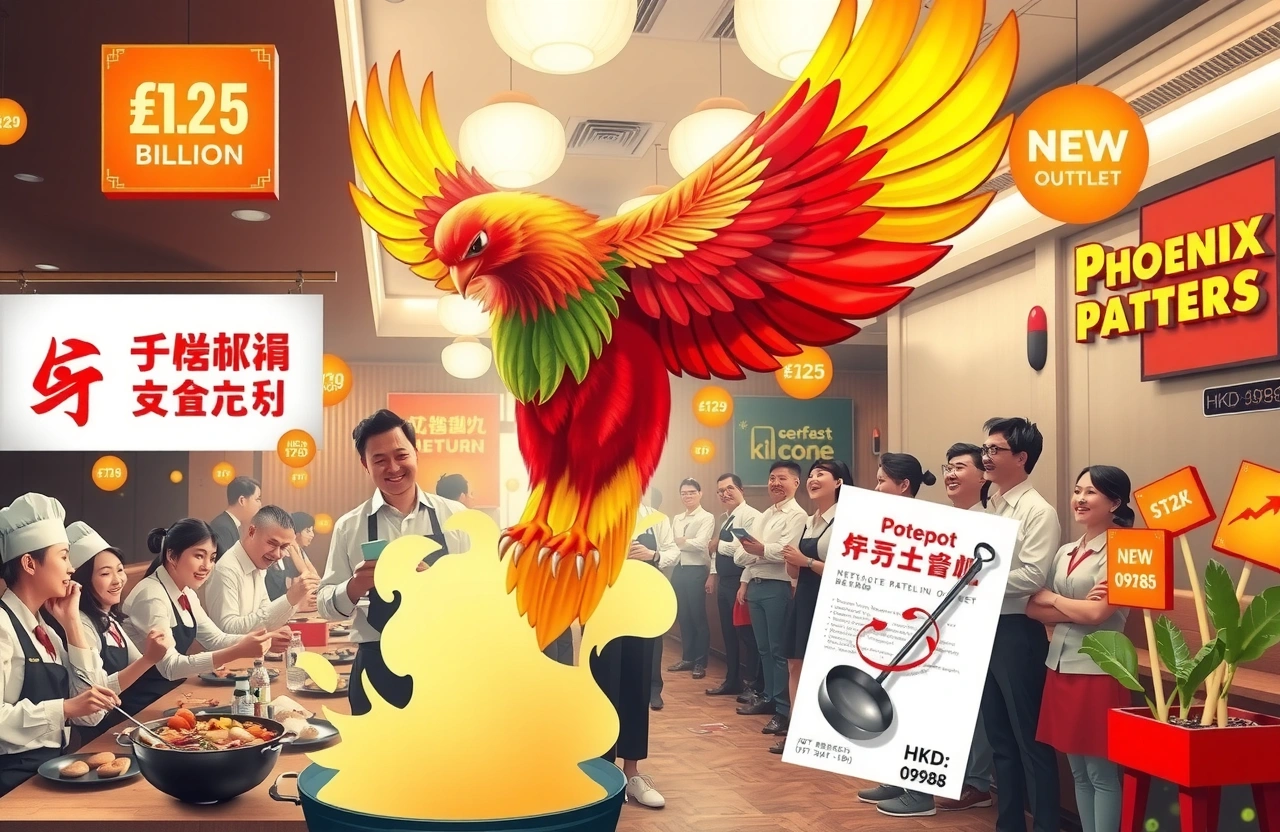
– Xiabuxiabu introduces “Phoenix Return” partnership initiative enabling internal employees to become store co-owners
– Employees invest alongside corporate leadership without worrying about startup capital or brand fees
– Program launches amid four-year losing streak totaling ¥1.25 billion in losses
– First phase includes 21 partners with goal to open 50-100 partner stores annually
– Companions aggressive expansion plan despite falling visitor frequency and sales
Xiabuxiabu, China’s pioneering hotpot chain known as “the first hotpot IPO,” is making radical moves to reverse its fortunes. After suffering four consecutive years of financial losses totaling ¥1.25 billion ($172 million), the publicly traded Hong Kong company has unveiled what Chairman He Guangqi (贺光启) calls a game-changing strategy. On July 16th, they officially launched the “Phoenix Return” internal employee partnership program – an innovative co-investment structure designed to motivate staff while accelerating the brand’s expansion. Unlike traditional franchising models, this internal partnership program allows selected employees to become literal stakeholders in new outlets, creating unprecedented alignment between corporate growth and individual staff prosperity. This bold move arrives after desperate attempts to revive business through discounts, loyalty programs, and sub-brands failed to stem declining traffic across their signature Xiabuxiabu and premium CouCou.
The “Phoenix Return” Partnership Program Explained
Xiabuxiabu’s internal partnership program represents a fundamental restructuring of incentives for high-performing employees. Rather than paying franchise fees or carrying the full risk burden, approved partners inside this pioneering internal partnership program acquire real ownership stakes in upcoming locations.
Financial Structure and Support Systems
Participants purchase proportional shares of new restaurants alongside corporate executives – a joint investment approach with unusual protections. Partners avoid both the massive capital outlay typically required to open full-service restaurants and the weight of ongoing brand management expenses. Instead, Xiabuxiabu promises “comprehensive cradle-to-grave support” via dedicated corporate teams handling everything from location surveys to staff training and ongoing operational oversight.
The internal partnership program demonstrates remarkable flexibility in investment thresholds. As explained by Xiabuxiabu executives to Sing Fung Financial News, contribution levels vary significantly by position but maintain “the largest possible profit distributions for frontline staff.” According to financial agreements, partners benefit simultaneously through dividend payments and increasing store valuation – yet the company retains control over brand standards and operational protocols.
The Financial Picture Behind Xiabuxiabu’s Transformation
This overhaul responds directly to years of declining performance. Since 2021, Xiabuxiabu has navigated:
– Four consecutive fiscal years bleeding ¥1.25 billion
– Falling guest frequency (turnover decreased from 2.6 to 2.5 daily rotations)
– Double-digit single-store sales slides (-23.3% year-over-year)
– Enormous contraction shuttering 73 Xiabuxiabu and 60 CouCou locations
Despite drastic 2024 slicing prices roughly 10% across Xiabuxiabu combo meals – reducing average customer spend to ¥54.8 ($7.60) – patrons continue fleeing. Premium spin-off CouCou fared worse; even slashing RMB20 per ticket failed preventing turnover plummet below 2 rotations daily. These declines halved total locations to below 1,000 – their lowest count since 2019 expansion.
Failed Recovery Strategies Preceding Partnership Push
Why Traditional Franchising Falls ShortXiabuxiabu deliberately avoids conventional franchising here. Franchises risk diluting quality during rapid expansion and provide inconsistent operator motivation – factors haunting many Chinese chains, including directly competing Haidilao. Beyond separating funding liabilities toward operational excellence, their flagship internal partnership program physically bonds leadership aspirations with employee wellbeing.
Streamlined headquarters inputs magnify operator advantages:
– Final site selections conducted centrally
– Permanent trainer assignments
– Real-time digital monitoring
– Bulk procurement efficiencies
He Guangqi emphasized efficiency gains: “Our partners pour themselves exclusively into restaurant operations – undisturbed by distractions concerning capital structuring or compliance complexities.”
Expansion Strategy Post-Launch
By December 2025, Xiabuxiabu commits launching minimum 95 outlets with ambitious turnover forecasts averaging threeservice rotations/day. CouCou remains cautious prioritizing high-traffic collaborations alongside premium developers.
The internal partnership program anchors this recovery: Five pilot locations debuted initially, projected swell yearly by fifty-to hundred shops.
Opening Partner Recruitment Insights
Among the first twenty-one co-investing participants:
– 80% originate internally
– Majority represent district supervisors
– Selected veteran employees
Front-line veteran Ms. Chen Qiang, regional manager-turned-shareholder, described the internal partnership program: “Painstakingly lifting my outlets’ reputation through deepened input connects meaningfully now that equity links personal prosperity tightly with enterprise milestones.”
Broader Context: Restaurant Industry Labor Innovations
Xiabuxiabu’s internal partnership program enters surging sector-wide efforts securing critical personnel:
– Haidilao’s profit-sharing store-manager bonuses
– KFC owner Yum China’s acclaimed management-portal
University hospitality scholar Professor Wang Rui (王锐) believes Xiabuxiabu’s reshaped framework excels tackling dual crises: “Employee engagement and store expansion typically conflict expense-wise – increasingly operations battle simultaneous staffing shortages plus relentless scaling pressures. Their equity model elegantly knits growth funding directly into workforce stability.”
The Outlook: Partnership Model Impact
Ultimately, Xiabuxiabu’s internal partnership program success hinges upon resolving contradictory challenges:
– Reviving dine-in volume amid inflation squeezed consumers
– Stabilizing operations amid labor-market volatility
– Maintaining culinary consistency nationally
Crucially, directly recruited partners possess intimate cultural fluency – over third-generation franchisees might. Their co-ownership stakes grant stronger incentives eliminating inefficiencies.
Should Xiabuxiabu transition sustainably onto profitability paths, China’s ¥4.9 trillion restaurant industry awaits scrutiny whether transplanted internally or transforming franchises nationwide.
For industry professionals and investors, closely monitoring Xiabuxiabu’s quarterly reports provides vital evidence whether shared-equity versions foster stronger outcomes than franchising controls elsewhere. Consider partnering established restaurant consultants before structuring analogous participation programs yourself.