



Summary Bullet Points:
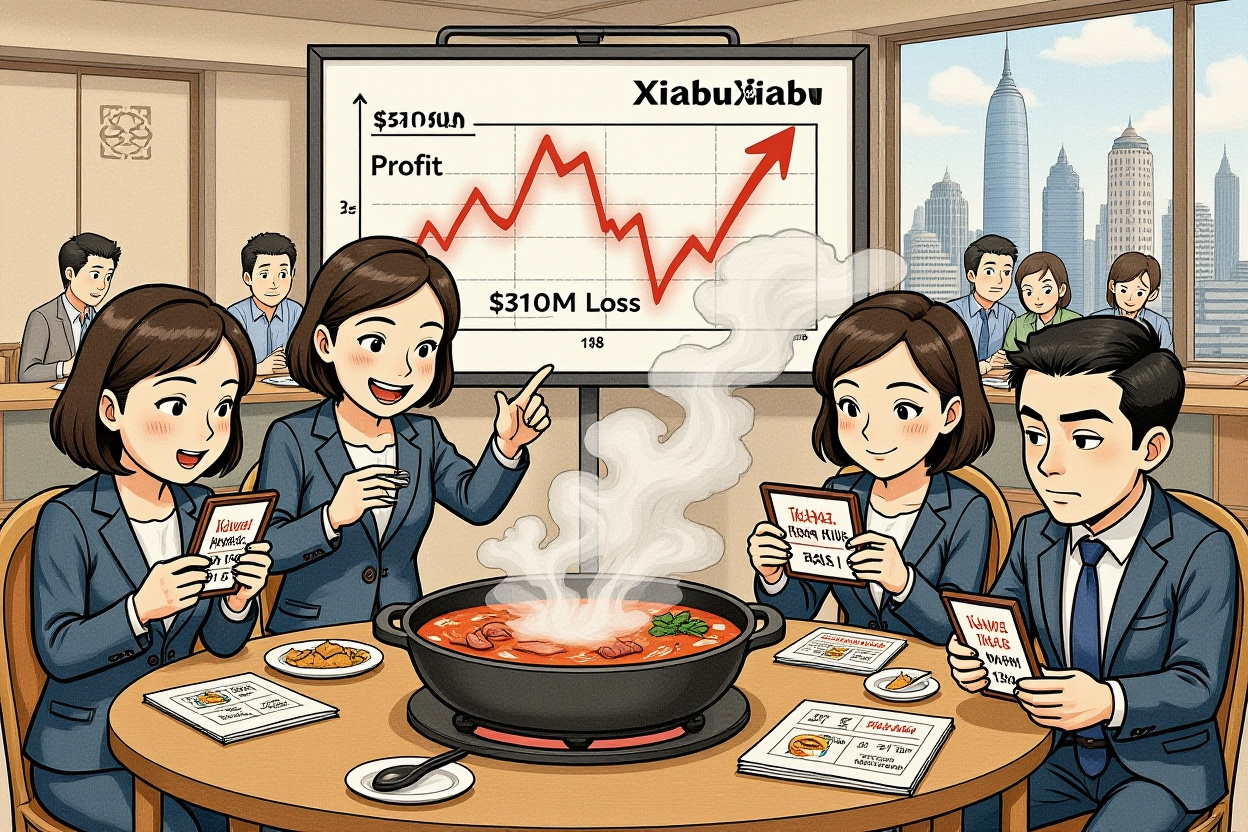
– Xiabuxiabu is aggressively deploying buffet models across its brands, including semi-buffet options and tiered all-you-can-eat formats, in response to a projected 2025 net loss of up to $310 million.
– The move aligns with a broader consumer shift towards value-for-money dining but enters highly competitive segments like self-serve hotpot and steak buffets where differentiation is critical.
– Operational challenges, including cost control and quality consistency, have sunk previous buffet transitions in China, such as the failed overhaul of hotpot chain Gelaoguan.
– Xiabuxiabu’s nearly 30-year supply chain infrastructure and cautious test-and-learn approach provide a foundation, but immediate financial turnaround is unlikely.
– Investors should monitor same-store sales trends and scalability of new formats like Xia Steak and Xiabu Ranch as indicators of a sustainable recovery.
The sizzle has gone out of the wok for Xiabuxiabu. Once hailed as the king of affordable hotpot, the Chinese dining giant is now grappling with a financial crisis that has seen its stock price simmer on low heat. In a dramatic bid to reignite growth, the company is placing a massive bet on the very concept that defined its early success: value. But this time, the value proposition is being repackaged through an all-you-can-eat buffet model. This strategic pivot comes as Xiabuxiabu stares down a projected annual net loss of approximately RMB 2.9 to 3.1 billion, a stark reminder of the brutal economics reshaping China’s restaurant sector. The question for global investors is whether this buffet model can be the lifeline that pulls the chain back from the brink, or if it’s merely a desperate gamble in an already overcrowded arena.
Xiabuxiabu’s Buffet Model Experimentation: From Semi-Buffet to Premium All-You-Can-Eat
The company’s foray into buffets is multifaceted, targeting different price points and customer segments across its brand portfolio. This buffet model rollout represents a fundamental shift in service format, moving away from traditional a la carte dining towards volume-driven, value-oriented experiences.
Semi-Buffet Trials at Core Xiabuxiabu Stores
In a quiet move last year, two Xiabuxiabu outlets in Shenyang—the杉杉奥莱店 (Sassoon Outlets store) and三台子万象汇店 (Santazi MixC store)—were converted to a semi-buffet format. For RMB 39.9, customers get unlimited access to nearly 100 dishes, including soup bases, condiments, and beverages, with no time limits. This has effectively slashed the per-person average spend to RMB 40-50, a stark contrast to its historical pricing. Early customer feedback is mixed; some praise the return to decade-ago value, while others criticize the limited protein selection, noting that premium meats like beef and lamb still require additional payment. This initial buffet model test aims to address客流危机 (customer traffic crisis) by offering perceived abundance at a fixed, low cost.
Coucou’s Tiered Happy Feast Buffet Model
The group’s mid-to-high-end brand, Coucou, launched a dual-point model in 2025 called Premium A La Carte + Happy Feast. It offers three all-you-can-eat tiers: RMB 158, RMB 198, and RMB 258 per person. Some cities have also introduced a RMB 128 Beef and Lamb Happy Feast package. This approach aims to maintain average check sizes while injecting volume through the buffet model, a critical balance for a brand facing declining foot traffic. By integrating this buffet model, Coucou seeks to leverage its established reputation for quality to attract value-conscious consumers without drastically eroding its premium positioning.
The Urgency Behind the Buffet Model Bet: Financial Pressures and Market Challenges
Xiabuxiabu’s buffet model push is born of necessity, not mere opportunism. The company is under intense financial strain, with losses accumulating over five years and industry headwinds intensifying.
Staggering Losses and Strategic Contraction
The company’s 2025 financial preview reveals the depth of its woes: revenue is expected to drop roughly 20% to RMB 38 billion, with net loss estimated between RMB 2.9 and 3.1 billion. While this represents a year-on-year improvement from 2024’s RMB 3.98 billion loss, it extends a painful five-year losing streak that has accumulated over RMB 15 billion in total deficits. In response, management has embarked on aggressive store closures to shore up cash flow and improve operational focus—a tactic reminiscent of Haidilao’s cut-off-the-arm-to-survive strategy in prior years. This contraction provides the breathing room needed to test new formats like the buffet model without overextending resources.
Industry-Wide Slowdown: A Context for Desperation
Xiabuxiabu is not alone. The entire sector is grappling with growth stagnation. Even industry leader Haidilao reported a 3.7% decline in revenue and a 13.7% drop in net profit for the first half of 2025. This universal pressure validates Xiabuxiabu’s search for a second growth curve through the buffet model, but also underscores the intense competition it will face. As Founder He Guangqi (贺光启) noted, the industry has entered a stage of fine-tuned operations and transformation, where competition is shifting from scale to quality. The buffet model is seen as a way to deliver that quality at a compelling price point.
Assessing the Buffet Gambit: Timing, Differentiation, and Operational Hurdles
The critical question is whether Xiabuxiabu’s buffet model can succeed where others have failed or simply arrived too late. The company faces significant challenges in timing, market saturation, and execution.
Lagging Behind in a Crowded Arena
The self-serve and buffet hotpot segment is already saturated. Data from Qichacha indicates there are over 20,000 registered small hotpot enterprises in China, translating to nearly 50,000 physical stores. Regional champions like Weila Small Hotpot with over 2,000 outlets and Longge All-You-Can-Eat Small Hotpot, which opened 300+ stores in a year, have entrenched positions. Xiabuxiabu’s new Xiabu Ranch Self-Serve Small Hotpot brand, with prices as low as RMB 29.82, struggles to distinguish itself in this red ocean. Similarly, the buffet model for Coucou enters a space where premium all-you-can-eat火锅 (hotpot) options are proliferating, potentially diluting its impact.
The Perils of Buffet Operations: A Triple Threat
The buffet model is deceptively difficult. It imposes a triple burden of ingredient cost, labor waste, and quality control management. The failed transformation of Gelaoguan, a once-popular hotpot chain, serves as a cautionary tale. Its shift to buffet led to plummeting food quality, operational chaos, and accelerated decline. For Xiabuxiabu, maintaining standards while offering unlimited consumption at low price points will test its operational mettle to the limit. The buffet model requires meticulous forecasting to minimize food waste and rigorous training to ensure consistent service—areas where past missteps have cost the brand customer trust.
Xiabuxiabu’s Core Strengths and the Path Forward
Despite the challenges, the company is not without advantages in executing its buffet model strategy. Its long-standing infrastructure and cautious approach could provide a foundation for success.
Leveraging Three Decades of Supply Chain Power
As a publicly listed company with nearly 30 years of history, Xiabuxiabu boasts a formidable supply chain, from global sourcing to centralized production and nationwide logistics. This infrastructure could provide the cost efficiency and consistency needed to make a low-margin buffet model viable. Founder He Guangqi has emphasized the group’s commitment to high quality and affordable pricing, which aligns with the value proposition of a well-run buffet model. By leveraging economies of scale, Xiabuxiabu may mitigate the high食材成本 (ingredient costs) that often plague all-you-can-eat concepts.
From Test to Scale: A Cautious Expansion Strategy
The company appears to be adopting a measured approach to its buffet model rollout. New concepts like Xia Steak—a steak a la carte + buffet hybrid—and the low-key launch of the sub-brand Guoyun Hotpot Tea Lounge for Coucou suggest a focus on perfecting the unit economics before rapid rollout. This test-and-learn philosophy, including initiatives like the Phoenix Returning to the Nest partnership program for store managers, aims to build a replicable and profitable buffet model foundation. For instance, plans for Xia Steak include opening 100 stores in three years, but only after refining the format in pilot locations.
Broader Market Implications: What Xiabuxiabu’s Move Signals for China’s F&B Sector
Xiabuxiabu’s buffet model pivot is a microcosm of larger trends reshaping Chinese consumer markets, reflecting shifting dining habits and economic realities.
The Rise of Value-Conscious Dining
The strategy directly targets the growing consumer demand for high cost-performance ratio and quality dining experience. In a post-pandemic economy characterized by greater spending rationality, brands that can deliver perceived value without sacrificing quality are poised to win. The buffet model, when executed well, fits this bill perfectly by offering variety and abundance at a fixed price. This trend is evident across China’s餐饮 (food and beverage) landscape, from fast food to fine dining, making Xiabuxiabu’s bet a timely, if risky, alignment with market forces.
Lessons from Past Failures: The Ghost of Gelaoguan
The demise of Gelaoguan’s buffet experiment looms large as a case study in how not to execute a buffet model transition. It underscores that the model is not a universal panacea; success requires meticulous operational planning, relentless cost control, and an unwavering commitment to quality—elements that Xiabuxiabu must master to avoid a similar fate. Investors should scrutinize whether Xiabuxiabu has learned from these mistakes, particularly in managing the balance between cost containment and customer satisfaction.
Xiabuxiabu’s comprehensive embrace of the buffet model represents its most concerted effort to date to address core ailments: brand aging, inefficient operations, and a lost value proposition. While the company’s deep supply chain and cautious experimentation provide a glimmer of hope, the path to profitability remains steep. The buffet model is not a magic bullet; it is a high-stakes operational challenge that demands excellence in execution. Investors and industry watchers should monitor key metrics such as same-store sales growth at converted buffet locations, customer traffic trends for new brands like Xia Steak, and any material improvements in gross margin over the coming quarters. The success of this strategy will hinge on Xiabuxiabu’s ability to innovate within the buffet framework, differentiate its offerings, and sustainably manage costs. For now, the wok is on high heat, and Xiabuxiabu’s future is simmering in the balance—its turnaround tale will serve as a critical barometer for the health of China’s entire restaurant industry.