



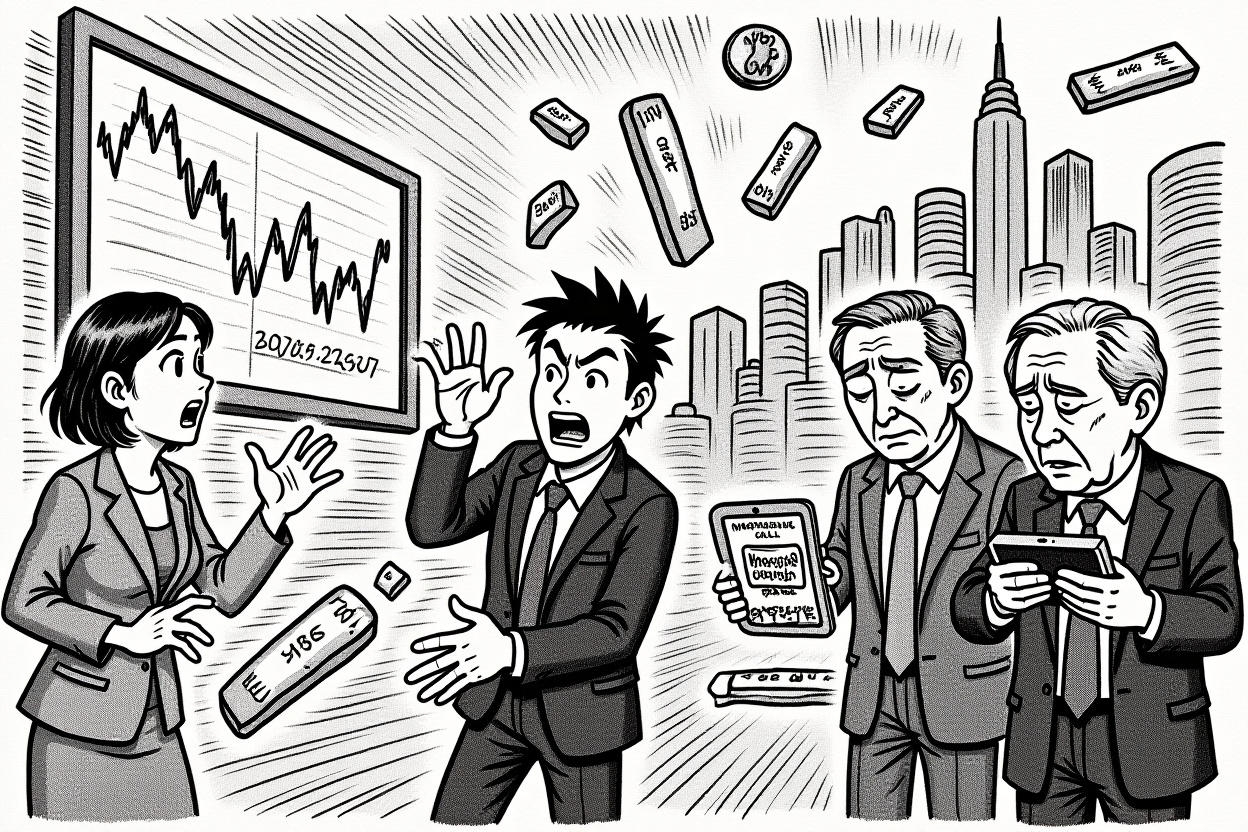
– A sudden, violent intraday selloff saw silver prices collapse by up to 35%, sending shockwaves through commodity markets.
– The dramatic move raises critical questions about market liquidity, speculative excess, and the sustainability of the precious metals rally.
– Multiple factors converged, including surging margin calls, technical breakdowns, and a momentary crisis of confidence among leveraged traders.
– For global investors, understanding this event is key to navigating future volatility and discerning long-term trends from short-term panic.
The global commodity markets witnessed a heart-stopping moment this week as silver prices executed a breathtaking, high-velocity plunge, briefly shedding over a third of its value in a matter of hours. This vertigo-inducing drop, from recent multi-year highs, has forced a harsh reality check upon the previously euphoric precious metals complex. For institutional investors and corporate treasuries with exposure to this sector, the pivotal question now looms large: has the precious metals frenzy reached its peak, or was this merely a brutal but necessary correction in a longer-term bull market? The answer carries profound implications for portfolio allocation, inflation hedging strategies, and risk management frameworks worldwide.
The Anatomy of a Flash Crash: Unpacking Silver’s 35% Intraday Collapse
The event was not a gradual decline but a violent, disorderly rush for the exits. Market depth evaporated, and automated sell orders triggered a cascade that far exceeded normal volatility parameters.
The Trigger Sequence: Margin Calls and Liquidity Vanished
The immediate catalyst was a perfect storm of leveraged positioning meeting a sudden shift in market mechanics. As silver surged in prior sessions, speculative long positions, particularly in futures and options markets, ballooned to extreme levels. When initial profit-taking began, it sparked a margin call spiral. Traders facing margin requirements found liquidity had dried up, forcing them to sell other positions indiscriminately, which amplified the downward pressure. Key exchanges, including the Shanghai Futures Exchange (上海期货交易所) and the Chicago Mercantile Exchange (芝商所), reportedly issued numerous margin calls, exacerbating the selling pressure.
Technical Carnage: Breaking Key Support Levels</h3
From a chart perspective, the plunge obliterated multiple critical support levels that had been established over weeks and months. The breach of these technical thresholds triggered pre-set algorithmic selling and stop-loss orders from systematic funds and retail traders alike. This created a self-fulfilling feedback loop:
– The break of the 50-day moving average triggered the first wave of systematic selling.
– The subsequent failure of major psychological price levels (e.g., $30, $28 per ounce) accelerated the decline.
– Finally, the breakdown entered a vacuum of liquidity where bids disappeared, leading to the most extreme intraday lows.
Drivers of the Mania: What Fueled the Precious Metals Frenzy in the First Place?
To understand if the peak is in, one must first examine the powerful forces that drove prices to such dizzying heights. The rally was not built on a single pillar but a convergence of macroeconomic and speculative narratives.
The Macroeconomic Backdrop: Inflation, Currency Debasement, and Geopolitics
For months, gold and silver have been prime beneficiaries of a global search for hard assets. Persistent inflation concerns, massive fiscal stimulus, and historically low real interest rates in major economies like the United States eroded the appeal of fiat currencies. Additionally, ongoing geopolitical tensions, from Eastern Europe to the South China Sea, bolstered demand for safe-haven assets. Central bank buying, particularly from institutions like the People’s Bank of China (中国人民银行), provided a firm institutional bid under the market.
The Speculative Stampede: From WallStreetBets to Main Street</h3
The rally took on a life of its own as it captured the public imagination. Social media forums, reminiscent of the GameStop saga, buzzed with calls to challenge institutional short-sellers in the silver market. This drove an unprecedented influx of retail investment into physical silver, silver-backed ETFs like the iShares Silver Trust, and leveraged futures contracts. This democratization of speculation added immense volatility and momentum, detaching prices at times from their traditional fundamental anchors like industrial demand.
Is This The Top? Assessing the Bull Market’s Vital Signs</h2
The multi-trillion-dollar question for investors is whether this violent correction signals a definitive end to the bull cycle. Determining if the precious metals frenzy has reached its peak requires examining several market health indicators beyond a single day's price action.
Sentiment and Positioning Extremes: A Classic Blow-Off Top?</h3
Market peaks are often characterized by unsustainable euphoria and crowded positioning. Prior to the crash, several red flags were evident:
– The CNN Fear & Greed Index for commodities touched "Extreme Greed" levels.
– Commitments of Traders reports showed speculative net-long positions in silver futures near all-time highs.
– Premiums for physical silver bars and coins skyrocketed due to frenzied retail buying, indicating potential demand exhaustion.
This setup was reminiscent of classic "blow-off top" patterns seen in other asset bubbles, where the final parabolic surge is followed by a devastating collapse. The 35% plunge effectively reset these extreme sentiment readings, which is a necessary condition for a healthier advance but can also mark a major trend reversal.
Fundamental Divergence: Silver’s Industrial Demand Reality Check</h3
Unlike gold, silver has significant industrial applications, particularly in photovoltaics, electronics, and automotive sectors. Analysts point out that the recent price surge had far outstripped the growth outlook for industrial consumption. A sustained price level above $30/oz could begin to trigger thrifting and substitution efforts by manufacturers. The selloff forces a reconciliation between financial demand and tangible, physical consumption fundamentals. Has the precious metals frenzy reached its peak for silver's industrial narrative? Possibly, unless green energy adoption accelerates beyond current forecasts.
Broader Implications for Gold and the Commodity Complex</h2
Silver is often viewed as gold's more volatile sibling. Its dramatic collapse has sent ripples across the entire commodity spectrum, prompting a reassessment of the inflation trade.
Gold’s Relative Resilience and What It Signals</h3
Notably, gold experienced a selloff during the event but its decline was far less severe than silver's. This divergence is critical. Gold's role as a monetary metal and central bank reserve asset provides a broader, more institutional support base. Its relative stability suggests that while speculative froth is being wiped from the market, the core macro drivers for precious metals—currency debasement and real asset protection—may remain intact. The Gold/Silver Ratio, which spiked during the crash, indicates a flight to quality within the sector itself.
Contagion Risk to Base Metals and Mining Equities</h3
The fear extended beyond precious metals. Copper, lithium, and other industrial metals also faced selling pressure as the event sparked concerns about overall commodity market liquidity and the health of the global reflation trade. Mining equities, which had outperformed the underlying metals due to operational leverage, suffered steep declines. The VanEck Vectors Gold Miners ETF (GDX) and similar indices fell sharply, reflecting concerns over future profitability if metal prices stabilize at lower levels.
Strategic Outlook and Navigating the New Volatility Regime</h2
For institutional portfolios, the event is a stark reminder of the inherent volatility in commodity markets. Moving forward, a more nuanced and risk-aware approach is required.
Key Factors to Monitor in the Coming Weeks</h3
Investors should watch several metrics to gauge whether the bull market is pausing or terminating:
– Physical Market Flows: Will retail investors buy the dip, or has confidence been shattered? Monitoring premiums on products from the China Gold Association (中国黄金协会) and major global mints will be telling.
– Central Bank Stance: Any shift in rhetoric from the Federal Reserve or the PBOC regarding inflation tolerance and tapering will be paramount.
– Technical Reclamation: Can silver prices stabilize and reclaim key broken support levels, now turned resistance, such as the $26-$28 zone?
Portfolio Considerations for the Next Phase</h3
Prudent strategy now involves de-risking and rebalancing:
– Reduce Leverage: The crash was a lesson on the dangers of excessive leverage in futures and margin accounts.
– Rebalance Allocations: Consider taking profits from extreme outperformers and reallocating to more defensive sectors or within commodities to gold over silver.
– Embrace Options for Hedging: Using put options or structured products to hedge downside tail risk in remaining commodity exposures may be wise.
The multi-trillion-dollar question for investors is whether this violent correction signals a definitive end to the bull cycle. Determining if the precious metals frenzy has reached its peak requires examining several market health indicators beyond a single day's price action.
Sentiment and Positioning Extremes: A Classic Blow-Off Top?</h3
Market peaks are often characterized by unsustainable euphoria and crowded positioning. Prior to the crash, several red flags were evident:
– The CNN Fear & Greed Index for commodities touched "Extreme Greed" levels.
– Commitments of Traders reports showed speculative net-long positions in silver futures near all-time highs.
– Premiums for physical silver bars and coins skyrocketed due to frenzied retail buying, indicating potential demand exhaustion.
This setup was reminiscent of classic "blow-off top" patterns seen in other asset bubbles, where the final parabolic surge is followed by a devastating collapse. The 35% plunge effectively reset these extreme sentiment readings, which is a necessary condition for a healthier advance but can also mark a major trend reversal.
Fundamental Divergence: Silver’s Industrial Demand Reality Check</h3
Unlike gold, silver has significant industrial applications, particularly in photovoltaics, electronics, and automotive sectors. Analysts point out that the recent price surge had far outstripped the growth outlook for industrial consumption. A sustained price level above $30/oz could begin to trigger thrifting and substitution efforts by manufacturers. The selloff forces a reconciliation between financial demand and tangible, physical consumption fundamentals. Has the precious metals frenzy reached its peak for silver's industrial narrative? Possibly, unless green energy adoption accelerates beyond current forecasts.
Broader Implications for Gold and the Commodity Complex</h2
Silver is often viewed as gold's more volatile sibling. Its dramatic collapse has sent ripples across the entire commodity spectrum, prompting a reassessment of the inflation trade.
Gold’s Relative Resilience and What It Signals</h3
Notably, gold experienced a selloff during the event but its decline was far less severe than silver's. This divergence is critical. Gold's role as a monetary metal and central bank reserve asset provides a broader, more institutional support base. Its relative stability suggests that while speculative froth is being wiped from the market, the core macro drivers for precious metals—currency debasement and real asset protection—may remain intact. The Gold/Silver Ratio, which spiked during the crash, indicates a flight to quality within the sector itself.
Contagion Risk to Base Metals and Mining Equities</h3
The fear extended beyond precious metals. Copper, lithium, and other industrial metals also faced selling pressure as the event sparked concerns about overall commodity market liquidity and the health of the global reflation trade. Mining equities, which had outperformed the underlying metals due to operational leverage, suffered steep declines. The VanEck Vectors Gold Miners ETF (GDX) and similar indices fell sharply, reflecting concerns over future profitability if metal prices stabilize at lower levels.
Strategic Outlook and Navigating the New Volatility Regime</h2
For institutional portfolios, the event is a stark reminder of the inherent volatility in commodity markets. Moving forward, a more nuanced and risk-aware approach is required.
Key Factors to Monitor in the Coming Weeks</h3
Investors should watch several metrics to gauge whether the bull market is pausing or terminating:
– Physical Market Flows: Will retail investors buy the dip, or has confidence been shattered? Monitoring premiums on products from the China Gold Association (中国黄金协会) and major global mints will be telling.
– Central Bank Stance: Any shift in rhetoric from the Federal Reserve or the PBOC regarding inflation tolerance and tapering will be paramount.
– Technical Reclamation: Can silver prices stabilize and reclaim key broken support levels, now turned resistance, such as the $26-$28 zone?
Portfolio Considerations for the Next Phase</h3
Prudent strategy now involves de-risking and rebalancing:
– Reduce Leverage: The crash was a lesson on the dangers of excessive leverage in futures and margin accounts.
– Rebalance Allocations: Consider taking profits from extreme outperformers and reallocating to more defensive sectors or within commodities to gold over silver.
– Embrace Options for Hedging: Using put options or structured products to hedge downside tail risk in remaining commodity exposures may be wise.
Unlike gold, silver has significant industrial applications, particularly in photovoltaics, electronics, and automotive sectors. Analysts point out that the recent price surge had far outstripped the growth outlook for industrial consumption. A sustained price level above $30/oz could begin to trigger thrifting and substitution efforts by manufacturers. The selloff forces a reconciliation between financial demand and tangible, physical consumption fundamentals. Has the precious metals frenzy reached its peak for silver's industrial narrative? Possibly, unless green energy adoption accelerates beyond current forecasts.
Broader Implications for Gold and the Commodity Complex</h2
Silver is often viewed as gold's more volatile sibling. Its dramatic collapse has sent ripples across the entire commodity spectrum, prompting a reassessment of the inflation trade.
Gold’s Relative Resilience and What It Signals</h3
Notably, gold experienced a selloff during the event but its decline was far less severe than silver's. This divergence is critical. Gold's role as a monetary metal and central bank reserve asset provides a broader, more institutional support base. Its relative stability suggests that while speculative froth is being wiped from the market, the core macro drivers for precious metals—currency debasement and real asset protection—may remain intact. The Gold/Silver Ratio, which spiked during the crash, indicates a flight to quality within the sector itself.
Contagion Risk to Base Metals and Mining Equities</h3
The fear extended beyond precious metals. Copper, lithium, and other industrial metals also faced selling pressure as the event sparked concerns about overall commodity market liquidity and the health of the global reflation trade. Mining equities, which had outperformed the underlying metals due to operational leverage, suffered steep declines. The VanEck Vectors Gold Miners ETF (GDX) and similar indices fell sharply, reflecting concerns over future profitability if metal prices stabilize at lower levels.
Strategic Outlook and Navigating the New Volatility Regime</h2
For institutional portfolios, the event is a stark reminder of the inherent volatility in commodity markets. Moving forward, a more nuanced and risk-aware approach is required.
Key Factors to Monitor in the Coming Weeks</h3
Investors should watch several metrics to gauge whether the bull market is pausing or terminating:
– Physical Market Flows: Will retail investors buy the dip, or has confidence been shattered? Monitoring premiums on products from the China Gold Association (中国黄金协会) and major global mints will be telling.
– Central Bank Stance: Any shift in rhetoric from the Federal Reserve or the PBOC regarding inflation tolerance and tapering will be paramount.
– Technical Reclamation: Can silver prices stabilize and reclaim key broken support levels, now turned resistance, such as the $26-$28 zone?
Portfolio Considerations for the Next Phase</h3
Prudent strategy now involves de-risking and rebalancing:
– Reduce Leverage: The crash was a lesson on the dangers of excessive leverage in futures and margin accounts.
– Rebalance Allocations: Consider taking profits from extreme outperformers and reallocating to more defensive sectors or within commodities to gold over silver.
– Embrace Options for Hedging: Using put options or structured products to hedge downside tail risk in remaining commodity exposures may be wise.
Notably, gold experienced a selloff during the event but its decline was far less severe than silver's. This divergence is critical. Gold's role as a monetary metal and central bank reserve asset provides a broader, more institutional support base. Its relative stability suggests that while speculative froth is being wiped from the market, the core macro drivers for precious metals—currency debasement and real asset protection—may remain intact. The Gold/Silver Ratio, which spiked during the crash, indicates a flight to quality within the sector itself.
Contagion Risk to Base Metals and Mining Equities</h3
The fear extended beyond precious metals. Copper, lithium, and other industrial metals also faced selling pressure as the event sparked concerns about overall commodity market liquidity and the health of the global reflation trade. Mining equities, which had outperformed the underlying metals due to operational leverage, suffered steep declines. The VanEck Vectors Gold Miners ETF (GDX) and similar indices fell sharply, reflecting concerns over future profitability if metal prices stabilize at lower levels.
Strategic Outlook and Navigating the New Volatility Regime</h2
For institutional portfolios, the event is a stark reminder of the inherent volatility in commodity markets. Moving forward, a more nuanced and risk-aware approach is required.
Key Factors to Monitor in the Coming Weeks</h3
Investors should watch several metrics to gauge whether the bull market is pausing or terminating:
– Physical Market Flows: Will retail investors buy the dip, or has confidence been shattered? Monitoring premiums on products from the China Gold Association (中国黄金协会) and major global mints will be telling.
– Central Bank Stance: Any shift in rhetoric from the Federal Reserve or the PBOC regarding inflation tolerance and tapering will be paramount.
– Technical Reclamation: Can silver prices stabilize and reclaim key broken support levels, now turned resistance, such as the $26-$28 zone?
Portfolio Considerations for the Next Phase</h3
Prudent strategy now involves de-risking and rebalancing:
– Reduce Leverage: The crash was a lesson on the dangers of excessive leverage in futures and margin accounts.
– Rebalance Allocations: Consider taking profits from extreme outperformers and reallocating to more defensive sectors or within commodities to gold over silver.
– Embrace Options for Hedging: Using put options or structured products to hedge downside tail risk in remaining commodity exposures may be wise.
For institutional portfolios, the event is a stark reminder of the inherent volatility in commodity markets. Moving forward, a more nuanced and risk-aware approach is required.
Key Factors to Monitor in the Coming Weeks</h3
Investors should watch several metrics to gauge whether the bull market is pausing or terminating:
– Physical Market Flows: Will retail investors buy the dip, or has confidence been shattered? Monitoring premiums on products from the China Gold Association (中国黄金协会) and major global mints will be telling.
– Central Bank Stance: Any shift in rhetoric from the Federal Reserve or the PBOC regarding inflation tolerance and tapering will be paramount.
– Technical Reclamation: Can silver prices stabilize and reclaim key broken support levels, now turned resistance, such as the $26-$28 zone?
Portfolio Considerations for the Next Phase</h3
Prudent strategy now involves de-risking and rebalancing:
– Reduce Leverage: The crash was a lesson on the dangers of excessive leverage in futures and margin accounts.
– Rebalance Allocations: Consider taking profits from extreme outperformers and reallocating to more defensive sectors or within commodities to gold over silver.
– Embrace Options for Hedging: Using put options or structured products to hedge downside tail risk in remaining commodity exposures may be wise.
Prudent strategy now involves de-risking and rebalancing:
– Reduce Leverage: The crash was a lesson on the dangers of excessive leverage in futures and margin accounts.
– Rebalance Allocations: Consider taking profits from extreme outperformers and reallocating to more defensive sectors or within commodities to gold over silver.
– Embrace Options for Hedging: Using put options or structured products to hedge downside tail risk in remaining commodity exposures may be wise.
While the ferocity of silver's plunge is alarming, declaring the definitive end of the precious metals cycle based on one day's trading is premature. Markets often require such violent resets to flush out excess and build a foundation for a more sustainable advance. However, the event unequivocally marks the end of the easy, momentum-driven phase of the rally. The fundamental drivers of currency depreciation and geopolitical uncertainty persist, but they will now be weighed against tighter monetary policy prospects and valuation realities. Ultimately, the question of whether the precious metals frenzy has reached its peak will be answered not by a single flash crash, but by how the complex responds in the weeks ahead—its ability to hold key levels, the behavior of physical buyers, and the trajectory of real yields. For the astute investor, this volatility is not a signal to exit entirely, but a call to adopt more sophisticated, selective, and risk-managed strategies in the commodities allocation.