



Executive Summary
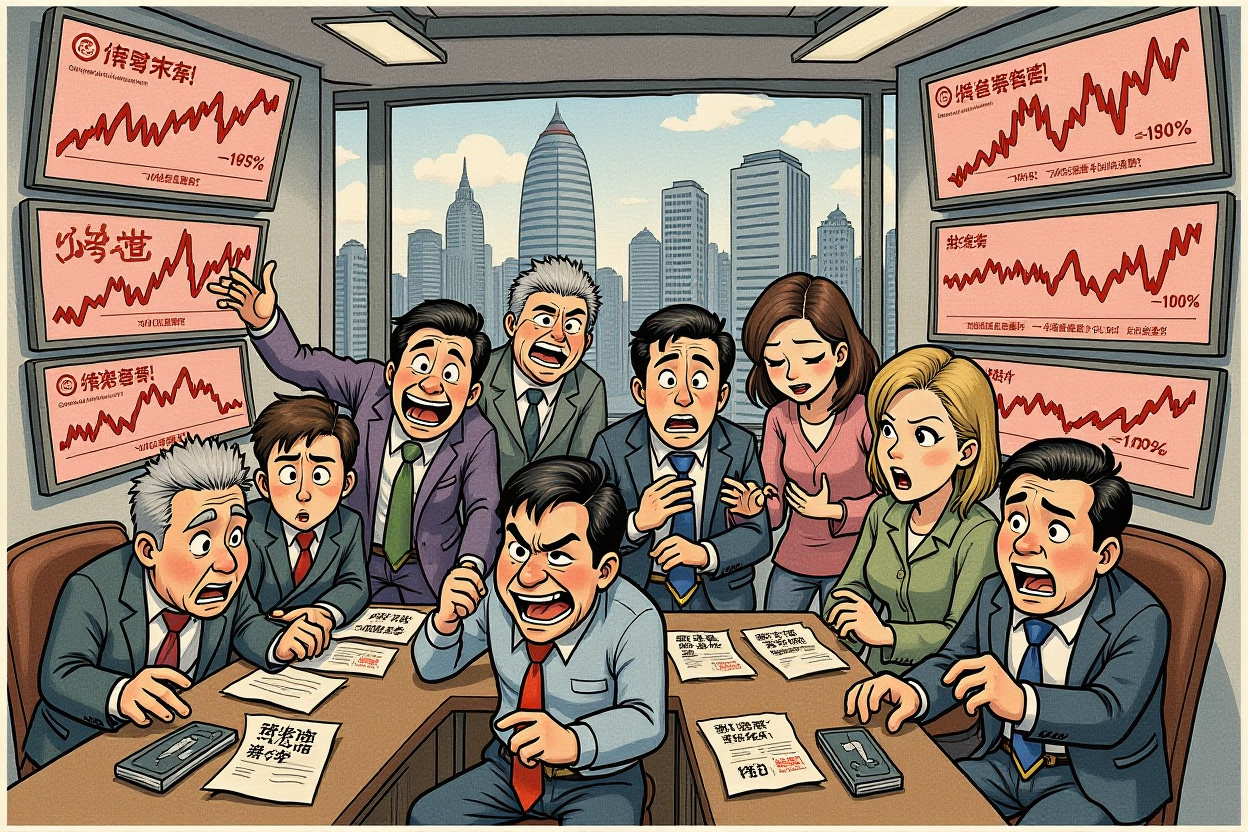
In a dramatic overnight session, precious metals markets experienced a historic rout that has reshaped investor sentiment and portfolio strategies. Key takeaways include:
– Silver prices plunged by over 15% in Asian trading hours, marking one of the steepest single-day declines in modern history, driven by a perfect storm of macroeconomic and technical factors.
– Gold fell by more than 5%, its largest daily drop since the early 1980s, erasing approximately $100 billion in market value and challenging its status as a reliable safe-haven asset.
– The crash triggered cascading losses in Chinese mining stocks and commodity-linked ETFs, with the CSI 300 Materials Index sinking 3.2% in response, highlighting the interconnectedness of global commodity and equity markets.
– Regulatory bodies, including the Shanghai Gold Exchange, swiftly implemented circuit breakers and margin adjustments to curb volatility, underscoring the systemic risks posed by such extreme moves.
– For investors, this event serves as a critical reminder to diversify hedging instruments and closely monitor dollar strength, interest rate expectations, and liquidity conditions in futures markets.
The Night of the Crash: A Timeline of Unprecedented Volatility
Global financial markets were jolted awake during Asian trading hours as precious metals entered a freefall that veteran traders described as a ‘bloodbath.’ The selling pressure intensified after the London fix, with silver leading the downward spiral before gold followed suit, culminating in a session that will be etched in market lore for years to come.
Hour-by-Hour Breakdown of the Plummer
The precious metals plummet began shortly after 10 PM Beijing time, coinciding with thin liquidity and the release of stronger-than-expected U.S. economic data. Within 90 minutes, silver futures on the COMEX shed 12%, breaching key technical support levels at $25 per ounce. Gold, which had been trading sideways, suddenly cracked, dropping from $1,950 to $1,850 in a wave of automated selling.
– 10:00 PM: Silver breaks below $26.50, triggering stop-loss orders from leveraged retail positions accumulated during the recent rally.
– 11:30 PM: Gold futures on the Shanghai Gold Exchange (SGE) see a 4% decline, with trading volumes spiking to 300% above the 30-day average as institutional investors rushed to exit.
– 12:45 AM: The People’s Bank of China (PBOC) issues a rare statement acknowledging market stress but refrains from direct intervention, focusing instead on currency stability measures.
– 2:00 AM: European markets open to contagion, with mining giants like Zijin Mining Group (紫金矿业集团) and China Molybdenum (洛阳栾川钼业集团) dropping 8-10% in pre-market trading.
Immediate Market Reactions and Liquidity Crunch
The speed of the decline created a liquidity vacuum, with bid-ask spreads widening to levels not seen since the 2008 financial crisis. ETF managers reported massive redemption requests, forcing them to sell underlying holdings into a falling market, which exacerbated the precious metals plummet. ‘This was a classic flash crash scenario amplified by algorithmic trading and margin calls,’ noted a senior trader at a major Asian bank, who requested anonymity due to compliance policies.
Historical Context: Gold’s 40-Year Record Drop in Perspective
To understand the gravity of this event, it is essential to compare it with previous crises. The last time gold witnessed a comparable single-day decline was in 1980, following the peak of the Hunt brothers’ silver squeeze and a sharp reversal in inflationary expectations.
Lessons from the 1980s and 2008
In March 1980, gold prices fell by over 8% in one day as the U.S. Federal Reserve, under Chairman Paul Volcker, aggressively raised interest rates to combat inflation. Similarly, during the 2008 Lehman Brothers collapse, gold initially sold off due to deflationary fears before rallying as a safe haven. The current precious metals plummet shares characteristics with both episodes: it is driven by sudden shifts in monetary policy outlooks and a scramble for cash, but occurring in a digitally interconnected, high-frequency trading environment that accelerates price moves.
– 1980 Parallel: Then, as now, a sharp rise in real yields eroded the appeal of non-interest-bearing assets like gold. Today, with the U.S. 10-year Treasury yield jumping 20 basis points ahead of the crash, the opportunity cost of holding gold became untenable for many investors.
– Silver’s Volatility History: Silver has always been the more volatile sibling in the precious metals family. Its 15% drop echoes the 2011 flash crash, but this time, the decline was more sustained, suggesting deeper fundamental concerns about industrial demand amid global growth worries.
Catalysts Behind the Precious Metals Plummer: A Multifaceted Analysis
This was no random event; it was the culmination of several converging factors that had been building pressure on precious metals markets for weeks. The primary drivers can be categorized into macroeconomic shifts, technical breakdowns, and sentiment reversals.
Macroeconomic Triggers: Dollar Strength and Rate Fears
The U.S. dollar index (DXY) surged to a three-month high on the back of robust jobs data and hawkish commentary from Federal Reserve officials. Since precious metals are priced in dollars, a stronger greenback makes them more expensive for holders of other currencies, dampening demand. Simultaneously, market expectations for interest rate cuts in 2024 were sharply scaled back, with futures pricing indicating a higher-for-longer scenario that diminishes gold’s attractiveness as an inflation hedge.
– Data Point: The U.S. core PCE inflation reading came in hotter than forecast, reinforcing the Fed’s cautious stance and pushing the 2-year Treasury yield above 5%.
– China Angle: Weaker-than-expected PMI data from China exacerbated concerns about industrial metal demand, particularly for silver, which has significant photovoltaic and electronic applications. This dual pressure from both U.S. monetary policy and Chinese economic softness created a perfect storm for the precious metals plummet.
Technical and Sentiment Drivers: The Role of Speculative Positioning
Commitments of Traders (COT) reports revealed that speculative net-long positions in gold and silver were at extreme levels prior to the crash, leaving markets vulnerable to a sharp correction. When key technical supports broke, it triggered a cascade of automated selling. Social media sentiment, which had been overwhelmingly bullish on ‘silver squeezing,’ reversed abruptly, contributing to the panic.
– Example: The popular r/WallStreetBets forum on Reddit saw a surge in posts about silver shorts, mirroring the GameStop frenzy but with more dire consequences for leveraged retail investors.
– Quote: ‘Markets were priced for perfection, and any deviation was bound to cause a violent repricing,’ said 张伟 (Zhang Wei), chief strategist at 中信证券 (CITIC Securities). ‘The precious metals plummet was a textbook case of crowded trade unwinding.’
Impact on Chinese Equity Markets: Ripples Across Asset Classes
The shockwaves from the precious metals crash were immediately felt in Chinese stock markets, particularly among companies with exposure to commodity cycles. The CSI 300 Index opened 1.5% lower, with materials and energy sectors bearing the brunt of the selling.
Mining Stocks and ETFs: A Sector Under Siege
Chinese gold and silver mining companies saw their valuations slashed as investors reassessed earnings prospects. Zijin Mining Group (紫金矿业集团), the country’s largest gold producer, fell by 9.7% in Shanghai trading, while Silvercorp Metals (银泰黄金) dropped 12.3%. ETFs tracking precious metals, such as the Huaan Gold ETF (华安黄金ETF), experienced net outflows of approximately $500 million in a single day, according to exchange data.
– Portfolio Adjustments: Institutional investors, including pension funds and insurance companies, were forced to rebalance portfolios, selling winning positions in tech and consumer staples to cover losses in commodity holdings. This rotational selling pressure temporarily depressed broader market indices, though a swift recovery in afternoon trading limited the damage.
Regulatory and Institutional Response: Containing the Fallout
The Shanghai Gold Exchange (SGE) acted swiftly to prevent a systemic crisis, raising margin requirements for silver contracts by 15% and temporarily suspending trading in some futures contracts for cooling-off periods. The China Securities Regulatory Commission (CSRC) issued guidance to brokerages, urging caution on leveraged commodity products and enhancing risk disclosures.
– Official Commentary: In a press briefing, 潘功胜 (Pan Gongsheng), Governor of the People’s Bank of China, emphasized that China’s financial system remains resilient and that the central bank has ample tools to ensure market stability. However, he acknowledged the need for investors to brace for increased volatility in global commodity markets.
– Outbound Link: For detailed trading halts and margin changes, refer to the Shanghai Gold Exchange official announcement (available at www.sge.com.cn).
Forward Outlook: Recovery Prospects and Strategic Implications
In the aftermath of the precious metals plummet, the critical question for investors is whether this marks a structural downturn or a buying opportunity. Historical patterns suggest that such violent sell-offs often precede periods of consolidation, but the fundamental backdrop will dictate the pace of any recovery.
Expert Predictions and Market Sentiment
Analysts are divided on the short-term trajectory. Some, like 李娜 (Li Na), head of commodities research at 中金公司 (China International Capital Corporation Limited), believe that the long-term bull case for gold remains intact, driven by central bank buying and geopolitical uncertainties. Others warn that if the U.S. dollar continues to strengthen and real yields climb further, another leg down in the precious metals plummet could be imminent.
– Data to Watch: Key indicators include U.S. CPI releases, PBOC gold reserve announcements, and trading volumes on the SGE. A sustained recovery in physical demand from India and China during upcoming festive seasons could provide a floor for prices.
Strategic Recommendations for Global Investors
For sophisticated market participants, this event underscores the importance of dynamic risk management. Rather than abandoning precious metals entirely, consider the following steps:
1. Reassess Allocation Weights: Reduce direct exposure to futures and ETFs, and increase holdings in diversified mining equities with strong balance sheets and low production costs.
2. Enhance Hedging Strategies: Utilize options strategies, such as protective puts on gold positions or collars on silver holdings, to limit downside while maintaining upside participation.
3. Monitor Correlation Shifts: The traditional inverse relationship between gold and the dollar may be evolving; incorporate real-time analytics to adjust portfolios accordingly.
4. Focus on Liquidity: In volatile markets, prioritize investments in highly liquid instruments to ensure exit flexibility during stress events.
Navigating the New Normal in Precious Metals Markets
The late-night carnage in silver and gold markets serves as a stark reminder of the inherent vulnerabilities in even the most established asset classes. This precious metals plummet has reshaped risk perceptions, forcing a recalibration of investment theses across the board. For Chinese equity investors, the immediate takeaway is the heightened correlation between commodity prices and stock performance, necessitating a more integrated approach to asset allocation.
Looking ahead, vigilance is paramount. Markets are likely to remain jittery as they digest the implications of tighter monetary policies and slower global growth. However, for those with a long-term horizon, periods of extreme volatility often create entry points for disciplined investors. Stay informed by subscribing to our real-time market alerts and accessing our proprietary research on commodity-equity linkages to turn market disruptions into strategic opportunities.