



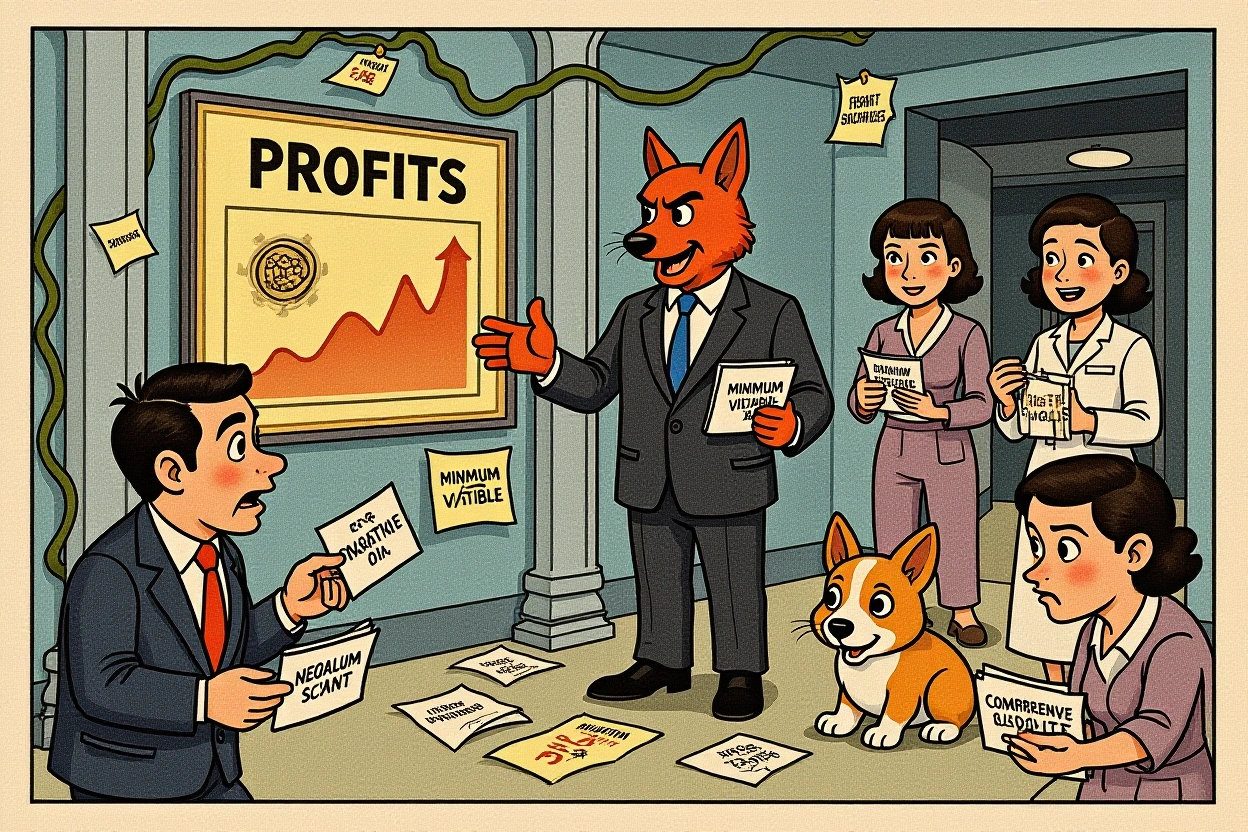
The Scandal That Rocked China’s Health Industry
On July 30, 2025, AiKang Group CEO Zhang Ligang (张黎刚) made astonishing admissions that laid bare the deception plaguing China’s health check-up industry. His candid remarks at a press conference revealed what many suspected: Affordable check-ups don’t actually detect serious health issues. Instead, companies like AiKang prioritize profit through systematic deception while developing sophisticated strategies for handling consumer complaints. This health check-up deception has created an industry-wide crisis where providers focus on soothing corporate customers rather than detecting diseases.
The scandal emerged amid AiKang’s high-profile legal battle with Beijing lawyer Zhang Xiaoling (张晓玲), who underwent ten years of AiKang check-ups without ever receiving cancer warnings before being diagnosed with stage IV renal cancer. Rather than resolving the matter discreetly, AiKang chose litigation and confrontational publicity – a calculated approach revealing how the company’s core competency lies not in diagnostics, but in denying accountability.
The Case That Exposed the Industry
Zhang Xiaoling’s nightmare began with a routine discovery in 2024: Right kidney cancer that had already metastasized. She had meticulously completed annual health screenings since 2013, paying approximately 500 yuan per check-up – standard pricing across China’s corporate-sponsored health screening industry. Shockingly, not one report identified cancer risks despite visible symptoms developing over years.
Medical records show her kidney tumors should have been detectable through standard ultrasound examinations included in her AiKang packages. When Zhang Xiaoling requested her decade’s worth of test samples and imaging data, AiKang denied any diagnostic failures and counter-sued for ‘spreading false information.’ This aggressive response exemplifies how health check-up providers systematically protect operations rather than patients.
How Health Check-up Deception Became Standard Practice
The health check-up deception industry built its empire on three pillars: corporate welfare programs, consumer ignorance about medical limitations, and strategic avoidance of accountability. As Zhang Ligang bluntly claimed: ‘Can you realistically expect that a check-up costing a few hundred yuan would detect whatever diseases you might have…?’ His rhetorical question highlights how providers leverage price restrictions to justify diagnostic failure.
The Corporate Welfare Facade
Corporate subsidies created China’s booming check-up market. Employers seeking affordable ’employee benefits’ selected packages priced at 300-800 yuan annually per employee. At these rates, providers deliver superficial examinations generating minimal actionable data. Industry insiders confirm:
– Blood samples often receive minimal analysis due to cost-cutting
– Ultrasound operators conduct examinations hastily
– Preventative screenings lack specialized equipment
– Reports contain generic health advice unrelated to results
The Black Cat complaint platform hosts over 1,300 documented grievances against AiKang alone – averaging three daily. Companies handle complaints through standardized money-back guarantees or package adjustments rather than enhancing diagnostic capabilities.
Consumer Compliance Through Psychological Manipulation
Health check-ups thrive because they fulfill psychological needs. Young professionals tolerate ineffective screenings due to ‘better-than-nothing’ rationalization and workplace social pressures. Many falsely equate participation with prevention – especially with employer-funded ‘benefits.’ As lawyer Zhang Xiaoling acknowledged: ‘I didn’t question my AiKang reports for years despite nagging suspicions about their superficiality.’
Providers reinforce this psychology through emotional validation tactics:
– Issuing reports filled with vague ‘findings’ like fatty liver or visual impairment
– Packaging basic nutrition advice as personalized health guidance
– Offering free breakfasts leaving participants feeling cared for
The Cost of False Assurance
The crisis emerged when middle-aged participants like Zhang Xiaoling faced life-threatening diagnoses. Their delayed detection starkly contrasts with early cancer diagnosis rates exceeding 90% in comprehensive screening programs like Japan’s national health system. Tokyo Metropolitan Geriatric Hospital data shows such programs cost patients equivalent to 6,000-15,000 yuan annually.
What makes Chinese check-ups fundamentally different? Industry insiders explain:
– Limited visualization: CT scans replaced with cheaper ultrasounds
– Focus on ‘visible convenience’ (appointments/facilities)
– Minimal physician consultation
– Avoiding expensive biomarker/molecular testing
The Industry’s Protected Ecology
Why did regulators tolerate this health check-up deception? Former health oversight official Li Wei (李伟) explains: ‘Affordable corporate welfare enjoys policy support. The system prioritizes accessibility over effectiveness.’ With over 80% of Chinese employers offering subsidized check-ups, reforming this multi-billion yuan industry challenges China’s balancing act between healthcare access and quality.
The system includes few safeguards:
– No legal requirements for cancer markers testing
– Minimal equipment/qualification standards
– Complaint mechanisms favoring corporate clients
– Subscription pay structures incentivizing superficial examinations
Public Hospital Alternatives: Quality vs Accessibility
Wealthier patients bypass commercial providers for public hospitals. Shanghai Changzheng Hospital offers comprehensive screenings including MRI, CT, specialized blood analysis, and gastroenterologist consultations starting at 5,000 yuan. Meanwhile AiKang’s equivalent package costs under 1,000 yuan – featuring basic imaging technicians and outsourced laboratory testing.
Quality differences become undeniable in detection results. Changzheng Hospital reported identifying stage I cancers in 78% of diagnosed participants during 2024 screenings – compared with AiKang’s confirmed cancer detection rate below 12% among symptomatic patients.
Calls for Reform and Accountability
The crisis demands regulatory intervention tackling three areas:
1. Qualification Reform: Requiring imaging specialists rather than technicians
2. Standardization: Mandating minimum tests based on age/risk
3. Transparency: Medical report authentication and data access rights
Beyond regulations, consumers should:
– View corporate check-ups as cursory overviews
– Invest annually in comprehensive hospital screenings
– Understand specialized diagnosis requires separate payments
– Demand advanced screenings when experiencing symptoms
The Path Forward: Responsibility Amid Transparency
The AiKang scandal provides watershed accountability for China’s health industry. When Zhang Ligang stated patients couldn’t expect accurate disease detection from affordable check-ups, he accidentally acknowledged a systemic fraud protected by corporate convenience and regulatory lacunas. Only through honesty about limitations can providers rebuild shattered consumer trust.
Companies offering health benefits must recalibrate priorities: Either fund proper diagnostics or abandon dangerous illusions of protection. For consumers, the lesson proves painfully clear: Health preservation requires substantive investment, not symbolic corporate gestures. Comprehensive diagnosis integrates screening with specialists – an approach fundamentally incompatible with cheap standardization.
With China approaching peak healthcare demands amid aging demographics, reforming examination culture begins with rejecting misleading shortcuts. True health security emerges from accepting hard truths: Quality diagnostics bear higher costs, specialized medicine demands individualized approaches, and genuine prevention requires commitment beyond convenient rituals.