



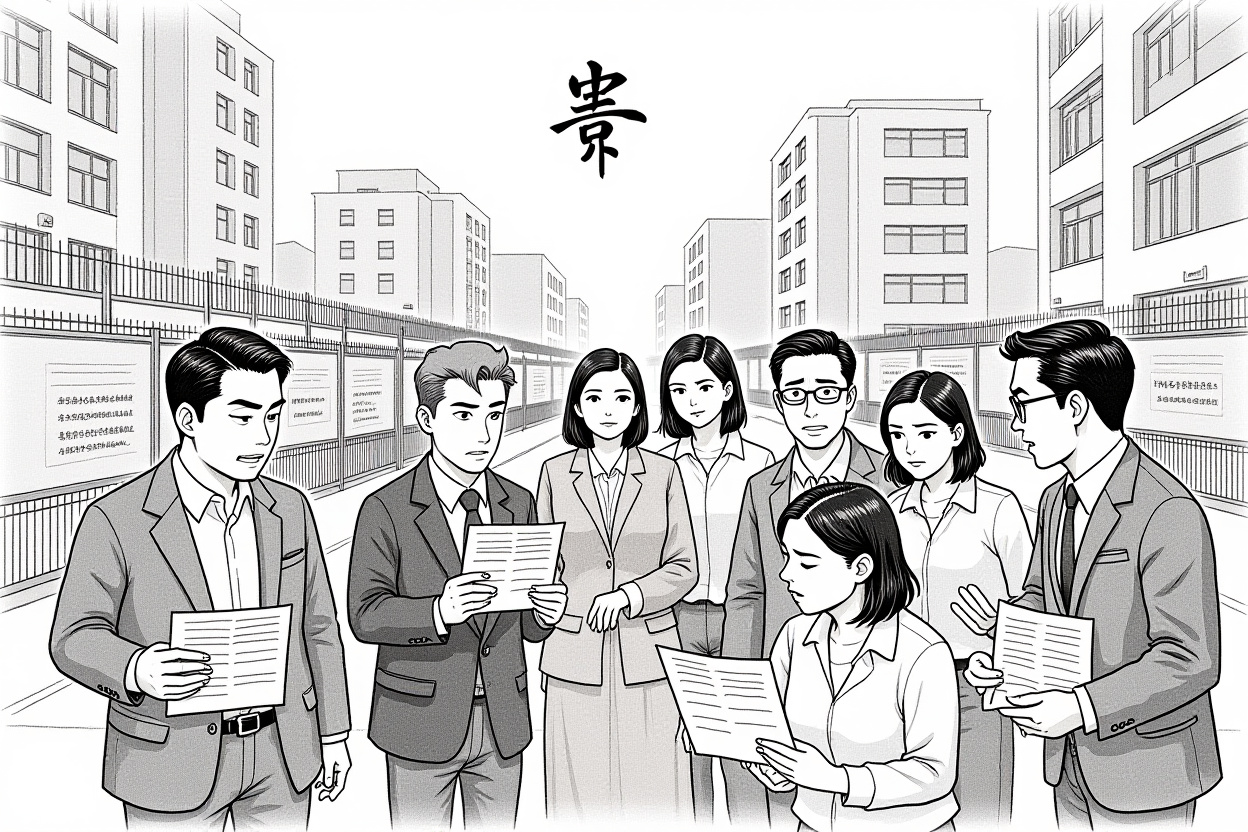
In a residential community in Nanning, tensions have reached a boiling point as homeowners and property management engage in mutual lawsuits over unpaid fees and alleged service failures. At the heart of the conflict lies the challenge of balancing service quality with cost, a scenario playing out in neighborhoods across China. This article delves into the legal, financial, and emotional dimensions of property fee disputes, offering insights for homeowners, property managers, and developers alike.
The Nanning Jiuyuefu Case: A Microcosm of Wider Issues
The Jiuyuefu residential complex in Nanning, Guangxi, has become a focal point for examining property fee disputes. Delivered in December 2022 with an average selling price of 8,000 yuan per square meter, the development has been marred by homeowner complaints about unfinished infrastructure and subpar maintenance. Residents report that temporary fencing remains in place, underground parking is undelivered, and leaks plague common areas. These issues have fueled a broader debate about the fairness of charging 2.8 yuan per square meter per month for物业管理费 (property management fees) when services appear lacking.
Homeowner Grievances and Collective Action
Dissatisfied homeowners, led by representative Mr. Chen, argue that the fees charged by Guangdong Longguan Group Property Management Co., Ltd. (南宁分公司) exceed those of comparable communities while failing to deliver promised services. – Incomplete Infrastructure: Temporary iron sheet fencing instead of permanent walls, undelivered underground garages, and leaking parking areas. – Certification Issues: Allegations that the developer, Nanning Junrong Real Estate Development Co., Ltd. (a Longguan Holdings affiliate), concealed that units had not passed fire and five-party acceptance inspections at delivery. – Cost-Service Mismatch: Fees are perceived as unjustified given the absence of essential amenities and ongoing maintenance failures. These grievances culminated in July 2024 when over 20 homeowners received court summons for non-payment of fees, prompting them to file counter-suits seeking contract annulment and refunds.
Legal Perspectives on Property Fee Disputes
Property fee disputes often hinge on the interpretation of contractual obligations and the delineation of responsibilities between developers and management companies. According to Beijing Jinru Law Office director Wang Yuchen (王玉臣), homeowners may legally seek fee reductions or service rectifications if they can demonstrate that management has failed to meet agreed standards. However, the burden of proof lies with residents, requiring comprehensive, long-term evidence of service deficiencies.
Distinguishing Developer and Management Responsibilities
A critical aspect of property fee disputes is understanding which party is liable for specific shortcomings: – Developer Obligations: Delivery of completed infrastructure, including walls, garages, and certified buildings, under the商品房买卖合同 (Commercial Housing Sales Contract). – Management Duties: Upkeep of common areas, coordination with developers on unresolved issues, and daily services like security, cleaning, and repairs under the前期物业服务合同 (Early-Stage Property Service Contract). While management companies are expected to advocate for homeowners, they are not directly responsible for undelivered developer promises. This legal separation often complicates resolution efforts in property fee disputes.
Financial Constraints and Management Challenges
Property management companies face their own set of challenges, particularly when developers encounter financial difficulties. In the Jiuyuefu case, Longguan Holdings’ ongoing debt restructuring has stalled community improvements, leaving management to operate with limited resources. Management representatives express frustration, noting that they have submitted plans for permanent fencing and repairs, but developer funding shortfalls have prevented action. Additionally, the company has struggled to cover water and public electricity fees, adding strain to their operational capacity.
The Ripple Effects of Developer Insolvency
Nanning’s Yongning District Housing and Urban-Rural Development Bureau confirms that Junrong Real Estate’监管账户 (supervised accounts) are depleted, with unsold units frozen due to bank disputes. This financial collapse leaves homeowners and management in a bind: – No Funding for Repairs: Essential infrastructure improvements cannot proceed without developer capital. – Management Dependency: Property companies rely on fee revenue to operate, creating a cycle of service decline and non-payment. These dynamics illustrate how property fee disputes can escalate when broader financial instability affects residential communities.
Navigating Property Fee Disputes: Practical Solutions
For homeowners and management companies entangled in property fee disputes, several strategies can facilitate resolution: – Document Everything: Maintain records of service failures, communications, and unmet promises. Photographs, emails, and maintenance requests can strengthen legal claims. – Seek Mediation: Engage local housing authorities or consumer protection agencies before pursuing litigation. Mediation can often yield compromises without court intervention. – Understand Contracts: Review the前期物业服务合同 to clarify service benchmarks and management obligations. Legal advice can help interpret complex clauses. – Explore Fee Adjustments: Management companies can petition parent organizations for temporary fee reductions during crises, preserving homeowner goodwill. While not all property fee disputes can be avoided, proactive communication and documentation can mitigate conflicts.
The Broader Implications for China’s Real Estate Market
The Jiuyuefu case reflects wider issues in China’s property sector, where developer liquidity crises and management challenges intersect. As companies like Longguan Holdings navigate debt restructuring, homeowners nationwide face similar dilemmas over service quality and fee fairness. Data from sources like Tianyancha reveal the extent of developer insolvency, highlighting the need for systemic reforms. Until then, property fee disputes may continue to arise, underscoring the importance of clear contracts, accountable management, and responsive oversight.
Policy and Regulatory Considerations
Regulatory bodies could help reduce property fee disputes by: – Strengthening Disclosure Requirements: Ensuring developers transparently communicate project status and certifications at delivery. – Enhancing Oversight: Monitoring management companies to ensure service delivery aligns with fee structures. – Providing Support: Establishing funds or mechanisms to assist communities affected by developer insolvency. These measures would promote accountability and protect homeowner interests, minimizing the conditions that fuel property fee disputes.
Conclusion: Pathways to Resolution
Property fee disputes are rarely simple, involving legal, financial, and emotional factors that require careful navigation. Homeowners must balance their rights with their obligations, while management companies need to advocate for both residents and operational sustainability. Ultimately, collaboration and communication are key to resolving these conflicts. By understanding their rights, documenting issues, and seeking mediation, stakeholders can work toward solutions that serve everyone’s interests. For those facing similar challenges, consulting legal experts like Wang Yuchen (王玉臣) can provide clarity and direction. As China’s real estate market evolves, addressing the root causes of property fee disputes will be essential for fostering harmonious communities and sustainable development.