



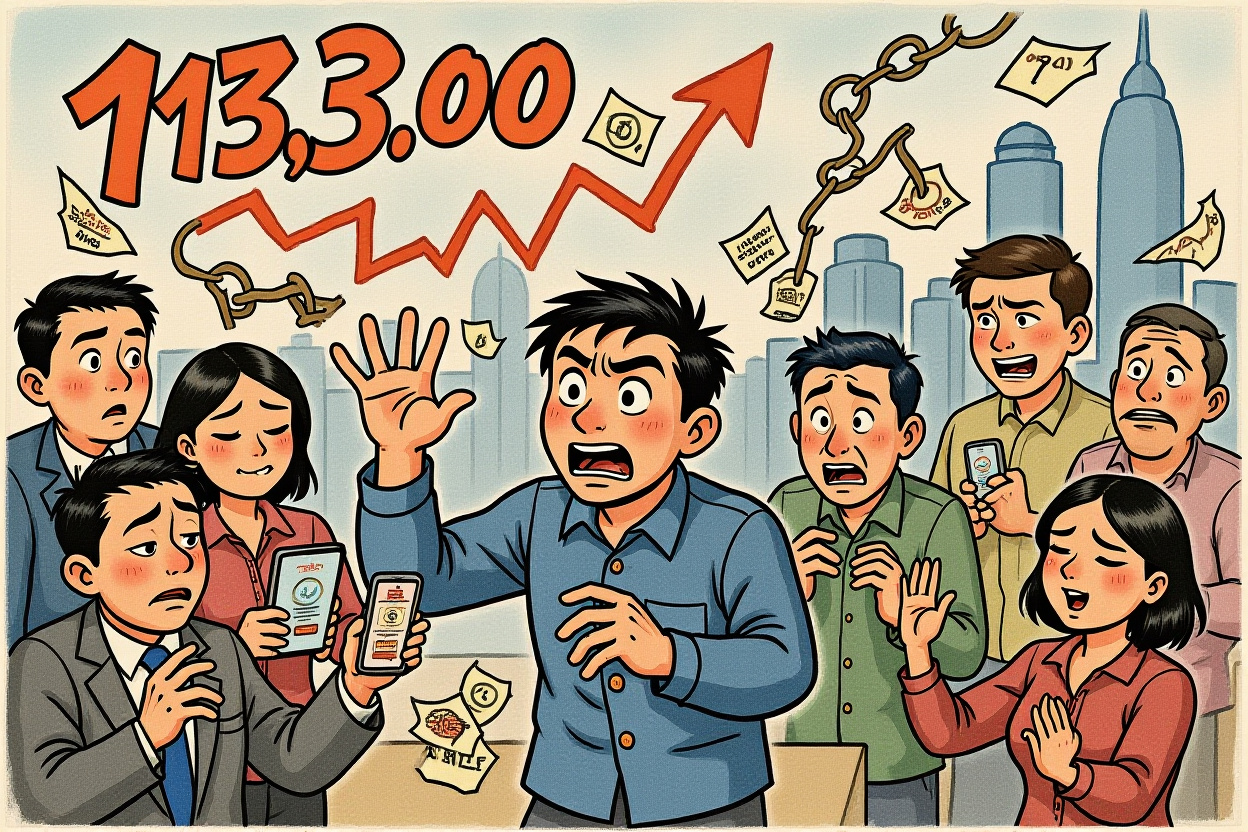
Key Takeaways: The Mini-Loan Dilemma
– Mini-loans, often marketed as low-cost credit, are ensnaring young Chinese borrowers with effective annual percentage rates (APRs) nearing 36%, far exceeding regulatory caps.
– Platforms like Fenqile (分期乐) use opaque fee structures, extended repayment terms, and aggressive marketing to mask true costs, leading to debt spirals where borrowers repay nearly double the principal.
– Regulatory efforts, such as the 2025 guidelines from the People’s Bank of China (中国人民银行) and the National Financial Regulatory Administration (国家金融监督管理总局), aim to cap costs at 24% or lower, but enforcement gaps persist.
– The business model retains roots in controversial campus lending, with ongoing issues of violent debt collection and privacy violations, posing significant reputational and compliance risks for investors.
– Consumers and investors must prioritize transparency and due diligence as China’s fintech sector faces heightened scrutiny over ethical lending practices.
The Alarming Reality: How a 13,000 Yuan Loan Balloons to 26,000
As Chinese consumers gear up for Lunar New Year festivities—planning red envelopes for parents, gifts for children, and family trips—many turn to quick credit solutions to bridge cash gaps. Recently, platforms like Fenqile (分期乐) have promoted loan increases up to 50,000 yuan, luring users with promises of easy money. However, behind this facade of financial convenience lies a darker truth: mini-loans are systematically draining young people through exorbitant interest and predatory tactics. The case of Ms. Chen, who borrowed 13,674 yuan only to owe 26,859 yuan after six years, exemplifies how these products exploit vulnerable borrowers. With APRs ranging from 32.08% to 35.90%, her debt snowballed, highlighting the urgent need to scrutinize the mini-loan industry’s practices. This focus on mini-loans reveals a systemic issue where short-term relief leads to long-term financial ruin.
The Snowball Effect of Debt
Ms. Chen’s experience began during her university years, where she used Fenqile (分期乐) for everyday expenses, including a 400-yuan purchase split over 36 months. Between 2020 and 2021, she took five loans totaling 13,674 yuan, with terms extending up to 36 periods. Sales representatives touted “low interest” and “monthly payments as low as 18.23 yuan,” but the reality was stark: her cumulative repayment neared double the principal. By August 2022, she defaulted, accruing over 1,000 days of delinquency. The psychological toll was severe, with debt collectors harassing her family and friends, exacerbating her depression. This case underscores how mini-loans, by stretching repayments and stacking high rates, transform small debts into unmanageable burdens.
Decoding the True Cost: Hidden Fees and Opaque Pricing
On the surface, mini-loan platforms advertise attractive rates—Fenqile (分期乐)’s mini-program promises annual rates as low as 8% and daily interest of 2.2 yuan per 10,000 yuan borrowed. Yet, dig deeper, and a web of hidden charges emerges. Users report unauthorized fees for membership, guarantees, and credit assessments, pushing comprehensive costs toward the 36% ceiling. For instance, on the Black Cat Complaint platform (黑猫投诉), over 160,000 grievances target Fenqile (分期乐), with consumers alleging undisclosed expenses that inflate their obligations. One borrower from February 12, 2025, cited a 36% APR and demanded refunds for amounts exceeding 24%, citing opaque lender identities. Another from January 2025 complained about 1,450 yuan in hidden “credit evaluation fees.” These examples illustrate the mini-loan trap: enticing entry points mask a labyrinth of costs that erode financial health.
Legal and Regulatory Violations
The Chinese consumer magazine 《中国消费者》 documented multiple cases where actual repayments dwarfed contractual amounts. In one instance, a borrower from Zhejiang took a 10,300-yuan loan at a 6% stated rate but ended up paying 12,425.4 yuan—1,782 yuan extra. Similarly, a 15,000-yuan loan at 7.5% accrued over 2,053 yuan in surcharges. These discrepancies often stem from fees buried in lengthy electronic agreements, violating disclosure norms. The mini-loan industry’s reliance on such tactics not only breaches consumer trust but also flouts regulations like the December 2025指引 (guidance) from Chinese authorities, which mandates clear cost transparency and caps.
Regulatory Crackdown: New Guidelines and Compliance Challenges
Investor Implications in Chinese FintechFrom Campus to Consumer: The Evolution of Fenqile’s Business ModelAggressive Debt Collection and Privacy RisksNavigating Forward: Consumer Protection and Market OutlookActionable Steps for StakeholdersSynthesizing the Mini-Loan MenaceThe mini-loan phenomenon in China represents a critical juncture for financial markets, where rapid digitization meets regulatory evolution. Cases like Ms. Chen’s expose how products designed for convenience can become debt traps, with effective rates nearing 36% defying new caps. As authorities tighten rules, platforms must innovate ethically or face obsolescence. For international investors, this translates to a call for heightened scrutiny—prioritize firms that champion transparency and consumer welfare. By fostering responsible lending, the mini-loan sector can transform from a drain on youth to a pillar of sustainable finance, ensuring that economic growth benefits all without hidden costs. Stay informed through trusted sources and advocate for reforms that protect the next generation of borrowers.