



Executive Summary
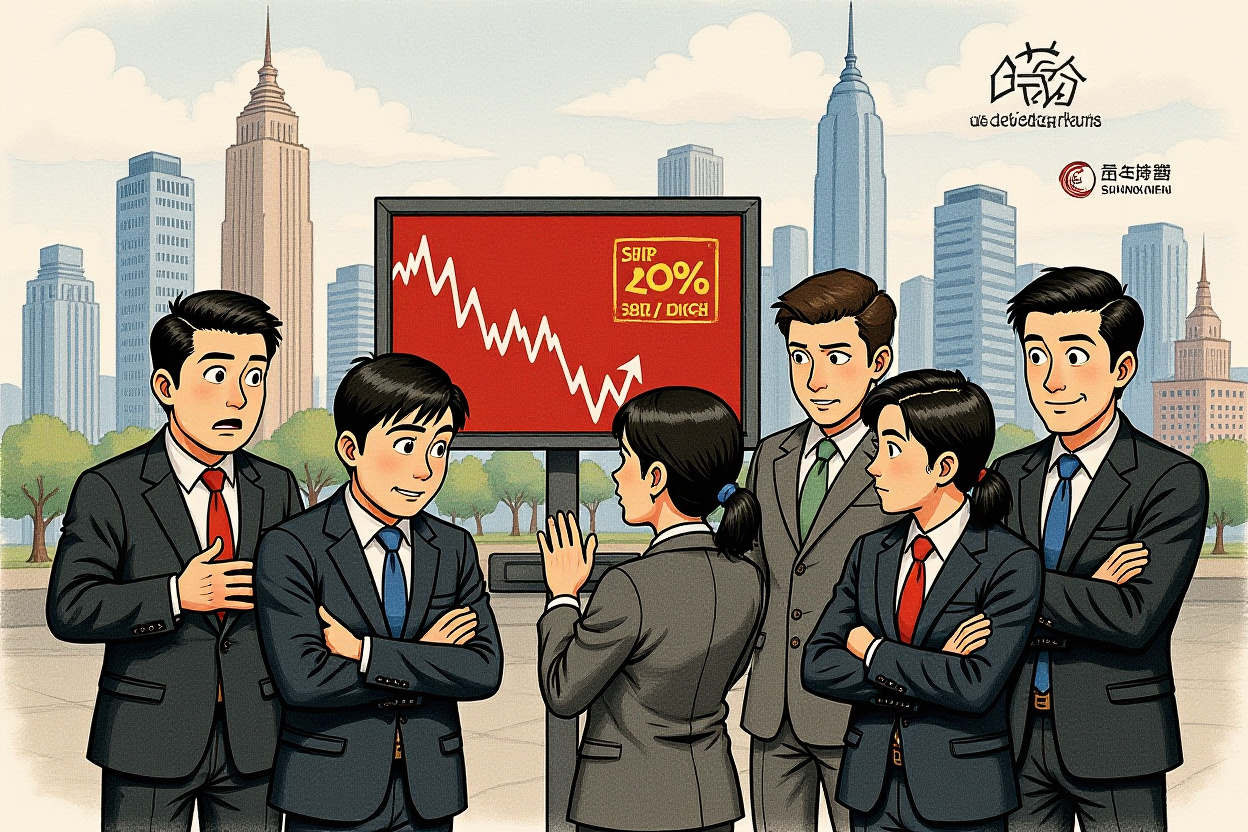
Pop Mart International Group Ltd (泡泡玛特) experienced a dramatic 20% stock price decline over five trading days, highlighting vulnerabilities in China’s consumer discretionary sector. This event underscores the importance of monitoring company-specific risks and broader market trends for international investors.
- Pop Mart’s stock plunge was triggered by weaker-than-expected earnings, rising competition, and shifting consumer preferences in China.
- Regulatory scrutiny and economic headwinds have amplified selling pressure, reflecting broader challenges in the Chinese equity markets.
- The decline presents potential entry points for long-term investors, but requires careful risk assessment amid ongoing volatility.
- Key metrics to watch include quarterly revenue growth, margin trends, and expansion into international markets.
- Expert analysts recommend diversifying exposure and staying informed on regulatory updates from bodies like the China Securities Regulatory Commission (CSRC).
Market Shockwaves from Pop Mart’s 20% Stock Plunge
The sudden 20% drop in Pop Mart’s share price over just five days has sent ripples across global financial circles, particularly among those focused on Chinese equities. This Pop Mart stock plunge represents one of the most significant single-week declines for a major consumer brand in recent memory, raising questions about the sustainability of high-growth narratives in China’s retail sector. Investors who had championed the company’s innovative blind box model and rapid expansion are now reassessing their positions amid heightened uncertainty.
Several factors converged to trigger this sharp correction, including disappointing quarterly results, analyst downgrades, and sector-wide profit-taking. The speed and magnitude of the decline suggest that market sentiment shifted rapidly, potentially exacerbated by algorithmic trading and institutional rebalancing. For context, Pop Mart’s valuation had previously outpaced many peers, making it vulnerable to any negative catalysts. This Pop Mart stock plunge serves as a stark reminder of the volatility inherent in emerging market investments, even for established players.
Immediate Triggers and Trading Patterns
The selling pressure began accumulating after Pop Mart released its Q3 financial report, which showed revenue growth slowing to 15% year-over-year, down from 25% in the previous quarter. This miss against consensus estimates of 20% growth prompted several brokerages, including Citi and Morgan Stanley, to lower their price targets. Trading volume spiked to three times the 30-day average during the decline, indicating widespread investor unease.
Key data points from the sell-off period include a 7% single-day drop on the third day, the steepest of the five sessions. Short interest in the stock increased by 18% according to exchange data, reflecting growing bearish sentiment. The Pop Mart stock plunge also correlated with broader weakness in the Hang Seng Index, which fell 3% over the same period, though Pop Mart significantly underperformed the benchmark.
Initial Market Reactions and Analyst Responses
Financial analysts were quick to dissect the Pop Mart stock plunge, with opinions divided on whether this represents a temporary setback or a fundamental deterioration. Goldman Sachs analyst Zhang Wei (张伟) noted in a research report that while the growth slowdown is concerning, Pop Mart’s core intellectual property portfolio remains valuable. He stated, The 20% decline appears exaggerated relative to the company’s long-term prospects, but investors should watch for stabilization in same-store sales metrics.
Conversely, UBS issued a more cautious assessment, highlighting increasing competition from domestic rivals like 52TOYS and international brands expanding in China. Their report suggested that Pop Mart’s premium valuation multiple of 35 times earnings was unsustainable without accelerated growth. This divergence in expert views contributed to the volatile trading environment during the Pop Mart stock plunge.
Fundamental Analysis of Pop Mart’s Business Model
Pop Mart revolutionized China’s toy retail sector through its blind box concept, creating collectible frenzy among young consumers. The company’s success has been built on creating emotional connections through character IP like Molly and Dimoo, coupled with limited edition releases that drive repeat purchases. However, the recent Pop Mart stock plunge suggests investors are questioning whether this business model can maintain its momentum amid changing market conditions.
Financial metrics reveal both strengths and vulnerabilities in Pop Mart’s operations. The company maintains healthy gross margins of approximately 60%, significantly higher than traditional toy retailers. Its direct-to-consumer channels, including 200+ physical stores and robust e-commerce presence, provide valuable customer data and brand control. Yet, the Pop Mart stock plunge indicates concerns about the sustainability of these advantages as market saturation looms in key urban centers.
Revenue Streams and Growth Drivers
Pop Mart’s revenue composition shows diversification across multiple channels, though blind boxes remain the dominant contributor at 65% of total sales. The company has been expanding into new categories including apparel, digital content, and licensed collaborations to reduce dependency on its core product. International markets now represent 15% of revenue, up from 8% two years ago, providing a potential growth cushion amid domestic challenges.
Critical growth metrics that investors should monitor include:
- Monthly active users on Pop Mart’s app, which declined 5% in the most recent quarter
- Average revenue per customer, which has plateaued at approximately ¥320
- New product launch velocity, with 12 new character series introduced in 2023 versus 18 in 2022
- International expansion pace, with 30 new overseas stores planned for 2024
These indicators help contextualize the Pop Mart stock plunge within broader operational trends rather than viewing it as an isolated event.
Cost Structure and Profitability Pressures
Pop Mart faces mounting cost pressures that may have contributed to the recent stock performance. Raw material costs for PVC and packaging have increased 12% year-over-year, squeezing manufacturing margins. Additionally, the company’s aggressive retail expansion has driven up operating expenses, with selling and marketing costs rising 22% in the last quarter alone.
The Pop Mart stock plunge reflects investor concern that these cost increases cannot be fully passed to consumers without impacting demand. The company’s operating margin declined from 25% to 19% over the past year, a trend that management attributes to strategic investments but that markets view as potentially problematic. Efficient cost management will be crucial for reversing the negative sentiment behind the Pop Mart stock plunge.
Industry Dynamics and Competitive Landscape
China’s toy and collectibles market has evolved rapidly, creating both opportunities and threats for established players like Pop Mart. The sector has grown at a compound annual rate of 8% over the past five years, attracting numerous competitors with similar business models. The Pop Mart stock plunge must be understood within this context of intensifying competition and shifting consumer preferences.
Several factors are reshaping the industry landscape, including the rise of digital collectibles through NFTs, increased licensing activity with global entertainment franchises, and the entry of tech companies leveraging their platforms for distribution. These developments create additional pressure on Pop Mart’s market position, potentially explaining some of the negative sentiment behind the Pop Mart stock plunge.
Major Competitors and Market Share Shifts
Pop Mart maintains its leadership position in China’s collectible toy market with approximately 25% share, but this represents a decline from 30% two years ago. Key competitors gaining ground include:
- 52TOYS: Focused on designer toys with 15% market share and stronger growth in lower-tier cities
- Alpha Group: Leveraging manufacturing scale to offer lower-priced alternatives
- Bearbrick: Japanese import benefiting from premium positioning and collaborations
- Local gaming companies: Tencent and NetEase expanding into physical merchandise
This competitive intensification has forced Pop Mart to increase marketing spending and discounting, impacting profitability. The Pop Mart stock plunge reflects investor concern that these competitive pressures will persist, limiting the company’s ability to return to previous growth rates.
Consumer Behavior Shifts and Demographic Trends
Understanding the Pop Mart stock plunge requires examining evolving consumer patterns in China’s post-pandemic economy. The core demographic of 18-35 year olds, who drive most collectible purchases, are becoming more price-sensitive amid economic uncertainty. Surveys indicate that 40% of previous frequent buyers have reduced their blind box purchases in the last six months, citing budget constraints and collection saturation.
Additionally, the novelty factor of blind boxes may be wearing off, with search interest for the category declining 15% year-over-year according to Baidu index data. These behavioral shifts suggest the market may be maturing faster than anticipated, creating headwinds that contributed to the Pop Mart stock plunge. The company’s challenge is to reinvigorate consumer excitement while expanding into adjacent categories with longer growth runways.
Regulatory Environment and Policy Impacts
China’s regulatory landscape for consumer goods and publicly listed companies has undergone significant changes, creating both challenges and opportunities for businesses like Pop Mart. The Pop Mart stock plunge occurred against a backdrop of increased regulatory scrutiny on several fronts, including marketing practices, data collection, and corporate governance standards.
Specific regulatory developments that may have influenced investor sentiment include draft rules from the State Administration for Market Regulation (SAMR) targeting blind box marketing, which could impose disclosure requirements and purchase limits. Additionally, broader securities regulation changes have increased reporting obligations for listed companies, potentially impacting Pop Mart’s operational flexibility.
Blind Box Regulation and Compliance Costs
The potential for stricter regulation of blind boxes has been a concern for investors since the China Consumers Association issued a warning about the gambling-like aspects of these products in 2022. While comprehensive restrictions have not yet been implemented, the Ministry of Culture and Tourism has indicated it is monitoring the sector for consumer protection issues.
Pop Mart has proactively engaged with regulators and implemented self-regulatory measures, including:
- Clear probability disclosures for blind box contents
- Purchase limits for specific high-demand items
- Enhanced age verification systems for online sales
- Participation in industry standardization discussions
Despite these efforts, regulatory uncertainty remains a overhang for the stock, potentially exacerbating the Pop Mart stock plunge as risk-averse investors reduced exposure.
Listing Requirements and Corporate Governance
As a company listed on the Hong Kong Stock Exchange, Pop Mart must comply with evolving governance standards that have tightened in recent years. The Securities and Futures Commission (SFC) has enhanced scrutiny on related-party transactions and board independence, areas where Pop Mart has faced minor criticisms in analyst reports.
The company’s corporate structure, with founder Wang Ning (王宁) maintaining significant control through dual-class shares, has also drawn attention from governance-focused investors. While not unique to Pop Mart, these governance considerations may have contributed to the stock’s vulnerability during the recent Pop Mart stock plunge, as investors reassessed governance-related risk premiums.
Investment Implications and Portfolio Strategies
The Pop Mart stock plunge presents both warnings and potential opportunities for investors with exposure to Chinese consumer equities. For portfolio managers, this event highlights the importance of position sizing, diversification, and ongoing due diligence when investing in companies with premium valuations dependent on sustained high growth.
Several strategic approaches merit consideration in response to the Pop Mart stock plunge. Value-oriented investors might view the 20% decline as an attractive entry point if they believe the company’s fundamental strengths remain intact. Growth investors, however, may prefer to wait for clearer signs of operational improvement before adding exposure.
Risk Assessment and Mitigation Approaches
Key risk factors amplified by the Pop Mart stock plunge include:
- Valuation disconnect: Pop Mart’s forward P/E of 25x remains above the sector average of 18x
- Concentration risk: Heavy reliance on domestic China market despite international expansion
- IP dependency: Success tied to maintaining popularity of core characters
- Liquidity concerns: Trading volume spikes during declines can exacerbate price movements
Investors can mitigate these risks through position limits, hedging strategies using options, and pairing Pop Mart with complementary holdings in more stable consumer staples or diversified retailers. The Pop Mart stock plunge serves as a case study in managing single-stock risk within broader China equity allocations.
Recovery Scenarios and Timelines
Analysis of similar historical events suggests three potential recovery paths following the Pop Mart stock plunge. A quick rebound would require better-than-expected holiday sales or significant positive news on international expansion. A gradual recovery over 6-12 months might occur if operational improvements materialize but sentiment remains cautious. A prolonged downturn could ensue if growth continues to decelerate or new competitive threats emerge.
Critical milestones to monitor for recovery signals include:
- Next quarterly earnings report, particularly gross margin trends
- Consumer sentiment data from major shopping festivals
- Management guidance updates during investor calls
- Market share data from third-party research firms
Historical data from the Hong Kong Exchanges and Clearing Limited shows that stocks experiencing similar declines have taken an average of 4-8 months to recover fully, though outcomes vary significantly based on company-specific factors.
Synthesizing the Pop Mart Stock Plunge for Forward-Looking Decisions
The dramatic 20% decline in Pop Mart’s shares over five days represents a convergence of company-specific challenges and broader market dynamics. While concerning, this Pop Mart stock plunge does not necessarily signal fundamental failure of the business model, but rather a market reassessment of growth expectations and risk factors. Investors should balance the company’s strong brand assets and innovation track record against the real pressures of competition, regulation, and changing consumer behavior.
Moving forward, disciplined investors will focus on concrete indicators of operational improvement rather than short-term price movements. Key metrics to track include international revenue contribution, new customer acquisition costs, and inventory turnover rates. The Pop Mart stock plunge ultimately underscores the importance of maintaining balanced exposure within Chinese equity portfolios, combining growth names with more stable value opportunities.
For active portfolio managers, this event presents an opportunity to review risk management protocols and position sizing methodologies. Consider conducting fresh due diligence on Pop Mart’s competitive advantages and engaging with management during upcoming roadshows. The Pop Mart stock plunge serves as a timely reminder that even successful growth stories face periods of market skepticism, creating potential opportunities for those with conviction and patience.