



Summary: Key Takeaways on Mini-Loan Risks
– Mini-loan platforms like Fenqile (分期乐) often charge effective annual percentage rates (APRs) nearing 36%, leading to repayment amounts nearly double the principal borrowed. – Opaque fee structures, including hidden membership,担保费 (guarantee fees), and credit assessment costs, inflate total borrowing costs beyond regulatory caps. – Despite bans on campus lending (校园贷), these platforms continue to target students and young adults through aggressive marketing and questionable data practices. – Regulatory measures, such as the 24% APR cap from the People’s Bank of China (中国人民银行) and National Financial Regulatory Administration (国家金融监管总局), face enforcement challenges amid evolving business models. – Consumers face severe consequences, including暴力催收 (violent debt collection), privacy breaches, and psychological distress, highlighting urgent needs for better oversight and financial literacy.
The Hidden Dangers of Mini-Loan Platforms in China
As digital finance proliferates, mini-loan schemes have emerged as a perilous trap for China’s youth, promising easy credit while concealing exorbitant costs. The recent case of Fenqile (分期乐), where a borrower faced repaying 26,859 yuan on a 13,674 yuan loan, underscores how these mini-loans can drain financial resources and mental well-being. With regulatory scrutiny intensifying, understanding the mechanics and risks of these platforms is crucial for investors, regulators, and consumers alike. This article explores the predatory practices, regulatory landscape, and broader market implications of mini-loan operations in China’s equity ecosystem.
The Fenqile Case: A Cautionary Tale of Mini-Loan Exploitation
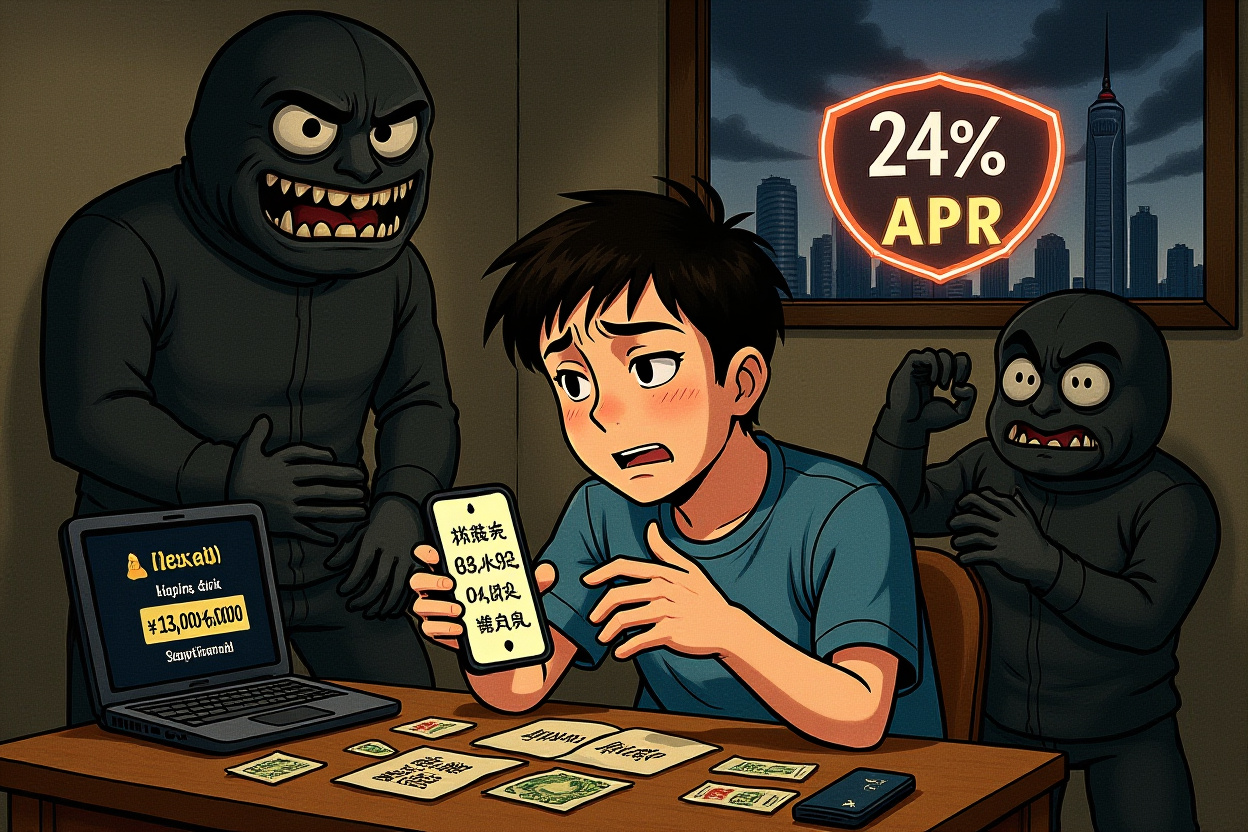
The story of Ms. Chen, a university student who borrowed from Fenqile (分期乐) between 2020 and 2021, illustrates the severe impact of mini-loans. She took five loans totaling 13,674 yuan, with APRs ranging from 32.08% to 35.90%, and repayment periods stretched up to 36 months. Promoted as low-interest and affordable with monthly payments as low as 18.23 yuan, these mini-loans quickly became unsustainable. By 2022, she defaulted, accruing over 1,000 days of逾期 (overdue) status, and faced relentless debt collection that involved harassing her family and friends, leading to depression and financial ruin.
Breaking Down the Numbers: How Debt Snowballs
Fenqile’s (分期乐) model relies on extending repayment terms to mask high costs. For instance, a 400 yuan expense split over 36 months seems manageable but accumulates significant interest. Calculations show that on a 10,300 yuan loan at a stated 6% APR, the actual repayment reached 12,425.4 yuan—over 1,700 yuan more than expected. This discrepancy stems from附加条款 (additional clauses) and hidden fees, pushing effective APRs to the regulatory ceiling of 36%. Such practices are common among mini-loan providers, turning small debts into overwhelming burdens.
Consumer Backlash and Public Scrutiny
Public outrage peaked when Fenqile (分期乐) trended on social media for cases like Ms. Chen’s, prompting wider investigation. On platforms like黑猫投诉 (Hei Mao Complaint), over 160,000 complaints accuse Fenqile of charging undisclosed fees, with users reporting综合借贷成本 (comprehensive borrowing costs) at 36% APR. One user lamented on February 12, 2024, that the platform refused to disclose the actual lender, hindering regulatory recourse. These incidents reveal how mini-loan schemes exploit information asymmetry, leaving borrowers trapped.
Deconstructing the Mini-Loan Business Model: Fees and Profitability
Mini-loan platforms often advertise enticing terms, such as low APRs and high borrowing limits, to attract young, credit-constrained consumers. Fenqile (分期乐), for example, promotes loans up to 200,000 yuan with APRs as low as 8%, but the reality involves layered costs that escalate total repayments. This business model thrives on prolonging debt and adding ancillary charges, ensuring profitability even within regulatory constraints.
Opaque Fee Structures and Hidden Costs
– Membership Fees: Platforms like Fenqile (分期乐) may charge monthly or annual membership fees under vague labels like信用评估费 (credit assessment fees), which are not clearly disclosed during sign-up. – Guarantee Fees: Borrowers report being charged担保费 (guarantee fees) without prior consent, as seen in cases from Sichuan province where 1,102.14 yuan was deducted for a 49,880 yuan loan. – Service Charges: Additional costs for payment processing or account maintenance can inflate APRs, often buried in lengthy electronic agreements. These practices violate transparency norms set by regulators like the National Financial Regulatory Administration (国家金融监管总局), which mandate clear disclosure of all fees. The中国消费者 (China Consumer) association has documented multiple complaints, highlighting how mini-loan providers manipulate terms to maximize revenue.
Pushing Regulatory Limits to Maximize Returns
Despite a 2025 directive capping APRs at 24% for new loans, mini-loan platforms find ways to circumvent rules. By structuring loans with extended tenures or bundling fees, they maintain effective rates near 36%. For investors, this represents a high-risk, high-reward segment in China’s fintech equity markets, but it also invites regulatory backlash that could impact valuations. Lexin Group (乐信集团), Fenqile’s (分期乐) parent company listed on Nasdaq, has faced volatility amid such controversies, underscoring the need for due diligence.
Regulatory Framework and Enforcement Gaps
China’s regulatory environment for mini-loans has tightened in recent years, yet enforcement remains inconsistent. The People’s Bank of China (中国人民银行) and National Financial Regulatory Administration (国家金融监管总局) jointly issued the小额贷款公司综合融资成本管理工作指引 (Small Loan Company Comprehensive Financing Cost Management Guidelines) in December 2025, aiming to curb excessive interest rates. However, implementation challenges allow mini-loan schemes to persist.
The 24% APR Cap and Its Implications
The guideline mandates that by 2027, all new loans should have APRs within four times the one-year贷款市场报价利率 (Loan Prime Rate, LPR), effectively targeting rates below 24%. For 2026, authorities require immediate correction for loans exceeding 24%, including suspension of new lending and征信 (credit reporting) implications. This move aims to protect consumers, but mini-loan platforms adapt by revising fee structures or targeting less scrutinized segments.
Compliance Shortfalls and Market Realities
– Local Oversight: Regulatory enforcement varies by region, with some local金融管理机构 (financial management agencies) lacking resources to monitor platforms like Fenqile (分期乐) effectively. – Digital Complexity: The online nature of mini-loans makes tracking and auditing difficult, enabling providers to obscure true costs through technical means. – Consumer Awareness: Many borrowers, especially youth, lack financial literacy to identify predatory terms, exacerbating exploitation. These gaps highlight why mini-loan schemes continue to thrive, necessitating stronger coordination between central and local regulators. For international investors, this signals potential regulatory risks in Chinese fintech equities, as seen in past crackdowns on peer-to-peer lending.
The Lingering Shadow of Campus Lending and Ethical Concerns
Mini-loan platforms have historical ties to campus lending (校园贷), a practice banned in 2016 due to abuses targeting students. Fenqile (分期乐), founded by Xiao Wenjie (肖文杰) in 2013, initially grew by offering loans to university students, and evidence suggests this targeting persists despite regulatory prohibitions.
Ongoing Violations and Consumer Harm
On complaint platforms, over 922 reports cite campus lending by Fenqile (分期乐), including incidents of promoters setting up booths on university grounds. Students report borrowing for消费 (consumption) needs, only to face aggressive collection tactics later. This not only violates regulations but also harms financial inclusion efforts, as young borrowers are saddled with debt early in life.
Data Privacy and Aggressive Collection Practices
– Extensive Data Harvesting: Platforms like Fenqile (分期乐) collect sensitive information, including身份证号码 (ID numbers),银行卡信息 (bank card details), and人脸信息 (facial recognition data), often sharing it with third parties like增信机构 (credit enhancement agencies) without clear consent. -暴力催收 (Violent Debt Collection): Borrowers describe harassment through phone calls, messages to family and employers, and even public shaming, leading to mental health issues. These practices, documented by经济参考报 (Economic Reference Report), reveal how mini-loan schemes exploit personal data and use unethical means to enforce repayment, raising red flags for investors focused on ESG (Environmental, Social, and Governance) criteria.
Navigating the Future: Risks and Recommendations for Stakeholders
The proliferation of mini-loan schemes poses significant risks to China’s financial stability and consumer welfare. For borrowers, regulators, and investors, proactive measures are essential to mitigate these dangers and foster a healthier credit environment.
For Borrowers: How to Protect Against Mini-Loan Traps
– Read Agreements Carefully: Scrutinize loan contracts for hidden fees and calculate the effective APR using online tools or咨询 (consulting) financial advisors. – Report Violations: Use channels like黑猫投诉 (Hei Mao Complaint) or local金融监管局 (financial regulatory bureaus) to file complaints against predatory lenders. – Build Financial Literacy: Educate yourself on responsible borrowing through resources from the People’s Bank of China (中国人民银行) or consumer protection groups. These steps can help young consumers avoid the pitfalls of mini-loans, reducing personal debt burdens.
For Regulators and Investors: Strengthening Oversight and Due Diligence
– Enhance Enforcement: Regulators should increase audits of mini-loan platforms, penalize non-compliance harshly, and streamline reporting mechanisms for consumers. – Promote Transparency: Mandate standardized disclosure of all costs in loan agreements, similar to global practices like the Truth in Lending Act. – Investor Caution: When evaluating Chinese fintech equities, assess regulatory exposure and ethical practices, as seen in Lexin Group’s (乐信集团) stock fluctuations amid mini-loan scandals. By addressing these areas, stakeholders can curb the excesses of mini-loan schemes and align with China’s broader goals of sustainable financial development.
Safeguarding China’s Financial Future from Predatory Lending
The mini-loan phenomenon in China serves as a stark reminder of the risks in rapidly evolving digital finance markets. While these schemes offer short-term liquidity, they often lead to long-term financial distress for vulnerable youth, undermining economic resilience. Regulatory efforts, such as the 24% APR cap, are steps in the right direction, but consistent enforcement and consumer education are critical to dismantling predatory practices. For investors, this highlights the importance of ethical scrutiny in fintech investments, as companies reliant on exploitative models face growing legal and reputational risks. Moving forward, collaboration between regulators, industry players, and consumers can foster a more transparent and equitable lending landscape. Take action today: stay informed on regulatory updates, advocate for stronger consumer protections, and conduct thorough due diligence before engaging with mini-loan platforms or their associated equities.