



Executive Summary: Key Takeaways on Mini-Loan Risks
– Mini-loan platforms, such as Fenqile (分期乐), often disguise effective annualized interest rates up to 36% through hidden fees and extended repayment terms, leading to debt that can double the original borrowing amount.
– Regulatory guidelines from the People’s Bank of China (中国人民银行) and National Financial Regulatory Administration (国家金融监督管理总局) cap comprehensive financing costs at 24%, but enforcement remains inconsistent, allowing predatory practices to persist in China’s fintech landscape.
– The business model has roots in controversial campus lending, with ongoing reports of targeting students and employing aggressive collection tactics, raising significant ethical and compliance concerns for investors and policymakers.
– Consumers are urged to exercise extreme caution, seek transparent credit options, and enhance financial literacy to avoid falling into debt traps exacerbated by these mini-loans.
– For international investors and fund managers, these issues highlight material risks in Chinese equity markets, necessitating thorough due diligence on regulatory adherence and consumer protection measures within the fintech sector.
The Hidden Cost Crisis in China’s Mini-Loan Industry
As seasonal financial pressures mount around holidays like the Lunar New Year, many young Chinese consumers turn to mini-loans for quick cash to cover gifts, travel, and celebrations. Platforms like Fenqile (分期乐) advertise enticing offers with “low interest rates” and high credit limits, but the reality is a financial quagmire. The case of Ms. Chen (陈女士), who borrowed 13,674 yuan only to owe 26,859 yuan after six years, underscores the hidden dangers of these mini-loans. With annualized rates nearing 36%, these products are systematically draining young people’s finances and mental health, raising alarms about the sustainability of such business models. This article delves into the opaque cost structures, regulatory gaps, and the lingering legacy of campus lending that define China’s mini-loan industry, offering critical insights for consumers, investors, and regulators navigating this volatile segment.
Case Study: Ms. Chen’s 13,674 Yuan Debt Balloons to 26,859 Yuan
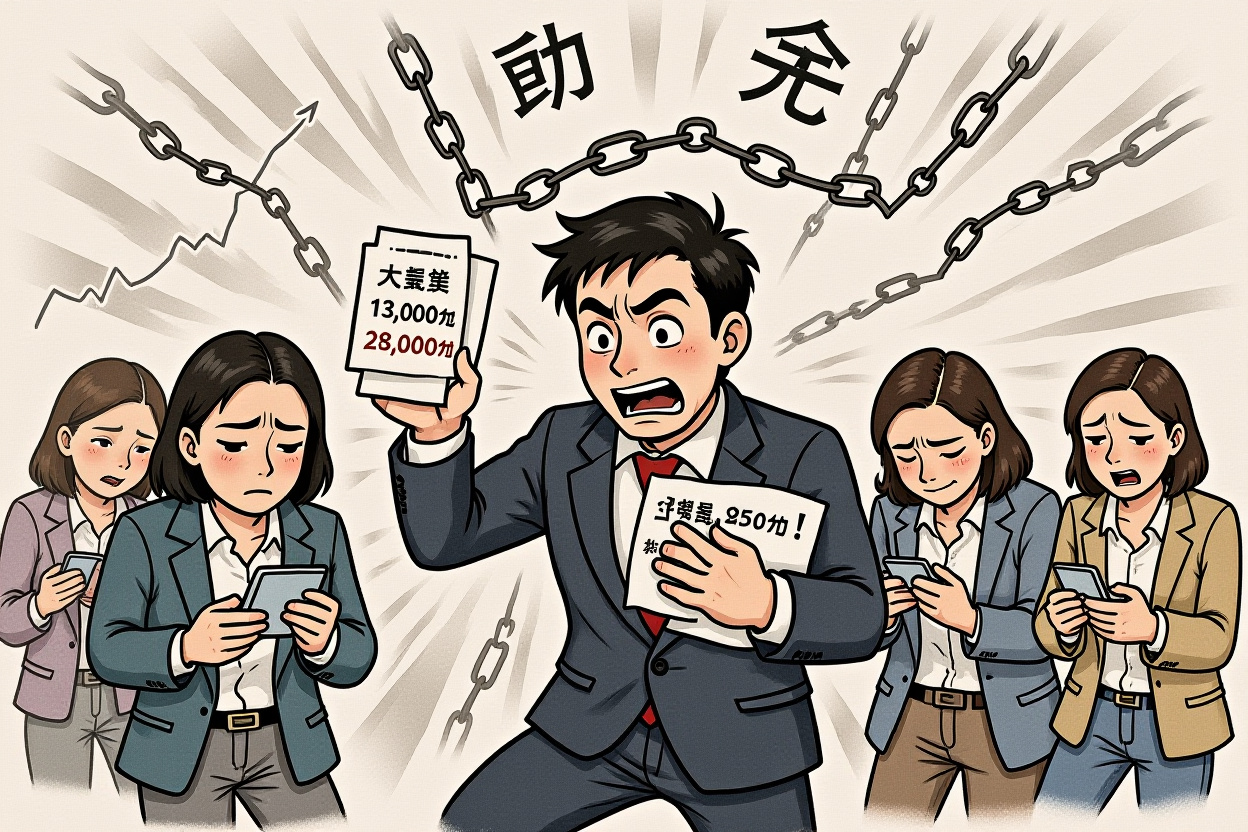
Ms. Chen (陈女士), a university student at the time, fell into the mini-loan trap through Fenqile (分期乐) due to超前消费 (premature consumption). Between 2020 and 2021, she took out five loans totaling 13,674 yuan, including one for as little as 400 yuan stretched over 36 periods. The sales representative promoted “low interest” and “minimum monthly payments of just 18.23 yuan,” but the actual annualized rates ranged from 32.08% to 35.90%. By 2022, unable to repay, she defaulted, and over 1,000 days of delinquency later, her debt had nearly doubled to 26,859 yuan. Aggressive debt collectors exposed her financial woes to family and friends, exacerbating depression and highlighting the human toll of these mini-loans. This case exemplifies how seemingly small, manageable loans can escalate into overwhelming burdens through compounded interest and opaque terms.
Regulatory Red Lines and Evasion Tactics
The Debt Snowball Effect: How Mini-Loans Trap BorrowersThe allure of mini-loans lies in their low monthly payments and extended terms, but this structure creates a snowball effect where debt accumulates rapidly. By stretching repayments to 24 or 36 periods, platforms minimize immediate burden while maximizing interest over time, effectively doubling or tripling the principal. For example, a 400 yuan loan over 36 periods at 35% annualized interest results in total payments far exceeding the borrowed amount, trapping users in a cycle of refinancing and delinquency. This mechanism is central to the business model of mini-loans, designed to capitalize on financial illiteracy and urgent cash needs among young consumers.
Consumer Backlash and Legal Recourse
Complaints on platforms like Black Cat Complaint (黑猫投诉) reveal widespread frustration. Users report being charged for services never rendered, such as guarantee fees hidden in lengthy electronic agreements. In one case from Zhejiang, Mr. Meng (孟某) borrowed 10,300 yuan at a stated 6% annual rate but ended up paying 12,425.4 yuan due to undisclosed costs, as reported by China Consumer (中国消费者). Similarly, in Sichuan, Mr. Sha (沙某) was charged 1,102.14 yuan in担保费 (guarantee fees) without clear disclosure. These examples highlight a pattern of non-transparency, where platforms fail to prominently disclose additional fees, violating consumer protection norms. Legal experts note that such practices may contravene China’s consumer rights laws, but enforcement is often sluggish, leaving borrowers with limited recourse as mini-loans continue to proliferate.
The Lingering Shadow of Campus Loans
Fenqile (分期乐) and its parent company, Lexin Group (乐信集团), have a controversial history rooted in校园贷 (campus lending). Founded in 2013 by Xiao Wenjie (肖文杰), Lexin Group (乐信集团) rapidly expanded by targeting university students with easy credit, accumulating a trillion-yuan scale before regulatory crackdowns in 2016 forced a rebranding. Despite transitioning to a “fintech” label and a Nasdaq listing in 2017, mini-loans from Fenqile (分期乐) still face allegations of targeting students. On Black Cat Complaint (黑猫投诉), over 922 complaints reference “campus loans,” with reports of promoters setting up booths on university grounds to lure young borrowers. This persistence suggests that the mini-loan model remains intertwined with predatory lending to vulnerable demographics, raising ethical questions about its evolution.
Current Targeting and Ethical Concerns
Regulatory Framework and Enforcement ChallengesChina’s regulatory bodies are intensifying scrutiny, but gaps persist. The 2025 guidelines from the People’s Bank of China (中国人民银行) and National Financial Regulatory Administration (国家金融监督管理总局) represent a step toward curbing excessive costs, yet real-world implementation lags. Local financial authorities are tasked with monitoring compliance, but resource constraints and the decentralized nature of online lending complicate oversight. Mini-loan platforms adapt by introducing new fee categories or partnering with持牌机构 (licensed institutions) to obscure true costs, as seen with Fenqile (分期乐)’s collaborations with banks like Shanghai Bank (上海银行). This cat-and-mouse dynamic highlights the need for more robust enforcement mechanisms to protect consumers from these deceptive mini-loans.
Enforcement Hurdles and Market Adaptations
Broader Implications for China’s Fintech SectorThe mini-loan controversy has ripple effects across China’s financial technology landscape. For institutional investors and fund managers, platforms like Fenqile (分期乐) and Lexin Group (乐信集团) pose significant compliance risks that could impact valuations in Chinese equity markets. As regulatory pressures mount, companies failing to align with cost caps may face reputational damage, legal liabilities, and reduced investor confidence. Moreover, this scrutiny underscores a broader trend toward consumer protection in China’s fintech boom, where innovation must balance with ethical standards to ensure sustainable growth.
Investor Risks and Market Volatility
Consumer Protection and Financial Literacy InitiativesSynthesizing the Mini-Loan Dilemma: Paths ForwardIn summary, mini-loans in China represent a double-edged sword: they provide accessible credit but often at exorbitant hidden costs that drain young consumers’ finances and well-being. Cases like Ms. Chen (陈女士)’s underscore the urgent need for stricter enforcement of existing regulations, enhanced transparency in fee disclosures, and ethical reforms in lending practices. As regulators push toward the 2027 deadline for cost reductions, platforms must innovate responsibly or face heightened scrutiny. For investors, this environment demands vigilant assessment of compliance risks in fintech portfolios. Ultimately, the future of China’s mini-loan sector hinges on balancing financial inclusion with consumer protection—a call to action for all stakeholders to foster a fairer, more sustainable credit ecosystem that doesn’t exploit the vulnerable.