



Executive Summary
This article delves into the concerning rise of mini loans in China, focusing on platforms like Fenqile (分期乐) that offer small, accessible loans but trap borrowers with exorbitant costs. Key takeaways include:
– Mini loans, often marketed as low-interest and affordable, can have hidden fees and annualized rates逼近36%, leading borrowers like Ms. Chen to repay nearly double their principal.
– Regulatory bodies like the People’s Bank of China (中国人民银行) and National Financial Regulatory Administration (国家金融监督管理总局) have introduced guidelines capping comprehensive financing costs at 24%, but enforcement remains inconsistent.
– Fenqile’s parent company, Lexin Fintech Holdings Ltd. (乐信集团), has historical ties to controversial campus lending practices, and current operations face numerous complaints about opaque pricing and aggressive debt collection.
– The proliferation of mini loans poses significant risks to financial health and mental well-being of young consumers, highlighting urgent needs for better transparency and consumer protection.
– Investors in China’s fintech sector must scrutinize business models reliant on high-interest mini loans, as regulatory scrutiny intensifies and societal backlash grows.
The Alarming Reality of Mini Loans in Modern China
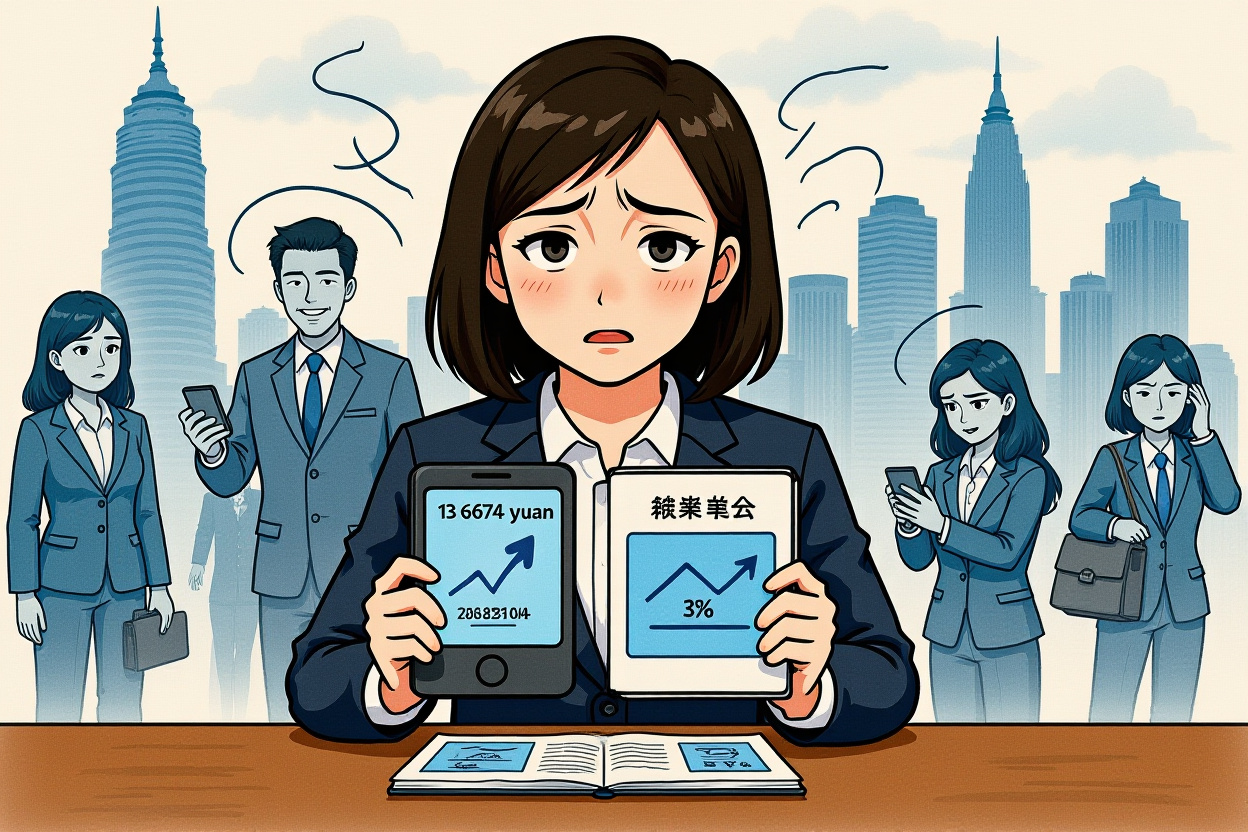
As Chinese consumers, particularly young adults, navigate financial pressures from holidays like Lunar New Year or daily expenses, mini loans have emerged as a seemingly convenient solution. Platforms promise quick cash with minimal fuss, but beneath the surface lies a web of high costs and predatory practices. The case of Ms. Chen, who borrowed 13,674 yuan only to owe 26,859 yuan—nearly double the principal—spotlights how these mini loans are systematically draining youth finances. This article explores the mechanics, regulatory landscape, and broader implications of mini loans, offering critical insights for borrowers, regulators, and investors alike. The focus on mini loans reveals a troubling trend in China’s consumer credit market, where accessibility masks affordability crises.
The Illusion of Affordability: How Mini Loans Trap Borrowers
Mini loans are designed to appear manageable, with low monthly payments spread over extended periods, but this structure often conceals astronomical interest rates and附加 fees. Borrowers are lured by promises of "low interest" and "flexible terms," only to find themselves in debt spirals that are difficult to escape.
Case Study: Ms. Chen’s Debt Spiral with Fenqile
Ms. Chen’s experience epitomizes the mini loan trap. While a university student, she took out five loans from Fenqile (分期乐) between 2020 and 2021, totaling 13,674 yuan for expenses as small as 400 yuan, which she stretched over 36 months. The annualized interest rates ranged from 32.08% to 35.90%, far exceeding regulatory thresholds. Despite initial assurances of low costs, she stopped repayments in August 2022 after accruing over 1,000 days of逾期, leading to relentless debt collection that impacted her mental health and personal relationships. Her story underscores how mini loans exploit financial vulnerability, transforming small debts into overwhelming burdens.
The Mechanics of High-Interest Mini Loans
Fenqile and similar platforms operate by:
– Offering loans with seemingly attractive rates, such as "年利率低至8%" (annual interest rate as low as 8%), but layering on additional charges like会员费 (membership fees), 担保费 (guarantee fees), and信用评估费 (credit assessment fees).
– Extending repayment periods to 36 months or more, which reduces monthly payments but accumulates interest over time, effectively doubling or tripling the total repayment amount.
– Hiding critical terms in lengthy electronic agreements, making it difficult for borrowers to understand the true comprehensive financing cost, which often approaches the 36% legal上限.
Data from consumer complaints illustrates this pattern. On the Hei Mao投诉平台 (Black Cat Complaint Platform), over 160,000 grievances target Fenqile, with users reporting opaque fee structures. For instance, one borrower in February 2025 noted a综合年化利率 (comprehensive annualized rate) of 36%, while another in January 2025 highlighted hidden信用评估费用 that inflated costs. These practices show how mini loans rely on complexity to mask high expenses, eroding trust in fintech solutions.
Regulatory Crackdown on Excessive Lending Costs
Chinese authorities have stepped up efforts to curb predatory lending, but gaps in enforcement allow mini loan providers to continue operating at the边缘 of legality. The regulatory framework aims to protect consumers, yet implementation challenges persist, enabling platforms to navigate around rules.
New Guidelines from PBOC and NFRA
In December 2025, the People’s Bank of China (中国人民银行) and National Financial Regulatory Administration (国家金融监督管理总局) jointly issued the "小额贷款公司综合融资成本管理工作指引" (Guidelines for the Management of Comprehensive Financing Costs of Small Loan Companies). Key provisions include:
– Prohibiting new loans with comprehensive financing costs exceeding 24% annualized, with a phased reduction to within four times the one-year Loan Prime Rate (LPR) by end-2027.
– Mandating that local financial管理机构 (management agencies) correct violations, halt new lending, and incorporate oversight into dynamic credit reporting systems starting in 2026.
These rules target the core issue of mini loans: excessive costs that burden borrowers. However, as seen in Ms. Chen’s case, loans issued prior to the guidelines remain problematic, and some platforms may exploit loopholes, such as reclassifying fees to avoid caps. The regulatory push reflects growing concern over the societal impact of mini loans, but real-world compliance is uneven.
Enforcement Challenges and Loopholes
Despite regulations, mini loan providers like Fenqile adapt by:
– Using complex fee structures that obscure the true cost, making it hard for regulators to pinpoint violations. For example, fees labeled as "services" or "assessments" may not be fully captured in interest rate calculations.
– Leveraging partnerships with licensed institutions, such as上海银行 (Bank of Shanghai), to lend legitimacy, while passing on high costs through第三方 arrangements.
– Focusing on digital channels that evade localized scrutiny, especially in regions with weaker oversight, allowing the mini loan model to thrive even under tighter rules.
Reports from媒体 outlets like《经济参考报》 (Economic Reference News) highlight ongoing issues, such as data privacy breaches linked to mini loans, where platforms collect extensive personal information without clear consent. This regulatory gray area underscores the need for more robust monitoring and consumer education to combat the mini loan epidemic effectively.
Fenqile’s Business Model: From Campus Lending to Fintech Giant
Fenqile’s evolution from a campus-focused lender to a纳斯达克 (Nasdaq)-listed fintech company illustrates the controversial roots of many mini loan providers. Its growth has been fueled by targeting young, financially inexperienced consumers, raising questions about ethical practices in the pursuit of scale.
Historical Ties to Controversial Campus Loans
Fenqile was founded in 2013 by Xiao Wenjie (肖文杰) as part of Lexin Fintech Holdings Ltd. (乐信集团), initially gaining traction by offering分期购物 (installment shopping) to university students. During the mid-2010s, it capitalized on the "校园贷" (campus loan) trend, which regulators later cracked down on due to abuses like high interest and aggressive collection. Despite rebranding as a fintech innovator after its 2017 IPO, Fenqile retains associations with this era. Complaints on platforms like Hei Mao include over 922 entries related to "校园贷," with users alleging that推广人员 (promotion personnel) still target students on campuses, indicating that the mini loan business hasn’t fully shed its predatory past.
Current Practices and Consumer Complaints
Today, Fenqile operates through吉安市分期乐网络小额贷款有限公司 (Ji’an Fenqile Network Small Loan Company Limited), its licensed entity in Jiangxi. However, consumer grievances persist:
– Violence催收 (debt collection): Over 20,000 complaints detail harassment, including threats to family members and colleagues, violating privacy and causing psychological distress.
– Data misuse: The platform’s隐私政策 (privacy policy) allows sharing of sensitive information with third parties like增信机构 (credit enhancement agencies) and资金清算银行 (fund settlement banks), often without explicit user awareness.
– Misleading marketing: Advertisements promote "最高可借20万元" (up to 200,000 yuan available) and "低利息" (low interest), but实际综合成本 (actual comprehensive costs) frequently near 36%, as documented in cases from《中国消费者》 (China Consumer Journal).
These practices reveal how mini loans, under the guise of financial technology, perpetuate cycles of debt. For investors, this raises red flags about sustainability, as regulatory risks and reputational damage could impact Lexin’s stock performance and the broader mini loan sector.
The Broader Impact on China’s Youth and Financial Health
The proliferation of mini loans extends beyond individual cases, affecting demographic trends and economic stability. Young borrowers, often students or early-career professionals, face long-term consequences that undermine financial literacy and societal well-being.
Psychological and Social Consequences
Mini loans contribute to:
– Mental health issues: Borrowers like Ms. Chen report depression and anxiety due to relentless debt collection and social stigma, as催收人 (collectors) expose debts to亲友圈 (social circles).
– Financial exclusion: High debt burdens can limit access to traditional credit, forcing reliance on more expensive alternatives and hindering wealth accumulation.
– Erosion of trust: Opaque practices damage confidence in digital financial services, potentially slowing innovation in China’s fintech ecosystem.
Studies and media reports, such as those from《南方日报》 (Southern Daily), link mini loans to rising personal bankruptcy rates among youth, highlighting a crisis that demands urgent attention. The mini loan phenomenon thus represents a systemic risk, not just an isolated consumer issue.
Implications for China’s Consumer Credit Market
From a market perspective, mini loans reflect broader tensions:
– Growth vs. ethics: The drive for user acquisition in competitive fintech markets incentivizes risky lending, but sustainable models must prioritize responsible finance.
– Regulatory evolution: As authorities tighten rules, providers may shift to new products or regions, requiring adaptive oversight to prevent mini loans from morphing into other exploitative forms.
– Investor sentiment: Institutional investors and fund managers must assess exposure to companies reliant on mini loan revenue, considering potential regulatory fines and consumer backlash.
Data from the中国人民银行 (PBOC) shows that consumer debt in China has surged, with mini loans contributing to household leverage. This trend necessitates balanced policies that promote access without enabling abuse, ensuring that mini loans serve as tools for empowerment, not exploitation.
Navigating the Mini Loan Landscape: Advice for Borrowers and Investors
To mitigate risks associated with mini loans, stakeholders can adopt proactive strategies. Borrowers need clarity on true costs, while investors require due diligence on business practices in this volatile segment.
How to Identify Predatory Mini Loan Practices
Consumers should:
– Scrutinize the综合年化成本 (comprehensive annualized cost), not just the advertised interest rate, by asking for full fee breakdowns before agreeing to any mini loan.
– Avoid loans with repayment periods exceeding 24 months, as longer terms often mask high interest through lower monthly payments.
– Report violations to local金融监管机构 (financial regulatory agencies) or platforms like Hei Mao投诉平台 if they encounter hidden charges or aggressive collection tactics.
– Seek alternatives, such as credit unions or regulated banks, which may offer more transparent products, even if access is initially harder.
Educational resources from organizations like the中国银行业协会 (China Banking Association) can help build financial literacy, reducing vulnerability to mini loan traps. By empowering consumers, the cycle of debt can be broken.
Investment Considerations in the Fintech Sector
For institutional investors and corporate executives:
– Evaluate company compliance with regulations like the "小额贷款公司综合融资成本管理工作指引," focusing on firms that proactively cap costs below 24% and disclose fee structures clearly.
– Monitor consumer complaint trends and regulatory actions, as these can signal impending risks for mini loan providers, affecting stock valuations and bond yields.
– Diversify portfolios away from overreliance on high-interest mini loan revenue, considering sectors with more sustainable growth models, such as payment processing or blockchain technology.
– Engage with management on ESG (Environmental, Social, and Governance) criteria, pushing for ethical lending practices that align with long-term value creation in China’s equity markets.
Resources like the深圳证券交易所 (Shenzhen Stock Exchange) sustainability reports offer insights into company practices, aiding informed decisions. The mini loan sector’s future hinges on balancing profitability with social responsibility, a key factor for global investment strategies.
Key Takeaways and Forward-Looking Guidance
The mini loan crisis in China underscores a critical junction in financial innovation, where technology must serve consumers, not exploit them. Cases like Ms. Chen’s reveal how borrowing 13,000 yuan can balloon to 26,000 yuan through hidden fees and high rates, draining young people’s resources and mental health. Regulatory efforts are underway, but enforcement gaps allow providers like Fenqile to continue problematic practices, rooted in a history of campus lending. For borrowers, vigilance and education are essential to avoid traps; for investors, careful scrutiny of business models is crucial amid tightening rules. As China’s consumer credit market evolves, stakeholders must collaborate to foster transparency and accountability. The call to action is clear: regulators should strengthen oversight, companies must prioritize ethics, and consumers need to advocate for their rights. By addressing the mini loan challenge head-on, China can build a more resilient financial system that supports, rather than undermines, its youth and economic future.