



Executive Summary
– Weight loss surgeries in China, such as gastric sleeve and gastric bypass procedures, allow patients to lose 20-30 pounds within a month with minimal downtime, often returning to work in just three days.
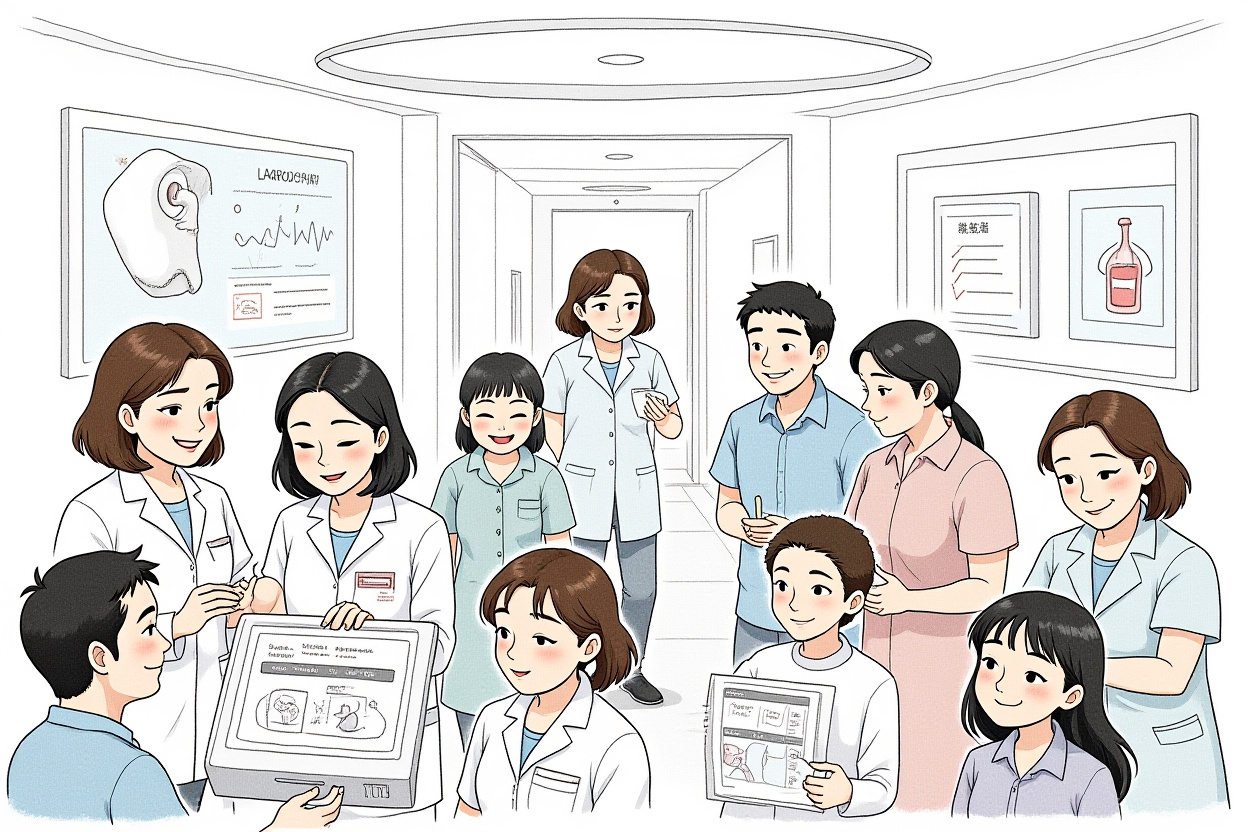
– Multidisciplinary weight loss clinics at leading hospitals like Peking University International Hospital integrate surgery, nutrition, endocrinology, and other specialties to provide comprehensive, personalized weight management plans.
– Obesity rates in China are soaring, with over 56.9% of adults overweight or obese in 2023, fueling demand for effective treatments and driving policy initiatives like the national ‘Weight Management Year’.
– Patient success stories highlight not only significant weight loss but also resolution of comorbidities such as sleep apnea and hypertension, underscoring the holistic benefits of these clinics.
– With rebound rates dropping to 5-10% due to surgical advancements and costs partially covered by insurance, bariatric surgery is becoming an accessible option for many seeking sustainable weight loss.
A New Frontier in Weight Management
In China’s rapidly evolving healthcare sector, weight loss clinics are emerging as critical hubs for addressing the nation’s growing obesity epidemic. These specialized centers offer cutting-edge solutions that promise not just rapid weight reduction but also a swift return to normal life, revolutionizing how obesity is treated. At Peking University International Hospital’s weight loss clinic, patients are achieving remarkable outcomes, such as losing 30 pounds in a matter of weeks with procedures that involve minimal pain and downtime. This first-hand exploration delves into the operations of these clinics, revealing the surgical innovations, patient journeys, and integrated care models that are making weight management more effective and accessible. The focus on multidisciplinary approaches ensures that individuals receive tailored support, from initial consultation to long-term follow-up, highlighting why these weight loss clinics are gaining traction among both patients and healthcare providers.
The Rise of Specialized Weight Loss Clinics in China
Meeting Surging Demand for Obesity Treatment
The demand for weight loss interventions in China has skyrocketed, driven by rising obesity rates and increased health awareness. Dr. Zhang Nengwei (张能维), Director of the Weight Health Management Center at Peking University International Hospital, notes that patient volumes have grown significantly, with over 20 consultations per clinic session and up to 6-8 bariatric surgeries performed daily. This surge reflects a broader trend where individuals are seeking medical solutions beyond traditional diet and exercise, often motivated by obesity-related health issues like hypertension and sleep apnea. The establishment of dedicated weight loss clinics addresses this need by providing structured, evidence-based care that combines surgical and non-surgical options.
Multidisciplinary Models for Comprehensive Care
Modern weight loss clinics in China often adopt a multidisciplinary approach, integrating resources from various departments to offer holistic treatment. At Peking University International Hospital, the International Weight Health Management Center brings together endocrinology, nutrition, digestive medicine, and other specialties under one roof. This model allows for seamless coordination, enabling clinicians to develop personalized weight management plans that address both the physical and metabolic aspects of obesity. For instance, patients might undergo surgery while simultaneously receiving nutritional guidance and endocrine monitoring, ensuring a balanced path to weight loss. Such integrated setups are becoming more common, as highlighted by data from IQVIA, which reports that 42% of top-tier hospitals in Beijing, Shanghai, and Guangzhou have established obesity centers or clinics.
Inside the Operating Room: Bariatric Surgery Explained
Common Procedures: Gastric Sleeve and Gastric Bypass
Bariatric surgery, the cornerstone of many weight loss clinic offerings, primarily involves two techniques: gastric sleeve resection and gastric bypass surgery. Dr. Zhang Nengwei (张能维) explains that these procedures work by reducing stomach capacity or shortening the small intestine’s effective length, which decreases the secretion of ghrelin (the hunger hormone) and limits food intake.
– Gastric Sleeve Resection: This is the more frequently performed surgery, where a portion of the stomach is removed to create a smaller, sleeve-shaped pouch. It restricts food consumption without affecting nutrient absorption, making it suitable for most patients without severe comorbidities.
– Gastric Bypass Surgery: In this procedure, the stomach is divided and connected directly to the small intestine, bypassing a section. It not only reduces food intake but also alters absorption, often recommended for patients with additional metabolic disorders like type 2 diabetes.
Both surgeries are performed laparoscopically, using minimally invasive techniques that result in smaller incisions, less pain, and faster recovery times.
Eligibility Criteria and Patient Demographics
Not everyone is a candidate for bariatric surgery; strict guidelines ensure it’s reserved for those who need it most. According to Dr. Zhang Nengwei (张能维), eligibility is based on Body Mass Index (BMI): patients with simple obesity require a BMI of 32.5 or higher, while those with metabolic syndromes need a BMI of 27.5 or above. Data from the ‘Greater China Bariatric and Metabolic Surgery Database 2024 Annual Report’ published in the Chinese Journal of Practical Surgery (中国实用外科杂志) reveals that the median BMI for surgery patients is 38.6, with a median age of 32 years, indicating a focus on young to middle-aged adults. Women comprise 70.5% of cases, though male participation is increasing. This demographic trend underscores the appeal of weight loss clinics among younger populations seeking rapid, life-changing results.
Patient Journeys: From Surgery to Swift Recovery
Rapid Weight Loss and Minimal Downtime
The transformative impact of bariatric surgery is vividly illustrated by patient stories. Take Yang Wen (a pseudonym), a tech employee who underwent surgery at Peking University International Hospital’s weight loss clinic. Starting at 220 pounds, he lost 30 pounds in just 17 days post-operation, attributing his success to strict adherence to medical advice, including hydration, protein supplements, and medication. More impressively, Dr. Zhang Nengwei (张能维) emphasizes that most patients experience minimal discomfort, with many discharged within a day and returning to light work in three days. This quick recovery is facilitated by laparoscopic methods that avoid major internal pain, making the process less daunting for individuals balancing health goals with professional responsibilities.
Long-Term Success and Cost Considerations
Beyond initial weight loss, maintaining results is crucial. Dr. Zhang Nengwei (张能维) notes that rebound rates have dropped dramatically from around 50% two decades ago to just 5-10% today, thanks to refined surgical techniques and ongoing support. Patients typically lose 15-30 pounds in the first month, with those needing to shed up to 100 pounds often reaching their target weight within six months. Financially, bariatric surgery is becoming more accessible; in Beijing, the overall treatment cost averages 50,000-60,000 yuan, but with医保 (medical insurance) coverage, out-of-pocket expenses can be as low as 10,000 yuan. This affordability, combined with the comprehensive follow-up care provided by weight loss clinics—including nutritional counseling and metabolic monitoring—enhances the sustainability of outcomes.
Beyond Surgery: Holistic Weight Management Approaches
The Role of Endocrinology in Obesity Care
Personalized Nutrition and Body Composition AnalysisNutrition is a cornerstone of any effective weight loss strategy. At the nutrition department within these clinics, tools like body composition analyzers provide detailed insights into fat percentage, muscle mass, visceral fat levels, and basal metabolic rate. Dr. Zhang Yuehong (张月红), Director of the Nutrition Department, explains that the goal is not just weight reduction but preserving muscle and metabolism to prevent rebound. For example, patients receive customized meal plans based on their metabolic data, emphasizing balanced intake of proteins, vitamins, and minerals while reducing excess calories. This scientific approach ensures that weight loss is healthy and sustainable, moving beyond simplistic calorie counting to address individual nutritional needs.
The Broader Landscape: Obesity Trends and Policy Support
Alarming Rise in Obesity Rates
Government Initiatives and Hospital AdoptionIn response, Chinese authorities have launched proactive measures to combat obesity. In 2024, the National Health Commission (国家卫生健康委) and 15 other departments initiated a three-year ‘Weight Management Year’ campaign, encouraging hospitals to set up health weight management clinics or obesity prevention centers. A follow-up notice in April 2025 outlined requirements for these clinics, mandating multidisciplinary teams and centralized setups. Additionally, increased public health funding—with per capita subsidies rising to 99 yuan in 2025—supports these efforts. As a result, hospitals nationwide are integrating weight loss services; for instance, IQVIA reports that by August 2025, 58 out of 138 top hospitals in major cities had established dedicated obesity centers, while others offered clinics within existing departments like endocrinology and nutrition.
Navigating the Future of Weight Management in China
The evolution of weight loss clinics in China represents a paradigm shift in obesity treatment, blending advanced surgical options with comprehensive, patient-centered care. From bariatric surgeries that enable rapid weight loss and quick recovery to multidisciplinary models that address underlying health issues, these clinics offer hope for millions grappling with obesity. As policies and public awareness continue to align, the expansion of such services is poised to accelerate, providing more accessible pathways to healthier lives. For individuals considering weight loss interventions, consulting with a reputable weight loss clinic for a personalized assessment is a critical first step. Stay informed about the latest trends in Chinese healthcare by exploring resources from authoritative bodies like the National Health Commission or following updates from leading medical institutions. Embracing these innovations can lead to transformative health outcomes, making weight management not just a goal but a sustainable reality.