



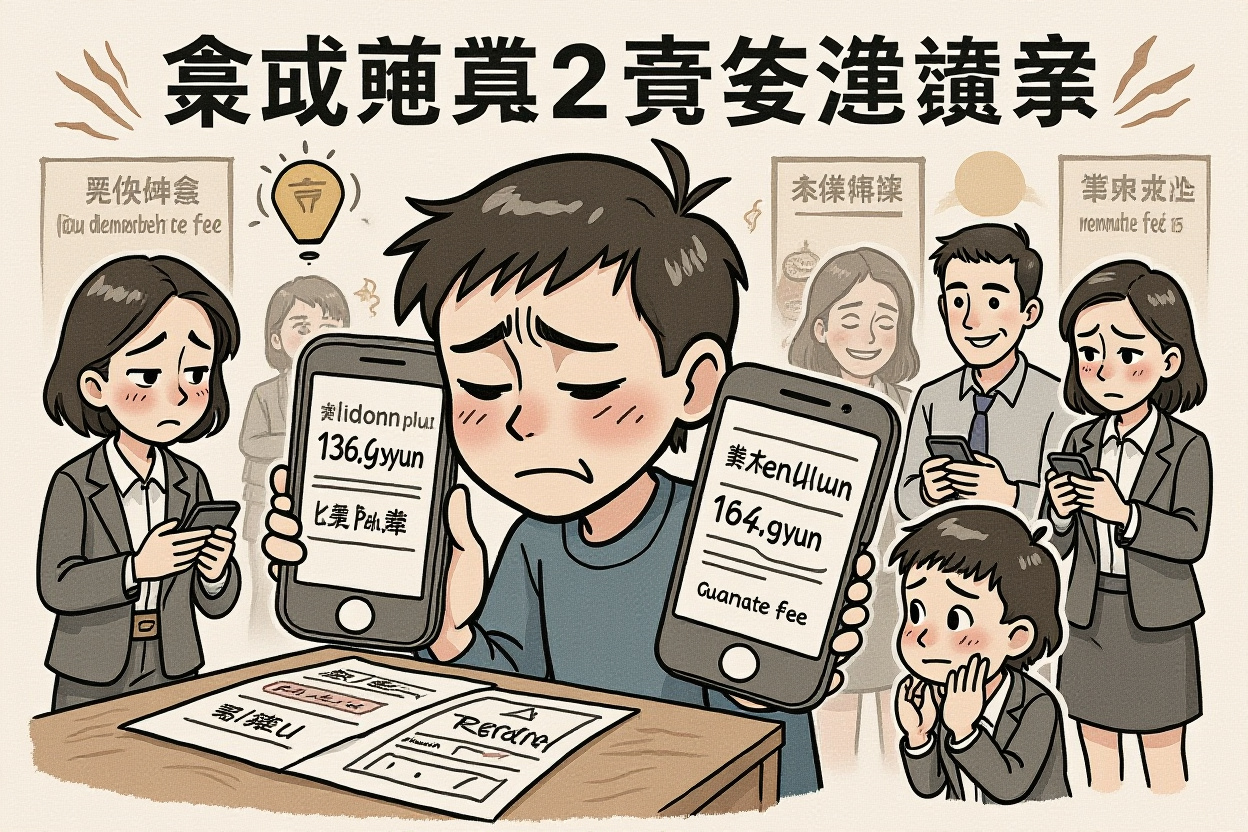
As Lunar New Year pressures mount for young Chinese to fund celebrations and gifts, digital lending platforms dangle quick cash solutions with deceptively easy terms. However, behind the allure of instant credit lies a harsh reality: borrowers are increasingly ensnared in debt cycles where repayments can double the principal. The case of Fenqile (分期乐), where a user faces repaying 26,859 yuan on a 13,674 yuan loan, spotlights the pervasive risks of high-interest ‘mini loans’ in China’s fintech landscape. These mini loans, characterized by small amounts and stretched repayment periods, are under intense scrutiny for their role in exacerbating youth financial distress amid tightening regulations and ethical concerns.
Executive Summary: Critical Insights at a Glance
– Fenqile’s mini loans often carry effective annual percentage rates (APRs) approaching 36%, far exceeding the 24% regulatory cap, due to hidden fees and extended terms.- Complaints on platforms like Hei Mao Tousu (黑猫投诉) exceed 160,000, highlighting opaque charges such as membership and担保费 (guarantee fees) that inflate costs without clear disclosure.- The platform’s origins in校园贷 (campus loans) persist, with reports of targeting students and employing aggressive, privacy-invading debt collection tactics.- Regulatory guidelines from the People’s Bank of China (中国人民银行) and National Financial Regulatory Authority aim to curb costs, but enforcement gaps allow exploitative practices to continue.- For international investors in Chinese equities, understanding these compliance and reputational risks is essential as fintech faces increased oversight.
The Seductive Mechanics of Mini Loans: From Lure to Quagmire
Mini loans are marketed as accessible solutions for日常消费 (daily expenses), offering low monthly payments that mask their true long-term cost. By breaking down borrowings into tiny installments over years, platforms like Fenqile create an illusion of affordability that quickly dissipates under the weight of compounding interest.
The Allure of Low Thresholds and Instant Access
Fenqile’s promotional campaigns promise ‘最高可借20万元,年利率低至8%’ (loans up to 200,000 yuan with annual rates as low as 8%), targeting cash-strapped youth during festive seasons. For instance, a 400 yuan loan spread over 36 months might seem manageable, but the cumulative interest can surpass the principal, trapping borrowers in a cycle of debt. These mini loans thrive on psychological hooks—minimal upfront costs and rapid approval—that appeal to those seeking quick fixes for financial shortfalls.
Case Study: Chen’s Debt Spiral and the Human Toll
Chen, a university student, borrowed 13,674 yuan through five mini loans from Fenqile between 2020 and 2021, with interest rates ranging from 32.08% to 35.90%. Her total repayment ballooned to 26,859 yuan, nearly double the principal, as reported by Southern Daily. This case exemplifies how mini loans can escalate into financial nightmares, with Chen citing depression and social strain after debt collectors harassed her family and friends. Her experience underscores the broader trend: these mini loans exploit vulnerability, turning small borrowings into overwhelming burdens.
Opaque Fee Structures and Regulatory Evasion Tactics
Beyond advertised interest rates, mini loans often embed additional charges that stealthily inflate the true cost, allowing platforms to skirt regulatory limits on综合融资成本 (comprehensive financing costs). This opacity not only misleads borrowers but also challenges enforcement efforts.
Hidden Costs: Membership, Guarantee, and Credit Assessment Fees
On Hei Mao Tousu, numerous complaints reveal Fenqile imposes fees like会员费 (membership fees),担保费 (guarantee fees), and信用评估费 (credit assessment fees) without transparent disclosure. For example, one borrower in Sichuan was charged an extra 1,102.14 yuan in担保费 (guarantee fees) on a 49,880 yuan loan, as noted in China Consumer reports. Another user from Zhejiang saw actual repayments exceed contract totals by over 2,000 yuan due to undisclosed附加费 (additional fees). These practices effectively push APRs toward 36%, despite Fenqile’s claims of low rates, making mini loans a costly trap.
Regulatory Red Lines and Persistent Compliance Gaps
In December 2025, the People’s Bank of China (中国人民银行) and National Financial Regulatory Authority jointly issued the ‘小额贷款公司综合融资成本管理工作指引’ (Guidelines for the Management of Comprehensive Financing Costs of Small Loan Companies), mandating that new loans not exceed 24% APR and aiming to align with four times the one-year LPR by 2027. However, Fenqile’s mini loans, with APRs nearing 36%, demonstrate how platforms exploit loopholes through fee bundling and lack of real-time monitoring. The guidelines stipulate that loans above 24% should face corrective actions and征信 (credit reporting) implications, but as Chen’s case shows, implementation remains inconsistent, allowing high-cost mini loans to proliferate.
The Lingering Ghost of Campus Loans and Ethical Concerns
Fenqile’s parent company, Lexin Fintech (乐信集团), built its foundation on校园贷 (campus loans), targeting students with easy credit. Despite regulatory crackdowns in 2016, evidence suggests this controversial legacy continues to influence current practices, raising ethical questions about consumer protection.
Historical Context: From Campus Beginnings to Fintech Rebranding
Founded in 2013 by Xiao Wenjie (肖文杰), Lexin leveraged campus lending to achieve rapid growth, later rebranding as a fintech giant after its 2017 NASDAQ listing. However, as per Economic Reference News investigations, Fenqile still faces accusations of promoting loans to students, with searches for ‘分期乐 校园贷’ on Hei Mao Tousu yielding 922 complaints. These mini loans, once the engine of Lexin’s expansion, now cast a shadow over its claims of responsible innovation.
Current Allegations: Student Targeting and On-Campus Promotion
Reports indicate that Fenqile promotion personnel have set up booths in schools, offering mini loans to financially inexperienced youth. This ongoing targeting exploits a demographic with limited income and high susceptibility to debt, contradicting regulatory efforts to protect students from predatory lending. The persistence of such practices highlights the need for stricter oversight to ensure mini loans do not perpetuate the harms of the past.
Data Privacy Violations and Aggressive Debt Collection
Borrowers of mini loans face a double burden: not only financial strain but also invasions of privacy and harassment from relentless collection tactics. These issues compound the distress, turning debt repayment into a personal crisis.
Information Sharing Without Informed Consent
Fenqile’s privacy policy, as cited in Economic Reference Report, allows sharing of sensitive personal data—including ID photos, bank details, facial recognition, and location information—with third parties such as payment processors and增信机构 (credit enhancement agencies). This occurs often without clear, prominent disclosure, leaving borrowers unaware of how their data is used. For mini loan users, this lack of transparency means their financial vulnerability is compounded by privacy risks, eroding trust in digital lenders.
The Human Cost of Violent催收 (Debt Collection)
Over 20,000 complaints on Hei Mao Tousu describe爆通讯录 (exploding contact lists), where collectors harass borrowers’ family, friends, and even employers with threatening calls. In Chen’s case, this led to social ostracization and severe mental health issues. Such aggressive practices violate China’s evolving regulations on ethical debt collection, such as those outlined by the National Financial Regulatory Authority, yet they persist as a tool to pressure repayments on high-interest mini loans. This underscores the urgent need for enforced standards to protect borrowers from intimidation.
Regulatory Landscape and Implications for Investors
As Chinese authorities intensify scrutiny on consumer finance, the future of mini loans hinges on compliance and market adaptation. For global investors in Chinese equities, these dynamics present both risks and opportunities that require careful navigation.
Enforcement Mechanisms and Market Adaptation
The 2025 guidelines emphasize dynamic征信 (credit reporting) management for loans above 24%, but local financial authorities, such as those overseeing吉安市分期乐网络小额贷款有限公司 (Jian Fenqile Network Small Loan Co., Ltd.), struggle with consistent enforcement. Platforms may adapt by introducing new fee structures or shifting to longer terms, potentially maintaining high effective costs. Investors should monitor regulatory announcements from bodies like the People’s Bank of China (中国人民银行) for signals of tighter controls that could impact the profitability of mini loan models.
Investment Considerations in China’s Fintech Sector
For institutional investors and fund managers, companies like Lexin Fintech represent a sector at a crossroads. While mini loans drive revenue, increasing regulatory pressure and consumer backlash could lead to fines, operational restrictions, or reputational damage. Key metrics to watch include complaint volumes on platforms like Hei Mao Tousu, compliance reports from local regulators, and shifts in loan portfolio costs. As mini loans come under fire, diversification into more sustainable lending products may become a priority for resilient growth.
Path Forward: Towards Responsible Lending and Empowered Borrowers
Addressing the mini loan crisis demands a multi-stakeholder approach, blending regulatory rigor, corporate accountability, and consumer education to foster a healthier financial ecosystem.
Recommendations for Consumers and Borrowers
– Always calculate the effective APR of mini loans by including all fees, not just the advertised interest rate.- Report unethical practices, such as hidden charges or aggressive collection, to authorities like the National Financial Regulatory Authority or via platforms like Hei Mao Tousu.- Enhance financial literacy through resources from institutions like the China Banking and Insurance Regulatory Commission (CBIRC) to avoid over-reliance on high-cost credit for discretionary spending.
Strategic Guidance for Regulators and Industry Players
Regulators must strengthen real-time monitoring of综合融资成本 (comprehensive financing costs) and impose stricter penalties for violations, potentially leveraging technology for better oversight. Fintech firms should adopt transparent pricing models, limit loan terms to prevent debt snowballing, and implement ethical collection protocols. Initiatives like the People’s Bank of China’s (中国人民银行) focus on inclusive finance could guide the development of affordable alternatives to high-interest mini loans, ensuring innovation aligns with consumer protection.In summary, mini loans from platforms like Fenqile reveal a troubling facet of China’s fintech boom: easy credit that often translates into debilitating debt. While these products offer short-term relief, their long-term impacts—financial ruin, psychological distress, and privacy erosion—are profound. For China’s capital markets to mature sustainably, balancing technological advancement with robust consumer safeguards is essential. Investors should prioritize companies demonstrating compliance and ethical practices, while borrowers must approach mini loans with caution and critical scrutiny. The call to action is clear: advocate for reforms that curb predatory lending and promote financial health, ensuring that the digital finance revolution empowers rather than exploits the next generation.