



Executive Summary: Key Takeaways on Mini-Loan Risks
– Mini-loans from digital platforms like Fenqile (分期乐) often feature deceptively low monthly payments but conceal effective annual percentage rates (APRs) approaching 36%, leading borrowers to repay nearly double the principal amount.
– Regulatory caps on lending costs, such as the 24% limit set by the People’s Bank of China (中国人民银行) and National Financial Regulatory Administration (国家金融监督管理总局), are frequently circumvented through opaque fees like membership and guarantee charges, highlighting enforcement gaps.
– The business model retains roots in controversial ‘campus lending’ practices, with ongoing targeting of student borrowers and widespread complaints over aggressive debt collection and privacy violations.
– For investors, China’s consumer fintech sector faces heightened regulatory and reputational risks, necessitating careful due diligence on compliance and sustainable profitability.
– Consumer awareness and regulatory action are critical to curb predatory lending and protect young, financially vulnerable populations from debt traps.
When Small Loans Lead to Massive Debt Burdens
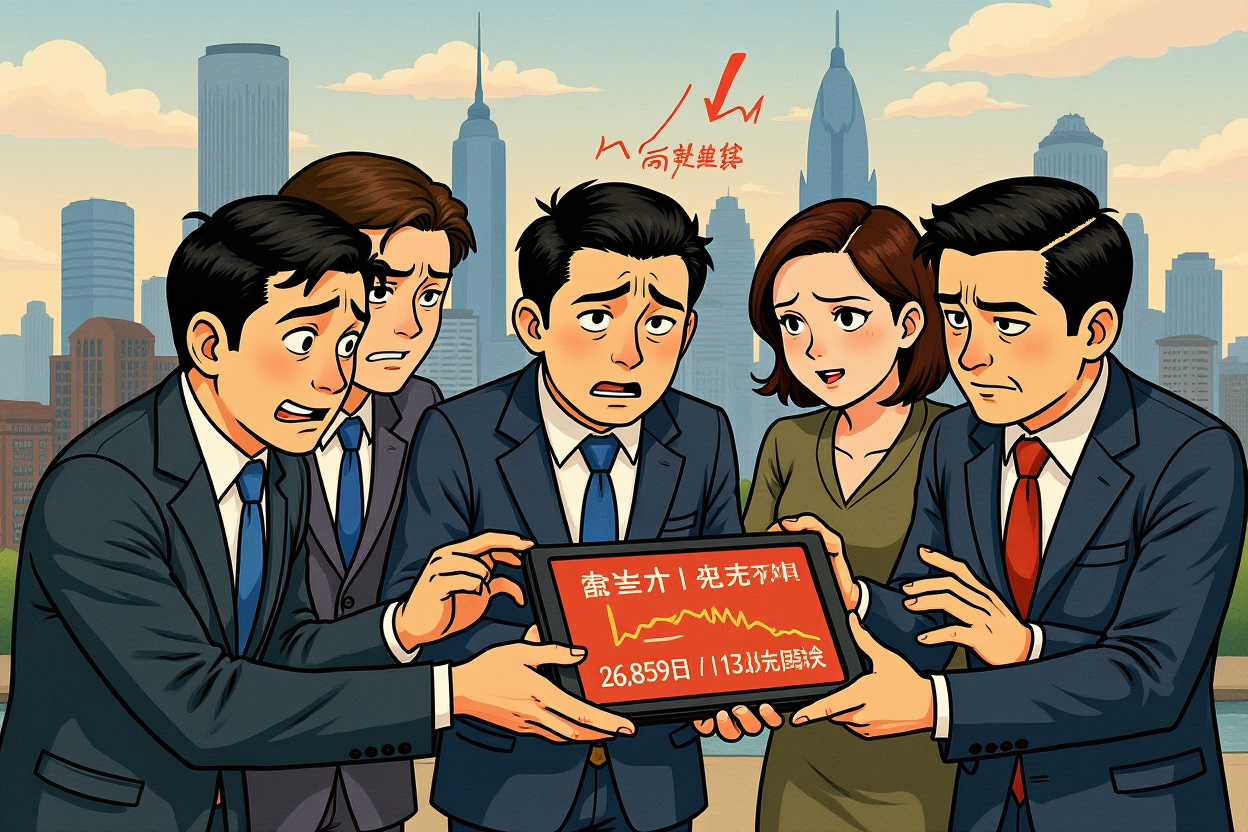
As the Lunar New Year approaches, many young Chinese consumers face pressure to fund celebrations, travel, and gifts, often turning to digital lending platforms for quick cash. The promise of ‘mini-loans’—small, manageable installments—seems like a lifeline, but a harsh reality lurks beneath the surface. Recent cases, such as a borrower repaying 26,859 yuan on a 13,674 yuan loan from Fenqile, reveal how these products are systematically draining young people’s finances. This trend underscores a broader crisis in China’s consumer credit market, where financial technology innovation clashes with consumer protection. With regulatory bodies tightening rules, the sustainability of high-cost lending models is under intense scrutiny, posing significant implications for investors and the economy.
The Hidden Costs of Mini-Loans: Borrowing 13,000 to Repay 26,000
The allure of mini-loans lies in their accessibility and seemingly low periodic payments, but this convenience masks a complex web of fees and high interest rates that can balloon debt exponentially.
A Personal Debt Spiral: Chen’s Story of Financial Distress
A vivid example is Chen, a university student who, between 2020 and 2021, took out five loans totaling 13,674 yuan from Fenqile for everyday expenses, including a 400 yuan purchase stretched over 36 months. Promised ‘low interest’ and minimum monthly payments as small as 18.23 yuan, she later discovered the APRs ranged from 32.08% to 35.90%. After stopping payments in August 2022 due to inability to repay, her debt, including penalties, soared to 26,859 yuan—nearly double the principal. Aggressive collection tactics, including notifying her family and friends, exacerbated her psychological stress, illustrating how mini-loans draining young consumers can lead to severe personal and social consequences.
Decoding the True Cost: APRs, Fees, and Opaque Pricing
Fenqile’s marketing often highlights annual rates as low as 8%, but the effective cost is inflated by additional charges. Complaints on platforms like Hei Mao (黑猫投诉) reveal widespread issues:
– Membership fees,担保费 (guarantee fees), and credit assessment fees are added without clear disclosure, pushing overall costs to the regulatory brink of 36%.
– For instance, a borrower from Zhejiang reported actual repayments exceeding contract amounts by over 2,000 yuan on loans with stated rates of 6-7.5%, due to hidden costs embedded in lengthy electronic agreements.
– Another case from Sichuan involved undisclosed guarantee fees of 1,102.14 yuan on a larger loan, emphasizing the lack of transparency. This fee opacity transforms mini-loans from a financial tool into a debt trap, where consumers lose control over their obligations.
Regulatory Landscape: Rules Versus Reality in Lending Compliance
Chinese authorities have introduced measures to curb excessive lending costs, but implementation challenges persist, allowing platforms to exploit loopholes.
New Guidelines from the PBOC and NFRA: A Step Toward Reform
In December 2025, the People’s Bank of China (中国人民银行) and National Financial Regulatory Administration (国家金融监督管理总局) jointly issued the ‘Guidelines on Comprehensive Financing Cost Management for Small Loan Companies,’ which prohibit new loans with APRs exceeding 24% and mandate a phased reduction to within four times the one-year Loan Prime Rate (LPR) by end-2027. The rules also empower local financial regulators to correct violations, halt new lending, and incorporate non-compliance into credit reporting systems starting 2026. These measures aim to protect borrowers, but their effectiveness hinges on robust enforcement against entrenched practices.Evasion Tactics: How Platforms Circumvent Regulatory Caps
Despite these rules, platforms like Fenqile employ creative strategies to maintain profitability. By structuring loans with extended tenures (e.g., 36 months for small amounts) and layering on ancillary fees, they keep nominal rates low while effective costs soar. For example, a ‘credit assessment fee’ might be charged separately, bypassing APR calculations. This gaming of the system highlights the cat-and-mouse dynamic between regulators and lenders, where mini-loans draining young consumers continue through regulatory arbitrage. Investors must monitor these tactics, as they pose compliance risks that could impact valuations.The Unshakable Shadow of Campus Lending in Fintech Growth
Fenqile’s parent company, Lexin Group (乐信集团), has a history tied to campus lending, a sector once rampant with abuses, and traces of this legacy remain.
Fenqile’s Origins and the Campus Loan Era
Lexin was founded in 2013 by Xiao Wenjie (肖文杰) as a pioneer in installment e-commerce, initially gaining traction by offering loans to college students for purchases like smartphones. After regulatory crackdowns on campus lending in 2016, Lexin rebranded as a fintech firm and went public on Nasdaq in 2017. However, its core user base still includes young, often financially inexperienced individuals, suggesting that the shift away from predatory practices is incomplete. This history is crucial for understanding the persistent risks associated with mini-loans draining young consumers.Ongoing Targeting of Student Borrowers and Aggressive Marketing
Evidence from consumer complaints indicates that Fenqile still engages with student populations. On Hei Mao, over 922 complaints reference ‘campus loans,’ with reports of promotional stalls on university grounds and loans issued to enrolled students. This targeting exploits the financial naivety of youth, leading to debt accumulation early in adulthood. Moreover, collection practices often involve harassment—with over 20,000 complaints citing爆通讯录 (contacting the borrower’s social circle)—demonstrating how the business model prioritizes recovery over ethical conduct.Consumer Backlash and Privacy Intrusions: The Data Dimension
Beyond financial costs, mini-loan platforms raise significant concerns about data privacy and consumer rights, adding another layer of risk.
Volume of Complaints on Platforms Like Hei Mao: A Systemic Issue
Fenqile alone has amassed approximately 160,000 complaints on Hei Mao, highlighting systemic dissatisfaction. Common grievances include:– Unauthorized fee charges and lack of transparency in loan agreements.
– Aggressive collection methods that violate personal boundaries.
– Difficulty in obtaining clear information on lenders, complicating regulatory redress. This complaint volume signals deep-seated issues that could trigger regulatory action or consumer boycotts, affecting platform stability and investor confidence.
Data Privacy Concerns: What Borrowers Unwittingly Sign Away
Upon agreeing to Fenqile’s terms, users consent to the collection of sensitive data—姓名 (name), 身份证号码 (ID number), 银行卡信息 (bank details), 人脸信息 (facial recognition data), and more. The privacy policy allows sharing this information with third parties, including payment processors, banks, and credit enhancers, often without explicit user awareness. This creates a vulnerability where personal data can be misused, for instance, in targeted marketing or coercive collection. For a generation increasingly aware of digital rights, such practices erode trust and could spur stricter data governance laws, impacting the fintech ecosystem.Investment Implications for China’s Fintech Sector and Global Stakeholders
The controversies surrounding mini-loans have broader ramifications for investors in Chinese equities, particularly in the financial technology space.
Risks for Lexin and Similar Fintech Companies
Lexin, as a Nasdaq-listed entity, faces dual pressures from U.S. investors and Chinese regulators. Its stock performance may be volatile if regulatory penalties intensify or consumer sentiment sours. Key risks include:– Potential fines or licensing restrictions for non-compliance with lending caps.
– Reputational damage from media exposes on predatory practices, affecting user growth.
– Increased operational costs to enhance transparency and compliance, squeezing profit margins. Investors should assess these factors when evaluating exposure to mini-loans draining young consumers, as they could herald a sector-wide repricing.
The Future of Consumer Lending in China: Trends and Guidance
Looking ahead, the regulatory trajectory points toward stricter enforcement and lower tolerance for high-cost lending. Innovations like open banking and standardized credit scoring may foster healthier competition. For institutional investors, this calls for:– Diversifying portfolios away from firms reliant on high-margin, opaque lending models.
– Engaging with companies on ESG (environmental, social, and governance) criteria, particularly consumer protection metrics.
– Monitoring announcements from bodies like the China Banking and Insurance Regulatory Commission (CBIRC) for policy shifts. By aligning with sustainable practices, investors can mitigate risks while contributing to a more equitable financial system.
Navigating the Mini-Loan Minefield: A Call for Vigilance and Action
The phenomenon of mini-loans draining young consumers underscores a critical juncture in China’s financial evolution. While digital lending offers convenience, it must balance innovation with ethical standards and regulatory compliance. Key takeaways include the need for greater fee transparency, robust enforcement of existing rules, and consumer education on debt risks. For borrowers, caution is paramount—scrutinize terms, avoid over-reliance on short-term credit, and report abuses to authorities like the National Financial Regulatory Administration. For investors, due diligence on fintech firms’ compliance frameworks is essential to navigate regulatory headwinds. As China refines its consumer credit landscape, stakeholders must collaborate to ensure that financial technology empowers rather than exploits, fostering long-term stability in the equity markets.