



Executive Summary
– Mini loans, often marketed through fintech apps like Fenqile (分期乐), lure young borrowers with low monthly payments but impose effective annualized interest rates as high as 36%, effectively doubling the principal debt.
– Regulatory guidelines from the People’s Bank of China (中国人民银行) and National Financial Regulatory Administration (国家金融监督管理总局) cap comprehensive financing costs at 24%, yet platforms circumvent this through opaque fees, extended terms, and hidden charges.
– Young demographics, including students, are disproportionately targeted, leading to severe psychological distress and aggressive debt collection practices that involve harassing borrowers’ social circles.
– Consumer complaint platforms, such as Black Cat Complaints (黑猫投诉), host over 160,000 grievances against Fenqile, highlighting systemic issues with transparency and compliance.
– The business model relies on maximizing lifetime customer value through prolonged repayment periods and ancillary fees, raising critical questions about sustainable lending practices in China’s fintech sector.
A Financial Time Bomb for China’s Youth
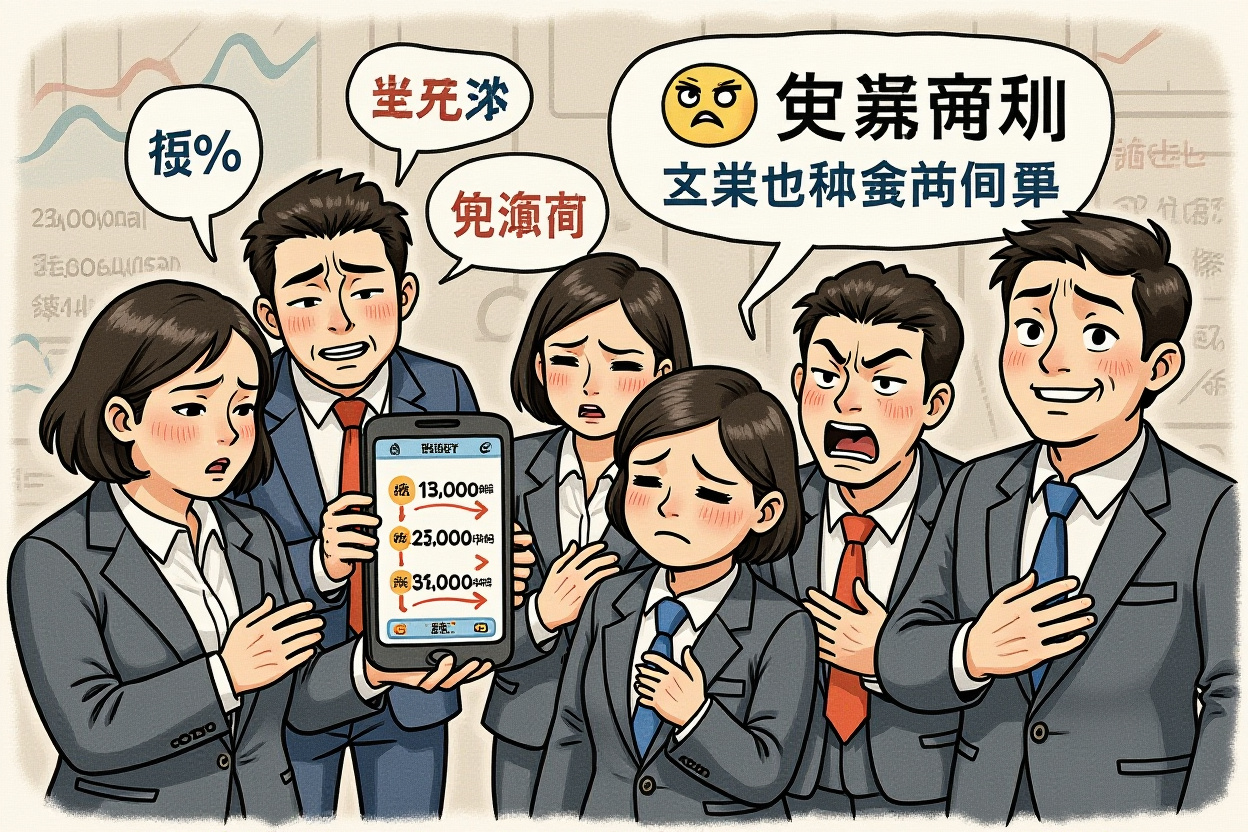
As festive seasons like Chinese New Year pressure young consumers to splurge on red envelopes, family trips, and gifts, the allure of instant cash through digital lending apps becomes irresistible. Platforms like Fenqile (分期乐) promise quick fixes with slogans of “low interest” and “easy monthly installments,” but beneath this veneer lies a perilous reality. These so-called mini loans are systematically draining young people, trapping them in cycles of debt where borrowing a modest 13,000 yuan can balloon into a 26,000 yuan repayment burden. This investigation delves into how these products operate at the edge of legality, exploiting regulatory gaps and consumer vulnerability. The focus on mini loans draining young people is not just a financial issue but a societal one, threatening the economic stability of a generation eager to participate in modern consumption.
The Deceptive Mechanics of Mini Loan Debt
Case Study: From 13,674 Yuan to 26,859 Yuan in Repayments
The plight of Ms. Chen, a university student who borrowed from Fenqile between 2020 and 2021, epitomizes the mini loans crisis. She took five loans totaling 13,674 yuan for everyday expenses, including a 400 yuan purchase stretched over 36 months. Sales representatives highlighted “low monthly payments as little as 18.23 yuan,” but the fine print revealed annualized interest rates ranging from 32.08% to 35.90%. By 2022, overwhelmed, she defaulted, and after over 1,000 days of delinquency, her debt had snowballed to 26,859 yuan—nearly double the principal. This case underscores how mini loans draining young people rely on extended tenures to mask exorbitant costs, turning manageable debt into financial quicksand.
How Hidden Fees Inflate Effective Borrowing Costs
Beyond stated interest, platforms layer on ambiguous charges that push comprehensive costs toward the 36% legal ceiling. Complaints detail unauthorized fees for membership, guarantees, and credit assessments. For instance, one borrower from Sichuan province reported an unexpected 1,102.14 yuan guarantee fee on a loan via Fenqile’s “乐花借钱” product, buried in lengthy electronic agreements. A report by China Consumer (中国消费者) cited cases where actual repayments exceeded contracted amounts by thousands of yuan due to undisclosed add-ons. These practices violate transparency norms, as platforms often fail to clearly disclose all fees, service contents, or pricing basis during the application process, leaving borrowers unaware of the true cost of mini loans.
Regulatory Tightrope: Caps Versus Compliance
The 24% Threshold and Enforcement Challenges
In December 2025, the People’s Bank of China (中国人民银行) and National Financial Regulatory Administration (国家金融监督管理总局) issued the “Guidance on Comprehensive Financing Cost Management for Small Loan Companies,” mandating that new loans not exceed a 24% annualized comprehensive cost. By end-2027, all new lending should align with four times the one-year Loan Prime Rate (LPR). From 2026, violations will trigger corrections, halted lending, and dynamic credit reporting oversight. However, enforcement remains patchy. Platforms like Fenqile adapt by structuring loans with terms that dilute apparent costs, while local financial authorities grapple with monitoring thousands of digital transactions. This regulatory lag allows mini loans draining young people to persist, as lenders exploit loopholes in cost calculation and disclosure.
Platform Evasion and Profit-Driven Models
Fenqile’s operator, Jishi Fenqile Network Small Loan Co., Ltd. (吉安市分期乐网络小额贷款有限公司), backed by Nasdaq-listed Lexin Fintech Holdings (乐信集团), exemplifies the ingenuity in sidestepping rules. By partnering with licensed institutions like Shanghai Bank (上海银行) for fund disbursement, it creates a veneer of legitimacy. Yet, its profitability hinges on maximizing interest and fee income from long-term, small-ticket loans. The mini loans model thrives on volume and customer retention through debt rollovers, effectively prioritizing revenue over regulatory adherence. Investors should note that while Lexin reports growth, its reliance on such practices poses significant reputational and legal risks, as seen in rising complaint volumes.
Targeting the Vulnerable: Students and Young Adults
The Unshakable Legacy of Campus Lending
Fenqile’s origins trace to 2013, founded by Xiao Wenjie (肖文杰), who leveraged campus lending to build Lexin into a fintech giant. Despite regulatory crackdowns on “校园贷” (campus loans) in 2016, the platform retains ties to student borrowers. On Black Cat Complaints, over 922 entries cite “Fenqile campus loans,” with reports of promoters setting up booths in universities and targeting undergraduates. This continued focus on financially inexperienced youth exacerbates the risk of mini loans draining young people, as students often lack the income to service debts, leading to defaults and psychological harm, including depression and social stigma from aggressive collection tactics.
Psychological Toll and Aggressive Debt Collection
Complaints describe relentless harassment, where collectors contact borrowers’ family, friends, and even employers, violating privacy and dignity. Ms. Chen’s experience of her social circle being informed of her debt highlights this brutality. Over 20,000 complaints mention threats and intimidation, creating a climate of fear. Such practices not only breach ethical standards but also contravene China’s regulations on debt collection, which prohibit harassment and disclosure of personal information. The mental health impact is profound, with many borrowers reporting anxiety and a desire to escape the cycle, underscoring how mini loans draining young people extend beyond finance into personal well-being.
The Broader Ecosystem: Data, Privacy, and Consumer Rights
Privacy Intrusions and Data Sharing Risks
Upon agreeing to Fenqile’s terms, users unwittingly surrender sensitive data—from ID photos and bank details to facial recognition and location info. The privacy policy permits sharing this with third parties, including merchants, payment partners, and credit enhancers, as noted by Economic Reference News (经济参考报). This data monetization adds another revenue stream but exposes consumers to identity theft and misuse. For young borrowers already struggling with debt, loss of privacy compounds their vulnerability, making it harder to break free from mini loans draining their resources and personal security.
Legal Recourse and Consumer Advocacy
Affected individuals can file complaints through channels like the Black Cat platform (accessible at https://tousu.sina.com.cn/) or report to local financial watchdogs. However, the sheer volume of grievances—over 160,000 for Fenqile alone—suggests systemic failure. Some borrowers have sought refunds for excess charges, citing regulatory caps, but success often hinges on proving opaque fee structures. Advocacy groups emphasize the need for clearer disclosure laws and stronger penalties for non-compliance. As mini loans continue to proliferate, consumer education on reading fine print and calculating true costs becomes crucial for self-protection.
Navigating the Future of Responsible Lending
The mini loans phenomenon reveals a critical junction in China’s fintech evolution. While digital lending enhances financial inclusion, predatory practices threaten to undermine trust and stability. Regulators must accelerate enforcement of the 24% cap, possibly through real-time monitoring systems and stiffer fines for violators. Investors in companies like Lexin should demand greater transparency on lending metrics and risk management. For consumers, especially the young, financial literacy programs are essential to recognize the traps of mini loans draining their futures. Ultimately, sustainable growth requires balancing innovation with consumer protection, ensuring that credit serves as a tool for empowerment, not entrapment. As this market evolves, stakeholders must collaborate to forge a path where mini loans support, rather than sabotage, the aspirations of China’s next generation.