



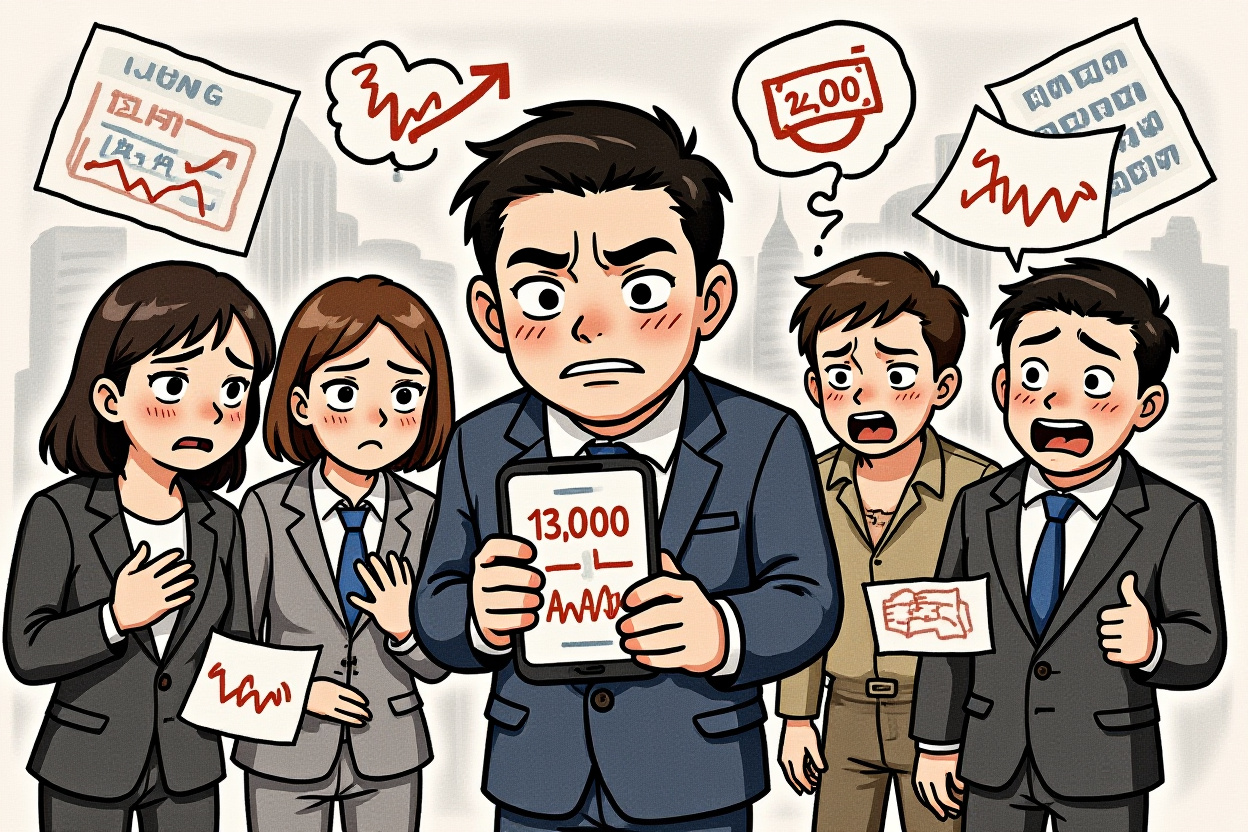
– Mini-loan platforms like 分期乐 (Fenqile) are charging effective annual percentage rates (APRs) nearing 36%, effectively doubling borrowers’ debt burdens through extended payment terms and opaque fees.
– Regulatory caps introduced in 2025 aim to limit comprehensive financing costs to 24% or lower, but lenders are circumventing rules via service charges, membership fees, and hidden clauses in lengthy digital agreements.
– The business model retains roots in controversial 校园贷 (campus loans), with ongoing complaints about targeting students and employing aggressive, privacy-invading debt collection tactics.
– Consumer complaint platforms such as 黑猫投诉 (Black Cat Complaints) host over 160,000 grievances against 分期乐 (Fenqile), highlighting systemic issues with transparency and fair lending practices.
– Investors in Chinese fintech must reassess the sustainability of high-cost mini-loan operations as regulatory scrutiny intensifies, posing risks to companies like 乐信集团 (Lexin Group), Fenqile’s parent.
The Alluring Trap of Mini-Loans During Financial Pressures
The Lunar New Year brings familial obligations—red envelopes for parents, gifts for children, and often expensive travel plans. For cash-strapped young consumers, the temptation of quick credit is undeniable. Platforms like 分期乐 (Fenqile) capitalize on this moment, advertising tempting offers such as “credit limits soaring to 50,000 yuan” with “annual interest rates as low as 8%.” Yet, behind this facade of convenience lies a harsh reality: many borrowers find themselves ensnared in debt cycles where repaying twice the principal becomes the norm. This phenomenon of high-cost mini-loans is not merely a consumer issue but a significant concern for market stability and regulatory compliance in China’s financial technology sector.
The recent case of Ms. Chen, who borrowed 13,674 yuan only to owe 26,859 yuan after six years, underscores the predatory nature of these products. With APRs ranging from 32.08% to 35.90%, her experience mirrors thousands of complaints where mini-loans transform manageable debts into financial quagmires. As regulatory bodies tighten rules, the persistence of such practices raises critical questions about enforcement and the ethical boundaries of fintech innovation. For global investors monitoring Chinese equities, understanding the risks associated with mini-loan platforms is essential for informed decision-making in a rapidly evolving market.
Deconstructing the True Cost of Mini-Loans
At first glance, mini-loans marketed by platforms like 分期乐 (Fenqile) appear affordable, with slogans promising low daily costs and flexible repayments. However, the devil is in the details—extended tenures and layered fees inflate the true cost of borrowing beyond regulatory limits.
Case Study: From 400 Yuan to 36 Payments
Ms. Chen’s ordeal began during her university years with a 400-yuan purchase split over 36 months. Between 2020 and 2021, she took five loans totaling 13,674 yuan, each with terms stretching up to 36 periods. While promotional materials highlighted “monthly payments as low as 18.23 yuan,” the cumulative interest propelled her total repayment to 26,859 yuan—nearly double the principal. This snowball effect is characteristic of mini-loans, where small initial amounts balloon through compounded high rates. Complaints on 黑猫投诉 (Black Cat Complaints) reveal similar patterns, with users reporting hidden charges like membership fees, guarantee costs, and credit assessment fees that push effective APRs to the 36% ceiling.
The APR Illusion and Fee Obfuscation
Regulatory guidelines from 中国人民银行 (People’s Bank of China) and 国家金融监管总局 (National Financial Regulatory Administration) define comprehensive financing cost to include all fees, yet platforms often obscure these in dense electronic contracts. For instance, a borrower from Zhejiang documented a loan with a stated 6% annual rate but actual repayments exceeding expectations by 1,782 yuan due to undisclosed charges. Another case from Sichuan involved 11,102.14 yuan in guarantee fees tucked away in fine print. Such lack of transparency violates consumer protection principles and challenges the integrity of mini-loan business models. Investors should note that these practices not only attract regulatory penalties but also erode long-term brand trust in fintech equities.
Regulatory Crackdowns and Evasive Tactics
In December 2025, Chinese authorities issued the 《小额贷款公司综合融资成本管理工作指引》 (Guidelines for the Management of Comprehensive Financing Costs of Microfinance Companies), mandating a cap of 24% on new loans and aiming to align rates with four times the one-year loan prime rate (LPR) by 2027. This move targets the mini-loan sector directly, but enforcement gaps allow platforms to adapt creatively.
New Rules and Their Market Impact
The guidelines stipulate that from 2026 onward, loans exceeding 24% will face corrective actions, halted issuance, and dynamic credit reporting management. For companies like 乐信集团 (Lexin Group), this pressures profitability derived from high-margin mini-loans. However, as seen with 分期乐 (Fenqile), lenders may circumvent caps by restructuring fees under different names—such as “service charges” or “insurance premiums”—that are not fully integrated into APR calculations. This regulatory arbitrage poses risks for investors, as non-compliance could lead to fines, operational restrictions, or reputational damage affecting stock performance. Monitoring regulatory announcements from sources like the 国家金融监管总局 (National Financial Regulatory Administration) [link to official website] is crucial for assessing sector vulnerability.
The Profitability Paradox of Mini-Loans
Despite regulatory headwinds, the mini-loan model remains lucrative due to high volumes and repeat borrowing among young, often financially illiterate consumers. Platforms leverage behavioral economics to encourage rollovers and additional loans, embedding costs in ways that escape immediate scrutiny. For example, extending a 400-yuan debt over 36 periods might seem manageable, but the total interest accrual reveals an exploitative structure. This profitability underscores why mini-loans persist, but it also heightens systemic risk if defaults spike or consumer backlash intensifies. Financial analysts must evaluate whether current earnings justify the ethical and regulatory exposures inherent in these practices.
The Unshakable Legacy of Campus Lending
分期乐 (Fenqile) and its parent 乐信集团 (Lexin Group) trace their origins to the controversial 校园贷 (campus loan) era, where targeting university students fueled rapid growth. Although rebranded as a fintech pioneer, evidence suggests lingering ties to this problematic past.
Historical Context and Modern Echoes
Founded in 2013 by Xiao Wenjie (肖文杰), 深圳市分期乐网络科技有限公司 (Shenzhen Fenqile Network Technology Co., Ltd.) initially gained traction by offering credit for electronics to students. After regulatory crackdowns in 2016, the company shifted its narrative toward serving “credit consumption populations,” but complaints persist. On 黑猫投诉 (Black Cat Complaints), over 922 entries cite “campus loans,” with reports of promoters setting up booths in universities and approving loans for enrolled students. This continued targeting raises ethical red flags and potential regulatory breaches, as student lending often involves vulnerable demographics with limited income. For investors, this history implies ongoing compliance risks that could disrupt operations or trigger sanctions.
Aggressive Collection and Privacy Intrusions
Beyond lending, mini-loan platforms face accusations of violating privacy through coercive data sharing and harsh collection methods. 分期乐 (Fenqile)’s privacy policy authorizes sharing personal information—including ID photos, bank details, and location data—with third parties like payment partners and credit enhancers. In debt recovery, this translates into “爆通讯录” (exploding the contact list), where collectors harass borrowers’ family, friends, and even employers. Ms. Chen’s experience of depression due to such tactics highlights the human cost. From a market perspective, these practices not only attract consumer lawsuits but also increase operational liabilities, potentially impacting the valuation of fintech stocks in global portfolios.
Consumer Backlash and Systemic Vulnerabilities
The surge in complaints against mini-loan platforms signals deepening consumer distrust and systemic flaws in China’s fintech ecosystem. Data from public forums and media investigations paint a troubling picture of unsustainable practices.
Black Cat Complaints: A Barometer of Discontent
With over 160,000 complaints against 分期乐 (Fenqile) alone, 黑猫投诉 (Black Cat Complaints) serves as a real-time gauge of consumer grievances. Common themes include opaque pricing, refusal to disclose actual lenders, and obstacles to early repayment. For instance, a February 2025 complaint detailed an APR of 36% and challenges in identifying the funding bank for regulatory recourse. Another from January 2025 cited hidden “credit assessment fees” inflating costs by 1,450 yuan. These patterns suggest that mini-loan platforms operate on thin margins of legality, relying on consumer confusion to maintain profitability. Investors should monitor such platforms for early warnings of brand erosion or regulatory intervention that could affect related equities.
Media Exposés and Legal Repercussions
Outlets like 《经济参考报》 (Economic Reference News) and 《中国消费者》 (China Consumer) have documented cases where borrowers faced unexplained fees and aggressive collection without proper disclosure. These reports often reference legal interpretations advising consumers to seek refunds for costs exceeding 24%. For the mini-loan industry, this media scrutiny amplifies regulatory pressure and could catalyze class-action lawsuits or stricter enforcement. As financial news professionals, linking to authoritative sources like these investigations [link to Economic Reference News article] provides context and underscores the urgency for market participants to reassess risk exposures in high-cost lending segments.
Investment Implications and Future Outlook
For institutional investors and fund managers, the mini-loan sector presents both opportunities and pitfalls. Balancing potential returns against regulatory and ethical risks requires nuanced analysis of business models and consumer trends.
Assessing Lexin Group’s Strategic Position
As a Nasdaq-listed entity, 乐信集团 (Lexin Group) faces dual pressures from U.S. market expectations and Chinese regulatory dynamics. Its reliance on mini-loans through 分期乐 (Fenqile) contributes significantly to revenue, but the 2025 guidelines threaten this stream. Investors must evaluate the company’s adaptability—such as pivoting to lower-rate products or enhancing transparency—to mitigate downside risks. Financial metrics like default rates, customer acquisition costs, and compliance expenditures will be key indicators. Engaging with management, including executives like CFO James Mi (秘鹏程), can provide insights into strategic shifts away from high-cost mini-loans toward sustainable fintech solutions.
Broader Sector Trends and Global Parallels
The mini-loan phenomenon is not unique to China; similar issues have emerged in markets like India and Kenya, where digital lending apps face backlash over predatory practices. Comparative analysis can inform regulatory approaches and investment strategies. In China, the push toward open finance and standardized disclosure, led by bodies like 中国人民银行 (People’s Bank of China), may gradually curb excesses. However, until enforcement catches up with innovation, mini-loans will likely continue exploiting gaps. Forward-looking investors should diversify into fintech firms prioritizing consumer protection and regulatory alignment, as these are better positioned for long-term growth in a tightening oversight environment.
Navigating Forward: Protection and Due Diligence
The mini-loan crisis underscores the need for enhanced consumer safeguards and investor vigilance. As the market evolves, proactive measures can mitigate risks and foster healthier financial ecosystems.
Empowering Consumers Through Financial Literacy
Education initiatives focusing on APR comprehension and contract scrutiny are essential to combat mini-loan pitfalls. Organizations like 中国银行业协会 (China Banking Association) could partner with platforms to promote transparent pricing. For borrowers, tools like loan calculators and regulatory hotlines offer recourse against hidden fees. From an investment standpoint, supporting fintech companies that integrate educational components into their apps may signal ethical commitment and reduce reputational hazards associated with mini-loans.
Call to Action for Market Participants
Investors and analysts must deepen their due diligence on Chinese fintech equities, particularly those involved in mini-loans. Scrutinize quarterly reports for mentions of regulatory compliance costs, customer complaint volumes, and shifts in product mix. Engage with regulatory updates from 国家金融监管总局 (National Financial Regulatory Administration) to anticipate policy changes. For consumers, report suspicious lending practices via official channels and seek legal advice when facing unfair terms. Ultimately, the sustainability of China’s fintech boom hinges on aligning innovation with consumer welfare—a balance that will define market winners and losers in the years ahead. By prioritizing transparency and ethical lending, stakeholders can help ensure that mini-loans evolve from predatory traps into responsible financial tools.