



Executive Summary:
– Mini loan platforms like Fenqile (分期乐) attract young Chinese borrowers with low entry barriers but impose effective annual rates nearing 36%, far exceeding regulatory caps and leading to debt spirals.
– Opaque fee structures, including hidden charges for membership,担保费 (guarantee fees), and credit assessment, inflate borrowing costs, as highlighted by cases where borrowers repay nearly double the principal amount.
– Regulatory bodies such as the People’s Bank of China (中国人民银行) and the National Financial Regulatory Administration (国家金融监管总局) have issued guidelines to curb excessive costs, but enforcement gaps allow platforms to evade compliance, targeting vulnerable groups like students.
– Aggressive debt collection tactics and privacy violations, including data sharing with third parties, raise ethical concerns and social harms, impacting borrower well-being and fintech company reputations.
– For institutional investors and fund managers, these practices pose significant regulatory and reputational risks, necessitating thorough due diligence when engaging with Chinese fintech equities in a rapidly evolving market.
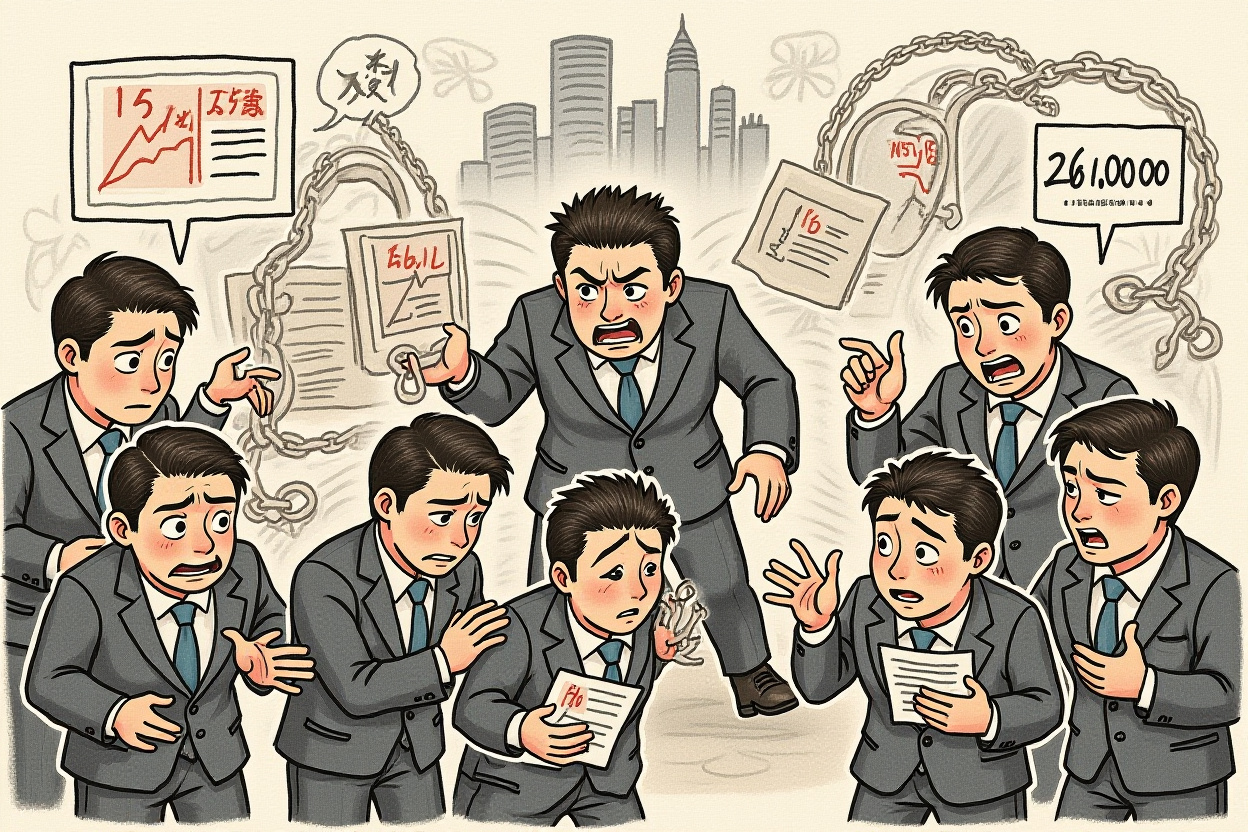
As Lunar New Year festivities prompt spending on gifts and travel, many young Chinese turn to mini loans for quick cash, only to find themselves ensnared in financial traps. The recent viral case of a borrower repaying 26,859 yuan on a 13,674 yuan loan from Fenqile (分期乐) underscores the perilous reality of China’s burgeoning fintech landscape. This phenomenon of mini loans, characterized by small amounts and extended repayments, is not just a consumer issue but a critical concern for global investors monitoring Chinese equity markets. With regulatory scrutiny intensifying and ethical questions mounting, understanding the mechanics and implications of these lending practices is essential for making informed decisions in a sector poised for transformation.
The Rise and Mechanics of Mini Loans in China’s Digital Economy
Mini loans have become a staple in China’s financial ecosystem, offering seemingly accessible credit to millions of young consumers through digital platforms. These products are marketed with appeals to immediacy and convenience, often masking complex cost structures that can lead to long-term financial strain. For time-pressed professionals and investors, grasping the nuances of this market is key to navigating risks and opportunities in Chinese fintech equities.
Defining Mini Loans and Their Market Appeal
Mini loans, typically ranging from a few hundred to tens of thousands of yuan, are designed with low monthly payments and extended tenure, making them attractive to borrowers with limited income or credit history. Platforms like Fenqile (分期乐) leverage sophisticated algorithms and partnerships with持牌机构 (licensed institutions) such as Shanghai Bank (上海银行) to disburse funds rapidly. However, the allure of “low interest” advertised as 8% annual rate often belies the true cost, which includes附加费 (additional fees) that push effective rates toward the 36% regulatory ceiling. This discrepancy highlights a broader trend in China’s consumer credit sector, where transparency is sacrificed for user acquisition and revenue growth.
Fenqile’s Business Model and Strategic Positioning
Operated by Lexin Fintech (乐信集团), a Nasdaq-listed entity, Fenqile (分期乐) has evolved from a campus-focused lender to a broader fintech player, yet its core reliance on mini loans remains. The platform’s marketing strategies, such as seasonal credit limit boosts up to 50,000 yuan, target young adults during high-spending periods. According to industry analysts, this model generates substantial fee-based income, but it also concentrates risk in a demographic vulnerable to over-indebtedness. For investors, assessing Fenqile’s adaptation to regulatory shifts is crucial, as its stock performance may hinge on compliance with new cost caps and ethical lending standards.
Unveiling the True Cost: Opaque Fees and the Debt Spiral Phenomenon
The case of Ms. Chen, who borrowed 13,674 yuan and faces repayment of 26,859 yuan, exemplifies how mini loans can escalate into unmanageable debt. Despite contractual terms suggesting manageable installments, hidden charges for services like credit评估 (assessment) and担保 (guarantee) inflate the overall burden, often doubling the principal over time. This section delves into the structural issues that enable such practices and their implications for borrower financial health.
Case Study Analysis: From Borrowing to Repayment Doubling
Ms. Chen’s experience with Fenqile (分期乐) began during her university years, where she took out five loans for amounts as low as 400 yuan, spread over 12 to 36 months. The sales representatives emphasized “月供最低仅18.23元” (monthly payments as low as 18.23 yuan), but the cumulative interest and fees resulted in an effective annual rate between 32.08% and 35.90%. After stopping payments in 2022 due to financial hardship, she faced aggressive debt collection that harassed her social circle, leading to depression. This pattern is echoed in over 16,000 complaints on Hei Mao Tousu (黑猫投诉), where users report similar opaque pricing and unexpected costs, underscoring systemic flaws in mini loan disclosures.
Regulatory Frameworks and Evasion Tactics
Targeting Vulnerable Demographics: The Lingering Shadow of Campus LendingFenqile’s origins in student loans have left a legacy of ethical concerns, as evidence suggests continued targeting of young and inexperienced borrowers. This practice not only violates regulatory spirit but also poses reputational risks for parent companies, affecting investor confidence in Chinese fintech stocks.
Historical Context and Ongoing Practices
Founded by Xiao Wenjie (肖文杰) in 2013, Lexin Fintech (乐信集团) initially capitalized on the campus lending boom, providing loans for electronics purchases. After a 2016 crackdown on校园贷 (campus loans), the company rebranded but complaints persist. On Hei Mao Tousu (黑猫投诉), searches for “分期乐 校园贷” (Fenqile campus loans) yield 922 results, with users alleging that promotional activities still occur in schools, including agent booths on campuses. This targeting exploits students’ limited financial literacy, leading to debt cycles that extend into adulthood. For investors, this history necessitates scrutiny of ESG (Environmental, Social, and Governance) factors, as such practices could trigger regulatory penalties or consumer backlash.
Social and Psychological Impacts of Aggressive Debt Collection
Regulatory Evolution and Compliance Challenges in FintechAs China tightens oversight of its financial sector, mini loan platforms face mounting pressure to align with new standards. This regulatory shift presents both risks and opportunities for companies and investors, requiring adaptive strategies to maintain market position.
Recent Guidelines and Implementation Hurdles
The 2025 guidelines represent a significant step toward curbing predatory lending, but implementation varies across regions. Platforms like Fenqile (分期乐) must navigate地方金融管理机构 (local financial management agencies) that may lack resources for consistent enforcement. For instance, while the rules prohibit new loans above 24%, existing contracts with higher rates may persist until maturity, allowing continued revenue from legacy products. Investors should analyze quarterly reports from Lexin Fintech (乐信集团) for disclosures on compliance costs and adjustments, as these factors could influence earnings projections and stock performance in the near term.
Market Adaptations and Investor Considerations
Implications for Global Investors in Chinese Equity MarketsThe mini loan saga offers critical lessons for institutional investors and corporate executives focused on China’s fintech sector. Understanding the interplay between regulation, consumer behavior, and corporate ethics is essential for portfolio optimization and risk management in a dynamic market.