



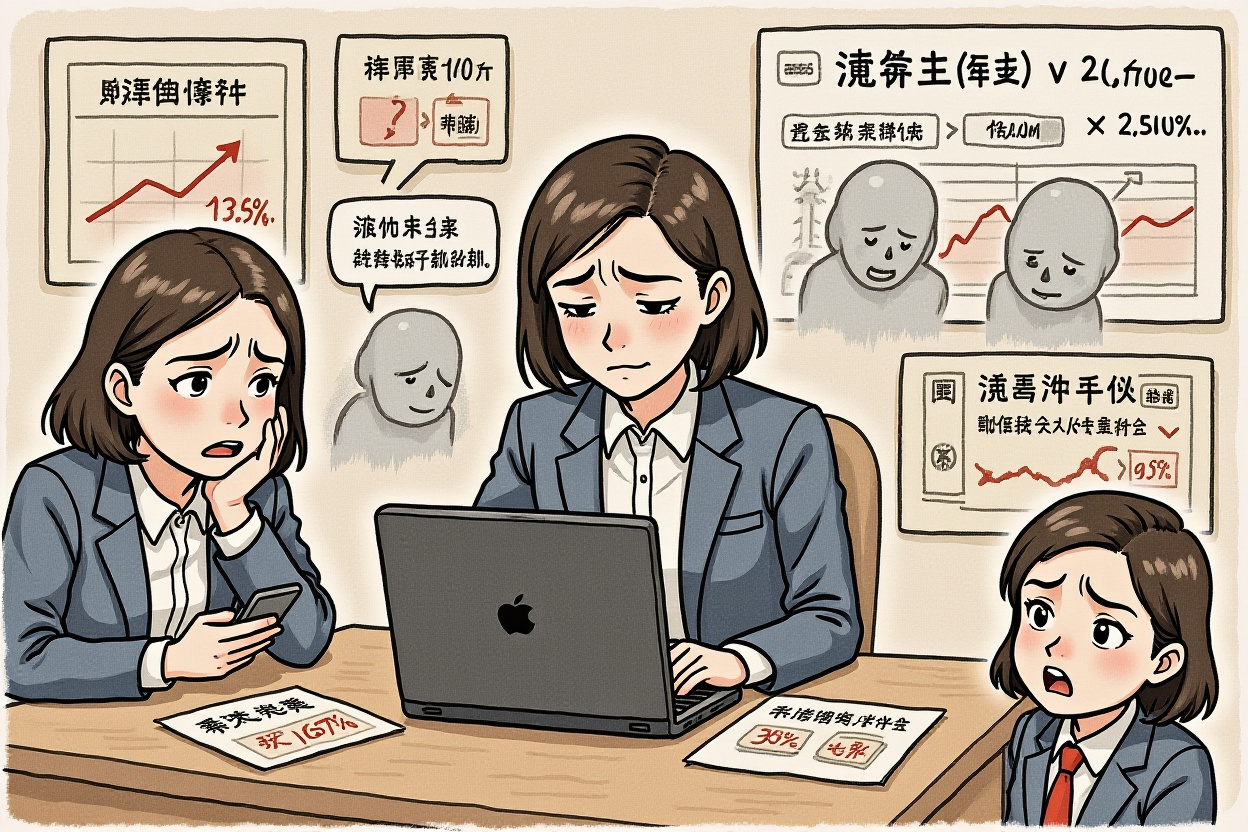
– Mini-loans from platforms like 分期乐 (Fenqile) lure borrowers with low upfront payments but impose effective annual percentage rates (APRs) nearing 36%, often doubling the principal owed. – Regulatory caps on interest rates at 24% are being circumvented through opaque fees, extended repayment terms, and deceptive marketing tactics. – 分期乐 (Fenqile) faces ongoing scrutiny for its historical ties to ‘campus loans’ and aggressive debt collection practices, raising ethical and legal concerns. – Investors in Chinese fintech must assess compliance risks and sustainability, as regulatory enforcement intensifies against predatory lending. – Consumers are urged to scrutinize loan agreements and report violations to authorities like the 国家金融监督管理总局 (National Financial Regulatory Administration). As Chinese regulators intensify efforts to rein in predatory lending, the seductive promise of ‘mini-loans’ continues to trap young borrowers in a vicious cycle of debt. These small, easily accessible loans, often marketed with low monthly payments, mask exorbitant interest rates and hidden fees that can balloon debt to unmanageable levels. The recent case of a borrower owing 26,859 yuan on a 13,674 yuan loan from 分期乐 (Fenqile) has spotlighted the dangers of this model, drawing public outrage and regulatory attention. For investors and professionals in Chinese equities, understanding the mechanics and risks of mini-loans is crucial, as they impact consumer finance sectors, regulatory frameworks, and market stability. This deep dive examines how mini-loans operate, their evasion of new rules, and the broader implications for China’s financial ecosystem.
The Illusion of Affordable Debt: How Mini-Loans Trap Borrowers
Mini-loans are designed to appear manageable, with platforms like 分期乐 (Fenqile) advertising low daily interest rates and flexible terms. However, this facade crumbles under scrutiny, revealing a debt trap that exploits financial naivety. By stretching repayments over extended periods and layering on fees, these loans ensnare borrowers, particularly young adults, in a snowball effect of compounding debt. The focus on mini-loans as a ‘convenient’ solution obscures their true cost, making them a ticking time bomb for personal finances.
Case Study: Ms. Chen’s 13,000 to 26,000 Ordeal
A vivid example is Ms. Chen, a university student who borrowed 13,674 yuan from 分期乐 (Fenqile) between 2020 and 2021 for everyday expenses, including a 400 yuan purchase split over 36 months. The loans carried APRs ranging from 32.08% to 35.90%, with promoters highlighting ‘low interest’ and monthly payments as low as 18.23 yuan. By 2022, she defaulted, and her debt had escalated to 26,859 yuan—nearly double the principal—after over 1,000 days of delinquency. The psychological toll was severe, with debt collectors harassing her family and friends, exacerbating her distress. This case underscores how mini-loans transform small debts into crippling burdens, driven by rates that push legal limits.
The Mechanics of Debt Snowballing
The mini-loan model relies on several tactics to amplify debt: – Extended Repayment Terms: Loans are stretched to 36 months or more, reducing monthly payments but increasing total interest. – Opaque Fee Structures: Borrowers report unexplained charges for membership, guarantees, and credit assessments, as seen in over 160,000 complaints on the Black Cat投诉平台 (Black Cat Complaint Platform). – Misleading Advertising: 分期乐 (Fenqile)’s platform promises annual rates as low as 8%, but fine print reveals effective costs nearing 36%, violating transparency norms. For instance, a borrower in Hangzhou was charged over 1,700 yuan extra on a 10,300 yuan loan due to hidden fees, as reported by 《中国消费者》 (China Consumer). These practices ensure that mini-loans remain profitable for lenders while devastating borrowers’ financial health.
Regulatory Crackdown and Evasive Tactics
Chinese authorities have stepped up oversight, but mini-loan providers are adapting to skirt new rules. The 中国人民银行 (People’s Bank of China) and 国家金融监督管理总局 (National Financial Regulatory Administration) issued the 《小额贷款公司综合融资成本管理工作指引》 (Guidelines for Comprehensive Financing Cost Management of Small Loan Companies) in December 2025, capping new loan APRs at 24% and aiming to reduce them to within four times the one-year loan prime rate (LPR) by 2027. Non-compliant lenders face corrective actions, halted lending, and credit reporting implications. However, the mini-loan industry continues to thrive through regulatory arbitrage.
New Rules Capping Interest Rates
The guidelines mandate that by 2026, loans exceeding 24% APRs must be corrected immediately, with local financial authorities enforcing dynamic credit management. This move targets the rampant overcharging in the mini-loan sector, where effective rates often hover near 36%. For example, a borrower complained on February 12, 2025, that 分期乐 (Fenqile) charged 36% APR and refused to disclose the actual funder, hindering accountability. Such cases highlight the urgency of enforcement, as mini-loans undermine financial stability and consumer trust.
How Platforms Circumvent Regulations
Lenders employ creative strategies to maintain high profits: – Fee Proliferation: Adding services like ‘credit assessment’ or ‘guarantee’ fees, as in a case from Sichuan where 1,102.14 yuan was charged without clear disclosure. – Contract Complexity: Burying costs in lengthy electronic agreements, making it difficult for borrowers to discern true APRs. – Partnership Models: Collaborating with licensed institutions to obscure responsibility, as 分期乐 (Fenqile) does with banks like 上海银行 (Bank of Shanghai). These tactics allow mini-loans to persist despite regulatory pressures, posing challenges for oversight and investor due diligence.
The Lingering Shadow of Campus Loans
分期乐 (Fenqile) and its parent 乐信集团 (Lexin Group) have a controversial history rooted in ‘campus loans,’ which targeted students with easy credit. Despite rebranding as a fintech giant, the platform’s practices suggest it hasn’t fully shed this legacy, raising red flags for ethical lending and compliance.
Fenqile’s Origins and Controversial Past
Founded in 2013 by 肖文杰 (Xiao Wenjie), 分期乐 (Fenqile) grew rapidly by offering loans to university students, capitalizing on their limited financial literacy. After regulatory crackdowns on campus loans in 2016, 乐信集团 (Lexin Group) went public on NASDAQ in 2017, positioning itself as a legitimate fintech player. However, complaints persist, with over 922 entries on Black Cat投诉平台 (Black Cat Complaint Platform) linking 分期乐 (Fenqile) to campus lending, including reports of promoters setting up booths on school grounds. This history taints the mini-loan model, suggesting ongoing targeting of vulnerable demographics.
Ongoing Complaints and Violent Collection Practices
Aggressive debt collection remains a hallmark, with over 20,000 complaints detailing harassment: – Communication Disclosure: Collectors expose debts to family, colleagues, and even community leaders, violating privacy. – Psychological Pressure: Borrowers face intimidation and abuse, leading to mental health issues, as in Ms. Chen’s case. – Data Exploitation: As 《经济参考报》 (Economic Reference Report) found, 分期乐 (Fenqile) collects extensive personal data—from ID photos to location—and shares it with third parties like payment partners and credit enhancers, compounding risks. These practices underscore how mini-loans erode consumer protections, demanding stricter enforcement and investor scrutiny.
Data Privacy and Consumer Protection Concerns
The mini-loan ecosystem thrives on data collection, often at the expense of borrower privacy. Platforms like 分期乐 (Fenqile) leverage personal information to assess credit but also share it broadly, creating vulnerabilities.
Information Collection and Sharing
Upon agreeing to terms, borrowers surrender dozens of data points, including biometrics and financial details, which are shared with entities like merchants and清算银行 (clearing banks). This lack of transparency, highlighted in 《中国消费者》 (China Consumer) reports, enables platforms to manipulate costs and intensify collection efforts. For mini-loans, data becomes a tool for control, exacerbating the debt trap.
Legal and Ethical Implications
China’s evolving data laws, such as the 《个人信息保护法》 (Personal Information Protection Law), require clear consent and purpose limitation, but mini-loan providers often fall short. Violations can lead to penalties and reputational damage, affecting stock performance for listed companies like 乐信集团 (Lexin Group). Investors must monitor these risks, as regulatory actions could disrupt business models reliant on opaque data practices.
Market Implications for Investors and Regulators
The mini-loan phenomenon has far-reaching consequences for Chinese equity markets, influencing fintech valuations, regulatory trends, and economic indicators. As authorities clamp down, stakeholders must adapt to a shifting landscape.
Impact on Chinese Fintech Sector
Companies offering mini-loans face heightened scrutiny: – Compliance Costs: Adhering to rate caps and transparency rules may squeeze profits, impacting earnings reports. – Reputational Risk: Public backlash and media exposure, like 分期乐 (Fenqile)’s recent热搜 (hot search) on Weibo, can trigger stock volatility. – Innovation Pressure: Lenders may pivot to sustainable models, such as lower-rate installment plans, to align with regulations like those from 国家金融监督管理总局 (National Financial Regulatory Administration). For investors, this means assessing how mini-loan dependencies affect long-term viability in portfolios.
Forward-Looking Guidance for Stakeholders
To navigate this environment, consider these steps: – Due Diligence: Scrutinize loan portfolios for APR compliance and fee structures, using resources like 黑猫投诉平台 (Black Cat Complaint Platform) for consumer feedback. – Regulatory Monitoring: Track enforcement actions from bodies like 中国人民银行 (People’s Bank of China) to anticipate market shifts. – Consumer Education: Support initiatives that promote financial literacy, reducing vulnerability to mini-loan traps. The future of mini-loans hinges on balanced regulation that protects borrowers without stifling innovation. The mini-loan crisis epitomizes the tensions in China’s consumer finance market, where rapid growth collides with ethical and regulatory imperatives. Cases like Ms. Chen’s reveal how these debt traps exploit young borrowers through hidden costs and aggressive tactics, despite new rules aiming to cap interest rates. For investors, the risks are clear: non-compliance, reputational damage, and potential regulatory crackdowns could destabilize fintech stocks. As authorities like 国家金融监督管理总局 (National Financial Regulatory Administration) enhance oversight, the mini-loan model must evolve toward transparency and fairness. Stakeholders should advocate for robust enforcement and consumer protection, ensuring that financial inclusion doesn’t come at the cost of financial ruin. Stay informed by following official announcements and market analyses to make prudent investment decisions in this dynamic sector.