



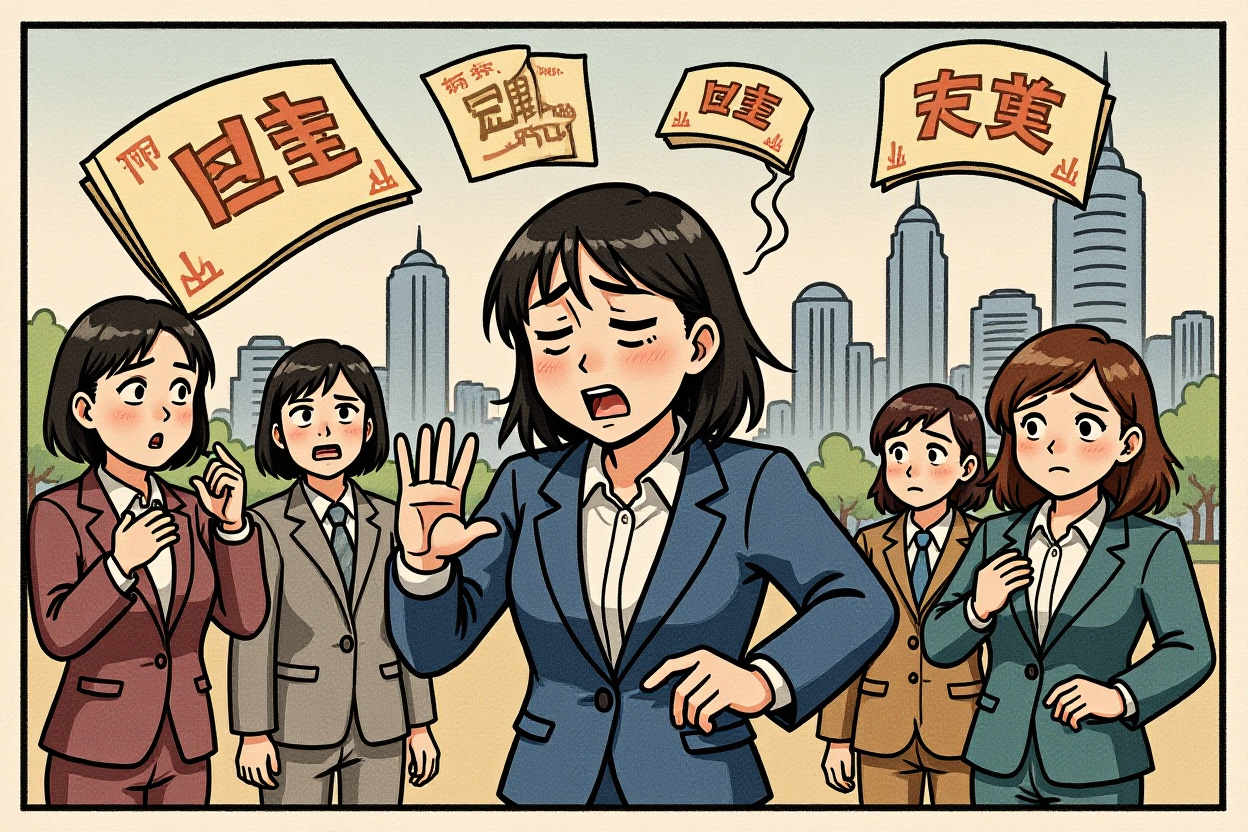
Executive Summary
As Chinese regulators tighten rules on lending practices, mini-loan platforms like Fenqile (分期乐) continue to exploit loopholes, charging exorbitant interest rates and hidden fees that double borrowers’ debts. This article delves into the mechanisms behind these predatory loans, their impact on youth financial health, and the implications for investors and policymakers.
- A case study reveals how a borrower with 13,674 yuan in loans faces repayment of 26,859 yuan due to interest rates nearing 36%, highlighting the severe debt burden from mini-loans.
- New regulations from the People’s Bank of China (中国人民银行) and National Financial Regulatory Administration (国家金融监督管理总局) cap interest at 24%, but platforms use opaque fees to bypass these limits, risking regulatory backlash.
- Fenqile’s origins in campus lending persist, with ongoing complaints about targeting students and employing violent debt collection, raising ethical and legal concerns for the fintech sector.
- Data privacy issues abound as platforms collect extensive personal information, sharing it with third parties without clear consent, undermining consumer trust in mini-loans.
- For institutional investors, the mini-loan model poses significant reputational and financial risks, necessitating deeper due diligence in China’s evolving credit market.
The Startling Reality of Mini-Loans in China
During the Lunar New Year, when financial pressures peak for many young Chinese, platforms like Fenqile (分期乐) offered tempting solutions with promises of high credit limits and low daily rates. However, behind this facade lies a harsh truth: mini-loans are draining the savings and mental well-being of a generation. Recently, Fenqile trended on Weibo after reports surfaced of a borrower needing to repay double her principal, exposing the predatory nature of these financial products. For global investors monitoring Chinese equities, understanding this mini-loan ecosystem is crucial, as it reflects broader risks in the consumer finance sector and regulatory challenges that could impact market stability.
The Case of Ms. Chen: A Cautionary Tale of Mini-Loan Debt
Ms. Chen (陈女士), a university student at the time, fell into the mini-loan trap through Fenqile, borrowing small amounts for daily expenses that spiraled into unmanageable debt. Her experience underscores how these loans, marketed as convenient, can lead to financial ruin.
Loan Details and Exorbitant Interest Rates
Between 2020 and 2021, Ms. Chen took five loans totaling 13,674 yuan, with amounts ranging from 400 to 6,800 yuan and repayment periods extending up to 36 months. The annual percentage rates (APRs) varied from 32.08% to 35.90%, far exceeding regulatory thresholds. For instance, a 400 yuan loan stretched over 36 installments seemed affordable with monthly payments as low as 18.23 yuan, but the long-term cost ballooned her obligation to 26,859 yuan—nearly double the principal. This case exemplifies how mini-loans use extended terms to mask true costs, pushing borrowers toward a debt snowball.
Psychological Toll and Aggressive Debt Collection
After defaulting in August 2022, Ms. Chen endured over 1,000 days of harassment from debt collectors who contacted her family, friends, and even her partner, exacerbating her depression. Such practices are common in the mini-loan industry, where platforms prioritize recovery over ethical standards. As noted in a Southern Daily report, this psychological pressure can deter borrowers from seeking help, perpetuating a cycle of debt that mini-loans thrive on.
Opaque Fees and the Debt Snowball Effect in Mini-Loans
Fenqile and similar platforms attract users with low advertised rates, but hidden charges quickly inflate the overall cost. This opacity is a hallmark of the mini-loan business model, designed to maximize profits while minimizing transparency.
Hidden Charges and Consumer Complaints
On the Black Cat Complaints platform (黑猫投诉), over 160,000 grievances target Fenqile, citing unauthorized fees like membership,担保费 (guarantee fees), and credit assessment costs. One user complained in February 2025 that their综合年化利率 (comprehensive annualized rate) reached 36%, despite regulations capping it at 24%. Another case from January 2025 involved a 1,450 yuan refund demand for undisclosed信用评估费用 (credit evaluation fees). These examples show how mini-loans embed extra charges in lengthy electronic agreements, making it difficult for borrowers to ascertain true costs until it’s too late.
Real-World Examples from Investigative Reports
A China Consumer (中国消费者) investigation highlighted two borrowers: Meng from Hangzhou and Sha from Sichuan. Meng borrowed 10,300 yuan at a stated 6% APR but ended up paying 12,425.4 yuan due to hidden fees, while Sha was charged 1,102.14 yuan in担保费 (guarantee fees) without clear disclosure. These instances reveal a pattern where mini-loans use complex fee structures to bypass interest rate limits, effectively draining borrowers’ resources. For more details, refer to the China Consumer article on Fenqile’s opaque pricing.
Regulatory Landscape and Evasion Tactics in the Mini-Loan Sector
In December 2025, the People’s Bank of China (中国人民银行) and National Financial Regulatory Administration (国家金融监督管理总局) issued the Guidelines for Comprehensive Financing Cost Management of Small Loan Companies (小额贷款公司综合融资成本管理工作指引), mandating that new loans not exceed 24% APR and aiming to align with four times the one-year LPR by 2027. However, mini-loan platforms have adapted by layering fees to maintain high effective rates.
How Platforms Skirt Regulatory Redlines
Fenqile’s website promotes rates as low as 8% APR, but user complaints indicate actual costs approach 36% through add-ons like担保费 (guarantee fees). This evasion risks regulatory penalties, including halted lending and征信 (credit reporting) impacts. The mini-loan industry’s reliance on such tactics highlights a gap between policy and enforcement, requiring tighter oversight to protect consumers from being drained by deceptive practices.
The Lingering Shadow of Campus Lending in Mini-Loan Operations
Fenqile’s parent company, Lexin Fintech Holdings Ltd. (乐信集团), built its empire on student loans, and despite rebranding, the platform remains entangled in campus lending controversies. This history raises questions about the sustainability of mini-loans targeting vulnerable demographics.
Fenqile’s Origins and Ongoing Campus Ties
Founded in 2013 by Xiao Wenjie (肖文杰), Lexin grew rapidly by offering分期购物 (installment shopping) to students, evolving into a纳斯达克 (Nasdaq)-listed entity. Yet, Black Cat Complaints show 922 entries for “分期乐 校园贷” (Fenqile campus loans), with reports of promotional stalls on campuses and loans to minors. These practices contradict regulatory bans on校园贷 (campus lending), suggesting that mini-loans continue to prey on young, inexperienced borrowers.
Violent Debt Collection and Data Privacy Concerns
Over 20,000 complaints describe暴力催收 (violent debt collection), including harassment of family and colleagues. Additionally, Fenqile’s privacy policy allows sharing of sensitive data—like身份证号码 (ID numbers) and人脸信息 (facial recognition data)—with third parties, as noted in an Economic Reference News (经济参考报) investigation. This erosion of privacy compounds the financial drain from mini-loans, creating a holistic threat to consumer rights.
Market Implications for Investors in China’s Mini-Loan Ecosystem
For institutional investors, the mini-loan sector presents both opportunities and significant risks. As regulatory scrutiny intensifies, platforms like Fenqile may face valuation pressures, impacting broader fintech equities.
Risks in the Fintech Lending Sector
High default rates and regulatory crackdowns could lead to asset quality deterioration for lenders associated with mini-loans. Investors should monitor compliance with the new PBOC guidelines, as violations may trigger fines or operational restrictions. The mini-loan model’s dependence on high-interest revenue is unsustainable in a tightening regulatory environment, potentially draining returns for stakeholders.
Due Diligence Recommendations for Global Investors
Conduct thorough audits of lending practices, focusing on fee transparency and debt collection methods. Engage with companies like Lexin to assess their adaptation strategies, and consider ESG factors related to consumer protection. As mini-loans evolve, staying informed through resources like the National Financial Regulatory Administration announcements can mitigate investment risks.
Navigating the Future of Mini-Loans in China
The mini-loan industry stands at a crossroads, with mounting consumer backlash and regulatory pressures demanding reform. Key takeaways include the urgent need for fee transparency, stricter enforcement of interest caps, and enhanced protections for young borrowers. For market participants, this means advocating for ethical lending standards and diversifying away from high-risk mini-loan exposures. As China’s credit market matures, stakeholders must prioritize sustainable models that avoid draining the financial futures of its youth. Take action by supporting regulatory initiatives and educating consumers on the true costs of mini-loans to foster a healthier financial ecosystem.