



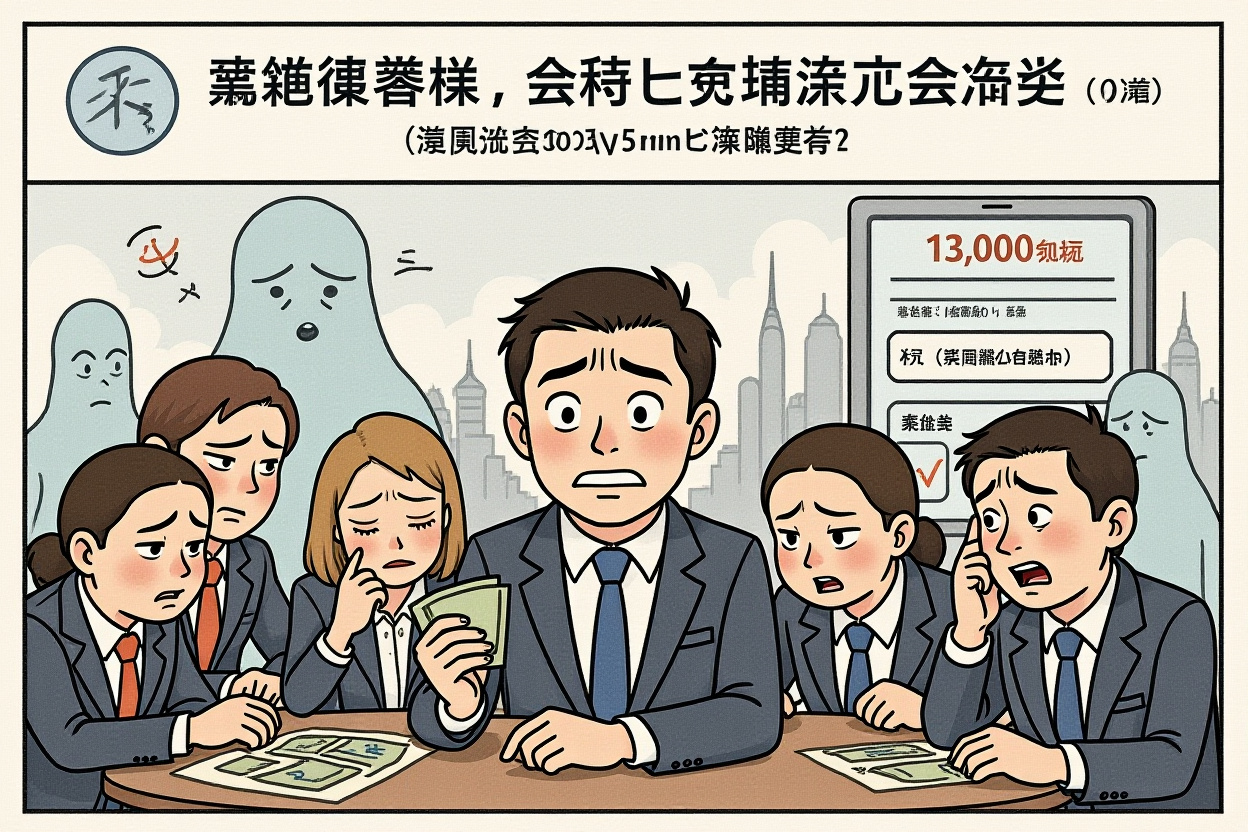
As the Lunar New Year approaches, young professionals across China face a familiar dilemma: the pressure to fund festive expenses—from red envelopes for parents to family vacations—amidst tightening budgets. In this climate, platforms like Fenqile (分期乐) dangle enticing offers, such as recent promotional boosts to credit limits up to 50,000 yuan, promising quick relief. Yet, behind the glossy veneer of financial technology lies a harsh reality where borrowers like Ms. Chen find themselves trapped, having borrowed 13,674 yuan only to owe 26,859 yuan in repayments. This mini-loan phenomenon, characterized by small, accessible credits with extended tenures, is increasingly scrutinized for its opaque fees and aggressive practices, raising critical questions for regulators and investors alike in China’s evolving consumer finance landscape.
Executive Summary: Key Insights on China’s Mini-Loan Sector
– Mini-loans, often marketed with low apparent interest rates, can carry effective annual percentage rates (APRs) nearing 36%, far exceeding regulatory guidelines, due to hidden fees like membership and担保费 (guarantee fees).
– Regulatory tightening, including the People’s Bank of China (中国人民银行) and National Financial Regulatory总局’s 2025 directive capping comprehensive融资成本 (financing costs) at 24%, faces enforcement challenges as platforms innovate fee structures.
– The legacy of校园贷 (campus lending) persists, with platforms like Fenqile accused of targeting students despite past crackdowns, leading to widespread complaints over暴力催收 (violent debt collection).
– Data privacy concerns are rampant, as borrowers often unknowingly consent to sharing sensitive information with third parties, exacerbating risks in digital lending ecosystems.
– For international investors, the mini-loan sector presents both opportunities in China’s growing fintech market and significant risks tied to regulatory non-compliance and reputational damage.
The Allure and Peril of Mini-Loans in Modern China
Mini-loans, or迷你贷 (mini-credit), have surged in popularity among China’s youth, offering seemingly manageable installments for everyday expenses. Platforms like Fenqile capitalize on this demand by advertising low entry barriers, such as “年利率低至8% (annual interest rates as low as 8%)” and minimal daily costs. However, the convenience masks a deeper trap: by stretching small loans over extended periods—sometimes up to 36 months—the cumulative interest and fees can double the principal, as seen in Ms. Chen’s case. This mini-loan model thrives on behavioral economics, enticing users with immediate liquidity while embedding long-term financial burdens.
Case Study: Ms. Chen’s Debt Spiral from 13,674 to 26,859 Yuan
Ms. Chen, a university student at the time, borrowed five loans totaling 13,674 yuan between 2020 and 2021 for routine purchases, including a 400-yuan item split over 36 installments. The contracts listed annual rates between 32.08% and 35.90%, but推销员 (sales promoters) emphasized low monthly payments, such as 18.23 yuan, obscuring the true cost. After stopping repayments in August 2022, her debt ballooned due to penalties and fees, leading to over 1,000 days of逾期 (overdue) status. The psychological toll was severe, with催收人 (debt collectors) notifying her亲友圈 (circle of friends and family), exacerbating stress and highlighting the human cost of these mini-loans. This example underscores how mini-loans can transform modest borrowing into crippling obligations.
How Mini-Loan Mechanics Fuel Debt Accumulation
The core of the mini-loan strategy lies in elongating tenures and layering附加费用 (additional charges). For instance, a 10,000-yuan loan at 8% APR might seem affordable, but when extended to 36 months with担保费 (guarantee fees) or信用评估费 (credit assessment fees), the effective APR can approach 36%. Data from投诉平台 (complaint platforms) like Hei Mao (黑猫投诉) reveals over 160,000 grievances against Fenqile, with users reporting unexplained costs that push综合借贷成本 (comprehensive borrowing costs) to legal limits. This structural opacity makes mini-loans a ticking time bomb for unsuspecting borrowers.
Decoding the Cost Structure: From Low Rates to High Effective APRs
Transparency remains a critical issue in China’s mini-loan sector. While platforms advertise competitive rates, the full cost breakdown is often buried in冗长的电子协议 (lengthy electronic agreements). Borrowers like those from Zhejiang and Sichuan provinces, as reported by中国消费者 (China Consumer), faced实际还款额 (actual repayment amounts) exceeding合同约定 (contractual terms) by thousands of yuan due to hidden fees. For example, one borrower’s 10,300-yuan loan at 6% APR resulted in 12,425.4 yuan repaid—a 1,782-yuan surplus from undisclosed charges. This pattern highlights how mini-loans exploit信息不对称 (information asymmetry) to maximize revenue.
Regulatory Red Lines and Enforcement Gaps
In December 2025, the People’s Bank of China (中国人民银行) and National Financial Regulatory总局 issued the《小额贷款公司综合融资成本管理工作指引》 (Guidelines for the Management of Comprehensive Financing Costs of Small Loan Companies), mandating that new loans not exceed 24% APR and aiming to align with four times the one-year Loan Prime Rate (LPR) by 2027. However, enforcement is lagging, as platforms circumvent rules through fee reclassification. Local金融管理机构 (financial management agencies) are tasked with corrections, but the sheer volume of mini-loan transactions—often via digital channels—complicates oversight. This regulatory gap allows mini-loans to persist near the 36%上限 (ceiling), posing risks for systemic compliance.
The Role of Fee Proliferation in Mini-Loan Profitability
– Membership Fees: Charged for premium services, often auto-enrolled without clear consent.
– Guarantee Fees: Insufficiently disclosed costs for第三方增信 (third-party credit enhancement), as seen in沙某’s case where 1,102.14 yuan was deducted.
– Credit Assessment Fees: Levied for background checks, despite being integral to the lending process.
– Early Repayment Penalties: Discouraging borrowers from settling debts ahead of schedule, locking in interest income.
These fees collectively inflate the true cost of mini-loans, making them a lucrative yet contentious segment for operators like Lexin Group (乐信集团), Fenqile’s parent company.
The Legacy of Campus Lending: Fenqile’s Controversial Roots
Fenqile’s origins trace back to 2013 under founder Xiao Wenjie (肖文杰), who positioned it as a分期购物电商 (installment shopping e-commerce) pioneer. Initially, it gained traction by targeting大学生 (university students) with easy credit—a practice known as校园贷 (campus lending)—that fueled rapid growth. After regulatory scrutiny in 2016 banned such targeted lending, Fenqile rebranded under Lexin Group and listed on Nasdaq in 2017, aspiring to be a正规金融科技公司 (legitimate fintech firm). Yet, evidence suggests that mini-loans still permeate student demographics, with over 922 complaints on Hei Mao referencing校园贷 and reports of promotional stalls on campuses.
Ongoing Ties to Student Borrowers and Ethical Concerns
Despite public distancing, Fenqile’s mini-loan products remain accessible to young adults, including students, through digital interfaces. Complaints detail推广人员 (promotional personnel) entering schools to market loans, often downplaying risks. This continuity raises ethical questions about responsible lending, especially given the higher default rates among financially inexperienced youth. For investors, this history implies reputational vulnerabilities that could affect Lexin Group’s stock performance and regulatory standing.
暴力催收 (Violent Debt Collection) and Privacy Intrusions
Over 20,000 complaints cite aggressive tactics, such as爆通讯录 (exploding contact lists)—where collectors harass borrowers’家人、同事甚至村长 (family, colleagues, and even village heads). This not only violates personal boundaries but also contravenes guidelines from the中国银行业协会 (China Banking Association) on ethical collections. Furthermore, Fenqile’s privacy policy, as investigated by经济参考报 (Economic Reference News), mandates sharing of sensitive data—包括姓名、身份证号码、人脸信息 (including name, ID numbers, facial recognition data)—with第三方商家 (third-party merchants) and清算银行 (clearing banks). Such practices underscore the dark underbelly of mini-loans, where convenience comes at the cost of control over one’s financial and personal information.
Investor Perspective: Risks and Opportunities in China’s Consumer Finance Sector
For global institutional investors and fund managers, China’s mini-loan market presents a dual narrative. On one hand, the demand for small-ticket credit is burgeoning, driven by年轻消费人群 (young consumer demographics) and digital adoption, offering growth potential for firms like Lexin Group. On the other, regulatory headwinds and ethical lapses pose significant risks. The mini-loan segment’s reliance on high APRs and opaque fees makes it susceptible to policy shifts, as seen with the 2025 guidelines. Investors must weigh这些因素 (these factors) when assessing exposure to Chinese fintech equities.
Regulatory Tailwinds and Compliance Imperatives
The regulatory landscape is evolving toward greater consumer protection, which could squeeze margins for mini-loan providers. Companies that proactively align with caps on综合融资成本 (comprehensive financing costs) and enhance transparency may gain competitive advantages. For instance, partnerships with持牌机构 (licensed institutions) like上海银行 (Bank of Shanghai) for funding could mitigate risks, but as seen in投诉 (complaints), borrowers often struggle to identify actual lenders, complicating accountability. Investors should monitor enforcement actions and财报披露 (financial disclosures) for signs of adaptation or non-compliance.
Assessing the Sustainability of Mini-Loan Business Models
– Revenue Diversification: Platforms may need to shift from fee-heavy mini-loans to lower-margin, volume-driven products to stay within regulatory bounds.
– Technology Investments: Leveraging AI for risk assessment could reduce reliance on high-interest补偿 (compensation) for defaults, but this requires upfront capital.
– Market Sentiment: Public backlash over practices like暴力催收 could trigger customer attrition and regulatory penalties, impacting stock valuations.
– Global Comparisons: Learning from international micro-lending models, such as those in Southeast Asia, may offer pathways for sustainable mini-loan operations in China.
Forward-Looking Implications and Strategic Recommendations
The mini-loan crisis in China is more than a consumer issue—it’s a litmus test for the fintech sector’s maturity. As authorities tighten oversight, platforms must prioritize transparency and ethical practices to avoid systemic repercussions. For borrowers, education on financial literacy is crucial to navigate the allure of mini-loans. International investors should conduct thorough due diligence, focusing on companies with robust compliance frameworks and clear cost disclosures. The path forward hinges on balancing innovation with responsibility, ensuring that mini-loans serve as tools for financial inclusion rather than debt traps. Stakeholders across the ecosystem must collaborate to foster a healthier credit environment, where the true cost of borrowing is never hidden behind digital convenience.