



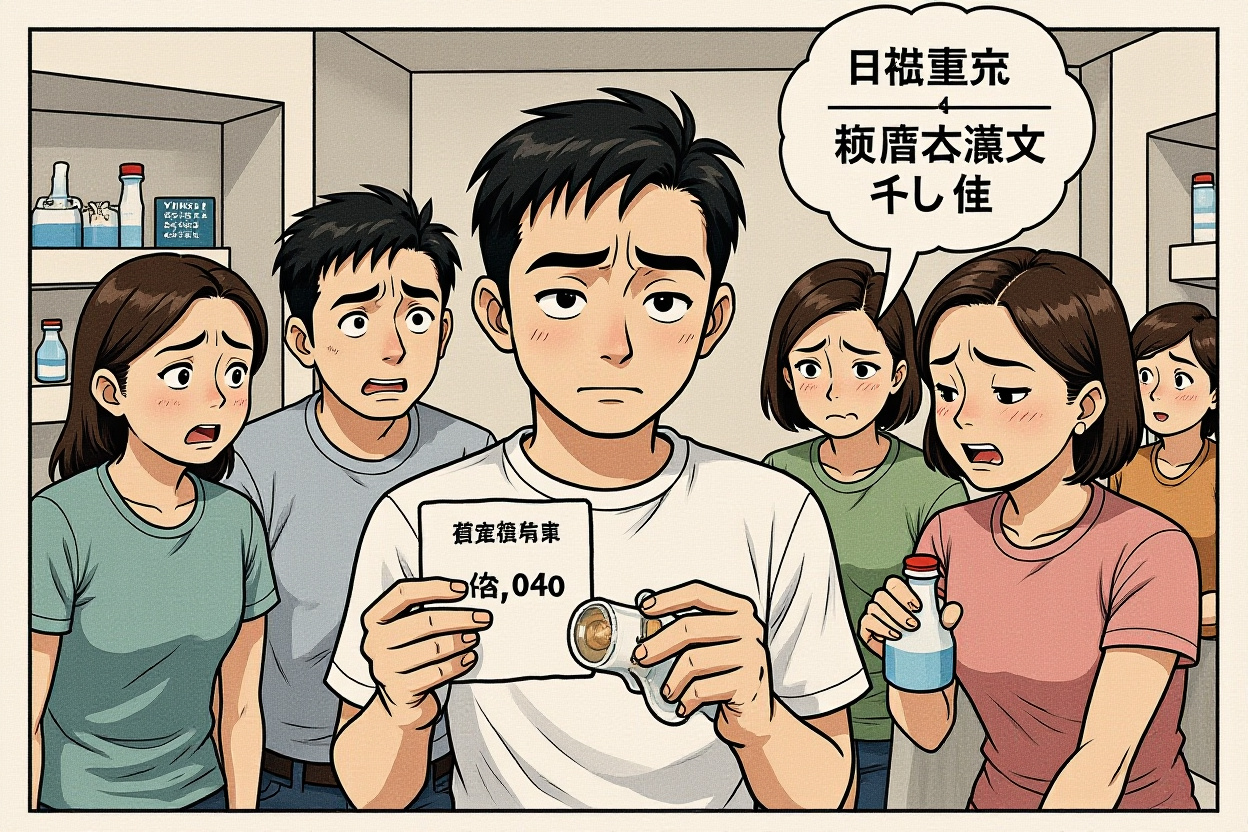
A Stark Reality for Patients and a Biotech in Distress
The fabric of trust in pharmaceutical supply chains is fraying for a group of vulnerable patients in China. A critical, life-extending cancer therapy has vanished from hospital shelves and pharmacies for months, forcing individuals with lymphoma to pay exorbitant out-of-pocket sums—when they can find the drug at all. This unfolding cancer drug supply crisis centers on Linperlisib (林普利塞), a targeted therapy developed by Shanghai Yingli Pharmaceutical Co., Ltd. (璎黎药业, Yingli Pharma), and exposes profound vulnerabilities within China’s ambitious biotech sector. For institutional investors and market watchers, the situation at Yingli Pharma serves as a stark case study in the high-stakes interplay of clinical development, commercial execution, and patient access in the world’s second-largest pharmaceutical market.
Critical Takeaways at a Glance
– Linperlisib (商品名: 因他瑞), a PI3Kδ inhibitor for treating certain lymphomas, has been effectively unavailable through正规渠道 since the fourth quarter of 2025, creating a dire shortage for patients.
– Shanghai Yingli Pharmaceutical Co., Ltd. (璎黎药业), the drug’s developer, is undergoing a contentious office relocation amidst evident financial strain, including numerous lawsuits and supplier debts, despite issuing public denials of operational issues.
– The drug’s failure to secure a key new适应证 and its subsequent removal from the国家医保目录 (National Reimbursement Drug List, NRDL) in late 2025 have severely damaged its commercial viability and patient accessibility.
– Strategic investor and commercialization partner Jiangsu Hengrui Medicine Co., Ltd. (恒瑞医药) has stated that后续合作安排 (follow-up cooperation arrangements) are under communication, introducing significant uncertainty for the drug’s future.
– This incident highlights systemic investment risks in China’s biotech landscape, including over-reliance on single-asset companies and the amplified impact of regulatory and reimbursement setbacks.
The Linperlisib Supply Crisis: From Breakthrough Therapy to Patient Desperation
This cancer drug supply crisis did not emerge overnight but has reached a critical inflection point, directly impacting those who depend on the medication for survival. Linperlisib, a高选择性PI3Kδ抑制剂 (highly selective PI3Kδ inhibitor), was approved in November 2022 by the国家药品监督管理局 (National Medical Products Administration, NMPA) for复发或难治滤泡性淋巴瘤 (relapsed or refractory follicular lymphoma). It was hailed as a significant domestic innovation, leading to a strategic $20 million investment from pharmaceutical giant Hengrui Medicine.
Patient Hardships: “Paying Over 10,000 Yuan and Still Can’t Buy”
The human toll of this disruption is severe and personal. Multiple patients and caregivers have reported being unable to procure Linperlisib since late 2024. For those with外周T细胞淋巴瘤 (peripheral T-cell lymphoma, PTCL)—a group for whom the drug is used off-label after other options fail—the shortage is particularly devastating.
– One caregiver, Yang Yang (pseudonym), detailed to reporters that their family member, diagnosed with PTCL, began responding well to Linperlisib in 2024 after other therapies failed. However, by September 2025, their supply渠道 had dried up.
– The financial burden is crushing: with the drug excluded from医保, the out-of-pocket cost is approximately 11,040 yuan (over $1,500) per bottle, a one-month supply for many. Patients who participated in the company’s patient assistance program (e.g., “buy six bottles, get three free”) report unfulfilled赠药 (free drug) promises, adding financial insult to medical injury.
– On social media platforms, pleas for remaining stocks of Linperlisib have multiplied. One user from Beijing posted in October 2025: “My father has nothing to eat [no medication], seeking any remaining supply.”
This cancer drug supply crisis forces families into impossible choices: risk switching to an alternative therapy with different mechanisms and potential side effects or embark on a frantic, often futile, search for remaining vials.
Yingli Pharma’s Contradictory Narrative: Denials Amidst Eviction
While patients scramble, the company at the center of the storm presents a contrasting picture. Following rumors of its office being sealed, Yingli Pharma issued a声明 (statement) on February 11, asserting all operations were normal and R&D, production, and services were proceeding as planned.
However, on-the-ground observations tell a different story:
– A visit to Yingli Pharma’s registered address in Shanghai’s漕河泾康桥商务绿洲 (Caohejing Kangqiao Business Oasis) revealed交叉贴上的白色封条 (cross-sealed white strips) on doors and entrances.
– Inside, offices were being cleared out, with workers packing laboratory equipment. An employee confirmed the company was in the process of整体搬迁 (complete relocation), citing a dispute with the landlord over租金 (rent), which was reportedly 3.6 yuan per square meter per month.
– The same employee acknowledged outstanding debts to suppliers, stating repayments were being made in installments, and estimated current staff numbers at around 30 people—a significant reduction for a once-promising biotech.
This disconnect between official statements and physical evidence of distress is a major red flag for stakeholders, suggesting deeper operational and financial fissures.
Financial and Regulatory Body Blows: The Downfall of a Star Asset
The current cancer drug supply crisis is the culmination of several consecutive financial and regulatory shocks that have crippled Yingli Pharma’s prospects and directly led to the production and distribution breakdown.
Clinical Setback and the医保 Exclusion Double Whammy
Linperlisib’s path was fraught with pivotal setbacks:
1. Failed Second Indication: In June 2024, the NMPA did not approve Linperlisib’s new drug application for复发和/或难治性外周T细胞淋巴瘤 (relapsed and/or refractory peripheral T-cell lymphoma, R/R PTCL). This was a severe blow, as this broader适应证 represented a significant potential market. Partner Hengrui Medicine stated the application was主动撤回 (voluntarily withdrawn) for further study, but no progress has been reported since.
2. Loss of Reimbursement: After being included in the NRDL for 2024-2025, Linperlisib was调出 (removed) in the 2025 update. Exclusion from the national医保目录 means patients must bear the full cost, drastically reducing affordability and, consequently, the drug’s commercial appeal and sales volume. For a small biotech, losing this key渠道 (channel) can be fatal to cash flow.
Mounting Legal Troubles and Financial Distress
The company’s financial health has visibly deteriorated. According to Tianyan查 (Tianyancha) enterprise data:
– Yingli Pharma has been involved as a defendant in over 30 lawsuits in 2025 alone, concerning买卖合同纠纷 (sales contract disputes),服务合同纠纷 (service contract disputes), and more.
– In October 2025, the company was listed as a被执行人 (person subject to enforcement) by the上海市浦东新区人民法院 (Shanghai Pudong New Area People’s Court) in a case brought by康龙化成 (Pharmaron), a research contractor. The court ordered Yingli Pharma to pay 2.25 million yuan in service fees and违约金 (penalties).
– As a result, the company’s legal representative, HUI MICHAEL XIN (惠欣), was subjected to限高 (restrictions on high-consumption activities), a common enforcement measure in China for debtors.
These legal entanglements and cash constraints inevitably disrupt relationships with contract manufacturers like江苏宣泰药业有限公司 (Jiangsu Xuantai Pharmaceutical Co., Ltd.), which produces Linperlisib for Yingli Pharma, directly contributing to the supply chain breakdown.
The Hengrui Medicine Factor: A Strategic Partnership in the Balance
The future of Linperlisib is inextricably linked to Hengrui Medicine, one of China’s largest pharmaceutical companies. In February 2021, Hengrui invested $20 million for a 6.67% stake in Yingli Pharma and secured the排他性独家商业化权益 (exclusive commercialization rights) for Linperlisib in Greater China.
Investment at a Crossroads
Hengrui’s investment was a significant validation for Yingli Pharma, but the partnership’s value has eroded alongside the drug’s prospects. When contacted about the supply crisis and the future of their collaboration, Hengrui Medicine provided a measured response: “恒瑞医药作为该产品的商业化合作伙伴,始终秉持’以患者为中心’的原则,已在合作框架内积极协助相关事务。关于双方的后续合作安排,目前仍在沟通中,恒瑞医药将继续依法依规推进相关工作。” (“As the commercialization partner for this product, Hengrui Medicine has always adhered to the ‘patient-centric’ principle and has actively assisted with related matters within the cooperation framework. Regarding follow-up cooperation arrangements between the two parties, communication is still ongoing, and Hengrui Medicine will continue to advance related work in accordance with laws and regulations.”)
This statement, while diplomatically supportive, underscores the uncertainty. Hengrui must now weigh the costs and reputational risks of associating with a troubled partner against any potential long-term value of the asset.
Broader Implications for China’s Biotech Sector and Investor Strategy
This cancer drug supply crisis transcends a single company’s failure; it serves as a cautionary tale for investors and policymakers about the fragility of innovation-driven biotechs in China.
The Peril of Single-Asset Dependence
Yingli Pharma’s pipeline reveals a classic vulnerability:除了林普利塞,璎黎药业的其他管线大多处于临床早期阶段 (aside from Linperlisib, most of Yingli Pharma’s other pipelines are in early clinical stages). The company’s fate was tied almost entirely to one drug. When that drug faced clinical and reimbursement setbacks, the entire enterprise lacked a financial buffer or alternative revenue stream. For investors, this highlights the critical need to assess pipeline depth and diversification when evaluating biotech bets.
Market Confidence and the Funding Environment
Incidents like this can chill investor sentiment toward early-stage biotechs, particularly those without robust commercialization experience or strong balance sheets. It reinforces the importance of:
– Conducting rigorous due diligence on a company’s operational capabilities and supply chain management.
– Understanding the nuances of China’s医保 negotiation process and the commercial impact of inclusion or exclusion.
– Monitoring partnership health between small biotechs and their larger commercialization partners.
The cancer drug supply crisis at Yingli Pharma may lead institutional investors to demand more conservative milestones and stronger covenants in future financing deals for similar companies.
Navigating Forward: Pathways for Patients, the Company, and the Market
Resolving this crisis requires coordinated action from multiple stakeholders to prevent further patient harm and restore some degree of market order.
Immediate Patient Support and Alternative Avenues
In the short term, patients are left seeking alternatives:
– Other targeted therapies for淋巴瘤 (lymphoma) exist, such as戈利昔替尼 (Golixitinib,商品名: 高瑞哲) and泽美妥司他 (Zemituosita,商品名: 艾瑞璟), but cost,医保 coverage, and individual patient response vary greatly.
– Patient advocacy groups and medical associations may need to step in to provide guidance and lobby for emergency access solutions or price concessions for alternative treatments.
– Regulatory bodies like the NMPA and the国家医疗保障局 (National Healthcare Security Administration, NHSA) could face pressure to intervene in cases where essential drug supplies are severely disrupted, though mechanisms for such intervention are not always clear.
Strategic Options for Yingli Pharma and Asset Resolution
For Yingli Pharma, the paths are narrow but may include:
1. A structured restructuring or bankruptcy process to settle debts and potentially sell the Linperlisib asset to a more financially stable entity.
2. A renegotiated and potentially downsized partnership with Hengrui Medicine, where Hengrui takes on more control or ownership of the drug’s production and supply chain to restore availability.
3. Seeking emergency financing from other investors or through government-backed industry support funds, though this seems challenging given the current legal overhang.
The most likely outcome may involve the asset—Linperlisib—finding a new home with a company better equipped to manage its manufacturing, distribution, and future clinical development.
Synthesizing the Crisis: Lessons from a Supply Chain Failure
The Linperlisib shortage is a multifaceted disaster. It is a human tragedy for patients cut off from a vital treatment, a business failure for a once-promising innovator, and a warning signal for the entire Chinese biopharmaceutical investment community. This cancer drug supply crisis underscores that scientific innovation alone is insufficient; robust commercialization strategies, resilient supply chains, and prudent financial management are equally critical for sustainable success.
The call to action is clear for different market participants:
– For institutional investors and fund managers: Deepen your operational due diligence on biotech holdings. Look beyond clinical data to assess commercialization readiness, partner dependencies, and financial runway.
– For corporate executives in pharma and biotech: Build contingency plans for key product supply chains and engage proactively with reimbursement authorities to secure sustainable market access.
– For regulators and policymakers: Consider strengthening oversight and support mechanisms to prevent critical drug shortages, potentially through early warning systems or requirements for supply chain transparency from marketing authorization holders.
The resolution of this specific crisis will be closely watched as a bellwether for how China’s dynamic but often volatile biotech sector addresses systemic weaknesses. Ensuring patient access to life-saving medicines must remain the paramount goal, guiding all efforts to stabilize and learn from this profound supply chain failure.