



Executive Summary
– This investigation reveals the harsh realities faced by elderly residents in China’s Wuling Mountain region, who survive on minimal pensions of around 100 yuan per month while battling chronic pain and economic isolation.
– The report traces the historical contributions of these farmers through the ‘gong liang’ (交公粮) agricultural tax system, highlighting intergenerational equity issues in China’s social security framework.
– Despite national poverty alleviation successes, systemic gaps in the Chinese rural pension system persist, affecting rural consumption patterns and healthcare accessibility.
– Expert analysis suggests targeted pension reforms and community-based models could alleviate pressure, with implications for sectors like healthcare, insurance, and rural development.
– The situation underscores broader economic risks related to demographic aging and social stability, key considerations for investors in Chinese equities.
A Quiet Crisis in the Deep Mountains
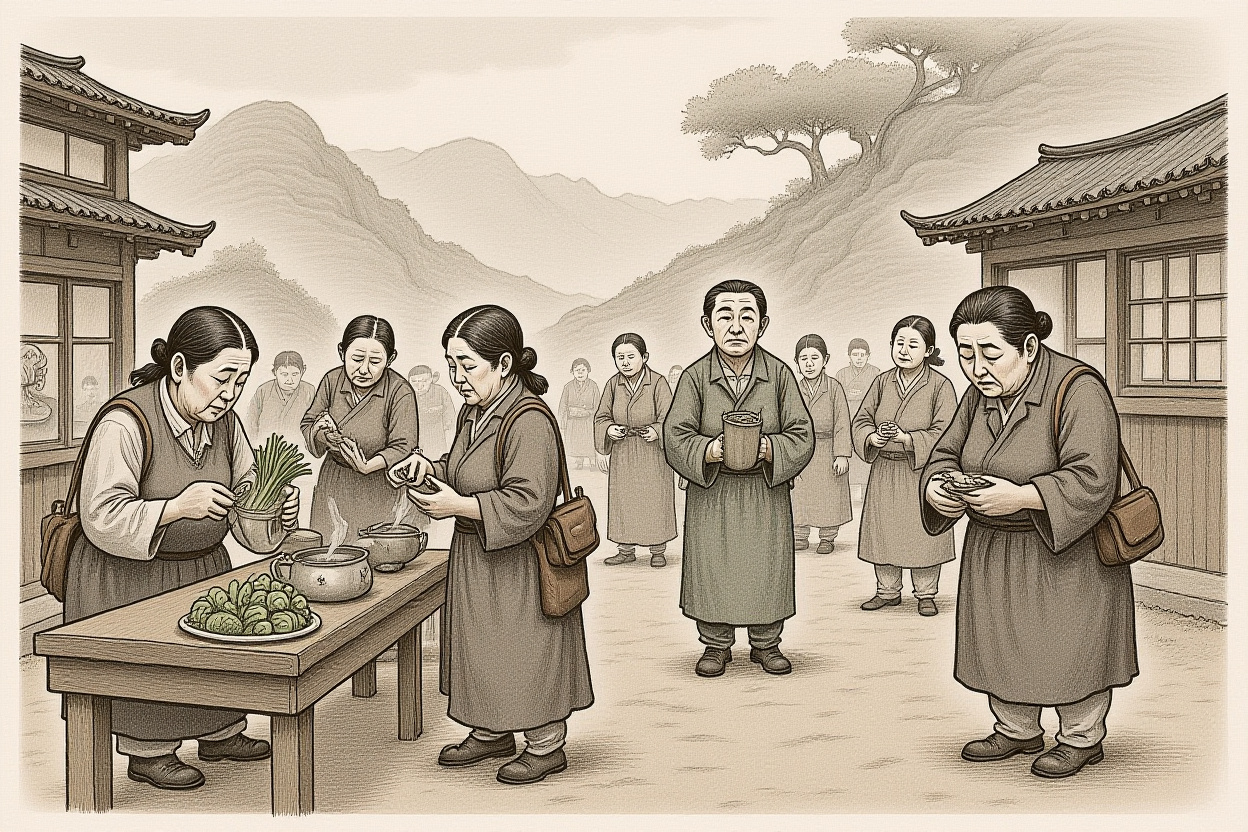
In the mist-shrouded villages of Enshi Prefecture (恩施州), deep within the Wuling Mountains (武陵山区), a silent economic struggle unfolds daily. Elderly farmers like Zhou Tongmei (周仝妹) rise at dawn to sell vegetables in near-empty markets, their backs bent from decades of labor, their pockets lined with nothing but hope and a monthly pension of just over 100 yuan. This scene, captured by Phoenix Net’s ‘Storm Eye’ (凤凰网《风暴眼》), is not merely a social footnote; it is a critical stress point in China’s economic landscape. For institutional investors and corporate executives focused on Chinese equity markets, understanding the fragility of the Chinese rural pension system is essential to gauging consumer resilience, healthcare demand, and the sustainability of rural revitalization policies. As China navigates demographic shifts and aims for common prosperity, the plight of these elders offers a sobering lens on the human cost of development gaps and the urgent need for inclusive growth strategies.
The Silent Struggle: Daily Life on a Hundred-Yuan Pension
For the elderly in remote areas like Enshi, the Chinese rural pension system provides a foundational but insufficient safety net. With the national minimum standard for urban and rural resident basic pensions recently raised to 163 yuan per month, realities on the ground remain starkly different from policy papers.
Chronic Pain and Cost-Cutting Measures
Zhou Tongmei (周仝妹), 71, exemplifies the daily calculus of survival. Her pension, combined with meager earnings from selling vegetables—some days as low as 2 yuan—must cover food, utilities, and healthcare. Chronic lumbar pain forces her to rely on homemade remedies, such as boiling loofah sponges and Sichuan peppercorns, because pharmaceutical painkillers are unaffordable. This pattern is widespread:
– Yang Zaohua (杨枣花), 63, spends her pension on medications for gastritis and kidney issues, often stretching supplies until the next payment arrives.
– Shi Zhu (石柱), a lifelong bachelor in his 60s, consumes over-the-counter pain relievers like ibuprofen daily for arthritis, with decades of manual labor in coal mines leaving his hands permanently deformed.
– Li Tian (李田), 75, applies toothpaste to his swollen ankles as a makeshift analgesic for rheumatism, unable to afford proper treatment.
These stories highlight a critical failure in the Chinese rural pension system to buffer against the healthcare costs associated with aging, directly impacting quality of life and economic productivity in rural communities.