



Executive Summary
– Mini-loan platforms in China, such as Fenqile (分期乐), lure young borrowers with low upfront payments but trap them in debt cycles through opaque fees and effective annual percentage rates (APRs) nearing 36%, far exceeding regulatory caps.
– Despite new guidelines from the People’s Bank of China (中国人民银行) and the National Financial Regulatory Administration (国家金融监督管理总局) capping comprehensive financing costs at 24%, platforms exploit loopholes with extended terms and hidden charges, raising serious compliance concerns.
– Fenqile’s business model remains tied to its controversial origins in campus lending, with ongoing reports of targeting students and employing aggressive, sometimes violent, debt collection tactics that harm borrowers’ mental health.
– Data privacy issues are pervasive, as these platforms collect and share extensive personal information with third parties, increasing borrower vulnerability and regulatory risks.
– For institutional investors and market participants, understanding the sustainability of mini-loan models is crucial amid tightening regulations and potential consumer backlash, highlighting the need for enhanced due diligence and ethical investment strategies.
The Hidden Dangers of China’s Mini-Loan Boom
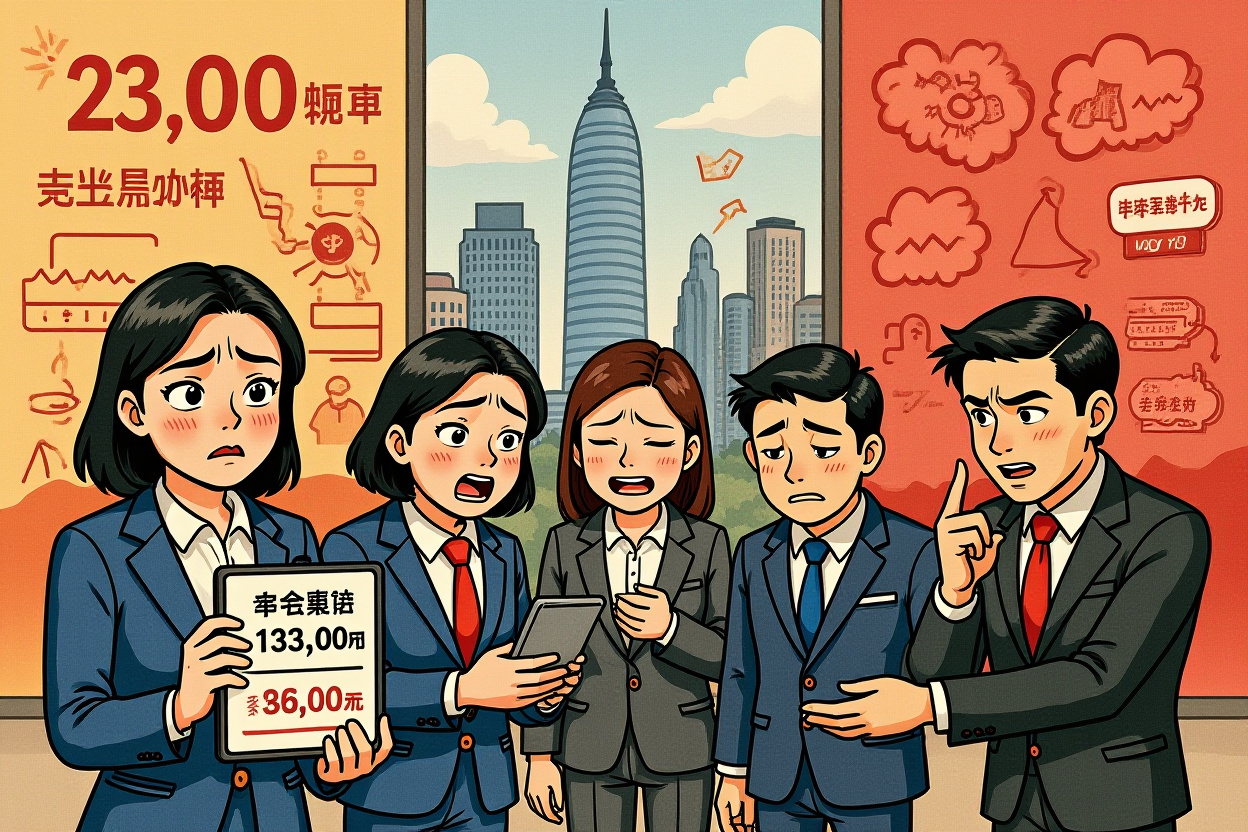
As the Lunar New Year approaches, many young Chinese face financial pressure to gift red envelopes to parents, give lucky money to children, and fund family trips. Platforms like Fenqile (分期乐) offer tempting solutions with promises of instant credit and low monthly payments. However, beneath the veneer of financial technology lies a troubling reality: mini-loans are increasingly draining the youth through deceptive practices and exorbitant costs. This article delves into the mechanisms of these loans, regulatory responses, and the broader implications for China’s equity markets and global investors.
The Allure and Trap of Mini-Loans
Mini-loans, characterized by small amounts and extended repayment periods, appear accessible but often lead to significant debt accumulation. The case of Ms. Chen, which recently sparked outrage on social media, exemplifies this trap.
Case Study: Ms. Chen’s Debt Spiral
While in university, Ms. Chen borrowed 13,674 yuan from Fenqile (分期乐) across five loans, including one for just 400 yuan stretched over 36 months. Lured by promises of “low interest” and “monthly payments as low as 18.23 yuan,” she now faces a total repayment of 26,859 yuan—nearly double the principal—with APRs ranging from 32.08% to 35.90%. After defaulting in August 2022, she endured over 1,000 days of aggressive collection, including harassment of her family and friends, leading to severe depression. This mini-loan debacle highlights how platforms target vulnerable borrowers with unsustainable debt structures.
Opaque Fees and Skyrocketing Costs
Fenqile (分期乐) advertises annual rates as low as 8% and daily interest of 2.2 yuan per 10,000 yuan borrowed, but hidden fees inflate costs. On consumer complaint platforms like Black Cat (黑猫投诉), over 160,000 grievances accuse Fenqile of adding unauthorized charges such as membership fees, guarantee fees, and credit assessment fees, pushing effective APRs to the legal limit of 36%. For instance, a borrower from Zhejiang reported actual repayments exceeding contractual amounts by approximately 1,782 yuan on a 10,300 yuan loan, while another from Sichuan was charged 1,102.14 yuan in undisclosed guarantee fees. These practices, often buried in lengthy electronic agreements, violate transparency norms and erode consumer trust in mini-loan products.
Regulatory Crackdown and Compliance Gaps
Chinese authorities have stepped up oversight, but enforcement challenges persist, allowing mini-loan platforms to operate in gray areas.
New Guidelines on Lending Costs
Enforcement Challenges and Market ResponseFenqile’s Controversial Business ModelFenqile (分期乐), operated by Lixi Group (乐信集团), exemplifies the transformation—and lingering issues—of China’s online lending industry.
From Campus Loans to Financial Tech
Persistent Ties to Student Lending and Aggressive CollectionsData Privacy and Aggressive Collection PracticesMini-loan platforms exploit personal data to maximize returns, raising concerns about consumer protection and regulatory oversight.
Information Harvesting and Sharing
Impact on Borrowers’ Mental Health and Market PerceptionMarket Implications and Investor InsightsThe mini-loan phenomenon offers critical lessons for sophisticated investors in Chinese capital markets, where regulatory arbitrage and consumer behavior intersect.
Risks for Lixi Group and Similar Platforms
Opportunities for Regulatory Arbitrage and Ethical InvestingNavigating the Future of China’s Lending LandscapeMini-loans have exposed deep flaws in China’s consumer credit ecosystem, from opaque pricing to aggressive collections. Regulatory efforts are underway, but effective implementation requires stronger enforcement and consumer education. For institutional investors and fund managers, key takeaways include: the need to monitor APR caps and fee structures in fintech portfolios, assess the ethical implications of lending practices, and anticipate regulatory changes that could reshape market leaders. As China’s equity markets evolve, a proactive approach to due diligence—emphasizing transparency and compliance—will be essential for mitigating risks and capitalizing on sustainable growth opportunities in the financial technology sector.