



– Mini loan platforms like Fenqile (分期乐) attract young borrowers with low monthly payments but ensnare them in debt spirals through interest rates approaching 36%, doubling repayment amounts. – Regulatory measures from the People’s Bank of China (中国人民银行) and National Financial Regulatory Administration (国家金融监督管理总局) aim to cap loan costs at 24%, but platforms evade rules via hidden fees and extended terms. – Fenqile’s parent company, Lexin Fintech Holdings Ltd. (乐信集团), faces ongoing scrutiny over its origins in campus lending and allegations of targeting students with aggressive collection practices. – Consumer complaints on platforms like Hei Mao (黑猫投诉) exceed 160,000, highlighting systemic issues with transparency, privacy breaches, and debt collection abuses. – Investors in Chinese fintech equities must assess regulatory risks and ethical concerns as tighter oversight could impact profitability and market stability.
The Hidden Crisis Behind China’s Mini Loan Boom
As Lunar New Year festivities prompt spending on gifts and travel, mini loan platforms are capitalizing on cash-strapped young consumers with offers of easy credit. However, beneath the veneer of financial convenience lies a deepening debt trap that is systematically draining the financial resilience of China’s youth. This investigation uncovers how platforms like Fenqile (分期乐) are leveraging opaque fee structures and high interest rates to push borrowers into cycles of repayment that far exceed original loans, raising urgent questions for regulators, investors, and the broader financial ecosystem. The proliferation of mini loans—small-amount, long-term credit products—reflects both the demand for flexible financing and the predatory practices threatening consumer protection in China’s rapidly evolving fintech landscape.
Case Study: Ms. Chen’s Descent into Debt
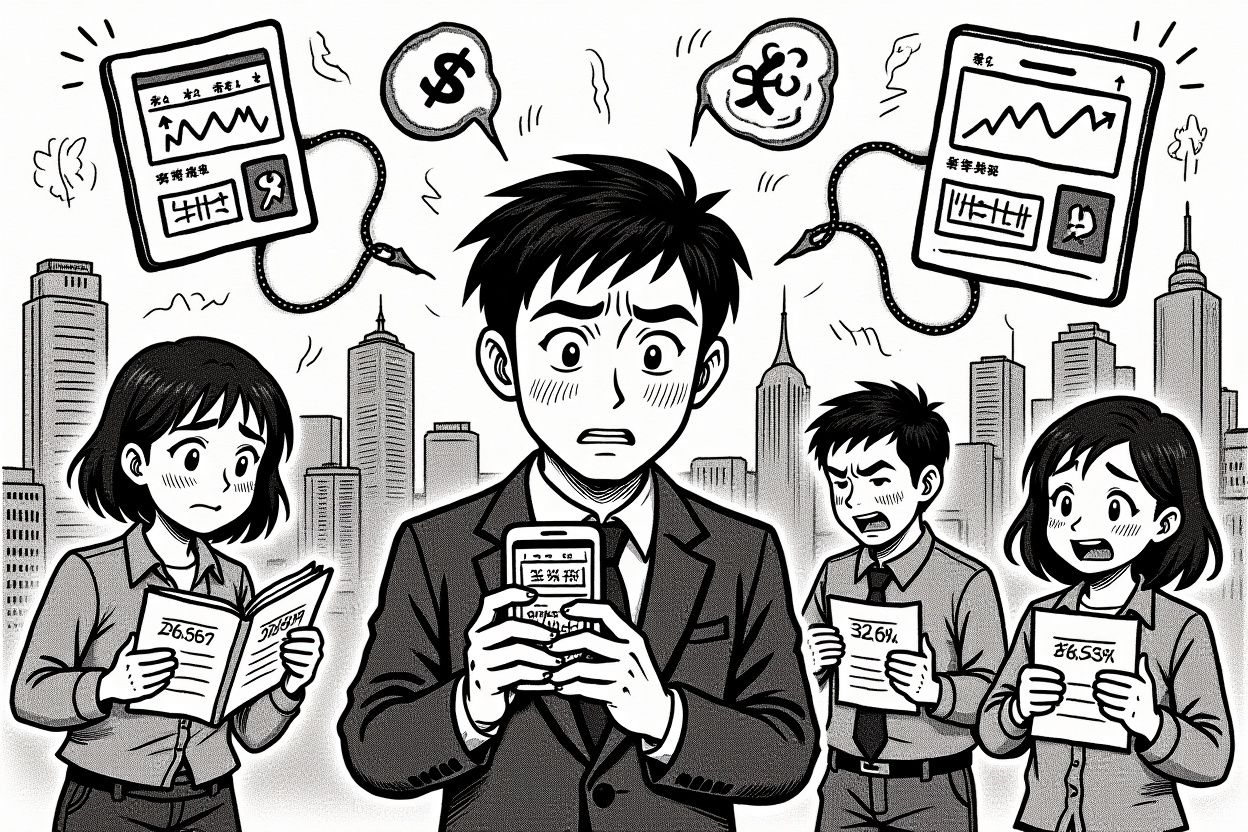
In a stark illustration of the mini loan trap, Ms. Chen, a university student, borrowed a total of 13,674 yuan from Fenqile between 2020 and 2021 for everyday expenses, including a 400-yuan purchase stretched over 36 months. Promised “low interest” and minimum monthly payments as low as 18.23 yuan, she took out five loans with annualized rates ranging from 32.08% to 35.90%. Today, after ceasing payments in August 2022 due to financial strain, she faces a total repayment of 26,859 yuan—nearly double the principal—and has endured over 1,000 days of delinquency. The psychological toll has been severe: debt collectors notified her family, friends, and even her spouse, exacerbating depression and social isolation. This case, which recently trended on Weibo, underscores how mini loans can transform manageable debts into insurmountable burdens through extended terms and compounded costs.
Decoding the Opaque Fee Structure
Fenqile’s marketing touts annual rates as low as 8% and daily interest starting at 2.2 yuan per 10,000 yuan borrowed, but the reality for borrowers is often a maze of hidden charges. Complaints on Hei Mao (黑猫投诉), a consumer rights platform, reveal that users are routinely hit with undisclosed fees for membership, guarantees, and credit assessments, pushing effective annualized costs toward the 36% legal ceiling. For instance, one borrower from Zhejiang province reported that a 10,300-yuan loan at a contracted 6% rate resulted in actual repayments of 12,425.4 yuan—an extra 1,782 yuan in hidden fees. Similarly, a borrower from Sichuan was charged 1,102.14 yuan in guarantee fees without clear disclosure during the loan process. These practices violate regulatory guidelines that require transparent pricing, highlighting a critical gap between policy intent and platform execution in the mini loan sector.
Fenqile’s Controversial Roots and Persistent Targeting
The rise of Fenqile is inextricably linked to the contentious history of campus lending in China. Founded in 2013 by entrepreneur Xiao Wenjie (肖文杰), the platform initially gained traction by offering loans to university students for electronics and other goods, fueling rapid growth that led to Lexin Fintech’s Nasdaq listing in 2017. Despite regulatory crackdowns on campus loans in 2016, which forced a rebranding toward “fintech,” evidence suggests that Fenqile has not fully shed its student-focused approach. Searches on Hei Mao for “Fenqile campus loans” yield over 922 complaints, with users alleging that promotional agents still operate on campuses and that borrowers are often students unaware of the long-term consequences. This ongoing targeting raises ethical and legal concerns, particularly as young adults with limited financial literacy become ensnared in debt cycles.
From Campus Lending to Fintech Giant
Lexin Fintech’s journey from a dorm-room startup to a publicly traded company mirrors the evolution of China’s consumer credit market. By partnering with licensed institutions like Shanghai Bank (上海银行), Fenqile positioned itself as a provider for “creditworthy consumers,” but its core business model remains reliant on high-volume, small-ticket loans that maximize interest income over extended periods. The company’s financial disclosures often highlight transaction volumes—reaching trillions of yuan—but gloss over the human cost of aggressive lending. For investors, this growth narrative is tempered by regulatory risks; as authorities tighten rules, Lexin’s profitability from mini loans could face significant headwinds, impacting its stock performance on U.S. exchanges.
Aggressive Collection and Privacy Violations
Beyond lending, Fenqile’s debt collection practices have drawn widespread condemnation. Over 20,000 complaints detail tactics such as harassing phone calls, threats to family members, and public shaming via social networks—a form of “violence through communication” that exacerbates borrowers’ mental health struggles. Moreover, the platform’s privacy policies, which users must accept to access loans, grant sweeping data-sharing permissions with third parties including payment processors, credit enhancers, and even industry associations. A report by Economic Reference News (经济参考报) noted that Fenqile collects sensitive information like ID photos, facial recognition data, and location details, creating risks of misuse. This combination of intrusive data collection and coercive collection methods paints a picture of a system designed to maximize recovery at the expense of consumer dignity and legal boundaries.
Regulatory Landscape and Enforcement Challenges
In response to mounting consumer distress, Chinese regulators have stepped up efforts to rein in mini loan abuses. On December 19, 2025, the People’s Bank of China (中国人民银行) and National Financial Regulatory Administration (国家金融监督管理总局) jointly issued the “Guidance on Comprehensive Financing Cost Management for Small Loan Companies,” which prohibits new loans with annualized costs exceeding 24% and mandates a phase-down to within four times the one-year Loan Prime Rate (LPR) by end-2027. The rules also stipulate that from 2026 onward, local financial authorities must correct violations, halt new lending, and incorporate oversight into dynamic credit reporting systems. However, enforcement remains patchy, as platforms like Fenqile exploit loopholes through fee rebranding and term extensions. For instance, by labeling excess charges as “service fees” or “insurance,” lenders can technically comply with interest caps while still pushing effective rates toward 36%, undermining the spirit of regulatory protection for vulnerable borrowers.
The Gap Between Policy and Practice
Despite clear directives, the mini loan industry’s adaptability poses a persistent challenge. Fenqile’s model of offering “400 yuan over 36 months” exemplifies how stretching repayment periods can mask high costs, making debts appear manageable while ballooning total outlays. Regulatory scrutiny often focuses on headline interest rates, but hidden fees—such as those for credit assessment or guarantees—escape easy detection. This opacity is compounded by the electronic nature of loan agreements, where critical terms are buried in lengthy contracts. As a result, consumers like Ms. Chen find themselves trapped without recourse, even as official guidelines promise relief. For investors monitoring Chinese financial stocks, this enforcement gap signals volatility, as stricter audits or penalties could abruptly impact fintech valuations.
Global Implications for Fintech Investment
The mini loan saga in China holds lessons for international investors eyeing high-growth fintech sectors. Lexin Fintech’s U.S. listing means its practices are subject to both Chinese regulation and global market sentiment. Recent trends show that consumer protection failures can trigger sell-offs, as seen with other lending platforms facing regulatory actions. Moreover, as China intensifies its campaign against financial risk, companies reliant on high-interest mini loans may see compressed margins, affecting earnings projections. Sophisticated investors should therefore look beyond top-line growth to assess compliance metrics, customer complaint ratios, and adaptability to evolving rules—factors that will determine long-term sustainability in an increasingly scrutinized environment.
Broader Market Impact and Consumer Protection Pathways
The proliferation of mini loans is not just a consumer issue but a macroeconomic concern, potentially exacerbating household debt levels and financial instability among young demographics. With China’s youth unemployment a persistent challenge, easy credit offers a temporary fix but long-term peril, as debt servicing diverts income from savings and investment. From a market perspective, the mini loan sector’s practices could spill over into broader credit markets, affecting risk perceptions for consumer finance asset-backed securities (ABS) and related financial instruments. For instance, if delinquency rates rise due to unsustainable lending, it could tighten credit conditions and impact liquidity in China’s shadow banking system, with ripple effects across equity markets tied to consumer spending and fintech innovation.
Empowering Borrowers Through Transparency
To combat mini loan abuses, enhanced transparency is paramount. Regulatory bodies could mandate standardized disclosure formats that clearly break down all costs—including fees, insurance, and interest—in a concise, upfront manner. Platforms like Fenqile should be required to provide amortization schedules before loan approval, allowing borrowers to see total repayment amounts over time. Additionally, strengthening financial education initiatives, particularly for students and young adults, can build resilience against predatory marketing. The China Banking and Insurance Regulatory Commission (CBIRC) has piloted such programs, but broader collaboration with fintech firms is needed to ensure that convenience does not come at the cost of comprehension. For investors, supporting companies that prioritize ethical lending can align profit motives with social responsibility, potentially yielding more stable returns.
Strategic Moves for Institutional Stakeholders
For fund managers and corporate executives engaged in Chinese equities, the mini loan crisis offers a case study in ESG (Environmental, Social, and Governance) integration. Assessing fintech holdings requires due diligence on lending practices, collection methods, and regulatory compliance—factors that can materially affect stock performance. Proactive engagement with companies like Lexin Fintech to advocate for clearer fee structures and fair collection policies can mitigate reputational risks. Moreover, diversifying into alternative consumer finance models, such as those leveraging artificial intelligence for responsible credit scoring, may present growth opportunities without the ethical baggage of traditional mini loans. As global standards for sustainable finance evolve, aligning portfolios with consumer protection norms will be crucial for long-term value creation in China’s dynamic market.
Navigating the Future of Mini Loans in China
The mini loan industry stands at a crossroads, balancing innovation with imperative consumer safeguards. While platforms like Fenqile have democratized access to credit, their reliance on high-interest, opaque products threatens to undermine financial health for a generation. Regulatory pressures are mounting, but true reform will require concerted action from all stakeholders—lenders to adopt transparent pricing, authorities to enforce existing rules stringently, and investors to demand ethical business practices. For young borrowers, the path forward involves cautious engagement with digital credit, utilizing tools like the National Credit Information Sharing Platform (国家信用信息共享平台) to monitor debts and report abuses. As China’s financial ecosystem matures, the lessons from the mini loan debacle will shape broader policies on consumer protection and fintech governance, influencing everything from household stability to market confidence. Ultimately, fostering a culture of responsible lending is not just a regulatory goal but a foundational element for sustainable economic growth.