



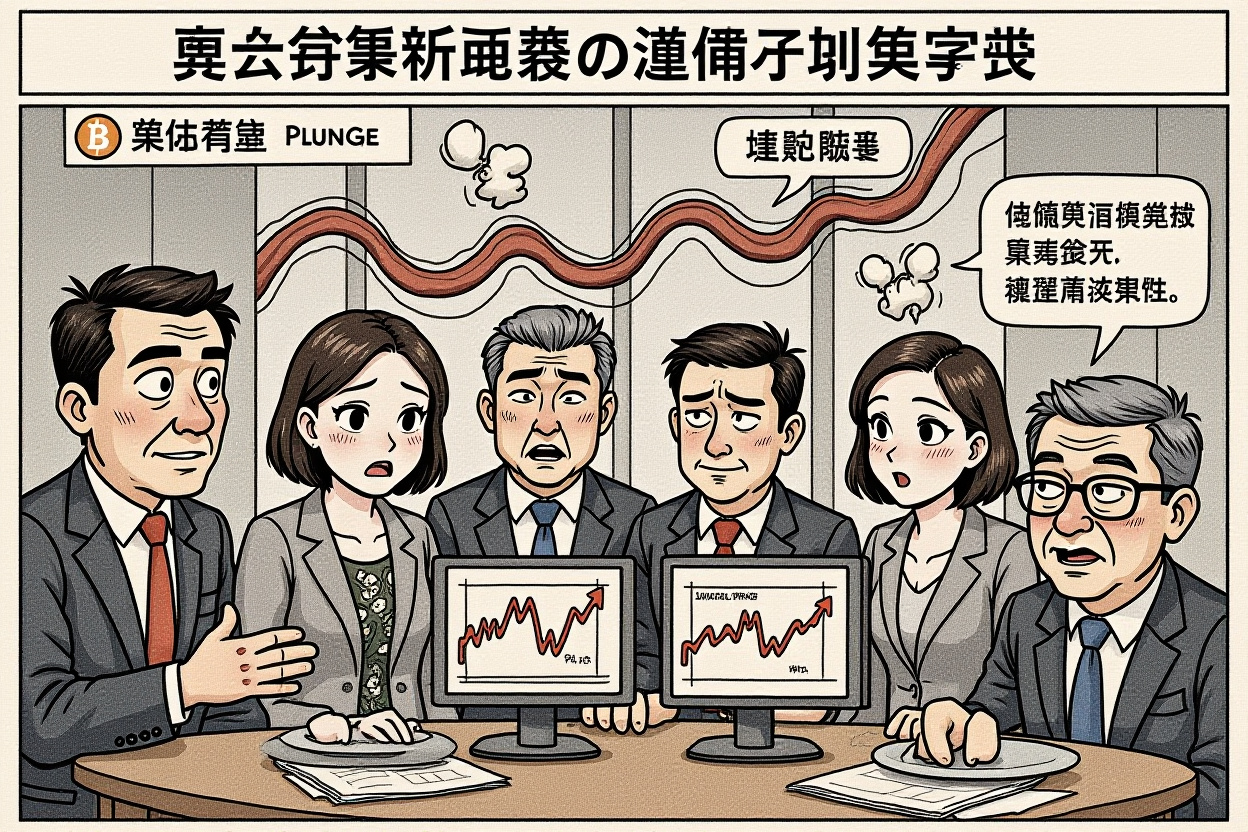
Executive Summary: Key Takeaways from Bitcoin’s Volatile Surge
Bitcoin volatility has returned with a vengeance, defining a dramatic 48-hour period in cryptocurrency markets. The following points capture the core developments and their significance for sophisticated market participants. – Bitcoin (BTC) staged a massive 13% rally on Friday, climbing to approximately $71,469 and nearly recovering all losses from a steep sell-off the previous day that had pushed prices toward $60,000. – Market volatility metrics skyrocketed, with Bitcoin’s implied volatility index nearly doubling and experiencing its most intense swings since the collapse of cryptocurrency exchange FTX. – The extreme price action was fueled by a vicious cycle of leveraged position liquidations, significantly reduced market liquidity, and shifting investor sentiment, leading to over $2.1 billion in bullish crypto bets being forcibly closed. – Major altcoins like Ethereum (ETH) and Solana (SOL) participated in the bounce, but analysts remain cautious, citing a lack of fundamental catalysts and persistent headwinds for the broader digital asset class. – The event underscores Bitcoin’s ongoing challenge as a short-term store of value and highlights critical liquidity risks that can amplify moves in both directions, presenting both peril and opportunity for traders.
The Crypto Rollercoaster: A 48-Hour Saga of Plunge and Rebound
The cryptocurrency market has forcefully reminded investors of its capacity for breathtaking volatility. In a stunning display of market whiplash, Bitcoin, the flagship digital asset, erased nearly all of a severe Thursday decline with a powerful Friday rally, reigniting debates about its stability and role in global portfolios. This Bitcoin volatility episode serves as a potent case study in modern market mechanics, where leverage, liquidity, and sentiment collide to create explosive price movements. For international investors focused on Chinese equity markets, understanding these dynamics is crucial, as digital asset trends increasingly influence broader risk appetite and capital flows in and out of Asia.
Thursday’s Rout: Unwinding Leverage and Eroding Confidence
The stage was set on Thursday when a wave of selling pressure engulfed cryptocurrency markets. Bitcoin plummeted, briefly threatening the $60,000 level for the first time since October 2024. This move represented a decline of over 50% from the peak reached in October of the previous year, pushing the market into deeply oversold territory. The sell-off was not isolated; it was part of a broader downturn that has persisted since a series of violent liquidations shook market confidence last autumn. This week, the downward momentum accelerated as highly leveraged speculative bets unwound amidst wider financial market instability. Data from analytics firm CoinGlass revealed that the cascade of liquidations was significant, wiping out billions in leveraged positions across various exchanges and exacerbating the downward spiral.
Friday’s Resurgence: A Relief Rally or a Sustainable Turnaround?
In a dramatic reversal, Bitcoin surged approximately 13% on Friday. This rally, one of the largest single-day gains in nearly three years, saw the asset claw back to the $71,000 range. Other major cryptocurrencies joined the ascent. Ethereum and Solana each rose around 9%, while XRP posted an extraordinary gain of over 30%. The rapid rebound prompted immediate analysis from market observers. Noelle Acheson, author of the “Crypto is Macro Now” newsletter, characterized the move as a “relief bounce after the selling wave exhausted itself,” noting similar bottoming patterns in traditional safe-havens like gold and silver. However, the weekly performance remained deeply negative, with Bitcoin still down over 15% from the previous Friday’s close above $84,000, highlighting the severity of the initial downturn.
Dissecting the Surge in Bitcoin Volatility
The most striking feature of this market event is the sheer magnitude of the price swings. Bitcoin volatility isn’t merely elevated; it has reached levels that recall periods of extreme market stress. This volatility spike is a double-edged sword: it represents heightened risk but also the potential for outsized returns that active traders traditionally seek. Understanding the metrics behind this move is essential for gauging market health and anticipating future turbulence.
Quantifying the Chaos: Volatility Metrics Hit Multi-Year Highs
Several data points illustrate the extreme nature of the market’s movements. The Bitcoin Volmex Implied Volatility Index (BVIV), a key gauge derived from options prices that reflects expectations for price swings over the next 30 days, skyrocketed from 57% on Thursday to over 97% on Friday. This near-doubling signals that traders are pricing in a highly unstable environment. Furthermore, research from Kaiko indicates that Bitcoin is experiencing its most turbulent price action since the implosion of the FTX exchange in 2022. Market depth—a measure of the order book’s resilience to large trades—remains more than 35% below October levels, a deficiency last seen in the aftermath of FTX’s collapse. In such a low-liquidity environment, even moderate buy or sell orders can trigger disproportionate price impacts.
Historical Parallels and the Liquidity Conundrum
The current liquidity crunch draws direct comparisons to past crypto crises. Pratik Kala, Head of Research at digital asset hedge fund Apollo Crypto, observed, “Bitcoin’s volatility has doubled from last week. Participants like us have realized this is a blood-in-the-water moment and are actively stepping in to buy.” This sentiment captures the opportunistic mindset that emerges during high Bitcoin volatility periods. However, the thin order books mean that today’s rally, while impressive, could be fragile. Adam McCarthy, a Research Analyst at Kaiko, cautioned, “Market activity is noticeably lower, so even a small amount of dip-buying can push the price up. But I would be very surprised if this continues—the overall sentiment hasn’t improved, and headwinds far outweigh tailwinds.”
The Engine Room: Leverage, Liquidations, and Market Structure
Beneath the surface of the price charts, specific mechanical forces amplified the Bitcoin volatility. The widespread use of leverage in cryptocurrency trading creates a feedback loop where falling prices trigger forced sales, which push prices down further, leading to more liquidations. This dynamic was a primary driver of the Thursday plunge and the subsequent sharp rebound as selling pressure abruptly ceased.
The Liquidation Cascade: $2.1 Billion in Bullish Bets Erased
According to CoinGlass data, approximately $2.1 billion worth of long (bullish) positions across the entire cryptocurrency market were liquidated in the 24 hours surrounding the crash. This mass forced selling from over-leveraged traders acted as a powerful accelerant for the decline. When these positions were finally cleared, the absence of this selling pressure, coupled with opportunistic buying from entities like Apollo Crypto, helped fuel the vigorous bounce. This cycle is a hallmark of high Bitcoin volatility environments and underscores the risks associated with excessive leverage, a common feature in crypto derivatives markets.
Institutional Ripples: MicroStrategy’s Paper Losses and ETF Flows
The volatility impacted not just speculative traders but also prominent institutional holders. MicroStrategy, the enterprise software firm turned Bitcoin treasury vehicle led by executive chairman Michael Saylor, reported in its Thursday earnings that it recorded a net loss of $12.4 billion for the fourth quarter due to impairment charges on its massive Bitcoin holdings. Despite this significant paper loss, the firm’s stock (MSTR) rallied 26% on Friday in tandem with Bitcoin’s recovery, demonstrating the tight correlation. On the investment product front, Thursday also saw investors withdraw $434 million from U.S.-listed spot Bitcoin exchange-traded funds (ETFs), a flow that added to the cautious sentiment and will be closely watched in the coming days for signs of stabilization or continued exodus.
Expert Perspectives and Strategic Implications for Investors
Navigating periods of extreme Bitcoin volatility requires more than just watching price charts; it demands an understanding of underlying sentiment and strategic context. Comments from seasoned market professionals provide valuable insight into how sophisticated players are interpreting the chaos and positioning their portfolios.
Analyst Views: Caution Amidst the Rebound
The consensus among experts is one of guarded skepticism toward the sustainability of Friday’s rally. Damien Loh, Chief Investment Officer at Ericsenz Capital, noted that the rebound from $60,000 indicates “strong support” at that level but warned traders not to “expect a sharp V-shaped recovery” given the still-cautious market mood. Fabian Dori, Chief Investment Officer at Sygnum Bank, offered a longer-term perspective, stating, “Bitcoin has always faced challenges as a store of value in such market environments. But it’s important to remember that Bitcoin is not a short-term store of value, nor a hedge against short-term market turmoil.” This view reinforces the argument that Bitcoin’s primary investment thesis remains its long-term potential, not its stability in quarterly periods.
Actionable Insights for Market Participants
For fund managers, institutional investors, and corporate executives with exposure to or interest in digital assets, this event offers several key lessons. – Monitor Liquidity Metrics: Keep a close eye on market depth and exchange liquidity data, as provided by firms like Kaiko. Deterioration in these metrics often precedes heightened Bitcoin volatility. – Assess Leverage Risk: Scrutinize the leverage ratios within the broader ecosystem. High aggregate leverage is a warning sign for potential liquidation spirals. – Contextualize Volatility: Frame short-term Bitcoin volatility within its long-term historical trends. While sharp, such swings are not unprecedented and often present entry points for disciplined, long-term investors. – Diversify and Hedge: Consider the role of crypto options for hedging portfolio exposure during volatile periods, as evidenced by the soaring implied volatility indices.
Synthesizing the Bitcoin Volatility Event: Looking Ahead
The dramatic rebound of Bitcoin from Thursday’s lows is a powerful narrative of market resilience, but it does not erase the fundamental challenges facing the cryptocurrency sector. The extreme Bitcoin volatility witnessed over the past two days is a symptom of a market in transition—one grappling with the integration of new institutional products like ETFs, the lingering effects of past catastrophes, and evolving global regulatory frameworks. For international investors, particularly those with a focus on Chinese markets, these crypto gyrations can influence broader Asian risk sentiment and capital allocation decisions. The path forward will likely remain bumpy. As the market digests these swings, participants should brace for continued volatility, manage leverage prudently, and base investment decisions on robust, long-term fundamentals rather than short-term price movements. The call to action for sophisticated professionals is clear: enhance your market surveillance capabilities, stress-test portfolios against similar liquidity shocks, and develop a clear strategic framework for engaging with digital assets that accounts for their inherent, and sometimes extreme, volatility.