



Breaking Developments in China’s Lithium Sector
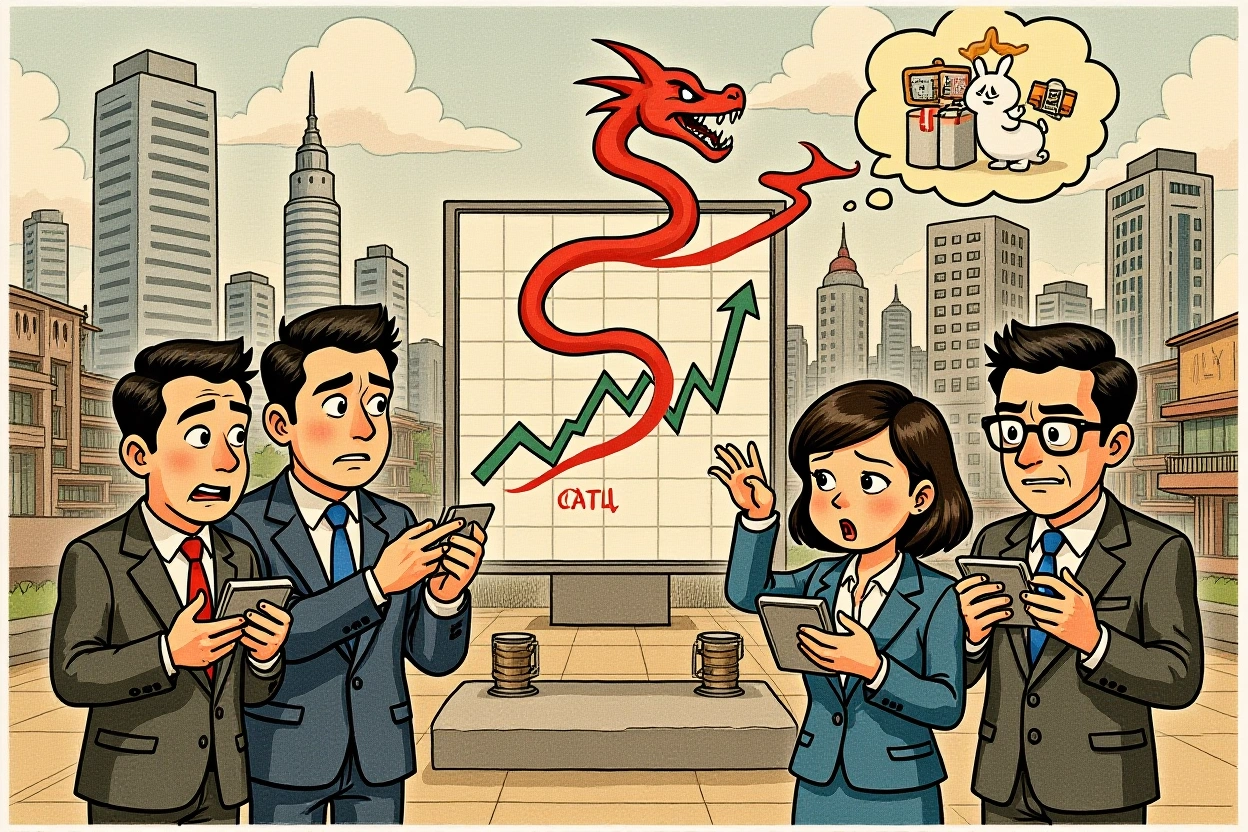
China’s electric vehicle battery supply chain faces disruption as Contemporary Amperex Technology Co. Limited (CATL) suspends operations at its critical Jianxiawo lithium mine in Jiangxi province. According to Securities Times and Futures Daily reports on August 10, production halted as the mining license expired, with Bloomberg indicating potential three-month downtime affecting both extraction and refining facilities. This development immediately triggered lithium carbonate price volatility, with Guangzhou Futures Exchange contracts surging 9% within days. The suspension impacts approximately 3% of global lithium supply at a pivotal moment for EV manufacturers racing to secure battery materials. Industry analysts warn this disruption could ripple through consumer electronics and renewable energy storage sectors within weeks.
Key Developments at a Glance
- CATL’s Jianxiawo operations suspended indefinitely following August 9 license expiration
- Refining facilities concurrently idled, amplifying supply chain disruption
- Guangzhou lithium carbonate futures jumped 9% weekly to ¥75,000/ton
- Regulators intervene as July prices briefly exceeded ¥80,000/ton threshold
- Global EV battery production faces potential Q4 constraints
Anatomy of the Mining Suspension
The abrupt halt at Jianxiawo represents one of China’s most significant lithium production interruptions in recent years. Located in Yichun, Jiangxi – a region containing over 40% of China’s lithium reserves – this mine produced approximately 25,000 metric tons of lithium carbonate equivalent annually. CATL acquired mining rights in 2021 as part of its vertical integration strategy to control battery material costs.
Licensing Limbo and Operational Impact
Mining license renewal complications stem from overlapping provincial and national regulatory frameworks governing rare mineral extraction. China’s Ministry of Natural Resources recently tightened environmental compliance requirements for lithium operations, particularly those using lithium mica extraction methods prevalent in Jiangxi. Provincial authorities now require updated environmental impact assessments before approving renewals. The resulting lithium carbonate price volatility reflects traders’ concerns that similar reviews might delay other mining operations.
Internal documents reviewed by Bloomberg indicate CATL prepared contingency inventories, but these cover less than six weeks of typical downstream demand. The suspension affects over 1,200 direct employees and numerous contractors. Local suppliers of mining equipment and chemical processing agents already report order cancellations.
Global Supply Chain Ramifications
Jianxiawo’s output supplied cathode material for approximately 500,000 EV batteries annually. Major automakers including Tesla, BYD, and NIO source battery cells containing Jiangxi lithium. Industry sources confirm procurement teams are activating alternative supply arrangements from Australian spodumene producers and Chilean brine operations. However, shipping lead times create immediate shortages. Benchmark Mineral Intelligence data indicates spot prices for battery-grade lithium carbonate could increase 15-20% by September without resolution.
Market Turbulence and Trading Responses
Futures markets reacted violently to the suspension news. Guangzhou Futures Exchange’s most active lithium carbonate contract (LC2401) settled at ¥75,000/ton on August 11 – the highest close since mid-July’s peak. Trading volume surged 142% above monthly averages as speculators entered positions. This lithium carbonate price volatility prompted exchange intervention, including:
- Margin requirement increases from 9% to 12% for new positions
- Daily price fluctuation limits expanded to ±14%
- Position limits reduced for non-hedging participants
Investor Strategies Amid Uncertainty
Hedge funds are implementing pairs trades, shorting lithium producers while going long on battery recyclers like Ganfeng Lithium. Physical traders report surging interest in warehouse receipts for bonded lithium stocks in Shanghai and Singapore. Goldman Sachs analysts note increased options activity targeting ¥85,000/ton strike prices by October. The lithium carbonate price volatility creates unusual arbitrage opportunities between Chinese domestic prices and seaborne lithium hydroxide.
Retail investors face heightened risks. China Securities Regulatory Commission recently warned against speculative futures trading after July’s price spike triggered liquidations among overleveraged positions. Experts recommend small investors consider lithium ETF exposure rather than direct futures contracts during this unstable period.
Broader Industry Implications
This disruption highlights structural vulnerabilities in EV supply chains. CATL Chairman Robin Zeng (曾毓群) previously advocated controlling upstream resources to prevent such volatility. The suspension validates his strategy while exposing execution challenges. Competitors like BYD and CALB now accelerate acquisitions of overseas lithium assets.
Battery Production Adaptation
Major battery plants are implementing three contingency measures: First, adjusting cathode chemistry formulas to increase manganese or iron phosphate proportions. Second, activating lithium recycling streams from production scrap. Third, renegotiating contracts with lithium producers outside China. CATL’s own battery factories reportedly have 30-45 days of lithium carbonate inventories – insufficient if the suspension extends beyond September.
Electric Vehicle Manufacturing Outlook
Automakers face difficult choices between absorbing higher battery costs or delaying vehicle launches. Industry sources indicate premium EV models may see immediate price increases while budget models face production delays. Tesla’s Shanghai factory reportedly secured alternative lithium supplies but may still slow Model 3 output. Chinese EV startups with limited bargaining power face existential threats from prolonged lithium carbonate price volatility.
Historical Context and Future Projections
This marks the third major lithium supply disruption since 2020, following Australian export delays during COVID and Chilean production cuts during constitutional reforms. Each incident caused lithium carbonate price volatility exceeding 20%. Historical patterns suggest price spikes typically persist 4-6 months before new supply stabilizes markets.
Price Forecast Scenarios
Three potential trajectories emerge: A best-case settlement within 30 days would see prices stabilize near ¥80,000/ton. A moderate 90-day disruption could push prices to ¥95,000/ton by November. Worst-case scenarios involving regulatory complications beyond 2023 might create unprecedented ¥120,000/ton levels. CRU Group analysts assign 45% probability to the moderate scenario based on China’s mining approval patterns.
Strategic Industry Recommendations
Companies should immediately audit lithium inventory positions across their supply chains. Building relationships with multiple lithium producers across different jurisdictions reduces regional risk exposure. Automakers must develop battery chemistries less dependent on pure lithium carbonate. Investors might consider exposure to sodium-ion battery developers as emerging alternatives.
Navigating the Lithium Landscape
The CATL suspension demonstrates how localized mining issues can trigger global lithium carbonate price volatility. While inventories and alternative sources provide temporary relief, structural solutions require diversified supply chains and battery technology evolution. Regulatory clarity from Jiangxi provincial authorities remains the immediate catalyst for market stabilization – any renewal signals would immediately calm futures trading.
Industry stakeholders should monitor three critical indicators: daily lithium carbonate spot prices on Asian Metal, weekly CATL operational updates, and Guangzhou Futures Exchange warehouse stock reports. Companies must balance short-term procurement tactics with long-term resource strategies. For investors, this volatility creates both significant risks and selective opportunities in battery recyclers and lithium explorers outside China. The coming weeks will reveal whether this incident becomes a temporary disruption or the catalyst for permanent EV industry realignment.