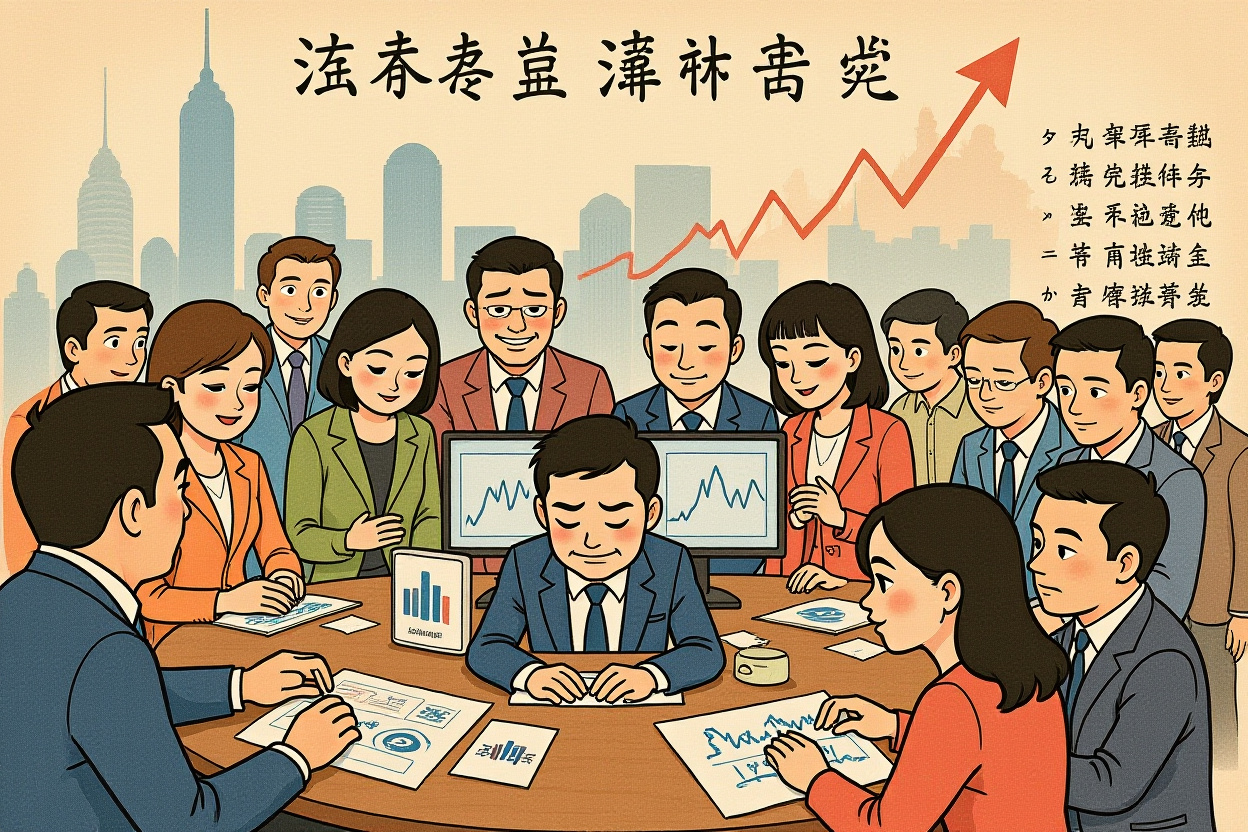
The emergence of AI comic dramas represents a seismic shift in China’s digital content industry, blending technological innovation with new labor dynamics to create lucrative opportunities and stark disruptions. In a startling development, AI comic dramas are rewriting the rules of China’s entertainment industry, turning vocational school graduates into content kingpins while leaving traditional film directors scrambling for relevance. This transformation is not just a cultural shift but a financial phenomenon, with the sector ballooning into a multi-billion yuan market that captivates institutional investors eyeing the next big wave in Chinese equities. The story begins with pioneers who leveraged AI tools to catapult from obscurity to industry leadership, showcasing how technology can democratize creativity and profitability. The rapid adoption of AI comic dramas underscores a broader trend in China’s digital economy: the convergence of affordable AI technology and scalable content models. As platforms report significant user growth, the financial implications are profound, driving valuations and attracting venture capital. For global investors, understanding this niche is key to tapping into the growth of China’s tech sector, where innovation often outpaces regulation. The backbone of the AI comic drama revolution is technological advancement, particularly in multimodal AI models. These tools have transformed content creation from a labor-intensive process to a streamlined, cost-effective operation. This technological leap translates into direct impacts on profit margins and market entry barriers. The cost of AI-generated video has plummeted, driven by model competition and cloud computing efficiencies. Companies have built proprietary tools to train new hires rapidly, leveraging advanced productivity to churn out content. A striking aspect of the AI comic drama surge is its impact on employment, where vocational school graduates are outperforming seasoned film academy directors. This shift highlights a broader economic trend: technology is decoupling creativity from formal education, creating new job roles while displacing old ones. This labor model reduces overhead but raises questions about sustainable talent development in China’s creative industries. For investors, this transformation signals potential disruptions in related sectors, such as education and media services. The investment frenzy around AI comic dramas mirrors earlier tech booms, with venture capital and corporate funds pouring into the sector. Platforms are pre-booking capacity up to a year in advance, creating a forward market for content. Financial analysts note that the market dynamics are characterized by extreme velocity. This speed is a double-edged sword: it enables rapid growth but also leads to bubbles, as seen in the quick demise of low-quality content. As AI comic dramas proliferate, regulatory scrutiny is inevitable. Chinese authorities are keenly watching this sector for issues related to content compliance, intellectual property, and data privacy. For investors, regulatory risks could impact market growth, especially if crackdowns occur on sensitive or low-quality material. However, the government’s broader push for AI dominance may provide tailwinds for compliant players. The future outlook hinges on technological maturation and market consolidation. For AI comic dramas, this means a shift from quantity to quality, with premium content likely dominating. This presents opportunities for investors to back companies innovating in content IP and cross-platform integration, which could drive long-term value in Chinese equities.
How AI-Generated Comic Dramas Are Reshaping China’s Entertainment Economy and Investment Landscape