



Executive Summary:
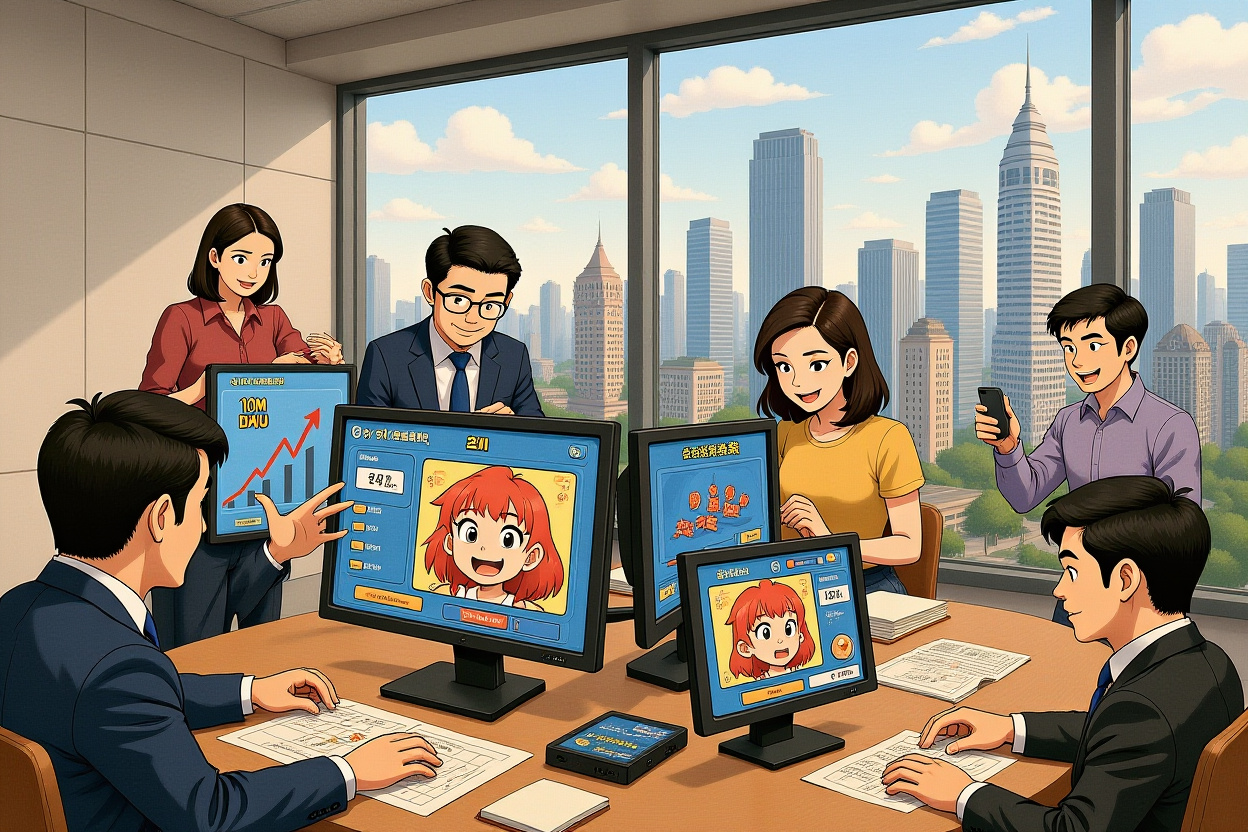
- AI-generated comic dramas (AI漫剧) have exploded in China, creating a market worth over 200 billion yuan, with platforms like ByteDance’s 红果漫剧平台 (Hongguo Comic Drama Platform) achieving over 10 million DAU in just months.
- Low-skilled vocational workers, often earning only 3000 yuan monthly, are being trained to use AI tools for mass production, drastically reducing costs from 8000-10,000 yuan per minute to hundreds of yuan, and displacing traditional roles like directors from prestigious institutions like the 北京电影学院 (Beijing Film Academy).
- Technological breakthroughs, such as Seedance2.0, are accelerating industry evolution, enabling faster, cheaper content creation and shifting focus from quantity to quality with AI simulation dramas (AI仿真人剧).
- The rapid iteration cycle, driven by platform strategies and investor FOMO, mirrors past media disruptions, urging professionals and investors to monitor this dynamic sector for opportunities and risks.
- As AI democratizes content creation, the core differentiator may shift back to storytelling and innovation, highlighting the need for adaptability in China’s fast-paced digital economy.
In a startling reversal of fortunes, vocational school graduates earning mere 3000 yuan a month are leveraging artificial intelligence to upend China’s film and animation sectors. This disruption centers on AI-generated comic dramas, a hybrid content form blending comics, animation, and short-video narratives that has captivated millions on platforms like 抖音 (Douyin). Fueled by multimodel AI advancements and a hunger for scalable content, this niche has ballooned into a billion-yuan industry, challenging established players and redefining production workflows. From 酱油动漫 (Soy Sauce Animation) founder 黄浩南 (Huang Haonan) to ByteDance’s aggressive platform plays, the race is on to capitalize on this trend, where low-cost labor meets high-tech tools. For global investors and industry watchers, understanding this shift is crucial, as it signals broader transformations in China’s creative economy and the relentless pace of technological adoption.
The Meteoric Rise of AI-Generated Comic Dramas in China
AI-generated comic dramas have emerged from obscurity to mainstream prominence in less than two years, driven by perfect storm of technological readiness and market demand. Initially, these dramas filled a gap for 泛二次元受众 (pan-secondary audience) on short-video platforms, offering a cost-effective alternative to traditional animation. The convergence of AI video generation models and platform algorithms created a fertile ground for experimentation, leading to explosive growth. By late 2025, data from industry trackers like DataEye-ADX showed monthly releases exceeding 13,000 titles, rivaling the annual output of真人短剧 (live-action short dramas). This surge underscores how AI-generated comic dramas are not just a passing fad but a structural shift in content production.
Technological Enablers and the Initial Boom
The foundation for AI-generated comic dramas lies in the rapid deployment of multimodel AI systems. In 2025, models like Google DeepMind’s Veo3 and early versions of Seedance democratized video generation, allowing even amateurs to create moving images from text prompts. As 姜奕祺 (Jiang Yiqi), former AI expert at 阿里达摩院 (Alibaba DAMO Academy) and CEO of 三生清影 (Sansheng Qingying), noted, these tools solved key challenges such as音画同步 (audio-visual synchronization) and character consistency, slashing production timelines. Platforms like 抖音 (Douyin) and its sibling 红果 (Hongguo) quickly recognized the potential, offering流量扶持 (traffic support) and procurement deals. For instance, 红果漫剧平台 (Hongguo Comic Drama Platform) saw its DAU skyrocket to over 10 million within three months of launch, highlighting the voracious appetite for this content. The low barrier to entry—where scripts could be fed into AI models to generate分镜 (storyboards) and animations—enabled a gold rush, with early adopters reaping windfalls from自然流 (organic traffic) revenues.
Key Players and Early Success Stories
Pioneering companies have ridden the wave of AI-generated comic dramas to remarkable success. 酱油动漫 (Soy Sauce Animation), founded by中专毕业 (vocational school graduate) 黄浩南 (Huang Haonan), exemplifies this trajectory. Starting with modest resources, Huang leveraged AI to scale production, boasting monthly revenues exceeding 50 million yuan by late 2025. Similarly, 鹤芽漫剧 (Heya Comic Drama) and 鸣鹿动画 (Minglu Animation) transitioned from struggling短剧 (short drama) ventures to profitable AI-focused studios. These stories are punctuated by viral hits like《兴安岭诡事》(“Strange Affairs in Xing’an Mountains”), an AIGC work that garnered over 50 million views on抖音 (Douyin) and sparked industry rumors of千万级 (tens of millions) in earnings. The influx of capital and talent, including former短剧投手 (short drama投放 specialists) and tech experts, has created a vibrant ecosystem where innovation thrives, albeit with intense competition.
Labor Dynamics: Low-Cost Workforce Meets High-Tech AI
The production of AI-generated comic dramas has sparked a paradoxical trend: the use of廉价人力 (cheap labor) to operate cutting-edge AI tools. Companies like 酱油动漫 (Soy Sauce Animation) have embraced aggressive hiring strategies, recruiting primarily from vocational schools and factories, with average wages around 3000-4000 yuan monthly. As 黄浩南 (Huang Haonan) bluntly stated, eligibility criteria are minimal—”年满18岁、没有智力障碍的人” (anyone over 18 without intellectual disabilities)—with training lasting just days. This approach transforms high-tech content creation into a劳动密集型产业 (labor-intensive industry), where workers input爽文 (wish-fulfillment fiction) into AI models to churn out content viewed billions of times. This labor model is a key driver behind the scalability of AI-generated comic dramas, enabling rapid产能 (production capacity) expansion that traditional studios cannot match.
Recruitment Strategies and Workforce Composition
The workforce behind AI-generated comic dramas is often young, low-skilled, and geographically concentrated in hubs like长沙 (Changsha), home to湖南卫视 (Hunan TV) and芒果TV (Mango TV). With the decline of长视频 (long-form video) production, many experienced professionals have pivoted to AI漫剧, bringing technical expertise. For example, 鹤芽漫剧 (Heya Comic Drama) founder 杨浩 (Yang Hao) tapped into this talent pool, hiring over 50 employees in a month to handle round-the-clock shifts optimized for off-peak算力 (computing power) costs. The work schedule—often从中午开始,持续到凌晨1点左右 (starting at noon and ending around 1 a.m.)—reflects the industry’s relentless pace. However, this reliance on low-wage labor raises questions about sustainability and skill development, even as it fuels the sector’s growth.
Impact on Traditional Roles and Job Displacement
As AI-generated comic dramas evolve, they are increasingly displacing traditional film and animation roles. The advent of Seedance2.0 in early 2026 exemplified this shift: its ability to generate coherent 10-second videos from brief prompts rendered many specialized positions obsolete. Companies like 鸣鹿动画 (Minglu Animation) and 鹤芽漫剧 (Heya Comic Drama) swiftly裁掉 (laid off)分镜导演 (storyboard directors), including北影出身 (Beijing Film Academy-trained) professionals, who were deemed too slow or critical for AI-driven workflows. A new role,抽卡师 (“card drawers”), emerged to manage AI output, but even this is being automated. As one抽卡师 noted, Seedance2.0 reduces the need for manual tweaking, making the job less “废人” (exhausting) but also reducing employment opportunities. This trend highlights how AI-generated comic dramas are reshaping career paths, forcing a reckoning for education and training in creative fields.
Business Evolution: From Sand Sculpture to Simulation Dramas
The market for AI-generated comic dramas is maturing rapidly, transitioning from粗糙 (crude) formats like沙雕漫 (sand sculpture comics) to sophisticated AI仿真人剧 (AI simulation dramas). This shift is driven by platform demands for higher quality and audience preferences for more immersive content. Platforms like红果 (Hongguo) are actively procuring 120-minute不分集 (non-episodic) AI simulation dramas, aiming to capture长视频 (long-form video) market share. As杨浩 (Yang Hao) of鹤芽漫剧 (Heya Comic Drama) observed, this evolution expands the addressable market from “两三百亿” (20-30 billion yuan) to “千亿” (100 billion yuan), encompassing traditional film and TV. The push for精品化 (premiumization) mirrors the trajectory of真人短剧 (live-action short dramas), where only the fittest survive, underscoring the dynamic nature of AI-generated comic dramas.
The Shift Towards AI Simulation Dramas
AI simulation dramas represent the current zenith of AI-generated comic dramas, offering near-human character realism and complex narratives. Early challenges, such as恐怖谷效应 (uncanny valley effects) and inconsistent lip-syncing, have been mitigated by technological strides. For instance,鹤芽漫剧 (Heya Comic Drama)’s首部 (first) AI simulation drama《盘丝洞素锦传》(“Legend of Pan Si Dong Su Jin”) achieved a 3倍ROI (three-fold return on investment) without投流 (paid traffic), attracting融资 (funding) and orders. This success has prompted all-in bets from players like黄浩南 (Huang Haonan), who plans to allocate 80% of产能 (production capacity) to this subgenre, quipping about competing with directors like张艺谋 (Zhang Yimou). The rapid adoption reflects how AI-generated comic dramas are becoming a staple in China’s digital content diet, with platforms加速催熟 (accelerating maturation) through favorable分成系数 (revenue-sharing terms) and procurement.
Platform Strategies and Industry Consolidation
Major internet platforms are pivotal in shaping the AI-generated comic dramas landscape.字节跳动 (ByteDance) has been particularly proactive, consolidating AI漫剧 under its短剧版权中心 (Short Drama Copyright Center) led by张超 (Zhang Chao), who also oversees番茄小说 (Tomato Novel) and红果短剧 (Hongguo Short Drama). This integration leverages existing expertise in viral content, enabling swift adjustments to market trends. As小川 (Xiao Chuan), a former short drama head at a top internet firm, recalled,字节 (ByteDance)’s rapid response—using电子签署 (e-signatures) for contracts within days—contrasts with slower rivals, giving it a competitive edge. Other giants like腾讯 (Tencent),百度 (Baidu), and快手 (Kuaishou) have entered the fray,预订 (pre-booking) content from producers to secure market share. This consolidation signals that AI-generated comic dramas are moving from a wild west to a structured industry, with platforms wielding significant influence over production standards and economics.
Technological Leap: Seedance2.0 and the Future of AI Content
The release of Seedance2.0 in February 2026 marked a watershed moment for AI-generated comic dramas, dramatically lowering barriers to high-quality production. Dubbed a “重磅炸弹” (blockbuster) by industry insiders, this model allows users to generate 10-second videos with coherent dialogue,动作场景 (action sequences), and consistent characters for just十块钱 (ten yuan). As《黑神话:悟空》(“Black Myth: Wukong”) producer冯骥 (Feng Ji) remarked, it signifies the end of “AIGC的童年时代” (AIGC’s childhood era), where奇观 (spectacle) becomes廉价 (cheap). For creators, this means efficiency gains that justify the model’s higher cost—2-3 times that of competitors—but also raises existential questions about the value of human expertise in an increasingly automated workflow.
Impact of Advanced AI Models on Production
Seedance2.0 has revolutionized the production pipeline for AI-generated comic dramas, enabling drastic组织精简 (organizational streamlining). Companies that previously required 8-10 staff per drama can now operate with 3, focusing on scriptwriting and editing rather than manual分镜 (storyboarding). This has led to significant降本增效 (cost reduction and efficiency improvement), as evidenced by鸣鹿动画 (Minglu Animation) discarding a week’s work to restart with Seedance2.0 for better results. The model’s reliability also reduces the玄学 (mystical) aspects of “抽卡” (card drawing), where提示词 (prompts) often yielded unpredictable outcomes. However, this进步 (progress) comes with a human cost, amplifying job displacement fears and prompting debates about the long-term sustainability of AI-driven content mills.
Future Technological Trends and Competitive Landscape
Looking ahead, the trajectory of AI-generated comic dramas will be shaped by continuous innovation in AI models and工具 (tools). The launch of小云雀Agent (Xiao Yunque Agent) by剪映 (Jianying) in March 2026, offering lower usage门槛 (thresholds), exemplifies the trend towards democratization. Meanwhile, companies are locking in partnerships, like杨浩 (Yang Hao)’s 1000万元年框协议 (10-million-yuan annual framework agreement) with火山引擎 (Volcano Engine), to secure API access for Seedance2.0. As competition intensifies, the focus may shift to hybrid approaches combining AI with human creativity, or to niche applications in advertising and education. Investors, as noted by连续创业者悠悠 (serial entrepreneur You You), are growing cautious due to the “三天一变” (changes every three days) pace, emphasizing the need for resilient business models that can withstand technological shocks.
Broader Implications for Media and Investment in China
The disruption caused by AI-generated comic dramas extends beyond content creation, offering lessons for the global media industry and investment community. Historically, similar shifts—like the rise of television in the mid-20th century—prompted Hollywood to innovate with新浪潮 (New Wave) movements, ultimately enriching cinema. Today, as AI flattens production hierarchies, the imperative is to balance technological adoption with artistic integrity. For China’s equity markets, this sector represents both opportunity and volatility, with companies leveraging AI poised for growth but vulnerable to rapid obsolescence. Understanding these dynamics is essential for institutional investors and corporate executives navigating China’s fast-evolving digital economy.
Historical Parallels and Industry Resilience
The story of AI-generated comic dramas echoes past media disruptions, such as the电视 (television) revolution that spurred Hollywood’s decline and subsequent renaissance through creative storytelling. In China, the短剧 (short drama) boom of the early 2020s saw a similar pattern: initial frenzy, followed by consolidation where only精品 (premium) content thrived. As小川 (Xiao Chuan) plans his创业 (startup), he anticipates a return to “内容本身” (content itself) once the AI hype subsides. This historical lens suggests that while AI-generated comic dramas may commoditize production, enduring value will reside in unique narratives and emotional resonance, areas where human creativity remains irreplaceable.
Investment Opportunities and Risks in the AI Content Sphere
For investors, the AI-generated comic dramas market presents a high-risk, high-reward proposition. On one hand, leaders like酱油动漫 (Soy Sauce Animation) and platform-backed ventures offer exposure to a growing sector, with potential for scalability across international markets. On the other, the “FOMO情绪” (fear of missing out) driving rapid capital inflow can lead to bubbles, as seen in the煤老板 (coal tycoon) who lost millions on outdated沙雕漫 (sand sculpture comics). Key factors to watch include technological moats, platform partnerships, and content differentiation. As姜奕祺 (Jiang Yiqi) advises, in a “技术平权的时代” (era of technological parity), sustainable advantage may come from operational excellence and audience insights rather than mere AI prowess. Thus, due diligence should focus on teams capable of adapting to the “三天一变” (ever-changing) landscape.
The revolution in AI-generated comic dramas is more than a niche trend; it is a microcosm of how technology is reshaping creative industries worldwide. From vocational workers earning 3000 yuan to visionary founders like黄浩南 (Huang Haonan), this sector demonstrates the democratizing power of AI, even as it disrupts traditional hierarchies. Key takeaways include the critical role of platform strategies, the rapid evolution from quantity to quality, and the enduring importance of storytelling amidst technological upheaval. For business professionals and investors, staying informed through sources like 36Kr and regulatory announcements is vital to capitalizing on this dynamic market. As the pace of innovation accelerates, embracing adaptability and focusing on core content values will be essential to thriving in the new era of AI-generated entertainment. Monitor this space closely, as the lessons learned here may preview disruptions in other sectors across China’s economy.