



Executive Summary
Key takeaways from the ongoing contract renewal saga between Wang Yibo (王一博) and Yuehua Entertainment (乐华娱乐):
- Wang Yibo contributes over 60% of Yuehua Entertainment’s total revenue, making the company’s financial health heavily reliant on his continued affiliation.
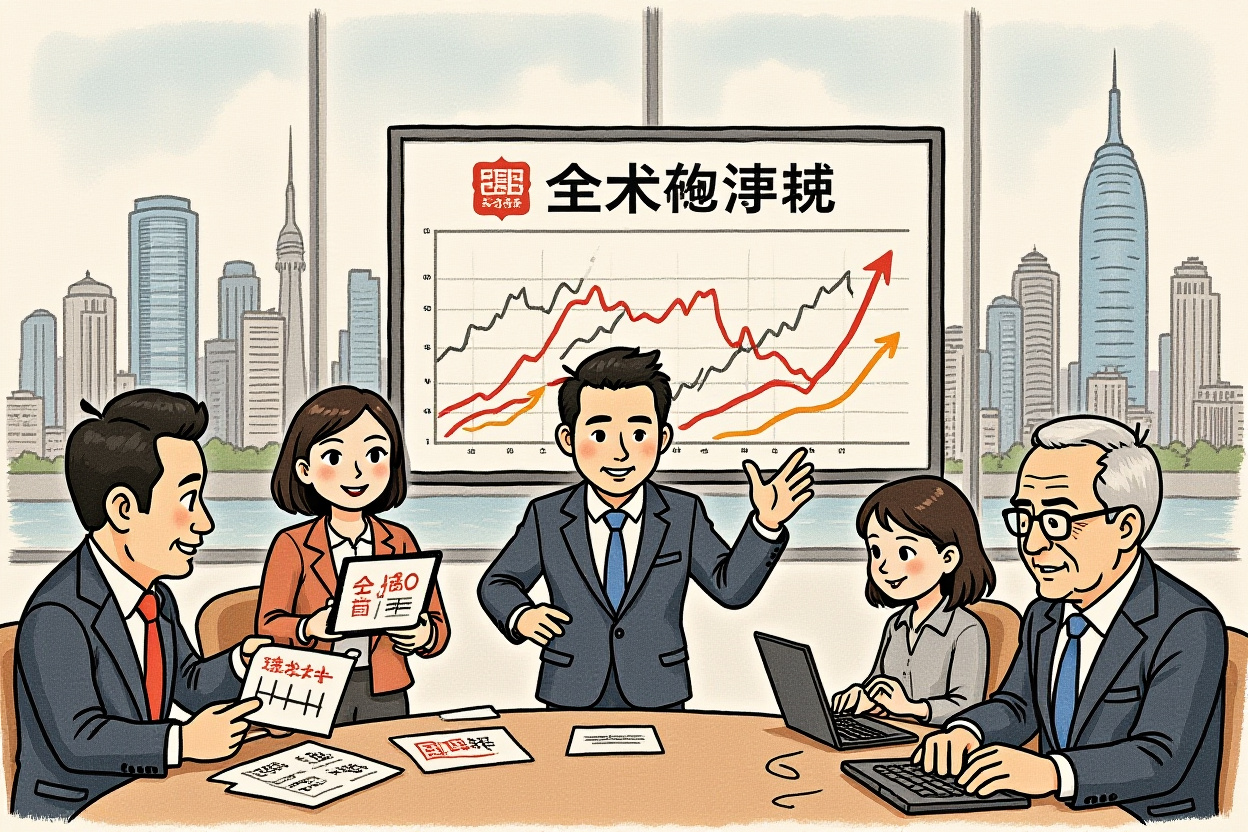
- Market volatility has been directly tied to renewal rumors, with stock prices dropping significantly on speculation of his departure.
- Both parties are preparing for independence: Wang Yibo is expanding his personal business empire, while Yuehua is investing in IP operations and virtual artists.
- The outcome of Wang Yibo’s contract renewal with Yuehua Entertainment will set a precedent for how talent-dependent firms manage risk in China’s volatile entertainment sector.
- Investors must monitor diversification progress and contract negotiations closely to assess long-term viability beyond a single star performer.
The Stock Market Reacts: A Renewal Rumors Storm
When the topic “Wang Yibo (王一博) has renewed his contract with Yuehua Entertainment (乐华娱乐)” trended on Weibo, it didn’t just capture fan attention—it sent shockwaves through the financial markets. As of March 20, Yuehua Entertainment’s stock price fell by 1%, a muted yet telling response to the unconfirmed news. This incident underscores a critical reality for investors: Yuehua Entertainment’s fate is intricately tied to the career decisions of one man. The company, listed on the Hong Kong Stock Exchange as the “first artist agency stock,” has long been branded a “Wang Yibo concept stock.” For institutional investors and corporate executives watching Chinese equities, this dependency narrative presents both a unique risk and a case study in talent management economics. The focus on Wang Yibo’s contract renewal with Yuehua Entertainment is not merely tabloid fodder; it is a fundamental valuation driver.
Immediate Market Signals and Investor Skepticism
Despite the viral rumors, official channels remain tight-lipped. Representatives from Yuehua Entertainment’s investor relations department stated they were “unclear” about the renewal status when contacted by Phoenix Finance’s Company Research Institute. This lack of transparency amplifies market anxiety. Historically, any uncertainty regarding Wang Yibo’s tenure has triggered sell-offs. For instance, in November 2025, rumors of his potential non-renewal caused Yuehua’s stock to drop for four consecutive days, wiping over HK$3.8 billion from its market capitalization. Such volatility highlights the precarious position of firms that build their business models around individual celebrities. Investors are now scrutinizing every hint, from reduced social media interactions between Wang Yibo and the company’s official accounts to changes in financial disclosure practices.
The Dependency Dilemma: A Financial Deep Dive
Yuehua Entertainment’s reliance on Wang Yibo is quantifiable and stark. According to the company’s prospectus and annual reports, his revenue contribution has skyrocketed from 16.8% in 2019 to 59% in the first three quarters of 2022. In 2024, he generated RMB 459 million out of Yuehua’s total revenue of RMB 765 million, surpassing a 60% share. This isn’t just about album sales or concert tickets; it encompasses his vast endorsement portfolio. Wang Yibo holds more than 20 global or national-level endorsements, spanning luxury brands like LOEWE and CHANEL, as well as domestic giants like Anta and Bananain. His commercial appeal is the engine behind Yuehua’s top line, making the discussion of Wang Yibo’s contract renewal with Yuehua Entertainment a matter of corporate survival.
The Shareholder Paradox and Contract Countdown
Ironically, while Wang Yibo fuels most of Yuehua’s earnings, he holds no significant equity stake in the company. The prospectus shows that even the smallest major shareholder, Sun Le (孙乐), owns 0.37%, but Wang Yibo’s name is absent from the list. This disconnect between contribution and control sets the stage for complex negotiations. His management contract is set to expire in October 2026, leaving roughly six months for a resolution. The asymmetry—where an artist with immense leverage has minimal formal governance power—creates a high-stakes bargaining dynamic. For investors, this raises red flags about corporate governance and risk concentration in talent-driven businesses.
Wang Yibo’s Independent Moves: Building a Personal Empire
While Yuehua grapples with dependency, Wang Yibo is actively securing his future beyond the agency. Public records from Qichacha reveal that he is associated with four companies, three of which are operational, including Beijing Boyuan Culture Technology Co., Ltd. and Shanghai Yibo Culture Media Studio. The latter is wholly owned by him, with business scopes covering cultural arts exchange planning, film production, and advertising. More strategically, Tianjin Horizon Network Technology Co., Ltd., where he holds a 70% stake, has filed trademark applications for “Wang Yibo,” “Yebo,” and related terms across multiple international classes, from cosmetics to jewelry. This proactive IP protection signals his intent to monetize his brand independently, regardless of the agency’s fate.
Implications for Negotiations and Industry Trends
Wang Yibo’s business ventures are not side projects; they are foundational to his long-term strategy. By controlling trademarks and expanding into media production, he reduces his reliance on Yuehua for career management. This trend mirrors broader shifts in China’s entertainment industry, where top artists increasingly seek ownership over their intellectual property. For example, other celebrities like Yang Mi (杨幂) have also established personal studios to gain autonomy. In negotiations, this empowers Wang Yibo to demand better terms or even consider a clean break. Investors must recognize that Wang Yibo’s contract renewal with Yuehua Entertainment is happening against a backdrop of artist empowerment, where traditional agency models are being challenged.
Yuehua’s Diversification Push: A Race Against Time
Acknowledging its vulnerability, Yuehua Entertainment is aggressively pursuing diversification. In December 2024, its subsidiary Tianjin Yihua partnered with Shenzhen Yiji to launch the “Walk With China” platform, focusing on IP incubation like the WAKUKU blind box series, which has topped Tmall’s best-seller lists. The 2025 half-year report highlighted IP operations—including virtual artist development, artist merchandise, and潮玩 (trendy toys)—as a bright spot, with revenue surging 128.0% year-over-year to RMB 20.606 million, accounting for 5.0% of total income. While promising, this segment remains dwarfed by Wang Yibo’s contributions, illustrating the steep climb ahead. The company’s investor relations team has noted that Wang Yibo’s revenue share is “gradually declining,” but markets remain skeptical, as Yuehua’s stock price has plummeted 78% from its peak.
Challenges in Reducing Reliance
Yuehua’s efforts face significant hurdles. First, replicating Wang Yibo’s success with new artists or virtual idols requires substantial investment and time, in an industry where hit rates are low. Second, the company’s brand is still inextricably linked to him, making it harder to attract investors without clarity on his future. Third, financial pressures may limit R&D spending for new ventures. As seen with other agencies like Huayi Brothers (华谊兄弟), which struggled after losing key stars, diversification is easier said than done. For Yuehua, the clock is ticking: if Wang Yibo departs, its nascent IP business might not offset the revenue shock, potentially leading to further stock declines and liquidity issues.
Strategic Insights for Investors and Market Participants
For fund managers and corporate executives, the Yuehua-Wang Yibo saga offers critical lessons in risk assessment. Companies with high dependency on single individuals should be evaluated on:
- Contractual Safeguards: Long-term agreements with non-compete clauses and revenue-sharing models that align interests.
- Diversification Metrics: Progress in developing alternative income streams, measured by revenue growth from non-core segments.
- Governance Structures: Equity participation for key talents to foster loyalty and reduce incentive misalignment.
- Market Sentiment Indicators: Monitoring social media trends and rumor cycles that can precede stock movements, as seen with Wang Yibo’s contract renewal with Yuehua Entertainment.
Globally, parallels exist, such as Live Nation’s reliance on major tours or UFC’s dependence on star fighters, but China’s entertainment sector is particularly prone to volatility due to regulatory shifts and fan-driven economics. Investors should pressure management for transparent disclosure on artist contracts and contingency plans.
Regulatory and Economic Context
China’s regulatory environment adds layers of complexity. The National Radio and Television Administration (国家广播电视总局) has tightened content controls, affecting artist promotions and project approvals. Additionally, economic slowdowns can reduce consumer spending on entertainment. Yuehua’s diversification into IP operations may benefit from policy support for cultural exports, but it also faces competition from tech giants like Tencent (腾讯) and ByteDance (字节跳动). Understanding these macro factors is essential for contextualizing the micro-drama of Wang Yibo’s contract renewal with Yuehua Entertainment.
Navigating the Future: Scenarios and Predictions
As the contract deadline approaches, several outcomes are possible, each with distinct implications for Yuehua’s stock and the broader market:
- Renewal with Modified Terms: Wang Yibo stays but gains equity or a more favorable profit split, stabilizing Yuehua’s revenue but potentially squeezing margins. This could trigger a short-term stock rally if announced convincingly.
- Gradual Phasing Out: A transitional agreement where Wang Yibo reduces involvement while mentoring new artists, allowing Yuehua time to scale its IP business. This might be seen as a compromise, but execution risk is high.
- Complete Departure: Wang Yibo leaves to focus on his ventures, causing an immediate revenue crash and likely stock plunge. Yuehua would need to accelerate diversification, possibly through acquisitions or partnerships.
- Joint Venture Model: A new entity co-owned by Wang Yibo and Yuehua to manage his brand, sharing risks and rewards. This innovative approach could become a template for the industry.
Given Wang Yibo’s strategic IP moves and Yuehua’s public efforts to downplay his importance, a renewed but restructured partnership seems plausible. However, investors should prepare for volatility by diversifying portfolios and setting stop-loss limits on entertainment stocks. The resolution of Wang Yibo’s contract renewal with Yuehua Entertainment will not only determine the company’s trajectory but also influence valuation models for similar firms in China’s equity markets.
Long-term Outlook and Actionable Steps
Looking beyond 2026, Yuehua Entertainment must prove it can thrive independently. Success metrics include increasing IP operation revenue to over 20% of total income, launching a virtual artist with mainstream appeal, and expanding internationally. For investors, actionable steps include:
- Reviewing quarterly reports for diversification progress, especially in IP and virtual segments.
- Engaging with management during earnings calls to demand clarity on contract negotiations and risk mitigation.
- Considering hedges, such as options or short positions, if holding Yuehua stock amid renewal uncertainty.
- Exploring alternative investments in diversified entertainment conglomerates or tech-driven content platforms.
The entertainment sector’s evolution towards IP-centric models offers opportunities, but selectivity is key. By learning from the Yuehua case, investors can better navigate the pitfalls of artist dependency and capitalize on emerging trends in China’s dynamic capital markets.
Synthesizing the Stakes for Global Stakeholders
The Wang Yibo-Yuehua Entertainment dynamic encapsulates the broader challenges of China’s entertainment industry: rapid growth, intense competition, and fragile dependencies. For sophisticated business professionals worldwide, this case underscores the importance of due diligence beyond financials—assessing talent contracts, brand equity, and strategic agility. As rumors swirl, the core issue remains whether Yuehua can transform from a “Wang Yibo concept” into a resilient, multi-platform enterprise. Investors should monitor official announcements from Yuehua’s website or regulatory filings on the Hong Kong Exchange for updates. Ultimately, the outcome of Wang Yibo’s contract renewal with Yuehua Entertainment will serve as a litmus test for the sustainability of artist-led business models in an era of increasing artist autonomy and market scrutiny. Stay informed, diversify exposures, and prioritize companies with balanced growth strategies to mitigate risks in this high-stakes sector.