



Executive Summary
- Case studies reveal that ‘mini loans’ from platforms like Fenqile (分期乐) can double debt through near-36% APRs, hidden fees, and extended tenures, despite regulatory caps.
- The People’s Bank of China (中国人民银行) and National Financial Regulatory Administration (国家金融监督管理总局) have set a 24% cost ceiling, but enforcement remains challenging as lenders innovate with opaque charge structures.
- Fenqile’s roots in campus lending persist, with ongoing complaints about targeting students and employing aggressive, privacy-invasive collection tactics.
- Data privacy concerns are mounting due to extensive personal information collection and sharing with third parties without transparent consent.
- For investors, these practices signal significant compliance and reputational risks for companies like Lexin Fintech Holdings (乐信集团), necessitating careful due diligence in China’s fintech sector.
The Hidden Crisis in China’s Digital Lending Landscape
As Chinese consumers increasingly turn to digital platforms for quick credit during festive seasons or financial crunches, a disturbing trend has emerged. ‘Mini loans,’ marketed as convenient, small-amount products with low monthly payments, are trapping a generation of young borrowers in debilitating debt cycles. The recent viral social media case involving Fenqile (分期乐), where a borrower faced repaying nearly double the principal, has thrust these ‘mini loans’ into the spotlight, revealing systemic issues of transparency, regulation, and ethics in China’s fintech boom. For international investors monitoring Chinese equities, understanding this segment is crucial, as it intersects with consumer protection, regulatory evolution, and the sustainability of high-growth financial technology models.
The Opaque World of Mini Loans: Fees, Interest, and Debt Spirals
The allure of ‘mini loans’ lies in their accessibility, but the reality is often a labyrinth of hidden costs. Platforms like Fenqile (分期乐) advertise low annual percentage rates and manageable installments, yet the true financial burden can escalate rapidly through obscure fee structures and extended repayment periods.
Ms. Chen’s Story: A Cautionary Tale of Debt Doubling
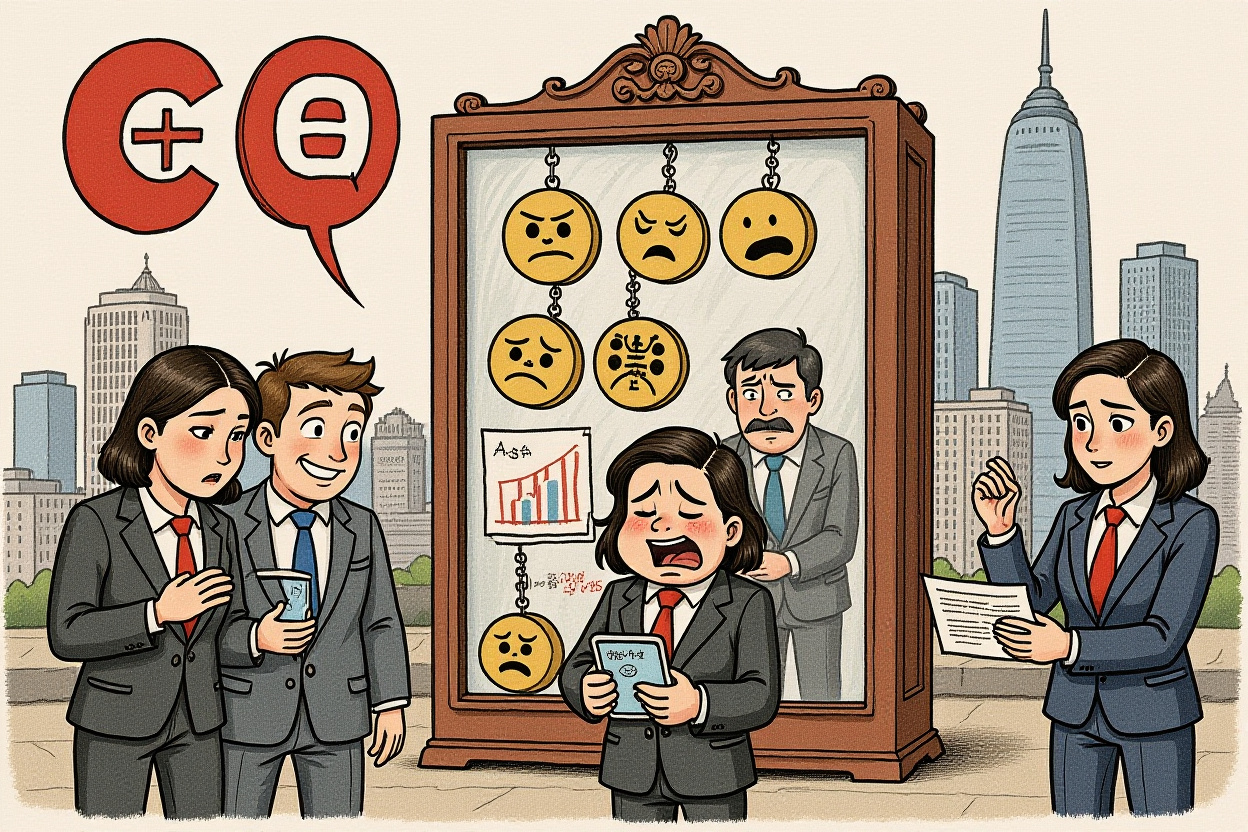
Ms. Chen (陈女士), a university student at the time, borrowed a total of 13,674 yuan from Fenqile (分期乐) between 2020 and 2021 for everyday expenses, including a 400-yuan purchase split over 36 months. Promised ‘low interest’ and minimum monthly payments as low as 18.23 yuan, she took five loans with tenures from 12 to 36 months and APRs ranging from 32.08% to 35.90%. After ceasing payments in August 2022 due to financial strain, she found her total repayment obligation ballooned to 26,859 yuan—almost double the principal. This case exemplifies how ‘mini loans’ can transform small debts into overwhelming burdens, especially when coupled with aggressive collection practices that invaded her personal relationships, exacerbating mental health issues.
Decoding the True Cost: Beyond Advertised Rates
Fenqile’s (分期乐) platform tempts users with claims like ‘annual rates as low as 8%,’ but investigations reveal a different story. Complaints on platforms like Hei Mao (黑猫投诉) indicate widespread issues:
- Undisclosed fees: Users report unexpected charges for membership, guarantees, and credit assessments, pushing comprehensive borrowing costs toward the 36% ceiling.
- Contract discrepancies: In cases documented by China Consumer (中国消费者), borrowers like Meng from Hangzhou repaid significantly more than contractually stipulated—for instance, 12,425.4 yuan instead of 10,643 yuan on a 10,300-yuan loan, implying hidden costs.
- Complex pricing: Borrowers like Sha from Sichuan were charged 1,102.14 yuan in担保费 (guarantee fees) without clear prior disclosure, buried in lengthy electronic agreements.
These practices highlight a critical lack of transparency, where the advertised appeal of ‘mini loans’ masks a reality of compounded financial strain.
Regulatory Crossroads: Guidelines, Gaps, and Enforcement
Chinese authorities have taken steps to rein in high-cost lending, but the effectiveness of these measures is being tested by the innovative fee structures of ‘mini loan’ providers. The regulatory landscape is a key factor for investors assessing the stability and compliance of fintech firms.
The PBOC and NFRA’s 24% Cap: Intent vs. Reality
In December 2025, the People’s Bank of China (中国人民银行) and the National Financial Regulatory Administration (国家金融监督管理总局) jointly issued the Guidance on the Management of Comprehensive Financing Costs for Microfinance Companies (小额贷款公司综合融资成本管理工作指引). This directive explicitly prohibits new loans with comprehensive annualized costs exceeding 24% and mandates that by end-2027, all new loans should stay within four times the one-year Loan Prime Rate (LPR). From 2026, local financial regulators are empowered to correct violations, halt new lending, and enforce dynamic credit reporting for breaches. However, as seen with Fenqile (分期乐), loans originated before these rules or those with creatively itemized fees can skirt intent, maintaining effective rates near 36%.
Creative Compliance and Fee Proliferation
Lenders are adapting by disaggregating costs. Instead of charging overt high interest, they add ancillary fees—such as担保费 (guarantee fees) or信用评估费 (credit assessment fees)—that inflate the overall burden while technically keeping base rates lower. This loophole allows ‘mini loans’ to remain profitable but raises questions about regulatory vigilance. For instance, a Hei Mao (黑猫投诉) complainant in February noted a 36% comprehensive APR but struggled to identify the actual lender due to opaque partnerships, hindering regulatory action.
Fenqile’s Evolution: From Campus Pioneer to Controversial Giant
Understanding the business model behind ‘mini loans’ requires examining the history of Fenqile (分期乐) and its parent, Lexin Fintech Holdings (乐信集团). Their journey from campus-focused lending to a publicly traded fintech player reveals persistent ethical challenges.
Lexin Fintech Holdings and the Campus Loan Legacy
Lexin Fintech Holdings (乐信集团), listed on NASDAQ, was founded in 2013 by Xiao Wenjie (肖文杰). It grew rapidly by targeting university students with分期乐 (Fenqile), positioning itself as a pioneer in installment e-commerce. This early reliance on ‘campus loans’ (校园贷) fueled expansion but attracted regulatory crackdowns in 2016. Although Lexin rebranded as a broader fintech entity and went public in 2017, remnants of this past linger. Searches on Hei Mao (黑猫投诉) yield over 922 complaints linking Fenqile (分期乐) to campus lending, including reports of promoters operating on university grounds, suggesting ongoing targeting of students despite prohibitions.
Current Business Model: Partnerships and Profit Margins
Today, Fenqile (分期乐) operates through吉安市分期乐网络小额贷款有限公司 (Jian’分期乐 Network Microfinance Co., Ltd.) in Jiangxi, collaborating with licensed institutions like Shanghai Bank (上海银行) to disburse loans. It markets to ‘credit consumers,’ but its profitability hinges on high-volume, small-ticket lending with extended tenures. By stretching repayments over 36 months for minor amounts, the platform ensures steady interest income while masking the cumulative cost. This model, central to the ‘mini loans’ phenomenon, drives revenue but at the expense of consumer welfare, as seen in the snowballing debts.
Consumer Backlash: Complaints, Collections, and Consequences
The social impact of ‘mini loans’ is quantifiable through complaint volumes and harrowing personal accounts. For investors, this backlash translates into reputational and operational risks for involved companies.
Hei Mao Complaint Platform: A Barometer of Discontent
On Hei Mao (黑猫投诉), Fenqile (分期乐) has amassed approximately 160,000 complaints. Common themes include:
- Excessive interest and hidden fees, as detailed earlier.
- Violent collection practices: Over 20,000 complaints mention harassment, disclosure of debt to contacts (爆通讯录), and even threats to family and colleagues.
- Difficulty in resolving disputes, with users citing lack of responsiveness from the platform.
These figures underscore a systemic issue with ‘mini loans,’ where aggressive growth strategies prioritize acquisition over customer care.
The Human Toll: Mental Health and Social Stigma
Beyond numbers, the psychological burden is severe. Ms. Chen’s (陈女士) experience of depression due to collection harassment is not isolated. The Economic Reference Report (经济参考报) has highlighted cases where non-borrowers faced催债 (debt collection) calls, indicating poor data practices. This social fallout can lead to broader consumer distrust in digital lending, potentially dampening sector growth and inviting stricter regulatory scrutiny.
Data Privacy and Security Concerns
In the digital age, ‘mini loans’ are not just about money—they involve extensive data harvesting. Fenqile’s (分期乐) practices raise alarms about privacy, a growing concern globally and in China’s regulatory framework.
Information Harvesting: What Fenqile Collects
Upon app usage, Fenqile (分期乐) collects dozens of personal data points, including names, ID photos, bank details, income, facial recognition data, addresses, and location. This trove is gathered under broad ‘consent’ clauses during sign-up, often without clear, prominent disclosure. For young borrowers seeking quick cash, the implications of this data collection are rarely understood, embedding long-term risks.
Third-Party Sharing: Risks and Lack of Consent
The platform’s privacy policy allows sharing this sensitive information with third parties like merchants, payment partners, banks, and credit enhancers. Such practices, documented by the Economic Reference Report (经济参考报), create a chain where personal data fuels broader commercial ecosystems without adequate user control. For investors, this highlights potential vulnerabilities under China’s evolving data laws, such as the Personal Information Protection Law (个人信息保护法), which could lead to fines or operational restrictions.
Investment Implications: Navigating Risks in China’s Fintech Sector
For institutional investors and fund managers focused on Chinese equities, the ‘mini loans’ saga offers critical lessons. The intersection of consumer protection, regulation, and corporate governance will shape market valuations and sector stability.
Lexin’s Stock Performance and Regulatory Headwinds
Lexin Fintech Holdings (乐信集团), as Fenqile’s (分期乐) parent, faces direct exposure. Any regulatory action—such as penalties for exceeding cost caps or data misuse—could impact its stock price and access to capital. Historically, crackdowns on peer-to-peer lending and anti-monopoly measures have shown China’s willingness to discipline tech-finance hybrids. Investors should monitor:
- Compliance reports with PBOC (中国人民银行) and NFRA (国家金融监督管理总局) guidelines.
- Trends in complaint volumes and resolution rates.
- Management statements on ethical lending and transparency reforms.
Broader Market Sentiment and Due Diligence Tips
The ‘mini loans’ issue reflects wider concerns in China’s consumer finance sector. As regulations tighten, companies reliant on high-margin, opaque products may see profitability squeezed. Conversely, firms adopting transparent, compliant models could gain competitive advantage. For due diligence:
- Scrutinize fee structures and APR disclosures in loan products.
- Assess data governance policies against Chinese regulatory standards.
- Engage with company leadership on their strategies for aligning with the 24% cost cap and beyond.
Investors should also consider the social license to operate; consumer backlash can swiftly alter brand perception and market share in China’s dynamic fintech landscape.
Synthesizing the Future of Mini Loans in China
The case of Fenqile (分期乐) and its ‘mini loans’ illuminates a critical juncture for China’s financial technology sector. While digital lending offers convenience and financial inclusion, the predatory practices evident in high hidden costs, aggressive collections, and privacy invasions threaten consumer trust and regulatory compliance. The 24% cost cap by authorities is a step forward, but its success hinges on rigorous enforcement and industry adaptation. For young borrowers, education on financial literacy and debt risks is paramount. For companies like Lexin Fintech Holdings (乐信集团), embracing transparency and ethical standards is not just a regulatory imperative but a business necessity to sustain growth and investor confidence. As China’s equity markets evolve, stakeholders—from regulators to investors—must prioritize sustainable models that balance innovation with protection, ensuring that ‘mini loans’ serve as tools for empowerment, not exploitation.