



Summary
– Fenqile’s ‘mini-loans’ offer low initial payments but ensnare borrowers in debt cycles with effective annualized costs approaching 36%, far exceeding regulatory caps.
– Despite 2025 guidelines capping comprehensive financing costs at 24%, platforms use opaque fees like membership and担保费 (guarantee fees) to elevate real borrower expenses.
– The platform’s parent, Lexin Fintech Holdings, faces scrutiny for historical ties to校园贷 (campus lending) and ongoing complaints of aggressive debt collection and data privacy breaches.
– Investors in Chinese fintech equities must reassess business models reliant on high-margin lending as regulatory enforcement intensifies and consumer backlash grows.
– This case underscores broader risks in China’s consumer credit market, highlighting the need for transparency and compliance as digital finance evolves.
The Allure and Trap of Mini-Loans in a Cash-Strapped Era
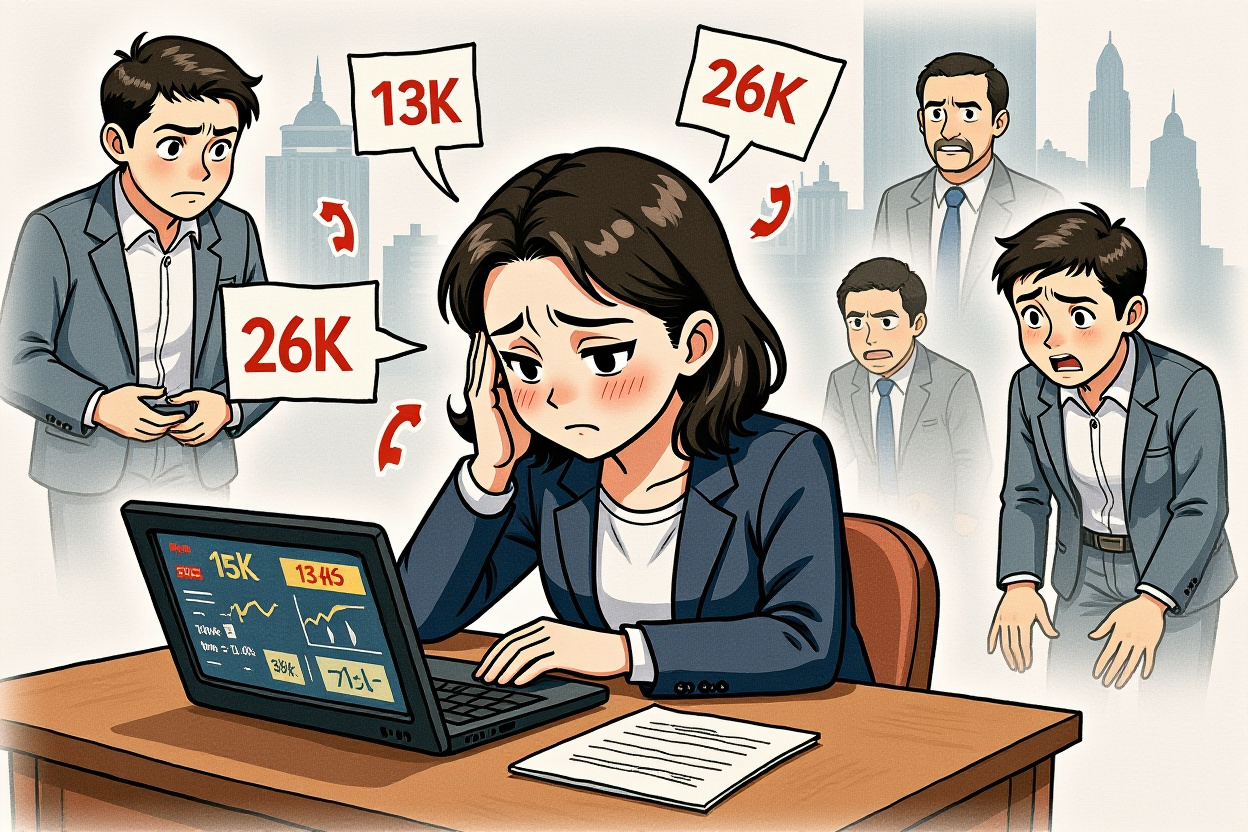
As Chinese New Year approaches, the pressure to fund red envelopes, family trips, and gifts mounts, pushing many toward seemingly convenient digital credit solutions. Platforms like Fenqile (分期乐) dangle tempting offers: instant approval, low monthly payments, and credit lines up to 50,000 yuan. Yet, beneath this facade of financial flexibility lies a harsh reality where ‘mini-loans’—small-amount, long-term installment products—can double or triple the original debt through compounded interest and hidden fees. The recent viral case of a borrower, Ms. Chen, who took out 13,674 yuan only to owe 26,859 yuan after years of accrual, has ignited public outrage and regulatory scrutiny. This incident exposes how these financial products, marketed as tech-driven aids, are exploiting young and vulnerable consumers, raising critical questions about sustainable business practices in China’s booming fintech sector.
The Seductive Promise and Harsh Reality of Mini-Loans
Fenqile’s platform exemplifies the ‘mini-loan’ model: it advertises annual interest rates as low as 8% and daily costs of 2.2 yuan per 10,000 yuan borrowed, appealing directly to those seeking quick cash for日常消费 (daily consumption). However, the true cost emerges only after commitment, with lengthy repayment periods masking exorbitant effective rates.
Case Study: From 13,674 Yuan to 26,859 Yuan in Debt
Ms. Chen’s experience, as reported by Phoenix Finance, is telling. During university, she borrowed five loans totaling 13,674 yuan between 2020 and 2021, including one for just 400 yuan stretched over 36 months. Promised ‘low interest’ and minimum monthly payments of 18.23 yuan, she later discovered the annualized rates ranged from 32.08% to 35.90%. After stopping payments in August 2022 due to financial strain, her debt ballooned with逾期 (overdue) penalties, and aggressive debt collectors harassed her family, exacerbating mental health issues. This case highlights how ‘mini-loans’ leverage small, manageable installments to obscure long-term financial burdens, trapping borrowers in a cycle where debt grows like a snowball.
Marketing Tactics and Psychological Lures
Digital platforms optimize user interfaces to emphasize accessibility and affordability. Key tactics include:
– Highlighting maximum loan amounts and minimum payments upfront, while burying comprehensive cost details in lengthy电子协议 (electronic agreements).
– Using phrases like ‘一键激活’ (one-click activation) to reduce friction, encouraging impulsive borrowing without full cost comprehension.
– Targeting demographics like students and young workers through social media and campus promotions, despite regulatory restrictions on校园贷 (campus lending).
Decoding the True Cost: Hidden Fees and Regulatory Evasion
The core issue with many ‘mini-loans’ is the opacity of pricing. While stated interest rates may appear reasonable,附加条款 (additional clauses) introduce fees that push effective costs to legal limits.
Beyond the Stated Interest Rate
Complaints on platforms like黑猫投诉 (Hei Mao Tousu) reveal a pattern: users report unexpected charges for会员费 (membership fees),担保费 (guarantee fees), and信用评估费 (credit assessment fees). For instance, one borrower noted a 1,102.14 yuan担保费 (guarantee fee) added to two loans of 49,880 yuan each, never clearly disclosed. In another case from浙江省杭州市 (Hangzhou, Zhejiang Province), a borrower contracted for a 6% annual rate on a 10,300 yuan loan but ended up paying 1,782 yuan extra over 12 months, implying a much higher real cost. These practices effectively elevate the综合融资成本 (comprehensive financing cost) to near 36%, the informal ceiling many platforms test.
Regulatory Framework: The 24% Red Line
In December 2025, the中国人民银行 (People’s Bank of China) and国家金融监管总局 (National Financial Regulatory Administration) jointly issued the ‘小额贷款公司综合融资成本管理工作指引’ (Guidelines for the Management of Comprehensive Financing Costs of Small Loan Companies), mandating that no new loans exceed 24% in annualized comprehensive cost. By end-2027, all new loans should align with four times the one-year贷款市场报价利率 (Loan Prime Rate, LPR). From 2026, local financial authorities must correct violations, halt new lending, and enforce dynamic credit reporting for breaches. However, as seen with Fenqile, enforcement gaps allow platforms to maintain high yields through fee structures that blur regulatory lines, challenging the effectiveness of these rules in curbing ‘mini-loan’ abuses.
Student Targeting and the Unshakable Campus Loan Legacy
Fenqile’s operator,吉安市分期乐网络小额贷款有限公司 (Ji’an Fenqile Network Small Loan Co., Ltd.), is part of Lexin Fintech Holdings (乐信集团), a Nasdaq-listed entity founded by肖文杰 (Xiao Wenjie). Lexin’s growth was fueled early on by校园贷 (campus lending), offering credit to students—a practice banned in 2016 after regulatory crackdowns. Despite rebranding as a fintech pioneer, evidence suggests lingering ties to this controversial model.
Historical Context and Regulatory Shifts
Lexin launched in 2013 as a分期购物电商 (installment shopping e-commerce platform), gaining traction by financing smartphones for undergraduates. Post-2016, it pivoted to serve broader ‘credit消费人群 (consumption人群)’, but complaints persist. On黑猫投诉 (Hei Mao Tousu), over 922 entries cite ‘分期乐 校园贷’ (Fenqile campus loans), with users reporting promotional booths on campuses and loans issued while they were still students. This indicates that ‘mini-loans’ may still indirectly target youthful demographics, exploiting their financial inexperience and desire for消费升级 (consumption upgrades).
Current Practices and Consumer Complaints
Aggressive tactics extend beyond lending: over 20,000 complaints describe暴力催收 (violent debt collection), including harassment of family, friends, and even colleagues. Borrowers report threats and privacy invasions, such as contact lists being exploited to施加压力 (apply pressure). These methods not only violate ethical standards but also contravene China’s evolving data protection laws, highlighting systemic issues in how ‘mini-loan’ platforms manage consumer relationships and risk.
Data Privacy, Aggressive Collection, and Consumer Vulnerability
The ‘mini-loan’ ecosystem relies heavily on data extraction. Upon app usage, Fenqile’s privacy policy, as investigated by经济参考报 (Economic Reference News), mandates collection of数十项个人信息 (dozens of personal information points)—from ID cards and bank details to facial recognition and location data. This information is then shared with third parties like payment processors and增信机构 (credit enhancement agencies), often without explicit, informed consent.
Information Sharing and Consent Issues
Key concerns include:
– Bundled consent: Users must agree to broad data terms to access loans, limiting negotiation power.
– Lack of transparency: Fee structures and data usage are buried in complex agreements, making it hard for borrowers to assess true costs and risks.
– This creates a cycle where personal data fuels targeted lending and collection, amplifying borrower vulnerability in the ‘mini-loan’ market.
The Human Toll of Debt Collection
Ms. Chen’s experience with depression due to collector harassment is not isolated. The psychological impact of constant pressure, combined with social shaming from爆通讯录 (releasing contact lists), can lead to severe mental health issues. This human cost underscores why regulatory bodies are intensifying focus on ethical collection practices, as part of broader efforts to stabilize China’s consumer credit environment and protect young borrowers from predatory ‘mini-loans’.
Market Implications for Fintech and Chinese Equities
For institutional investors and fund managers, the Fenqile case signals heightened risks in China’s fintech sector. Lexin’s stock performance and business model now face scrutiny as regulatory enforcement tightens and consumer awareness grows.
Investor Risks and Due Diligence
Key considerations for market participants:
– Regulatory compliance: Platforms operating near the 24% cost cap may see margin compression if forced to adjust fees, impacting profitability.
– Reputational damage: Consumer backlash and media exposure, as seen with the viral ‘借1万3还2万6’ (borrow 13k, repay 26k)热搜 (hot search), can erode brand value and user trust.
– Legal exposures: Potential lawsuits or penalties for violating guidelines on费用透明度 (fee transparency) and校园贷 (campus lending) could lead to financial liabilities.
– Investors should closely monitor announcements from国家金融监管总局 (National Financial Regulatory Administration) and adjust portfolios toward fintech firms with clearer compliance records and sustainable lending practices.
Future Regulatory Scenarios
Authorities may introduce stricter auditing of综合融资成本 (comprehensive financing costs), mandatory fee disclosure standards, or enhanced penalties for data misuse. This could reshape the ‘mini-loan’ landscape, favoring larger, regulated institutions over agile but risky platforms. As China aims to balance financial innovation with consumer protection, the evolution of these rules will critically influence investment thesis in Chinese equities, particularly in the volatile fintech segment.
Synthesizing the Mini-Loan Dilemma: A Call for Transparency and Vigilance
The Fenqile controversy reveals a systemic issue in China’s digital lending space: ‘mini-loans’ that promise convenience often deliver crippling debt through opaque pricing and aggressive tactics. While regulations like the 2025 guidelines provide a framework, effective implementation requires robust oversight and industry accountability. For borrowers, this underscores the need for financial literacy—scrutinizing terms, understanding true costs, and seeking alternatives like regulated bank products. For investors, it’s a reminder to prioritize due diligence on fintech business models, focusing on compliance and long-term sustainability over short-term yields. As China’s economy navigates consumption-driven growth, the health of its credit markets will depend on striking a balance between innovation and protection, ensuring that ‘mini-loans’ serve as tools for empowerment, not exploitation. Stay informed by following updates from regulatory bodies and industry reports to navigate this evolving landscape.