



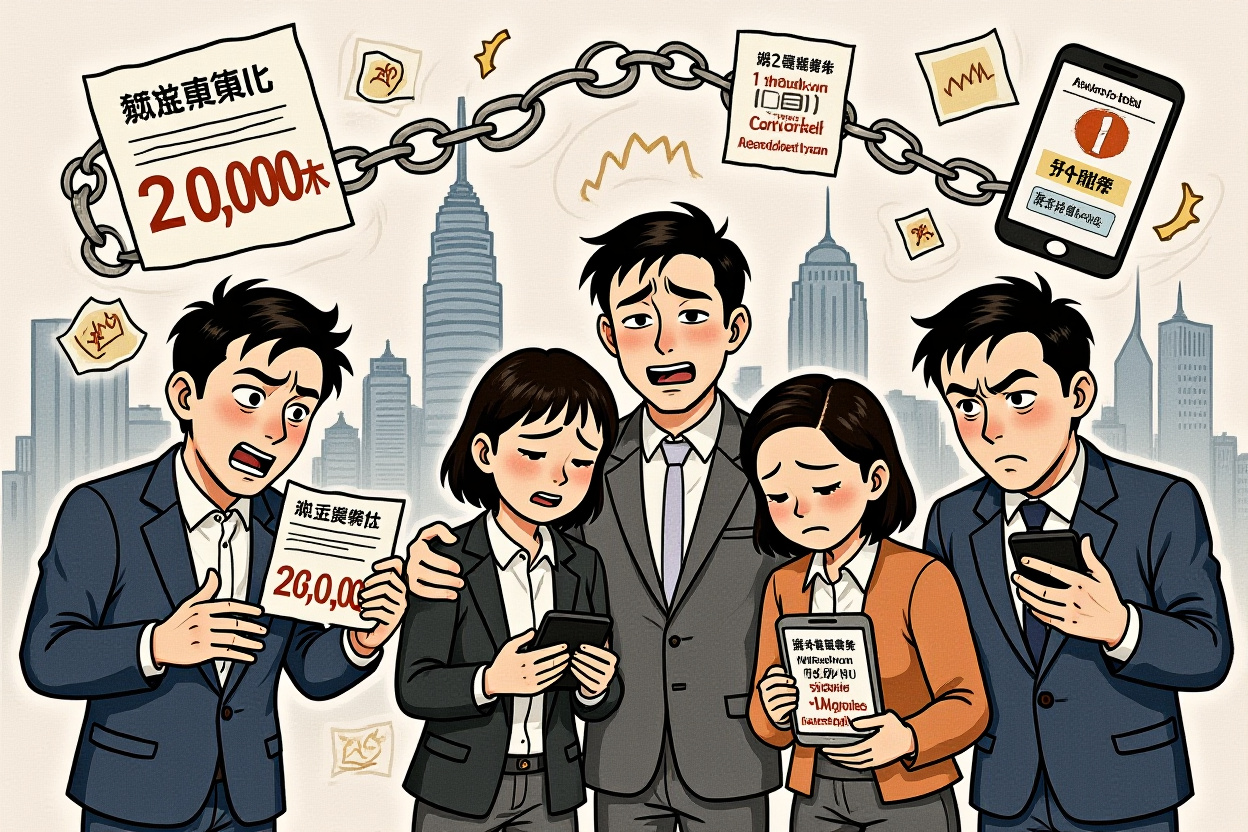
– Mini-loans offered by platforms such as Fenqile are ensnaring young Chinese consumers in debilitating debt cycles, with effective annual percentage rates (APRs) often approaching the legal ceiling of 36%, far exceeding regulatory caps.
– Despite new guidelines from the People’s Bank of China (中国人民银行) and the National Financial Regulatory Administration capping comprehensive financing costs at 24%, lenders employ opaque fee structures—including service, guarantee, and membership charges—to bypass limits and inflate borrower obligations.
– The historical roots of these products in controversial campus lending persist, with ongoing reports of targeting students and employing aggressive, sometimes illegal, collection tactics that violate privacy and exacerbate mental health issues.
– For investors in Chinese fintech and equity markets, these practices signal heightened regulatory and reputational risks, necessitating deeper due diligence on consumer lending segments amid tightening oversight.
– The proliferation of complaints on platforms like Black Cat, with over 160,000 grievances against Fenqile alone, underscores systemic issues in transparency and consumer protection that could impact sector valuations and stability.
Borrowing 13,000 to Repay 26,000: The Harsh Reality of Mini-Loans in China
As the Lunar New Year approaches, many young Chinese face pressure to fund festivities—from red envelopes for family to vacation plans—only to find themselves short on cash. In response, platforms like Fenqile (分期乐) dangle tempting offers: quick loans with seemingly low monthly payments. But behind the facade of financial convenience lies a perilous trap. The recent case of a borrower, referred to as Chen, has ignited public outrage: she borrowed 13,674 yuan across multiple mini-loans, only to discover she owes 26,859 yuan, nearly double the principal. This stark example highlights how mini-loans, marketed as accessible credit for youth, are driving a debt spiral that undermines financial well-being. With regulatory scrutiny intensifying, understanding the mechanics and risks of these products is crucial for investors and policymakers alike in navigating China’s volatile consumer finance landscape.
Deceptive Practices and Hidden Costs in Mini-Loan Products
The allure of mini-loans lies in their presentation: small amounts, extended repayment terms, and promises of low interest. However, this model often masks exorbitant true costs through complex fee structures and prolonged durations.
Case Study: Chen’s Debt Spiral and Opaque Pricing
Chen, a university student at the time, fell into the mini-loan trap through Fenqile, borrowing for everyday expenses like 400 yuan split over 36 months. Between 2020 and 2021, she took five loans totaling 13,674 yuan, with APRs ranging from 32.08% to 35.90%. Sales representatives emphasized “low interest” and “monthly payments as low as 18.23 yuan,” but the long terms—up to 36 installments—ballooned her debt. By August 2022, she defaulted, and after over 1,000 days of delinquency, her owed amount had skyrocketed. This case is not isolated; similar reports abound, revealing how mini-loans exploit behavioral biases by minimizing perceived monthly burdens while maximizing total repayment.
The Illusion of Low Rates and Proliferation of Ancillary Fees
Fenqile’s marketing promises “annual interest rates as low as 8%” and “20,000 yuan maximum loans,” yet actual costs frequently exceed 30%. Complaints on Black Cat (黑猫投诉), a consumer rights platform, detail hidden charges such as membership fees,担保费 (guarantee fees), and credit assessment costs that inflate comprehensive financing costs. For instance, one borrower noted a 36% APR, well above the 24% regulatory红线 (red line), while others cited undisclosed担保费 adding over 1,000 yuan to loans. The China Consumers Association (中国消费者协会) has documented cases where actual repayments surpassed contract amounts by thousands of yuan, due to these opaque add-ons. This lack of transparency violates disclosure norms and traps borrowers in cycles of debt, eroding trust in fintech innovations.
Regulatory Framework and Enforcement Gaps in Curbing Excesses
Chinese authorities have stepped up efforts to rein in predatory lending, but implementation challenges persist, allowing mini-loan providers to operate in gray areas.
New Guidelines on Comprehensive Financing Costs
Enforcement Hurdles and Market AdaptationThe Lingering Legacy of Campus Lending and Ethical ConcernsFenqile and its parent Lexin have historical ties to student-targeted loans, a controversial past that continues to shadow their operations, raising red flags for ESG-focused investors.
Historical Context: Lexin’s Origins in Student Credit
Aggressive Collection Tactics and Privacy ViolationsMarket Implications for Investors and the Fintech SectorThe mini-loan phenomenon carries broad ramifications for Chinese equities, particularly in consumer finance and technology segments, demanding careful risk assessment.
Risks in the Fintech Lending Ecosystem
Investment Considerations and Due Diligence StrategiesNavigating the Future: Synthesis and Forward-Looking GuidanceThe mini-loan crisis underscores a critical juncture in China’s fintech evolution. While these products address genuine credit gaps for youth, predatory practices threaten financial stability and social harmony. For borrowers, education on debt management and rights is vital; for regulators, enhanced enforcement and standardized disclosure could curb abuses. Investors must balance growth prospects in consumer finance with ethical and regulatory risks, favoring companies that prioritize transparency and compliance. As China’s economy navigates post-pandemic recovery, the sustainability of mini-loans will hinge on aligning innovation with consumer protection—a lesson for global markets observing China’s regulatory experimentation. Stay informed by following updates from the National Financial Regulatory Administration and conducting thorough due diligence before engaging with high-yield lending stocks.