



Executive Summary
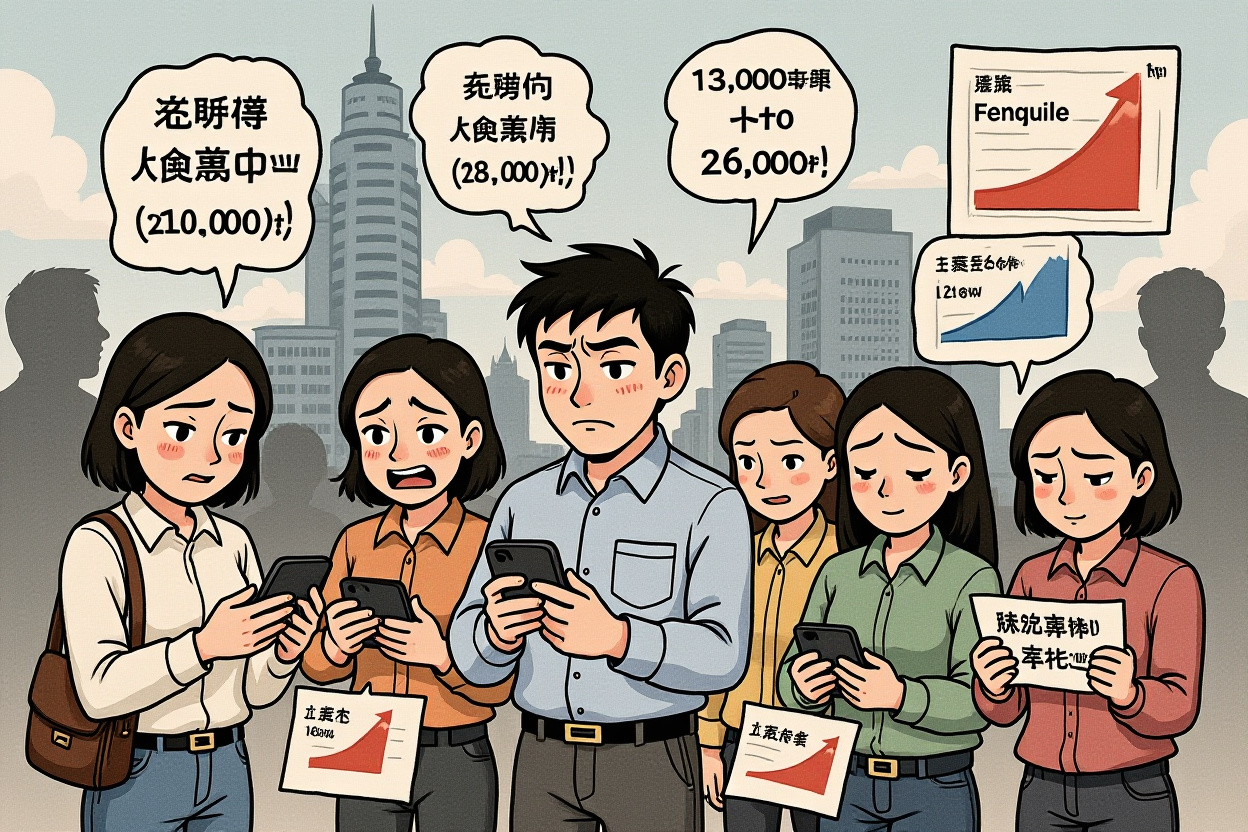
– The case of a borrower repaying 26,859 yuan on a 13,674 yuan loan from Fenqile (分期乐) highlights alarming practices in China’s mini-loan sector, with effective annualized rates nearing 36%.
– Regulatory guidelines from the People’s Bank of China (中国人民银行) and the National Financial Regulatory Administration (国家金融监督管理总局) cap comprehensive financing costs at 24%, but platforms use hidden fees to circumvent limits.
– Mini-loan platforms, often targeting students and young adults, face persistent allegations of improper lending, violent debt collection, and data privacy violations.
– Investors in Chinese fintech and consumer credit must assess governance risks as regulatory scrutiny intensifies, impacting listed entities like Lexin Fintech Holdings (乐信集团).
– The sustainability of mini-loan business models is under threat, with potential for consumer backlash and tighter enforcement reshaping the competitive landscape.
As the Lunar New Year approached, many young Chinese found themselves cash-strapped for gifts and travel, turning to easy credit promises from platforms like Fenqile (分期乐). However, beneath the surface of accessible “mini-loans” lies a debt trap that can double borrowing costs, ensnaring consumers in a cycle of financial and psychological distress. This issue erupted into public view when a borrower’s story of repaying 26,859 yuan on a 13,674 yuan loan went viral on Weibo, spotlighting the predatory nature of some Chinese mini-loan platforms. For institutional investors and market professionals, understanding the mechanics and risks of these mini-loans in China is crucial, as regulatory crackdowns could destabilize segments of the consumer finance sector and affect related equities. The focus on mini-loans in China reveals systemic vulnerabilities in fintech lending that demand careful scrutiny.
The Rising Crisis of Mini-Loans in China
The proliferation of digital lending platforms has democratized credit access in China, but it has also fostered exploitative practices that target vulnerable demographics, particularly young adults and students. Mini-loans in China, characterized by small amounts and extended repayment periods, often mask exorbitant costs through complex fee structures and opaque terms.
Case Study: Chen’s Debt Spiral
Chen, a university student at the time, borrowed five loans totaling 13,674 yuan from Fenqile (分期乐) between 2020 and 2021 for everyday expenses, including a 400 yuan purchase split over 36 months. The loans carried annual percentage rates (APRs) ranging from 32.08% to 35.90%, far exceeding regulatory thresholds. Promoted as “low interest” with “monthly payments as low as 18.23 yuan,” these offers proved irresistible but financially crippling. By August 2022, Chen defaulted, and after over 1,000 days of delinquency, she faces total repayments of 26,859 yuan—nearly double the principal. The debt collection process exacerbated her plight, with agents contacting her family and friends, leading to severe depression and social stigma. This case exemplifies how mini-loans in China can transform manageable debt into an insurmountable burden, raising ethical and legal questions for platforms and their investors.
Opaque Fees and Snowballing Debt
While platforms advertise attractive rates, the real cost of mini-loans in China often emerges only after borrowing, through hidden charges that inflate comprehensive financing costs. This opacity not only harms consumers but also introduces significant reputational and regulatory risks for operators.
Regulatory Gaps and Platform Tactics
In December 2025, the People’s Bank of China (中国人民银行) and the National Financial Regulatory Administration (国家金融监督管理总局) issued the “Guidelines for the Management of Comprehensive Financing Costs of Small Loan Companies,” which prohibit new loans with costs exceeding 24% APR and mandate alignment with four times the one-year Loan Prime Rate (LPR) by end-2027. Despite this, platforms like Fenqile (分期乐) employ tactics to maintain high profitability:
– Adding undisclosed fees: Users report being charged for membership, guarantees, and credit assessments, pushing effective APRs toward 36%.
– Prolonging tenures: By stretching repayments to 36 months, platforms minimize monthly payments but maximize interest accrual, creating a snowball effect.
– Hiding terms in fine print: Lengthy electronic agreements bury critical details, as seen in cases where guarantor fees were not prominently disclosed.
Data from the Black Cat Complaint Platform (黑猫投诉平台) shows over 160,000 grievances against Fenqile (分期乐), with many citing unauthorized fees. For instance, one borrower in February 2025 complained of a 36% APR and demanded refunds for excess charges, highlighting enforcement challenges. Another case from Zhejiang involved a borrower who repaid 12,425.4 yuan on a 10,300 yuan loan, exceeding the contracted amount by 1,782 yuan due to hidden costs. These practices underscore the need for investors to monitor compliance risks, as violations could trigger penalties and erode trust in mini-loan platforms.
The Persistent Shadow of Campus Lending
Despite regulatory efforts to curb student lending, mini-loan platforms in China continue to engage with youthful borrowers, leveraging their financial inexperience for growth. This historical reliance on campus markets poses ongoing liabilities for companies like Lexin Fintech Holdings (乐信集团), the Nasdaq-listed parent of Fenqile (分期乐).
Historical Context and Current Practices
Lexin’s origins trace back to 2013 when founder Xiao Wenjie (肖文杰) launched Fenqile (分期乐) as a pioneer in installment shopping, initially targeting students for rapid expansion. After a 2016 crackdown on “campus loans” (校园贷), the company rebranded as a fintech firm and went public in 2017. However, evidence suggests lingering ties to student lending:
– Search results on the Black Cat Complaint Platform show 922 complaints linking Fenqile (分期乐) to campus loans, with reports of promoters soliciting on university grounds.
– Borrowers identify as students at the time of loan issuance, indicating potential breaches of regulations prohibiting loans to minors or without income verification.
– Aggressive marketing tactics, such as on-campus booths, perpetuate access to credit among financially vulnerable youth.
This enduring association not only invites regulatory scrutiny but also amplifies social risks, as young borrowers may lack the means to repay, leading to defaults and coercive collection practices. For investors, assessing the governance of mini-loan platforms requires evaluating their adherence to ethical standards and regulatory directives beyond mere compliance.
Data Privacy and Consumer Exploitation
Beyond financial terms, mini-loans in China raise alarms over data misuse, with platforms collecting extensive personal information under the guise of service provision. This exploitation of privacy forms a critical component of the lending ecosystem, affecting consumer rights and platform sustainability.
How Platforms Collect and Misuse Information
Upon agreeing to terms, users of Fenqile (分期乐) grant access to sensitive data, including ID photos, bank details, income records, facial recognition data, and location history. The platform’s privacy policy permits sharing this information with third parties such as merchants, payment partners, banks, and credit enhancement agencies. This practice, investigated by Economic Reference News (经济参考报), creates a chain of vulnerability:
– Borrowers may face unauthorized data transfers, increasing risks of identity theft or spam.
– Debt collectors leverage personal contacts for harassment, as seen in cases where family members and colleagues were targeted.
– The lack of transparent consent mechanisms undermines consumer autonomy, turning digital convenience into a trap.
For market participants, these privacy violations highlight operational risks that could lead to legal liabilities and brand damage, especially as China tightens data protection laws like the Personal Information Protection Law (个人信息保护法). Investors must factor in these non-financial risks when evaluating the long-term viability of mini-loan business models.
Regulatory Scrutiny and Future Implications
The trajectory of mini-loans in China is increasingly shaped by regulatory interventions aimed at protecting consumers and stabilizing the financial system. As authorities ramp up enforcement, platforms must adapt or face existential threats, with ripple effects across the investment landscape.
Recent Guidelines and Enforcement Challenges
The 2025 guidelines on financing costs represent a significant step, but implementation hurdles persist. Local financial regulators are tasked with correcting excesses, suspending new loans above 24%, and integrating oversight with credit reporting systems. However, platforms may delay compliance through operational tweaks, such as reclassifying fees or partnering with licensed institutions for legitimacy. Key implications for investors include:
– Potential revenue contractions for companies reliant on high-margin mini-loans, impacting earnings of entities like Lexin Fintech Holdings (乐信集团).
– Increased due diligence requirements to ensure portfolio companies adhere to evolving standards, avoiding exposure to punitive actions.
– Opportunities in alternative lending models that prioritize transparency and affordability, aligning with regulatory goals.
Expert insights suggest that without robust enforcement, the cycle of debt and exploitation may continue, but heightened public awareness and media scrutiny, as seen in reports from Southern Daily (南方日报) and China Consumer (中国消费者), are driving change. Investors should monitor announcements from the National Financial Regulatory Administration (国家金融监督管理总局) for signals on enforcement priorities.