



Executive Summary: Key Takeaways on the Mini-Loans Crisis
– A viral case involving Ms. Chen, who borrowed 13,000 yuan via Fenqile (分期乐) and owes 26,000 yuan, exemplifies the severe mini-loans debt trap plaguing young Chinese consumers.
– Despite regulatory caps set by the People’s Bank of China (中国人民银行) and the National Financial Regulatory Administration (国家金融监督管理总局), platforms employ hidden fees like membership and guarantee charges to push effective annual rates near 36%.
– The operator, Lexin Fintech Holdings Ltd. (乐信集团), has historical ties to controversial campus lending, and evidence suggests ongoing targeting of students alongside aggressive data collection and debt recovery practices.
– With over 160,000 complaints on platforms like Black Cat (黑猫投诉), the sustainability of high-margin fintech models is under scrutiny, affecting investor sentiment and prompting calls for stricter enforcement.
The Viral Case That Exposed a Systemic Flaw
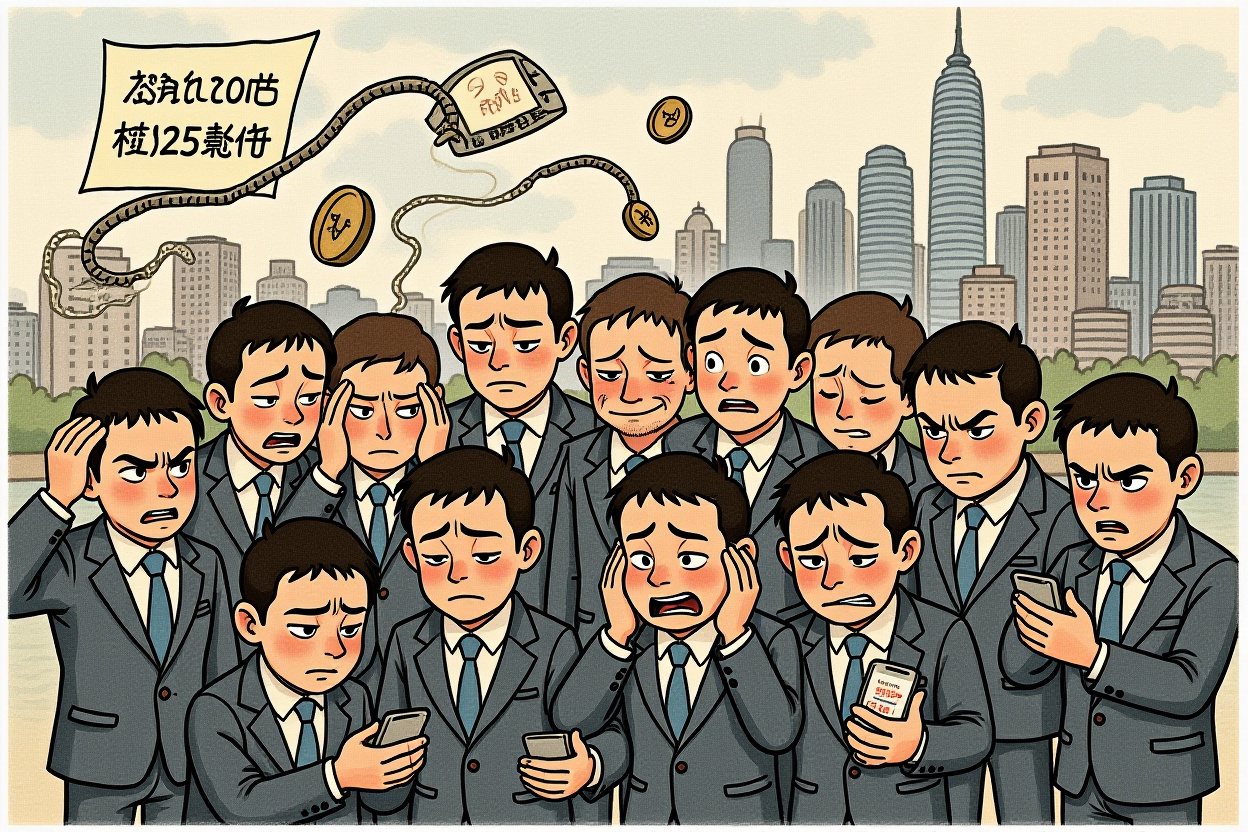
As Lunar New Year festivities pressured wallets, a young borrower’s plight went viral, casting a harsh light on China’s consumer finance landscape. Ms. Chen, a university student at the time, accessed funds through Fenqile (分期乐), lured by promises of low monthly payments. Years later, she faces a repayment sum nearly double her principal—a stark embodiment of the mini-loans debt trap. This story is not an anomaly but a symptom of broader practices where accessible credit morphs into inescapable debt.
Loan Details and Crushing Interest Rates
Between 2020 and 2021, Ms. Chen took five loans totaling 13,674 yuan, with amounts as small as 400 yuan stretched over 36 months. The advertised monthly installments, some as low as 18.23 yuan, masked annual percentage rates (APRs) ranging from 32.08% to 35.90%. By 2022, she defaulted, and after over 1,000 days of delinquency, her debt had snowballed to 26,859 yuan. This mini-loans debt trap operates by extending tenure and layering costs, ensuring borrowers pay far beyond original amounts.
The Human Cost: Psychological and Social Fallout
The burden extended beyond finances. Ms. Chen reported that debt collectors contacted her family, friends, and even her partner, leading to severe depression and social stigma. This aggressive tactic, common in the industry, exacerbates the trap by isolating borrowers and pressuring them into hasty repayments, often at the cost of mental health.
Opaque Fee Structures and the Snowball Effect
Beneath glossy marketing, mini-loans often conceal additional charges that inflate costs. Fenqile’s (分期乐) platform advertises annual rates as low as 8%, but user complaints reveal a different reality. The mini-loans debt trap is fueled by non-transparent fees that escape initial scrutiny.
Complaints on Black Cat: A Pattern of Hidden Charges
On the Black Cat complaint platform (黑猫投诉), searches for Fenqile yield over 160,000 entries. Users cite unexpected membership fees, guarantee fees, and credit assessment charges that elevate effective APRs to the 36% threshold. For instance, one borrower from August 2025 noted a 36% comprehensive rate and challenged the platform’s refusal to disclose the actual lender. Another in January 2025 reported a 1,450-yuan “credit assessment fee” atop interest. Cases documented by China Consumer (中国消费者) show discrepancies where actual repayments exceeded contracted sums by thousands of yuan, indicating systemic fee opacity.
Regulatory Red Lines and Platform Evasion
In December 2025, the People’s Bank of China (中国人民银行) and the National Financial Regulatory Administration (国家金融监督管理总局) issued the “Guidelines on Comprehensive Financing Cost Management for Small Loan Companies,” capping new loan APRs at 24% and aiming to align costs with four times the one-year Loan Prime Rate (LPR) by end-2027. From 2026, violations trigger corrective actions, halted lending, and credit reporting implications. However, platforms adapt by embedding fees in lengthy electronic agreements or partnering with third-party servicers, testing regulatory boundaries. This mini-loans debt trap persists partly through structural evasion of clear cost disclosures.
The Unshakable Legacy of Campus Lending
Fenqile’s (分期乐) operator, Lexin Fintech Holdings Ltd. (乐信集团), traces its origins to campus-focused lending, a segment notorious for predatory practices. Despite rebranding as a fintech pioneer, ties to student borrowing remain, deepening the mini-loans debt trap for vulnerable demographics.
Lexin’s Roots: From Campus to Corporation
Founded in 2013 by Xiao Wenjie (肖文杰), Lexin launched Fenqile as a分期购物 (installment shopping) platform, initially targeting students for electronics purchases. After regulatory crackdowns on校园贷 (campus loans) in 2016, Lexin restructured, went public on Nasdaq in 2017, and partnered with licensed institutions like Shanghai Bank (上海银行). Yet, its core user base still includes young adults, many of whom are students. The company’s Jiangxi-based network小贷公司 (small loan company),吉安市分期乐网络小额贷款有限公司, oversees operations, maintaining links to high-risk lending.
Persistent Targeting of Students and Young Adults
On Black Cat, over 922 complaints reference “campus loans” and Fenqile. Users allege that promotional staff still operate on campuses, setting up booths to offer credit. This ongoing access to students, combined with easy approval processes, ensnares those with limited income into the mini-loans debt trap. The platform’s positioning towards “credit consumption populations” often blurs lines, drawing in inexperienced borrowers.
Privacy Erosion and Aggressive Collection Tactics
The mini-loans debt trap extends beyond finances to personal data and safety. Upon application, platforms collect extensive information, which is then shared with third parties, while recovery methods cross ethical lines.
Data Sharing and Consent Issues
As reported by Economic Reference News (经济参考报), Fenqile’s (分期乐) privacy policy mandates sharing of user data—including ID photos, bank details, and facial recognition—with partners like merchants, payment processors, and credit enhancers. This occurs often without explicit, informed consent buried in complex agreements. For borrowers like Sha某 from Sichuan, who was charged a 1,102.14-yuan guarantee fee undisclosed upfront, the lack of transparency compounds the trap.
Violence in Debt Recovery: Legal and Ethical Boundaries
Over 20,000 complaints cite violent催收 (debt collection) by Fenqile-associated agents, involving threats, harassment of family and colleagues, and public shaming. These tactics, while illegal under Chinese law, persist due to outsourced recovery networks. The psychological pressure accelerates the mini-loans debt trap, forcing borrowers into distress sales or further borrowing.
Market Implications and the Road Ahead
This crisis reverberates through China’s fintech sector, affecting investor confidence and regulatory priorities. The mini-loans debt trap poses sustainability questions for growth models built on high-yield lending.
Fintech Sustainability Under Scrutiny
Lexin’s stock performance and industry peers face headwinds as regulators tighten screws. The 24% APR cap challenges profitability for platforms reliant on margin from subprime segments. Investors must assess whether technological efficiencies justify social risks and potential legal penalties. The mini-loans debt trap could trigger broader market corrections if defaults rise or enforcement intensifies.
Guidance for Investors and Consumers
For institutional players, due diligence should include auditing platform compliance with cost guidelines and ethical collection practices. Consumers are advised to scrutinize loan agreements, demand fee breakdowns, and report violations via channels like the Financial Consumer Rights Protection Bureau (金融消费者权益保护局). Resources such as the National Financial Regulatory Administration’s (国家金融监督管理总局) announcements offer updates on enforcement actions.
Synthesizing the Crisis and Pathways Forward
The mini-loans debt trap, epitomized by Ms. Chen’s ordeal, reveals a fragile ecosystem where innovation outpaces protection. Key takeaways include the urgent need for transparent pricing, robust enforcement of existing caps, and consumer education on compound interest risks. As China’s financial authorities balance inclusion with stability, platforms must evolve beyond high-cost shortcuts. For global investors monitoring Chinese equities, this segment warrants caution—look for companies prioritizing sustainable unit economics over aggressive expansion. The call to action is clear: stakeholders must collaborate to dismantle this trap, ensuring that consumer finance empowers rather than empties the next generation.