



Executive Summary
Key takeaways from the SDIC UBS Silver Futures LOF crisis:
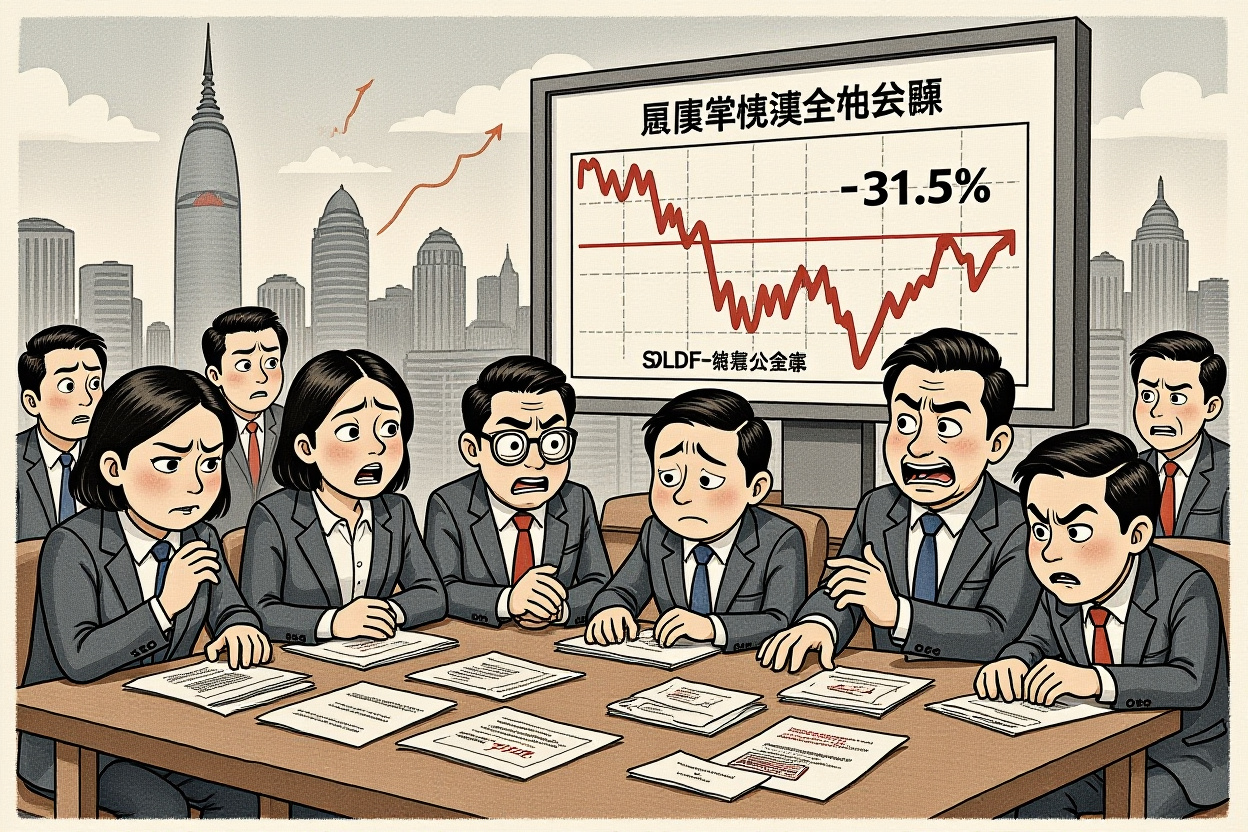
– A rare valuation adjustment led to a 31.5% single-day NAV drop, the largest in Chinese public fund history, triggering massive investor losses.
– The fund’s suspension during a silver price crash and subsequent limit-downs created a liquidity trap, with over 40% price decline and billions in blocked orders.
– SDIC UBS has formed a task force, but core investor demands for compensation, transparency, and liquidity support remain unresolved, highlighting regulatory gaps.
– This public fund valuation crisis underscores the risks in commodity-linked products and may prompt stricter oversight from the China Securities Regulatory Commission (CSRC).
– Investors are advised to reassess exposure to similar funds and seek legal recourse while monitoring industry responses.
The Year 2026 Began with a Seismic Shock in China’s Public Fund Landscape
A sudden and unprecedented valuation adjustment triggered a 31.5% single-day plunge in the net asset value of SDIC UBS Silver Futures LOF, marking a severe public fund valuation crisis. This event has left investors reeling and exposed deep-seated issues in fund management practices, with over 40% price drop in the secondary market and billions in blocked orders. As complaints flood in, the response from SDIC UBS and regulators will be closely watched by institutional investors worldwide. This incident not only tests investor confidence but also pressures the industry to reassess its risk frameworks amid growing scrutiny.
The public fund valuation crisis stems from a perfect storm of soaring silver prices and regulatory constraints, catching market participants off guard. With the fund’s size ballooning from 4.3 billion yuan to over 10 billion yuan during the rally, the fallout now threatens to erode trust in China’s rapidly expanding public fund sector. International investors must note how such events can ripple through emerging markets, affecting portfolio strategies and risk assessments.
The Unprecedented Net Value Storm
This public fund valuation crisis originated from a volatile surge in international silver prices, which saw the metal experience its strongest uptrend in a decade. SDIC UBS Silver Futures LOF, China’s only exchange-traded fund tracking silver futures, became the epicenter of market frenzy.
The Silver Surge and Sudden Trading Halt
From October 2025 to January 29, 2026, the fund’s net asset value skyrocketed from 1.26 yuan to 5.25 yuan, a staggering 300% increase. This attracted a flood of retail and institutional investors, driving assets under management from 4.3 billion yuan to over 10 billion yuan. However, the狂欢 ended abruptly on January 30, 2026, when the fund suspended trading for a day without prior warning, coinciding with a 25% plunge in international silver prices. Investors were left stranded, unable to sell or adjust positions, as panic began to set in.
The suspension highlighted critical liquidity risks in commodity-linked LOFs, where domestic futures price limits can distort real-time valuation. This public fund valuation crisis was exacerbated by the disconnect between global market moves and local trading mechanisms, a gap that fund managers failed to adequately communicate.
The Valuation Adjustment: A 31.5% Single-Day Plunge
On February 2, 2026, after the market close, SDIC UBS announced a drastic NAV adjustment, slashing the A-share unit value from 3.2838 yuan to 2.2494 yuan—a 31.5% drop. This historic move, justified by the need to reflect underlying asset values amid international volatility, left investors who had submitted redemption requests before the cut-off time facing unexpected losses. The public fund valuation crisis deepened as secondary market prices hit limit-down for five consecutive days, with sell orders exceeding 10 billion yuan.
SDIC UBS cited compliance with regulatory guidelines and fund contracts, but the lack of transparency fueled outrage. Data from East Money Information Network shows this as the largest single-day NAV decline in Chinese public fund history, underscoring the severity of the public fund valuation crisis.
Investor Outrage and Unmet Core Demands
As losses mounted, investors mobilized through platforms like Phoenix Net’s complaint channel, with hundreds of grievances filed by February 7, 2026. The public fund valuation crisis has sparked legal debates and calls for regulatory intervention.
Mass Complaints and Market Panic
Investors expressed fury over the trading halt and valuation adjustment, labeling it as deceptive and rule-breaking. Key complaints included:
– Why was trading suspended on January 30 without advance notice, preventing risk mitigation?
– How can valuation disparities between domestic and international markets be justified, leading to such abrupt NAV cuts?
– What recourse exists for those who redeemed before the adjustment but suffered losses due to delayed清算?
These issues reflect broader concerns about investor protection in China’s public fund ecosystem, where the public fund valuation crisis has become a litmus test for accountability.
SDIC UBS’s Response: A Task Force but No Answers
On February 6, 2026, SDIC UBS issued a公告 announcing a专项工作小组 to address investor诉求. The公告 emphasized legal,公开, and公正 principles, promising to safeguard investor rights and facilitate dispute resolution through mediation or arbitration. While this signaled a proactive stance, it fell short on specifics.
Critical unanswered questions persist:
1. Will the valuation adjustment timing be revised, and will补偿 be offered for pre-adjustment redemptions?
2. How will liquidity be restored to help trapped investors exit, given continuous limit-downs?
3. Does SDIC UBS acknowledge inadequate risk disclosure prior to the crisis, and will it assume responsibility?
4. Are there plans for回购, liquidity support, or other remedial measures for affected investors?
Until these are addressed, the public fund valuation crisis will continue to simmer, eroding trust in SDIC UBS and similar products.
Regulatory and Industry Implications
This public fund valuation crisis exposes potential loopholes in China’s public fund regulations, particularly for niche products like commodity futures LOFs. The incident may catalyze stricter oversight from the China Securities Regulatory Commission (CSRC).
Lessons for Public Fund Risk Management
The crisis underscores the need for enhanced risk frameworks, including:
– Better alignment of NAV calculations with global market dynamics, especially for internationally traded assets.
– Clearer communication protocols for trading halts and valuation adjustments, with real-time investor alerts.
– Stress testing for liquidity scenarios in funds with concentrated exposures, as seen in this public fund valuation crisis.
Industry experts, such as former CSRC official Zhang Xiaojun (张晓军), warn that without reforms, similar events could recur, damaging China’s capital market credibility.
The Role of China’s Regulatory Bodies
The CSRC and other authorities may intervene to review valuation rules under the证券投资基金法 (Securities Investment Fund Law). Potential actions include:
– Updating guidelines for fund suspensions and NAV adjustments to prevent surprises.
– Enhancing disclosure requirements for commodity-linked funds, mandating warnings about price gaps between domestic and international markets.
– Investigating SDIC UBS’s compliance with existing regulations, which could lead to penalties or operational changes.
This public fund valuation crisis serves as a wake-up call for regulators to balance innovation with investor protection in China’s evolving fund landscape.
Forward-Looking Analysis and Investor Guidance
As the public fund valuation crisis unfolds, market participants must adapt strategies to mitigate risks and capitalize on lessons learned.
What Affected Investors Should Do Now
Investors in SDIC UBS Silver Futures LOF or similar products should consider these steps:
– Document all transactions and communications with SDIC UBS for potential legal claims through channels highlighted in the公告.
– Diversify away from single-asset or commodity-focused public funds to reduce exposure to similar valuation shocks.
– Monitor announcements from SDIC UBS and regulators for补偿 schemes or liquidity solutions, as this public fund valuation crisis may set precedents.
Seeking advice from financial advisors or legal experts familiar with China’s fund regulations is prudent, given the complexity of the situation.
Future Outlook for Commodity-Linked Public Funds
The public fund valuation crisis may slow growth in commodity-linked funds, but demand for diversified assets remains. Trends to watch:
– Increased due diligence on fund managers’ risk management practices, especially for products with international underlying assets.
– Potential product innovations, such as dual-pricing mechanisms or hedging tools, to address valuation gaps.
– Regulatory reforms that could make China’s public fund market more resilient, attracting cautious global capital.
This incident underscores that while public funds offer accessibility, they are not immune to systemic risks, requiring vigilant oversight.
Synthesizing the Crisis and Path Forward
The SDIC UBS Silver Futures LOF debacle is more than an isolated event; it is a watershed moment for China’s public fund industry. The public fund valuation crisis has revealed critical vulnerabilities in valuation methodologies, liquidity management, and investor communication. As SDIC UBS grapples with mounting pressure, its ability to deliver concrete solutions will determine whether confidence can be restored.
For the broader market, this crisis highlights the importance of robust risk frameworks and transparent governance. Investors worldwide should reassess their exposure to Chinese public funds, particularly those with complex underlying assets. Regulatory bodies must act swiftly to close gaps and prevent recurrence, ensuring that China’s capital markets continue to mature responsibly.
Moving forward, stakeholders should engage in industry dialogues and advocate for reforms that prioritize investor protection. The public fund valuation crisis is a stark reminder that in fast-growing markets, vigilance and adaptability are key to sustainable growth. Stay informed through reliable sources and consider consulting professionals to navigate this evolving landscape.