



Executive Summary
– Qingdao has dramatically returned to China’s million-vehicle club in 2025, producing over 1.02 million units after a three-year slump, signaling a major comeback for the northern industrial hub.
– The resurgence is powered by 上汽通用五菱 (SAIC-GM-Wuling)’s新能源 transformation, with its Qingdao plant contributing nearly 500,000 vehicles, including 302,000 new energy vehicles (NEVs), highlighting a shift away from reliance on traditional brands.
– The city is aggressively pursuing leadership in autonomous vehicles, deploying over 1,200低速无人车 (low-speed unmanned delivery vehicles) through partnerships like 新石器 (Neolix) and 滴滴送货 (Didi Huoyun), aiming to become the ‘global autonomous vehicle first city.’
– Despite the产量 surge, challenges persist, including a lack of a本土代表性汽车品牌 (domestic representative automotive brand) and the risk of remaining a manufacturing ‘加工厂’ for external companies, which could impact long-term value capture.
– This evolution presents significant opportunities for investors in Chinese automotive equities, particularly in sectors related to NEVs, smart infrastructure, and supply chain components, as regional dynamics reshape market leaders.
The Remarkable Return to the Million-Vehicle Club
After a three-year absence from China’s prestigious million-vehicle club, the port city of 青岛 (Qingdao) has staged a stunning reversal, with整车产量 (whole vehicle production) soaring to 1.022 million units in 2025—a 44.1% year-on-year increase. This achievement not only marks a重新入场 (re-entry) into an elite tier dominated by cities like 重庆 (Chongqing) and 合肥 (Hefei) but also underscores the volatile yet transformative nature of China’s automotive sector. For global investors, Qingdao’s comeback is a bellwether of regional shifts driven by政策支持 (policy support) and strategic pivots, offering a lens into where capital might flow next in 中国股市 (Chinese equity markets).
Decoding the Data: A Surge Powered by New Energy
The numbers tell a compelling story. In 2025, 青岛 (Qingdao)’s automotive manufacturing industrial增加值 (value-added) grew by 25.9%, contributing significantly to the city’s overall industrial output. Crucially,新能源汽车 (new energy vehicle) production accounted for 40% of total output, up from less than 10% in 2020, reflecting a structural shift that aligns with national goals for碳减排 (carbon reduction). This rebound contrasts sharply with the previous downturn, when产量 dipped to 700,000-800,000 units between 2022 and 2024, largely due to struggles at本地品牌如北汽新能源 (local brands like BAIC新能源). The return to the million-vehicle club is thus not just a quantitative win but a qualitative leap toward electrification.
The 上汽通用五菱 (SAIC-GM-Wuling) Factor: A新能源 ‘Black Horse’
At the heart of this resurgence is 上汽通用五菱 (SAIC-GM-Wuling), whose青岛分公司 (Qingdao branch) produced 499,000 vehicles in 2025, including 302,000 NEVs. The company’s rapid新能源转型 (new energy transition)—with models like the五菱宏光MINIEV (Wuling Hongguang MINIEV)—has made it a global top-three seller by mid-2025, defying the ‘船大难掉头’ (big ship hard to turn) narrative often associated with legacy automakers. For Qingdao, this partnership exemplifies a ‘拿来主义’ (bring-in) development model, leveraging established players to boost scale. However, investors should note that Wuling’s focus on the低端市场 (low-end market) means利润率 (profit margins) remain thin, posing a risk if consumer preferences shift toward premium segments.
Historical Context: From Humble Beginnings to Strategic Ambitions
青岛 (Qingdao)’s automotive journey dates back to the 1990s, when it acquired production lines from the衰落 (declining) British firm 罗孚 (Rover), leading to the creation of颐中汽车 (Yizhong Automobile), a precursor to today’s SAIC-GM-Wuling operation. Initially, the city’s economy was dominated by家电 (home appliances), but leaders recognized汽车产业 (the automotive industry)’s potential for high investment and产业链 (supply chain) development. This historical foresight has enabled Qingdao to consistently attract major projects, from一汽解放 (FAW Jiefang) to一汽大众 (FAW-Volkswagen), embedding automotive manufacturing into its industrial DNA.
The ‘Bring-In’ Model: Strengths and Vulnerabilities
青岛 (Qingdao)’s approach has relied heavily on招引 (attracting) external automakers, rather than nurturing本土品牌 (homegrown brands). While this has rapidly scaled production—making automotive a千亿产业 (100-billion-yuan industry)—it also risks turning the city into a mere ‘加工厂’ (processing plant). As 王玉海 (Wang Yuhai), director of the吉林大学青岛汽车研究院 (Jilin University Qingdao Automotive Research Institute), noted in media interviews, core研发环节 (R&D) and high-end models often remain at headquarters, limiting local innovation. For investors, this highlights a potential gap in value creation: cities with strong本土品牌 like比亚迪 (BYD) in深圳 (Shenzhen) may offer more sustainable equity opportunities.
Pivoting to Smart and Autonomous Vehicles
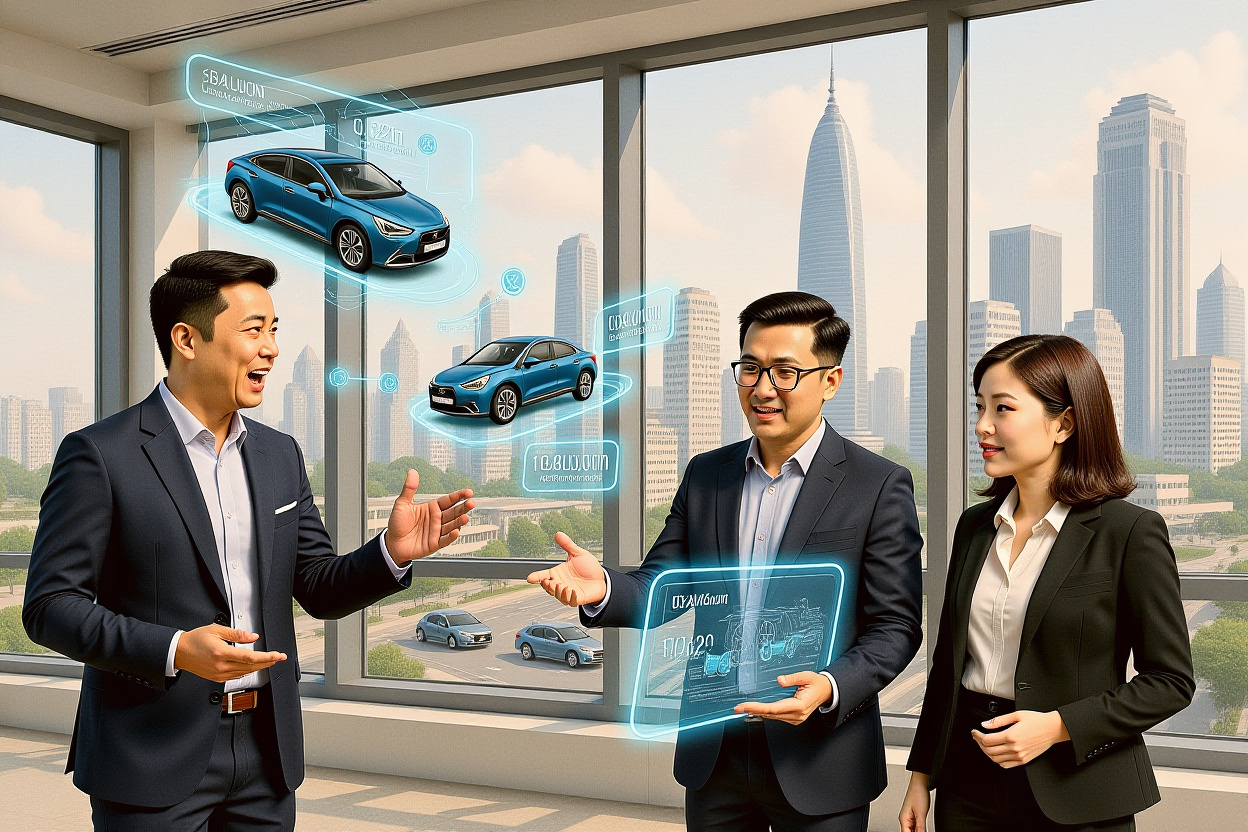
Beyond rejoining the million-vehicle club, 青岛 (Qingdao) is now charging into the智能网联汽车 (smart connected vehicle) arena, with ambitions to become the ‘全球无人车第一城’ (global autonomous vehicle first city). This shift is strategic, as it leverages the city’s existing strengths in电子信息 (electronics and information technology) and aligns with national priorities for人工智能 (artificial intelligence) integration. By开放场景 (opening up scenarios) for testing and deployment, Qingdao aims to create a ecosystem that attracts tech firms and generates valuable data, positioning itself as a hub for future mobility solutions.
Policy Catalysts and Infrastructure Investments
In 2024, 青岛 (Qingdao) became one of the first Chinese cities to允许低速无人车上路 (allow low-speed autonomous vehicles on public roads), issuing regulations that granted路权 (road rights) for logistics applications. This policy ‘绿灯’ (green light) directly enabled partners like新石器 (Neolix) to deploy over 1,200无人送货车 (unmanned delivery vehicles) by end-2025, surpassing Waymo’s fleet in San Francisco. Such initiatives are backed by government plans, such as the智能网联新能源汽车产业规划 (Smart Connected New Energy Automotive Industry Plan) released in early 2025, which earmarks resources for infrastructure and R&D. For market participants, these moves signal growing investment opportunities in ancillary sectors like sensors, software, and connectivity solutions.
Competitive Landscape: Battling with深圳 (Shenzhen) and Beyond
The race for autonomous vehicle dominance is fierce. While Qingdao touts its logistics fleet size,深圳 (Shenzhen) has also deployed over 1,200功能型无人车 (functional unmanned vehicles) and hosts players like萝卜快跑 (Luobo Kuaipao), which expanded into Qingdao in 2026. Other cities like武汉 (Wuhan) are advancing in载人营运 (passenger operations), creating a fragmented yet dynamic market. Investors should monitor regulatory updates from the工业和信息化部 (Ministry of Industry and Information Technology) and local governments, as policy shifts can quickly alter competitive advantages and impact related stocks.
Challenges in Sustaining the Momentum
Despite rejoining the million-vehicle club, 青岛 (Qingdao) faces hurdles that could affect its long-term automotive prominence. The reliance on external brands like上汽通用五菱 (SAIC-GM-Wuling) means production volumes are vulnerable to corporate strategy changes, as seen with北汽新能源 (BAIC新能源)’s earlier decline. Moreover, the lack of a globally recognized本土品牌 (domestic brand) hampers the city’s ability to capture higher margins and foster innovation clusters. As the automotive industry evolves toward软件定义汽车 (software-defined vehicles), Qingdao must deepen its talent pool in areas like大数据 (big data) and AI to avoid being relegated to assembly roles.
Building a Representative Brand and Ecosystem
To move beyond the ‘加工厂’ label, 青岛 (Qingdao) is encouraging本地企业 (local enterprises) to contribute to the智能汽车 (smart car) supply chain. For instance,海信 (Hisense) is expanding into车载显示 (in-vehicle displays) and智能座舱 (smart cockpits), while歌尔 (Goertek) is developing汽车电子 (automotive electronics) solutions for交互触控 (interactive touch) and声学 (acoustics). These efforts, combined with initiatives like the国际汽车城 (International Automotive City) project launched in 2022, aim to create a more integrated industry. For investors, this suggests potential in mid-cap companies within Qingdao’s ecosystem, though due diligence is needed to assess their technological edge against national leaders.
Investment Implications and Market Outlook
青岛 (Qingdao)’s automotive resurgence has broader ramifications for 中国股市 (Chinese equity markets). The city’s success with上汽通用五菱 (SAIC-GM-Wuling) illustrates that traditional automakers can still drive新能源 growth, potentially boosting stocks in the value segment. Simultaneously, the push into autonomous vehicles aligns with global trends, making related sectors—from LiDAR manufacturers to cloud computing providers—attractive for institutional portfolios. As regional production rankings shift, with山东 (Shandong) province surpassing江苏 (Jiangsu) to become China’s fourth-largest auto producer, investors should recalibrate their exposure to provincial economic indicators and supply chain dynamics.
Strategies for Global Investors and Fund Managers
For sophisticated investors, key actions include:
– Diversifying into NEV and smart vehicle ETFs that capture regional growth, such as those tracking the中证新能源汽车指数 (CSI New Energy Vehicle Index).
– Monitoring policy announcements from the国家发改委 (National Development and Reform Commission) and地方 governments for incentives that could benefit companies like五菱 (Wuling) or autonomous tech firms.
– Engaging with corporate earnings calls of firms with Qingdao operations to assess sustainability of production boosts and R&D investments.
– Considering environmental, social, and governance (ESG) factors, as Qingdao’s新能源 focus may align with green investment mandates, though labor and supply chain practices require scrutiny.
Synthesizing the Comeback Story
青岛 (Qingdao)’s return to the million-vehicle club is a testament to strategic adaptation and policy-driven growth in China’s automotive sector. By leveraging partnerships like上汽通用五菱 (SAIC-GM-Wuling) and pioneering in autonomous logistics, the city has repositioned itself from a sidelined player to a contender in the global mobility race. However, challenges around brand development and innovation retention highlight the precarious nature of such comebacks. For the global investment community, this narrative underscores the importance of looking beyond headline production numbers to deeper structural shifts—such as electrification ratios and smart infrastructure investments—when evaluating Chinese automotive equities. As competition intensifies, staying informed through reliable sources like the中国汽车工业协会 (China Association of Automobile Manufacturers) reports will be crucial for capitalizing on emerging opportunities. Moving forward, investors are encouraged to explore thematic funds focused on智能网联 (smart connectivity) and regional industrial clusters, as cities like Qingdao redefine what it means to lead in the automotive age.