



Executive Summary
The sudden and unexplained absence of a newly appointed CEO at a major Chinese listed company has sent shockwaves through the investment community, highlighting critical vulnerabilities in corporate oversight and market transparency.
- – A CEO of a prominent A-share listed entity has gone missing after only two months in the role, triggering a volatile market reaction and regulatory scrutiny.
- – The parent company, 高鑫零售 (Gome Retail Group), initially issued a forceful denial, labeling reports as false, before evidence emerged contradicting their statement.
- – This incident exposes deep-seated corporate governance challenges, including board accountability and information disclosure practices, that can materially impact shareholder value.
- – International investors must reassess their due diligence frameworks for Chinese equities, focusing on executive stability and internal control mechanisms.
- – The 中国证监会 (China Securities Regulatory Commission) is likely to intensify its oversight, potentially leading to stricter enforcement actions and listing standards.
The Unfolding Scandal: From Denial to Contradiction
In a dramatic sequence of events that has captivated market participants, the CEO disappearance scandal at a subsidiary of 高鑫零售 (Gome Retail Group) underscores the precarious nature of leadership stability in China’s corporate landscape. The executive, appointed just eight weeks prior, ceased all contact with the board and investors, plunging the company into a crisis of confidence. This CEO disappearance scandal is not an isolated anomaly but a symptomatic event that demands a thorough examination of governance protocols.
Chronology of a Corporate Mystery
The timeline began with internal reports of the CEO’s absence, which quickly leaked to financial news outlets, including 凤凰网 (ifeng.com). Initially, the parent company’s spokespersons categorically denied any issue, stating the executive was on a pre-planned business trip. However, within 24 hours, verifiable evidence from travel records and internal communications surfaced, directly contradicting the official narrative. This rapid shift from denial to acknowledgment has severely damaged corporate credibility and sparked a sell-off in the company’s shares.
The Role of Media and Market Speculation
Outlets like 凤凰网 (ifeng.com) played a pivotal role in breaking the story, applying pressure that forced a more transparent, albeit delayed, response from the company. The incident highlights the power of financial journalism in China’s evolving market ecosystem, where real-time information flow can exacerbate volatility. Market speculation around potential reasons for the disappearance—ranging from personal issues to regulatory investigations—has further clouded the investment thesis, demonstrating how such a CEO disappearance scandal can create significant uncertainty.
Corporate Governance Under the Microscope
This CEO disappearance scandal serves as a stark reminder of the corporate governance gaps that still plague some segments of China’s equity markets. For institutional investors, the episode raises fundamental questions about board oversight, succession planning, and risk management frameworks within portfolio companies.
Board Accountability and Transparency Failures
The board of directors at the listed subsidiary, and by extension its parent 高鑫零售 (Gome Retail Group), faces intense scrutiny for its handling of the situation. Key governance failures include:
- – Inadequate Vetting: The brief tenure before disappearance suggests potential flaws in the executive recruitment and background check processes.
- – Crisis Communication Mismanagement: The initial false denial eroded trust and may attract regulatory penalties for misinformation.
- – Lack of Contingency Plans: The absence of a clear interim leadership protocol exposed operational vulnerabilities.
Impact on Shareholder Trust and Valuation
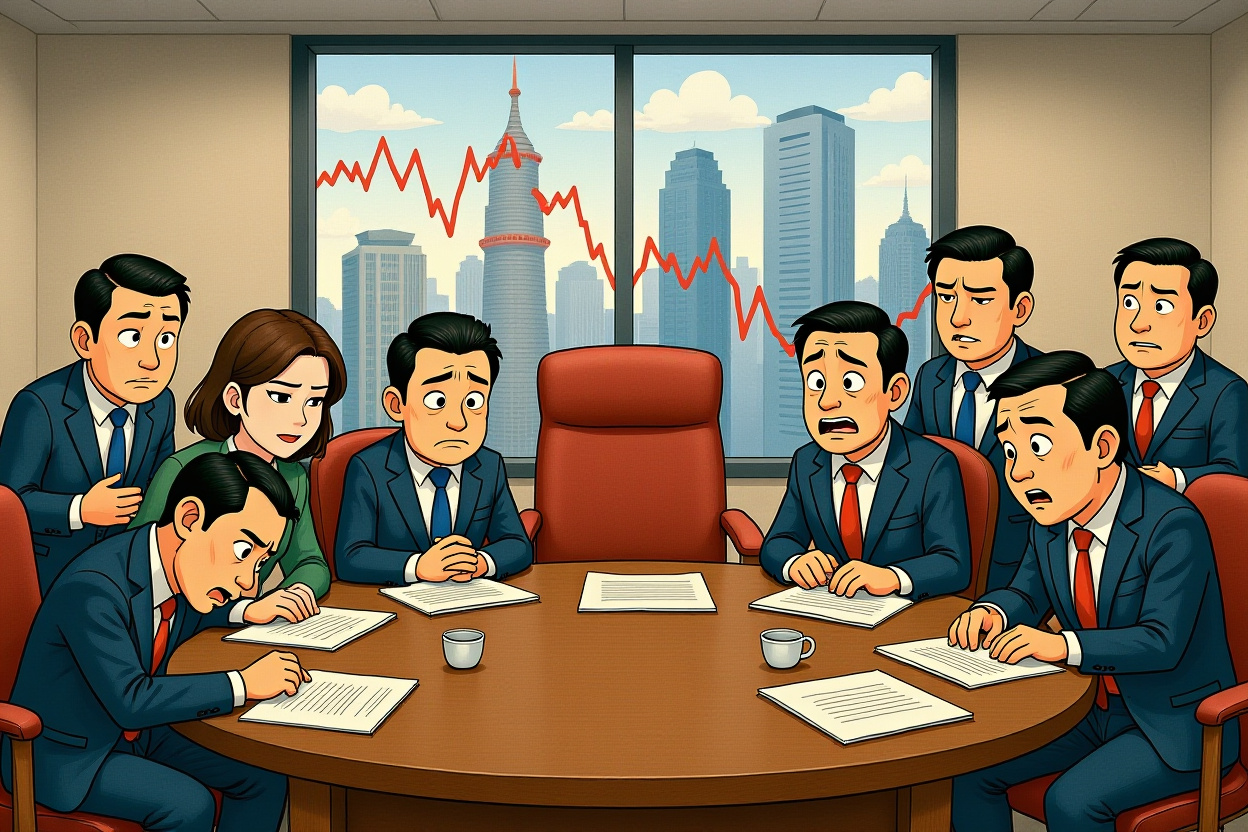
Immediately following the news confirmation, the company’s stock price on the 上海证券交易所 (Shanghai Stock Exchange) fell by over 8%, wiping out hundreds of millions in market capitalization. This CEO disappearance scandal directly impacts shareholder value, as investors discount future cash flows due to increased perceived risk. Long-term institutional holders, including mutual funds and pension funds, are now reevaluating their exposure to companies with similar governance profiles.
Regulatory Landscape and Market Implications
The response from Chinese regulators will be a critical indicator of the seriousness with which such governance breaches are treated. The 中国证监会 (China Securities Regulatory Commission) has previously emphasized the importance of executive integrity and transparent disclosure under rules like the 上市公司信息披露管理办法 (Measures for the Administration of Information Disclosure by Listed Companies).
Potential Regulatory Actions and Enforcement
Historically, the CSRC has imposed fines, public censures, and even delisting for severe governance failures. In this CEO disappearance scandal, regulators may:
- – Launch a formal investigation into the circumstances of the disappearance and the company’s disclosure practices.
- – Sanction the company and its directors for providing false or misleading information to the market.
- – Introduce tighter requirements for executive background checks and real-time reporting of senior management changes.
An outbound link to a relevant CSRC announcement on governance enforcement can be found here (placeholder for actual link to CSRC website).
Broader Sentiment in Chinese Equities
For international fund managers, this incident compounds existing concerns about corporate governance in Chinese listings, particularly amid broader economic headwinds. It may lead to a flight to quality, with capital flowing toward state-owned enterprises or companies with proven governance track records, while smaller, privately-held listed firms face higher scrutiny and potentially higher cost of capital.
Case Study: 大润发 (RT-Mart) and Its Parent Ecosystem
To understand the full context of this CEO disappearance scandal, it is essential to examine the corporate structure involved. 大润发 (RT-Mart) is a major hypermarket chain operated by the listed entity under 高鑫零售 (Gome Retail Group), which itself is a significant player in China’s retail sector.
Historical Governance Challenges
高鑫零售 (Gome Retail Group) has faced prior governance issues, including board disputes and regulatory inquiries. This history suggests systemic weaknesses in oversight that may have contributed to the current crisis. The parent company’s swift but inaccurate denial reflects a pattern of defensive crisis management rather than proactive transparency.
Financial and Operational Fallout
The disappearance comes at a sensitive time for the retail sector, which is undergoing digital transformation and facing intense competition. Operational disruptions could impact supply chain agreements, vendor relationships, and consumer confidence, further straining financial performance. Analysts are revising earnings forecasts downward, citing leadership uncertainty as a key risk factor.
Strategic Takeaways for Global Investors
This CEO disappearance scandal provides a critical learning opportunity for international investors engaged in Chinese markets. Moving beyond headline risk, sophisticated professionals must integrate governance analysis into their core investment processes.
Enhanced Due Diligence Frameworks
Investors should prioritize companies with:
- – Robust independent director representation on boards.
- – Clear and tested succession plans for key executives.
- – Transparent histories of regulatory compliance and timely disclosure.
Tools like environmental, social, and governance (ESG) scoring can be supplemented with deep-dive investigations into executive backgrounds and corporate culture.
Active Engagement and Monitoring
Passive ownership is insufficient in markets where governance shocks can be sudden and severe. Institutional investors must practice active stewardship, engaging with company management and boards to advocate for stronger oversight mechanisms. Monitoring channels such as official 证券交易所 (stock exchange) announcements and regulatory filings is essential for early risk detection.
Navigating the Aftermath and Future Precautions
The reverberations from this CEO disappearance scandal will likely influence market practices and regulatory priorities for years to come. For corporate executives and board members, the incident is a wake-up call to fortify internal controls and crisis management protocols.
Recommendations for Listed Companies
Companies should immediately review their governance frameworks, focusing on:
- – Implementing stricter pre-appointment due diligence for C-suite hires, potentially involving third-party forensic checks.
- – Establishing clear protocols for rapid and accurate disclosure of material events, in alignment with 证监会 (CSRC) guidelines.
- – Conducting regular board evaluations and governance audits to identify and mitigate hidden risks.
Forward-Looking Market Guidance
In the short term, expect increased volatility in stocks perceived to have governance weaknesses. Regulatory clarity will be key; investors should closely watch for statements from the 中国人民银行 (People’s Bank of China) and CSRC regarding broader financial stability. Over the long term, this CEO disappearance scandal may accelerate positive reforms, leading to a more resilient and transparent market ecosystem that better protects international capital.
Ultimately, the vanishing CEO episode is a potent reminder that in Chinese equities, governance risk is inseparable from financial risk. By learning from this CEO disappearance scandal, investors can refine their strategies to navigate the complexities of China’s dynamic capital markets, turning crisis into opportunity through informed, vigilant analysis and engagement.