



Executive Summary
Key takeaways from the dramatic events surrounding the SDIC Silver LOF:
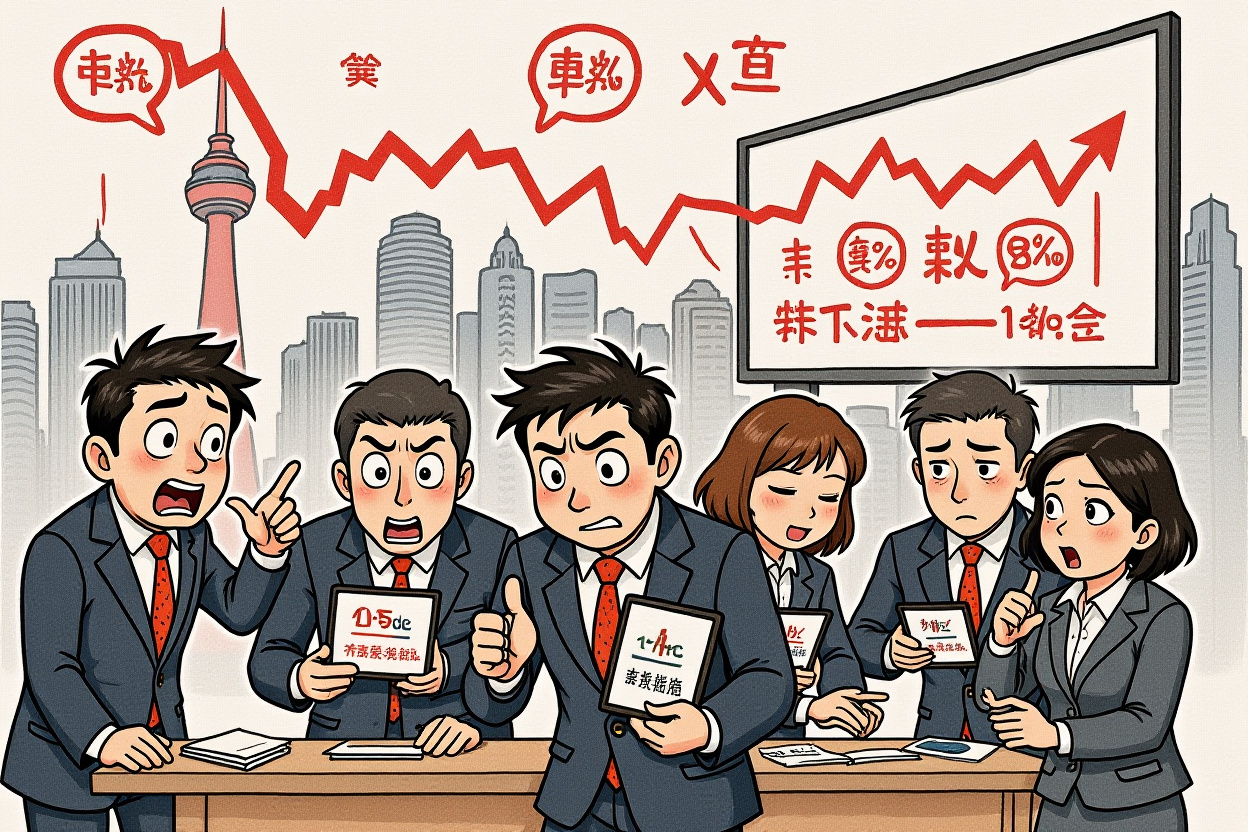
– The SDIC Silver LOF (国投瑞银白银期货LOF)复牌后直接跌停, with sell orders exceeding 18 million shares, highlighting extreme market panic following a historic silver price crash.
– Despite the跌停, the fund’s premium remains elevated above 40%, down from nearly 60%, indicating persistent dislocation between price and net asset value (NAV).
– Regulatory interventions, including trading suspensions and risk warnings by the Shenzhen Stock Exchange (深交所) and SDIC UBS Fund (国投瑞银基金), aim to curb speculative frenzy but face challenges in normalizing premiums.
– Investor sentiment has shifted, with lessons emerging on avoiding high-premium products, yet成交额 of 65.83 million yuan suggests some are still entering the market.
– The SDIC Silver LOF saga underscores dual risks: underlying silver volatility and溢价波动风险, requiring cautious strategy for global investors in Chinese commodity-linked funds.
A Perfect Storm in Silver Markets
The dramatic collapse in silver prices has sent shockwaves through global commodities, but nowhere is the impact more acutely felt than in China’s specialized investment funds. On February 2,现货白银 (spot silver) erased all its year-to-date gains, plunging to a low of $71.31 per ounce before recovering to around $79, while the Shanghai白银主连合约 (silver futures) remained limit-down. This暴跌 has exposed critical vulnerabilities in products like the SDIC Silver LOF, which tracks these volatile futures. The SDIC Silver LOF, as the only domestic commodity fund focused on Shanghai silver futures, became a focal point for投机交易, leading to a复牌一字跌停 that left over 18 million shares封死 in sell orders. This event marks a pivotal moment for understanding premium risks in Chinese listed open-ended funds (LOFs).
The SDIC Silver LOF’s journey from a niche tool to a speculative hotspot began with白银价格疯狂上涨 in late 2024. According to fund reports, the SDIC Silver LOF saw its份额 surge by 75.87% in Q4 2025, with total shares reaching 9.36 billion. This influx was driven by稀缺属性 and soaring returns—the A-share class posted a 130.99% gain for 2025, including a 62.43% jump in Q4 alone. However, the基金公司 responded with aggressive限购, capping申购 at 500 yuan per day by December 2025, and ultimately suspending all申购业务 on January 28. These measures, intended to manage规模 against交易所持仓限额, inadvertently fueled溢价率上升 by cutting off套利通道. As Wu Zewei (武泽伟), a特约研究员 at苏商银行, notes, “The disconnect between投机需求 and fixed supply pushed premiums to irrational highs, creating a bubble that was destined to burst.”
Global Context and Immediate Triggers
The silver price meltdown wasn’t isolated—it reflected broader market dynamics. On January 30,伦敦现货白银 (London spot silver) saw its largest intraday drop in history, exceeding 35%, while沪银全合约跌停. This panic was triggered by过度拥挤的多头交易 and rapid获利了结, as explained by Qu Rui (瞿瑞), a高级副总监 at东方金诚研究发展部. For the SDIC Silver LOF, the underlying资产波动 translated directly into净值下滑, but the更大的威胁 came from溢价坍缩. Investors who chased the fund during its溢价率达到58.64% phase now face双重打击:白银价格下跌 and溢价回落风险. The SDIC Silver LOF’s跌停 on February 2, with封单量达1835.5万手, exemplifies how liquidity can vanish in stressed markets, trapping participants in positions with diminishing value.
Decoding the SDIC Silver LOF Premium Bubble
The溢价率 of the SDIC Silver LOF became a barometer for market irrationality, peaking at 58.64% before the跌停. This section breaks down how such distortions emerged and why they persist above 40% despite regulatory efforts. The SDIC Silver LOF’s structure as a LOF allows dual trading—场外申购 and场内交易—but when申购 is suspended,套利功能 halts, preventing arbitrageurs from bridging the gap between price and NAV. Wu Zewei (武泽伟) emphasizes that “高溢价并非安全垫” but a随时可能坍缩的泡沫, with current市价 facing up to 50% downside from溢价回落 alone. The基金公司’s近40份溢价风险提示公告 since December 2025 aimed to educate investors, yet投机行为 continued, driven by白银暴涨引发的情绪.
Data from天天基金网 shows the SDIC Silver LOF A’s year-to-date涨幅高达61.60% as of January 30, luring retail investors into a击鼓传花 game. The基金公司 explicitly warned in a公众号推文 that高溢价是不可持续的, citing a scenario where a 2.83 yuan purchase could lead to over 26%浮亏 from combined NAV drop and premium compression. This SDIC Silver LOF case highlights a systemic issue in Chinese commodity LOFs: when underlying futures face持仓限额, fund规模 caps create artificial scarcity, exacerbating溢价波动. The深交所’s intervention on January 30, pausing trading for异常交易行为, underscores the regulatory urgency to maintain正常交易秩序. However, with溢价率 still at 43.80% post-跌停, the path to normalization remains fraught, dependent on白银价格走势 and申购重启 timing.
Regulatory Arsenal and Market Discipline
Chinese authorities have deployed multiple tools to tame the SDIC Silver LOF frenzy. The深交所 (Shenzhen Stock Exchange)公告 highlighted溢价过高情形 and imposed自律监管措施 like暂停交易 on offending investors. Simultaneously, the SDIC UBS Fund (国投瑞银基金) utilized停牌策略, including a February 2临时停牌 from market open to 10:30 AM, with warnings of延长停牌时间 if溢价幅度未有效回落. These actions align with a broader crackdown on市场操纵 in China’s financial markets, but their effectiveness hinges on investor compliance. The基金公司’s message is clear: the SDIC Silver LOF is meant for长期配置白银资产, not短期炒作. Yet, with当日仍有13.94万手成交 valued at 6583万元, some market participants are betting on a rebound, ignoring the溢价仍超40% risk. This dichotomy reflects deeper behavioral biases, where past returns overshadow fundamental risks.
Investor Psychology and the Aftermath of the Crash
The暴跌 in the SDIC Silver LOF has reshaped investor attitudes, with many vowing to avoid高溢价的产品. On social media and forums, sentiments like “吃一堑长一智” echo the hard lessons learned. However, the持续成交 suggests that not all have retreated—some may see the current溢价率收窄至43.80% as a buying opportunity, anticipating白银价格回升. This behavior underscores the挑战 for risk management in volatile assets. Wu Zewei (武泽伟) advises investors to恪守基本原则: avoid high-premium buys, understand产品条款 like申购状态, and treat the SDIC Silver LOF as a工具而非符号. The fund’s design, tracking上期所白银期货主力合约, means its core function is暴露于白银价格, not溢价 speculation.
The封单量超1800万手 at跌停 indicates massive卖压, but it also represents locked liquidity that could unwind slowly, prolonging market distress. For institutional investors, this事件 offers a case study in liquidity risk during极端波动. The SDIC Silver LOF’s份额增长, particularly C-share飙升128.42% in Q4, reveals how momentum chasing can distort fund flows, complicating portfolio management. As the dust settles, the key question is whether the SDIC Silver LOF can regain its role as a viable白银配置工具, or if reputational damage will deter future use. The基金公司’s active降温 efforts, including调整大额申购业务 from 6000 yuan limits to full suspensions, show a commitment to保护投资者利益, but investor trust may require time to rebuild.
Silver Market Outlook:短期下跌与长期支撑
Beyond the SDIC Silver LOF, the白银价格自身走势 will dictate the fund’s trajectory. Qu Rui (瞿瑞) points to短期补跌 risks due to踩踏 from大幅回调, but maintains that白银的贵金属属性 and industrial属性 support中长期回升. Global factors like美元波动 and industrial demand for solar panels could influence this. For the SDIC Silver LOF, a stabilized白银价格 around $79 per ounce might ease净值压力, but溢价 normalization requires套利功能 restoration. The基金公司’s ability to重启申购 depends on交易所持仓限额 and regulatory approval, making timing uncertain. Investors should monitor深交所 announcements and基金净值 updates daily, as any shift could trigger rapid溢价率下行. The SDIC Silver LOF’s current溢价仍超40% acts as a overhang, potentially attracting regulatory scrutiny if it persists, akin to past interventions in Chinese ETF markets.
Strategic Implications for Global Investors
The SDIC Silver LOF saga offers critical insights for sophisticated market participants worldwide. First, Chinese commodity LOFs carry unique risks from溢价波动 and regulatory constraints, necessitating due diligence beyond NAV analysis. Second, the事件 underscores the importance of流动性管理 in stressed environments—封死跌停板 scenarios can trap capital unexpectedly. Third, regulatory responses in China, such as深交所的暂停交易, are becoming more proactive, aligning with broader financial stability goals. For fund managers, this highlights the need to model极限情景 involving申购暂停 and溢价坍缩. The SDIC Silver LOF, while niche, serves as a cautionary tale for similar products in emerging markets.
Looking ahead, the SDIC Silver LOF’s recovery will depend on two variables:白银价格 finding a floor and套利通道 reopening. Wu Zewei (武泽伟) reiterates that “中期回归节奏” hinges on these factors, with any延迟 potentially spurring新的投机交易. Investors should consider diversifying into物理白银 or broader commodity ETFs to mitigate single-fund risks. For those still interested in the SDIC Silver LOF, wait for溢价率 to fall below 10%—a historical norm for Chinese LOFs—and ensure申购业务 has resumed to enable arbitrage. The基金公司’s forward guidance, via公告 and reports, will be essential for timing entry points.
Call to Action: Navigating the New Normal
In conclusion, the SDIC Silver LOF episode is a stark reminder of the perils in high-premium, supply-constrained investment vehicles. Key takeaways include the inevitability of溢价回归, the dual nature of price and NAV risks, and the critical role of regulatory oversight. For investors, the path forward involves enhanced vigilance: track溢价率 trends on platforms like东方财富网, subscribe to基金公司 alerts for申购状态 changes, and consult independent research before committing capital. The SDIC Silver LOF may eventually stabilize as a tool for白银 exposure, but only if market participants prioritize理性判断 over speculative fervor. As global interest in Chinese commodities grows, let this event inform smarter, risk-aware strategies that balance opportunity with preservation of capital.