



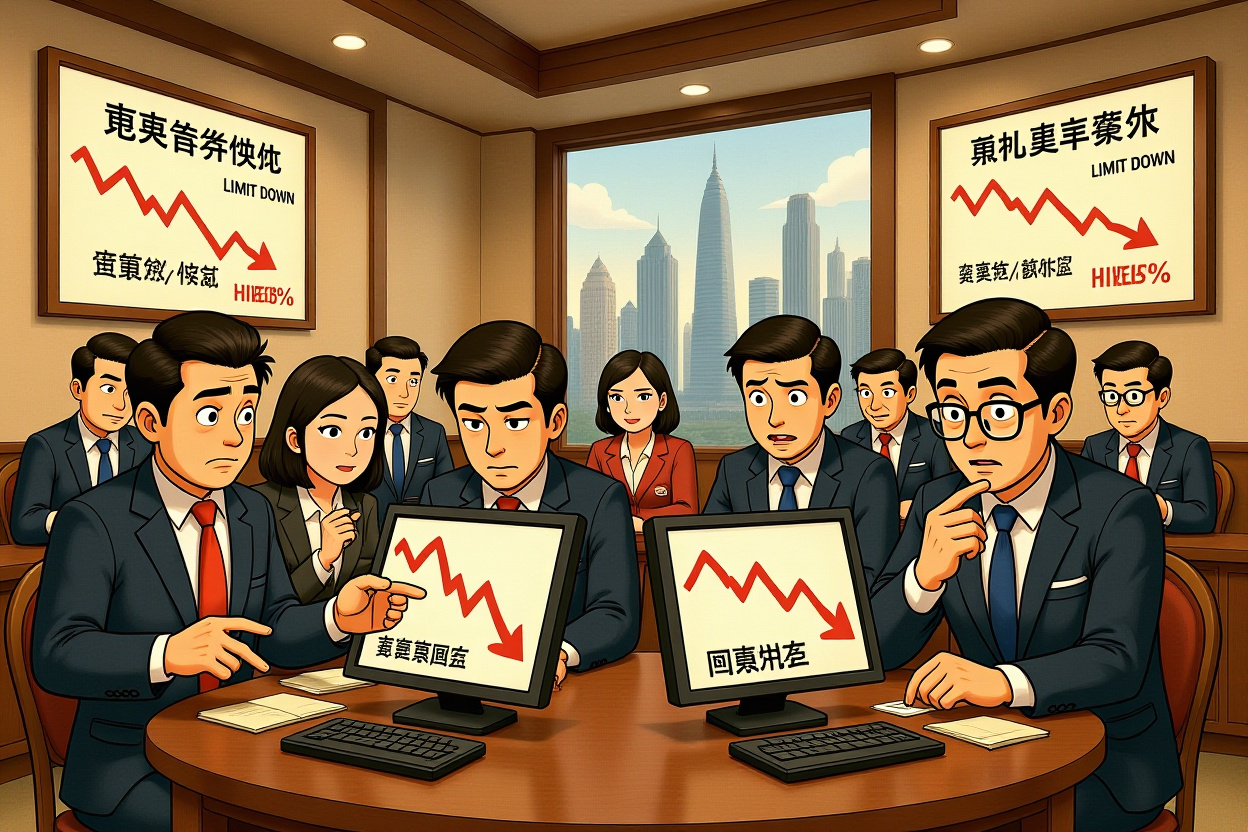
Chinese equity markets opened to a wave of selling pressure on Monday, with precious metals, energy, and commodity stocks leading a broad-based decline. This sudden downturn, exacerbated by external liquidity shocks and regulatory adjustments from the Shanghai Gold Exchange (上海黄金交易所), has sent shockwaves through global investor circles. The confluence of domestic policy moves and international financial tremors highlights the increasing vulnerability of Chinese assets to global liquidity conditions. Investors are now grappling with the implications of a potential liquidity shock that could ripple across markets worldwide.
Executive Summary: Key Market Implications
– The Shanghai Gold Exchange’s margin hike for silver contracts signals heightened volatility fears, potentially tightening market conditions. – External risks, including a plummeting U.S. Leveraged Loan Index and cryptocurrency sell-offs, point to emerging global liquidity concerns. – Chinese sectors like telecommunications face additional pressure from tax changes, compounding the equity market decline. – Analysts from Tianfeng Securities (天风证券) warn of extreme dollar liquidity tightening, which historically correlates with asset price corrections. – Investors should monitor liquidity indicators and regulatory announcements closely to navigate this turbulent period.
A Broad-Based Sell-Off Grips Chinese Markets
The trading session began with a dramatic sell-off across multiple asset classes, underscoring the fragility of current market sentiment. From precious metals to energy stocks, the downturn was both rapid and severe, reflecting deep-seated anxieties about liquidity and external economic shifts.
Precious Metals and Energy Sectors Hit Hard
At the open, shares in companies like Xiaocheng Technology (晓程科技), Zhaojin Gold (招金黄金), Sichuan Gold (四川黄金), Hunan Gold (湖南黄金), Zhongjin Gold (中金黄金), Chifeng Gold (赤峰黄金), Western Gold (西部黄金), and Shandong Gold (山东黄金) plummeted, with many hitting limit-down levels. The energy sector followed suit, driven by a sharp drop in U.S. natural gas futures due to warmer weather forecasts. Stocks such as Tongyuan Petroleum (通源石油), Zhongman Petroleum (中曼石油), Zhunyou Shares (准油股份), Shihua Oil Services (石化油服), and Beken Energy (贝肯能源) also fell sharply, with some declining over 10%. This sector-wide decline was a clear response to external commodity price movements and internal market dynamics.
Commodity Futures and Telecommunications Follow Suit
Commodity futures markets mirrored the equity slump, with data from Wenhua Finance (文华财经) showing significant losses by 9:04 a.m. For instance, the Shanghai silver futures contract hit limit-down, while gold futures dropped over 10%, and platinum and palladium contracts fell sharply. Base metals like tin, nickel, and copper also posted large declines. Concurrently, telecommunications stocks weakened after China Mobile (中国移动), China Unicom (中国联通), and China Telecom (中国电信) announced that a value-added tax (VAT) rate increase from 6% to 9% would impact revenues and profits. China Mobile shares fell over 5%, hitting lows since June 2024, with China Unicom and China Telecom down more than 4%. These moves illustrate how regulatory and tax changes can amplify market volatility during periods of uncertainty.
Shanghai Gold Exchange’s Surprise Margin Adjustment
In a move that intensified market jitters, the Shanghai Gold Exchange issued an unexpected announcement regarding margin requirements, directly addressing potential volatility in silver contracts. This regulatory intervention aims to stabilize markets but may inadvertently heighten selling pressure as investors adjust to new rules.
Details of the Ag(T+D) Contract Changes
The exchange stated that if a one-sided market occurs for the silver deferred (Ag(T+D)) contract on February 2, the margin level will increase from 20% to 26% after settlement, and the daily price fluctuation limit will rise from 19% to 25% starting the next trading day. This adjustment is designed to curb excessive speculation and manage risk in the face of anticipated volatility. For more details, refer to the official Shanghai Gold Exchange announcement. Such measures often precede periods of market stress, as authorities seek to prevent bubbles or crashes in key commodity markets.
Implications for Market Stability
While the margin hike intends to safeguard market integrity, it could exacerbate the ongoing liquidity shock by forcing leveraged positions to unwind rapidly. Historically, similar adjustments in Chinese markets have led to short-term price dislocations, as seen in past commodity cycles. Investors should view this as a cautionary signal from regulators, indicating concerns about underlying market fragility. The move also reflects broader efforts by Chinese authorities to align domestic practices with global risk management standards, though it may temporarily amplify downward pressure on related equities and futures.
External Risks Amplify Market Volatility
Beyond domestic factors, international developments played a crucial role in fueling the sell-off. From U.S. financial indicators to cryptocurrency markets, external risks converged to create a perfect storm for Chinese equities.
U.S. Leveraged Loan Index Signals Liquidity Concerns
The U.S. Leveraged Loan Index fell to its lowest level since April 2025, a drop that analysts interpret as a precursor to broader liquidity issues. This decline suggests that creditors are selling loans despite expectations of Federal Reserve rate cuts, pointing to fears of a potential default wave. Such signals often precede liquidity shocks, as tightening credit conditions can spill over into global asset prices. For instance, during previous liquidity crunches, similar index movements correlated with sell-offs in emerging markets like China.
Cryptocurrency Plunge Adds to the Pressure
Cryptocurrency markets also faced a sharp downturn, with Ethereum breaking below $2,300 and Bitcoin briefly falling under $77,000. This sell-off aligns with the broader trend of risk aversion, as digital assets are increasingly sensitive to liquidity shifts. The correlation between cryptocurrency declines and traditional market falls highlights how interconnected global financial systems have become, where a liquidity shock in one area can quickly propagate to others. Investors should note that such movements often reflect underlying anxieties about monetary policy and economic stability.
Analyzing the Liquidity Shock Threat
The concept of a liquidity shock is central to understanding the current market turmoil. Experts warn that tightening dollar liquidity could trigger widespread asset price corrections, affecting everything from Chinese equities to global commodities.
Tianfeng Securities’ Warning on Dollar Liquidity
In a recent report, Tianfeng Securities (天风证券) emphasized that a dollar liquidity shock may be imminent. Their tracked dollar liquidity index dropped to -60% by late January, placing it in an extreme tightening zone. Historical data shows that such conditions have negatively impacted nearly all global assets, from stocks to bonds. The report notes that U.S. equities have entered a “low probability—low reward” scenario, raising the risk of tail events. This analysis underscores why Chinese markets are particularly vulnerable, as they rely on stable international capital flows.
The Potential Impact of New Fed Leadership
Market participants are also scrutinizing the nomination of Kevin Warsh as the new Federal Reserve Chair. Warsh, known for his hawkish views and advocacy for Fed independence, has proposed a combination of rate cuts and balance sheet reduction. A study by Mitsubishi UFJ (三菱日聯) suggests that if Warsh pushes for balance sheet contraction, it could lead to reduced holdings of long-term Treasuries, potentially steepening the yield curve. However, his support for rate cuts might offset some of these effects. This policy uncertainty adds to the liquidity shock narrative, as investors recalibrate expectations for U.S. monetary policy and its global spillovers. The interplay between Fed actions and Chinese market stability cannot be overstated in this context.
Sector-Specific Impacts and Market Reactions
The sell-off had nuanced effects across different industries, with some sectors bearing the brunt more than others. Understanding these variations is key for investors seeking to manage risk.
Telecommunications Tax Change Weighs on Stocks
The VAT adjustment for telecommunications services directly impacted major players like China Mobile (中国移动), China Unicom (中国联通), and China Telecom (中国电信). With the tax rate rising from 6% to 9%, companies face increased costs that could squeeze profit margins. This regulatory change, announced on February 1, contributed to the sector’s underperformance, demonstrating how domestic policy shifts can compound external market pressures. Investors should monitor similar announcements from other industries, as tax reforms often signal broader economic adjustments by Chinese authorities.
Broader Commodity and Equity Correlations
The decline in commodity futures, such as Shanghai silver and gold contracts, directly translated to losses in related equity sectors. This correlation highlights the integrated nature of Chinese markets, where futures price movements often lead stock trends. For example, drops in platinum and palladium futures exacerbated sell-offs in mining stocks, creating a feedback loop that amplified the liquidity shock. Data from exchanges like the Shanghai Futures Exchange (上海期货交易所) can provide early warnings for such trends, aiding investors in proactive portfolio management.
Navigating the Market Turmoil: Strategies for Investors
In light of these developments, investors must adopt a cautious yet proactive approach. The key is to balance short-term volatility management with long-term strategic positioning.
Key Takeaways from Current Events
– Liquidity shocks are a real threat, as evidenced by tightening dollar conditions and regulatory moves from the Shanghai Gold Exchange. – External factors, including U.S. financial indicators and cryptocurrency volatility, are increasingly influential on Chinese equities. – Domestic policies, such as tax changes, can exacerbate market declines during periods of global uncertainty. – Historical patterns suggest that extreme liquidity tightening often precedes broader asset corrections, making vigilance essential.
Recommended Actions for Portfolio Management
– Diversify holdings across sectors less sensitive to liquidity fluctuations, such as consumer staples or utilities. – Use hedging instruments like options or futures to protect against sudden market drops linked to liquidity shocks. – Monitor central bank communications, especially from the Federal Reserve and People’s Bank of China (中国人民银行), for clues on future policy directions. – Stay informed through reliable sources, including exchange announcements and analyst reports from firms like Tianfeng Securities (天风证券). The recent market sell-off underscores the fragility of global liquidity conditions and the sensitivity of Chinese equities to external shocks. Investors should remain vigilant, focusing on liquidity indicators and regulatory developments to navigate the ongoing volatility. By understanding the interplay between domestic adjustments and international risks, they can better position themselves for potential recovery. Stay informed by following updates from the Shanghai Gold Exchange and global financial institutions, and consider consulting with financial advisors to adjust investment strategies accordingly in this era of heightened market interconnectedness.