



Executive Summary
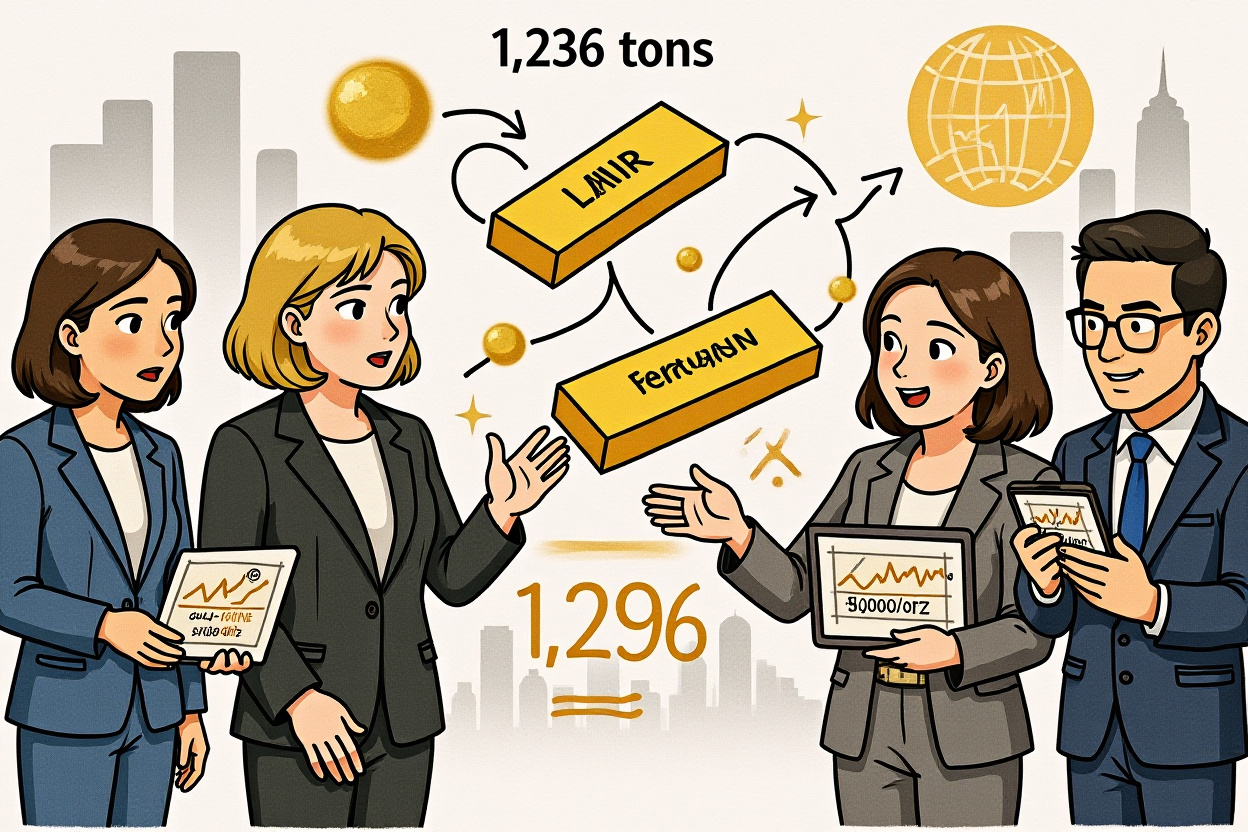
– German politicians are advocating for the repatriation of 1,236 tons of gold, valued at approximately $198 billion, from the Federal Reserve Bank of New York, citing heightened geopolitical uncertainties and U.S. policy unpredictability.
– The debate resurfaces as gold prices have surged over 50% in the past six months, driven by central bank acquisitions, inflation concerns, and global tensions, with prices nearing historic highs of $5,000 per ounce.
– Proponents argue that storing gold abroad undermines economic sovereignty, while opponents, including Bundesbank President Joachim Nagel (约阿希姆·纳格尔), emphasize deep financial ties with the U.S. and practical considerations.
– Past efforts from 2013 to 2017 saw Germany successfully repatriate 674 tons of gold from New York and Paris, setting a precedent that could influence future actions and global central bank strategies.
– The outcome may impact gold market dynamics, offering critical insights for institutional investors on diversification, risk management, and the strategic role of bullion in portfolios.
A Strategic Shift in Global Gold Holdings
In a stark reminder of evolving global trust dynamics, German lawmakers have rekindled a contentious debate over the nation’s monumental gold reserves stored on American soil. With bullion prices skyrocketing by 50% in just half a year, the push to start withdrawing German gold from the U.S. is not merely a logistical footnote but a profound statement on financial autonomy in an unpredictable world. This initiative, led by MP Marie-Agnes Strack-Zimmermann (施特拉克-齐默尔曼), underscores a growing disillusionment with traditional alliances, as nations grapple with geopolitical fissures and economic sovereignty. For investors and policymakers, the discussion signals a potential paradigm shift in how central banks manage reserves, blending historical precedent with modern risk calculus. The call to repatriate highlights gold’s enduring allure as a safe-haven asset, especially amidst record price gains, making it a pivotal theme for anyone monitoring Chinese equity markets and global capital flows.
The Renewed Call for Withdrawing German Gold from the U.S.
German Member of Parliament Marie-Agnes Strack-Zimmermann (施特拉克-齐默尔曼) has publicly urged the federal government to initiate the withdrawal of gold reserves from the United States, as reported by German media and cited by CCTV International. She asserts that in an era of escalating global uncertainty and volatile U.S. policies, storing about 37% of Germany’s gold in New York is no longer rational. This proposal, coming just six months after similar calls in June 2023, reflects persistent political will to reassess decades-old storage arrangements.
Historical Context and Cold War Legacies
Germany’s practice of holding gold overseas dates back to the post-war economic miracle, rooted in historical agreements and market liquidity needs. During the Cold War, this arrangement provided security and facilitated international trade, with bullion stored in allied nations like the U.S. and U.K. However, Strack-Zimmermann argues that the geopolitical landscape has fundamentally shifted, rendering such dependencies outdated. The debate over withdrawing German gold from the U.S. is thus a direct challenge to legacy systems, emphasizing that trust alone cannot substitute for tangible control over national assets.
Political Motivations Across the Spectrum
The push for repatriation garners support from various political factions. Katharina Beck, spokesperson for the German Green Party, labels gold reserves as a “critical anchor of stability and trust” that must not become a pawn in geopolitical games. She warns that with Donald Trump potentially remaining as U.S. President, the safest approach is to store gold domestically. Conversely, Bundesbank President Joachim Nagel (约阿希姆·纳格尔) opposes withdrawal, backed by ruling coalition MPs who deem public speculation unhelpful and stress the deep financial integration between Germany, Europe, and the U.S.
Quantifying Germany’s U.S. Gold Holdings: Scale and Value
The German Bundesbank (德国央行) currently stores 1,236 tons of gold at the Federal Reserve Bank of New York, which at current prices is worth approximately $198 billion. This substantial holding represents a significant portion of Germany’s total reserves, ranking it among the world’s largest gold holders, and making the debate over withdrawing German gold from the U.S. a matter of immense financial and strategic importance.
The 1,236 Tons in Perspective
To grasp the scale, 1,236 tons equates to over 39 million troy ounces. Based on recent prices nearing $5,000 per ounce—a 50% surge from six months ago—the valuation underscores the colossal financial stake. Germany’s total gold reserves are estimated at 3,300 tons, with about half stored domestically in Frankfurt, and the remainder split between New York and London. This distribution is detailed in Bundesbank reports, highlighting how the push for withdrawing German gold from the U.S. could reshape global reserve management.
Comparative Analysis with Global Reserves
Other nations, such as Italy and France, also hold portions of their gold abroad, but Germany’s case is unique due to its historical scale and public scrutiny. According to World Gold Council data, central banks worldwide have accelerated gold purchases, with China and Russia leading the trend. This context amplifies the significance of withdrawing German gold from the U.S., as it may inspire similar moves by other countries seeking to reduce dollar dependency and enhance sovereignty.
Geopolitical Risks and the Sovereignty Imperative
Expert opinions reinforce the geopolitical rationale for repatriation. Emanuel Mönch, former head of research at the German Bundesbank, stated, “Given the current geopolitical situation, storing such a large amount of gold in the U.S. seems risky. To strategically reduce dependence on the U.S., the Bundesbank should seriously consider initiating gold repatriation.” This sentiment echoes broader concerns about U.S. policy unpredictability, especially amid trade tensions and sanctions regimes.
The Impact of U.S. Policy Uncertainty
The potential for abrupt shifts in U.S. foreign or monetary policy adds weight to arguments for withdrawing German gold from the U.S.. For instance, the Trump administration’s past actions on trade and alliances have fueled anxiety among European partners. Storing gold domestically could mitigate risks associated with asset freezes or political leverage, a lesson highlighted by incidents like Venezuela’s gold retrieval challenges. This dynamic makes the debate over withdrawing German gold from the U.S. a litmus test for financial sovereignty in the 21st century.
Economic Sovereignty vs. Financial Integration
Opponents, including Bundesbank leadership, counter that Germany’s deep financial ties with the U.S. make repatriation impractical and provocative. They argue that New York offers unparalleled liquidity and security, essential for global monetary operations. However, proponents insist that economic sovereignty cannot be outsourced, and the process of withdrawing German gold from the U.S. would symbolize a strategic rebalancing towards autonomy, especially as the eurozone strengthens its financial infrastructure.
Gold Price Surge: Drivers and Market Implications
Gold prices have surged over 50% in the past six months, reaching record highs near $5,000 per ounce, according to Bloomberg data. This dramatic increase is driven by multiple factors: aggressive central bank purchases, persistent inflation concerns, and escalating geopolitical conflicts from Ukraine to the Middle East. The timing enriches the debate over withdrawing German gold from the U.S., as repatriating appreciating assets could enhance national wealth and control.
Central Bank Demand and Inflation Hedging
Central banks worldwide have been net buyers of gold, diversifying away from the U.S. dollar. The People’s Bank of China (中国人民银行) and the Central Bank of Russia have notably increased their holdings, supporting higher prices. This trend validates gold’s role as a hedge against currency devaluation and economic instability. For Germany, the price surge adds a financial incentive to accelerate withdrawing German gold from the U.S., as holding bullion domestically could capitalize on further gains while reducing counterparty risks.
Investment Strategies in a Bull Market
For institutional investors, the gold rally underscores opportunities in gold-related equities, ETFs, and physical bullion. The focus on withdrawing German gold from the U.S. highlights the metal’s strategic value, suggesting that portfolios should include gold exposure to mitigate geopolitical shocks. Market analysts recommend monitoring central bank actions and gold price trends, as repatriation moves could influence liquidity and storage premiums globally.
Past Repatriation Efforts and Future Prospects
Between 2013 and 2017, Germany successfully repatriated 674 tons of gold from New York and Paris, including 300 tons from the U.S. and 374 tons from France. This precedent, driven by public pressure and audit transparency, demonstrates the feasibility of large-scale transfers and sets a benchmark for current proposals to continue withdrawing German gold from the U.S..
Lessons from the 2013-2017 Campaign
The earlier repatriation involved meticulous logistics and coordination with foreign central banks, providing a blueprint for future efforts. It was sparked by citizen initiatives and political advocacy, showing that public opinion can drive policy. The Bundesbank’s gradual approach ensured market stability, suggesting that any new move to start withdrawing German gold from the U.S. would likely be phased to avoid disruptions.
Current Debates and Legislative Pathways
The renewed call, half a year after similar proposals, indicates that the issue remains alive in German politics. While the Bundesbank resists, mounting geopolitical tensions and gold’s bull run could force a reconsideration. Investors should watch parliamentary discussions and official statements for signals, as a decision to proceed with withdrawing German gold from the U.S. could trigger similar actions by other nations, reshaping global gold markets.
Global Implications for Central Banks and Investors
Germany’s dilemma resonates globally, as other nations with gold stored abroad may reevaluate their positions. This could spur a wave of repatriation, impacting gold market liquidity, storage costs, and diplomatic relations. The debate over withdrawing German gold from the U.S. offers critical lessons for central banks in Asia and beyond, especially as economic blocs like the European Union seek greater financial independence.
Strategic Lessons for Other Nations
Countries like Italy, the Netherlands, and Austria have previously moved gold back, and more could follow if Germany advances its plans. For China, which holds substantial gold reserves domestically, the situation reinforces the importance of sovereign control over strategic assets. The ongoing discussion about withdrawing German gold from the U.S. may inspire policy shifts in emerging markets, aligning with broader de-dollarization trends.
Actionable Insights for Market Participants
For fund managers and corporate executives, this scenario highlights the need to diversify into gold and related assets. Key actions include:
– Tracking central bank gold purchases and storage announcements.
– Assessing geopolitical risks that could affect asset security.
– Considering gold ETFs or mining stocks as hedges against currency volatility.
– Engaging with regulatory updates from bodies like the Bundesbank or the U.S. Federal Reserve.
The focus on withdrawing German gold from the U.S. serves as a reminder that in turbulent times, physical assets offer a tangible safeguard against systemic uncertainties.
Navigating the New Gold Standard
The debate over Germany’s gold reserves encapsulates a broader transformation in global finance, where traditional alliances are being questioned in favor of self-reliance. With gold prices at historic highs and geopolitical stakes rising, the push to repatriate 1,236 tons from the U.S. carries profound implications for monetary policy, investment strategies, and international relations. While political resistance persists, the economic and symbolic arguments for withdrawal are gaining momentum, driven by expert insights and market dynamics. For sophisticated investors, this evolution underscores the imperative to stay informed and agile, leveraging gold as a strategic asset in diversified portfolios. Monitor key indicators such as Bundesbank communications, gold price trends, and geopolitical developments to capitalize on emerging opportunities. By understanding the nuances of withdrawing German gold from the U.S., you can better navigate the complexities of Chinese equity markets and global capital flows, ensuring informed decisions in an increasingly uncertain world.