



Executive Summary
This article delves into the startling decline of China’s once-booming grilled fish industry, a sector that captivated consumers but now faces massive store closures and shifting demand. Key takeaways include:
– Over 25,000 grilled fish restaurants have closed in the past year alone, highlighting severe market contraction despite new openings.
– High operational costs, food safety scandals, and lack of innovation are primary drivers behind the industry’s downturn.
– Leading brands like Tanyu (探鱼) and Bantianyao (半天妖) are experimenting with ‘grilled fish+’ strategies to adapt to changing consumer preferences.
– The grilled fish industry’s struggles reflect broader trends in China’s F&B sector, offering critical lessons for investors and stakeholders.
– Future growth hinges on supply chain optimization, menu diversification, and rebuilding consumer trust through transparency.
The Rise and Fall of a Culinary Phenomenon
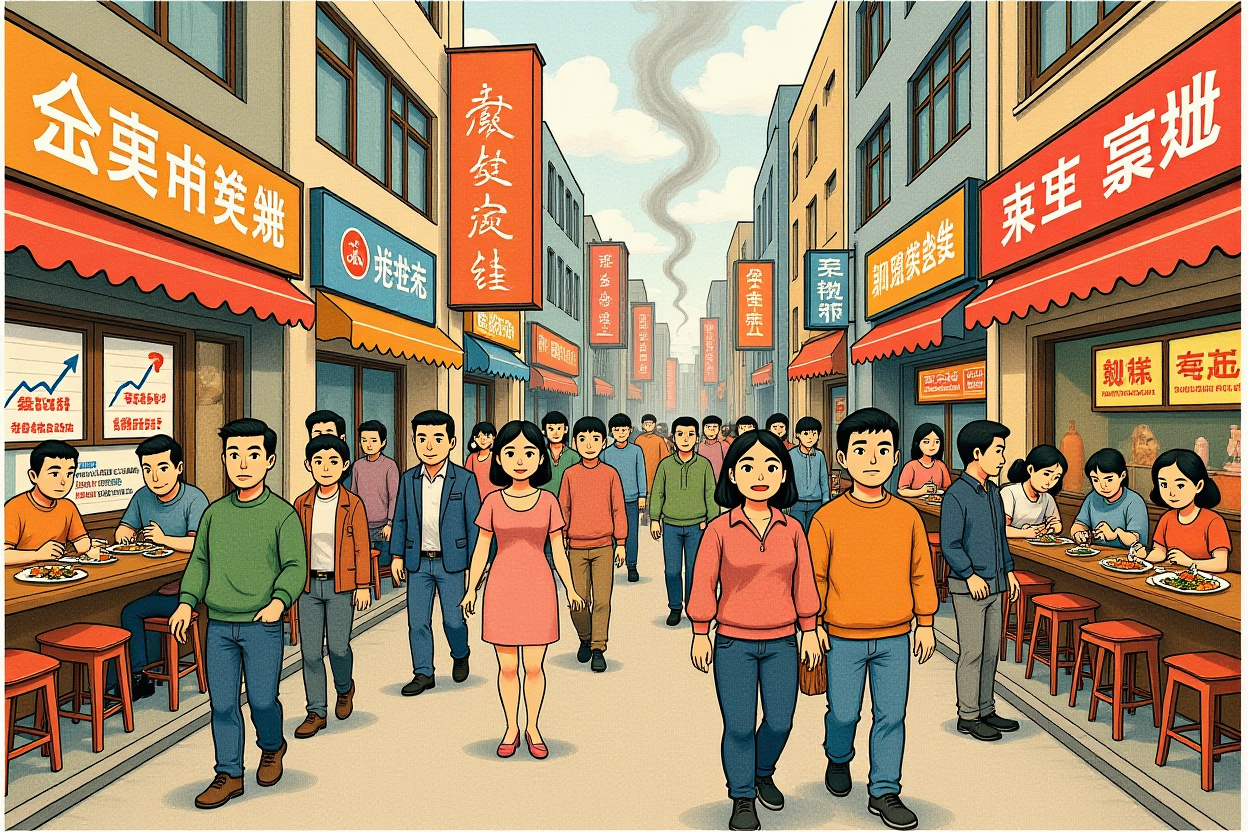
Once the undisputed king of China’s late-night dining scene, the grilled fish industry is now grappling with an unprecedented crisis. Just a decade ago, securing a table at a popular grilled fish joint meant enduring wait times of up to three hours, with crowds flocking to savor the dish’s signature charred aroma and spicy broth. Today, that fervor has faded, replaced by shuttered storefronts and dwindling foot traffic. This dramatic shift underscores the volatile nature of consumer trends in China’s hyper-competitive food and beverage landscape. The grilled fish industry, which once symbolized urban social dining, now serves as a cautionary tale for investors eyeing the country’s lucrative but fickle culinary markets.
From Street Food to National Sensation
The grilled fish industry’s ascent began humbly in the streets of Chongqing’s Wanzhou and Wushan districts, where vendors served freshly grilled fish over charcoal pits. Its transformation into a mainstream phenomenon was catalyzed by pioneering brands like Tanyu (探鱼) and Luyu (炉鱼), which elevated the dish with upscale mall locations and ‘live fish, fresh grill’ concepts. By 2014, the market’s annual revenue had soared to an estimated 300 billion yuan, fueled by explosive growth that saw brands expand rapidly nationwide. Tanyu’s first store in Shenzhen, for instance, achieved legendary status with a daily turnover of 180,000 yuan and a record 16 table turnovers per day, setting a high bar for the grilled fish industry’s potential.
Peak Popularity and the Onset of Decline
By 2016, the grilled fish industry had become a red ocean, saturated with players like Bantianyao (半天妖) and Yuanzhe Shangou (愿者上钩). However, growth plateaued post-2017, with annual new openings stabilizing around 10,000 stores but offset by high closure rates. Data from Qichacha (企查查) and Zhaimen Yanyan (窄门餐眼) reveals a stark reality: as of December 2025, China hosts 68,616 grilled fish restaurants, but net growth was negative 6,297 stores over the past year, indicating a staggering 25,000-plus closures. This downturn marks a pivotal moment for the grilled fish industry, signaling that reliance on novelty alone is unsustainable in today’s diverse dining ecosystem.
Economic Drivers Behind the Industry’s Downward Spiral
The grilled fish industry’s decline is not merely a result of changing tastes but a confluence of structural economic challenges. Key factors include soaring operational costs, compromised quality, and eroding consumer confidence, all of which have intensified competition in China’s F&B sector. For institutional investors, understanding these drivers is crucial to assessing risks in consumer-facing markets. The grilled fish industry’s woes mirror broader issues in China’s economy, where inflation, supply chain disruptions, and regulatory scrutiny are reshaping business models.
Soaring Costs and Operational Inefficiencies
At the heart of the grilled fish industry’s troubles lies the ‘live fish, fresh grill’ model, once its unique selling proposition but now a financial burden. Brands face escalating costs across the supply chain, from procuring and transporting live fish to hiring skilled chefs for preparation. Geng Yuanshan (耿元善), founder of Bantianyao, publicly acknowledged this in an interview, citing four major pain points: high fish costs, increased labor expenses, slow service times reducing table turnover, and exorbitant logistics fees. These challenges are echoed by Hong Rengang (洪人刚), CEO of Yuku Kaoyu (鱼酷烤鱼), who noted that establishing a robust live fish supply chain demands significant upfront investment. Consequently, many players have resorted to cost-cutting measures that undermine quality, such as switching to frozen basa or tilapia fish, which are cheaper but lack the texture and flavor of fresh catches.
Food Safety Scandals and Consumer Trust Erosion
Perhaps the most damaging blow to the grilled fish industry has been a series of food safety incidents. Investigative reports, like those from The Beijing News (新京报), exposed practices at some chains where year-old frozen fish was thawed and served, with staff adhering to a ‘if it’s not rotten, it’s sellable’ mantra. Instances of dropped ingredients being reused further fueled public outrage. Such scandals have triggered a profound trust crisis, driving health-conscious consumers, especially younger demographics, toward alternatives. In a market where authenticity is paramount, these breaches have tarnished the grilled fish industry’s reputation, making recovery an uphill battle. For investors, this highlights the critical importance of due diligence on corporate governance and compliance standards in China’s F&B space.
Brand Case Studies: Lessons from the Frontlines
Examining specific brands within the grilled fish industry offers valuable insights into adaptive strategies and persistent pitfalls. From Tanyu’s innovation experiments to Bantianyao’s pragmatic shifts, these cases illustrate how market leaders are navigating turmoil. For fund managers and corporate executives, these narratives provide real-world benchmarks for evaluating resilience in consumer sectors. The grilled fish industry’s evolution reflects a larger trend where brands must balance tradition with innovation to stay relevant.
Tanyu (探鱼): Pioneering the ‘Grilled Fish+’ Evolution
In August 2025, Tanyu launched its first hot wok experience store in Shanghai, marking a bold departure from its core offering. This ‘grilled fish+’ strategy integrates stir-fried dishes, skewers, and snacks, with items like fish-flavored shredded pork and mapo tofu complementing the signature烤鱼. The store also features a self-service island for unlimited desserts and drinks, alongside an open-kitchen design to enhance transparency. Early success, including topping local popularity charts, suggests that diversifying menus and enhancing experiential dining could reinvigorate the grilled fish industry. Tanyu’s move aligns with a broader industry pivot toward ‘second growth curves,’ as seen with Jiangbian Chengwai (江边城外) launching Thai street food sub-brands and Shikao Douhua Kaoyu (师烤豆花烤鱼) expanding into crab pot offerings.
Bantianyao (半天妖): The Cost-Cutting Conundrum
Bantianyao’s trajectory exemplifies the trade-offs in the grilled fish industry. Initially gaining traction with its青花椒 (green peppercorn) flavor, the brand scaled to 70 stores nationwide by 2017. However, pressure to reduce costs led to a shift from live fish to frozen alternatives, diluting the freshness that once defined its appeal. While this lowered operational expenses, it also contributed to consumer disenchantment, as noted in market feedback. This case underscores a critical lesson for the grilled fish industry: short-term savings can jeopardize long-term brand equity, especially in a quality-sensitive market like China.
Innovation and Adaptation: The ‘Grilled Fish+’ Strategy as a Path to Revival
As the grilled fish industry confronts stagnation, innovation emerges as a potential lifeline. The ‘grilled fish+’ approach, which blends core offerings with complementary dishes, represents a strategic response to consumer demand for variety and value. This shift from单品依赖 (single-product reliance) to生态化竞争 (ecosystem competition) could redefine the sector’s future. For business professionals, this trend highlights opportunities in modular dining concepts and supply chain integrations that enhance efficiency without sacrificing quality.
Menu Diversification and Consumer Engagement
Leading players are experimenting with new formats to captivate diners. Tanyu’s hot wok store, for example, allocates half its menu to non-fish items, catering to group dining preferences and extending meal occasions beyond late-night snacks. Similarly, Yushen Cuipi Kaoyu (鱼神脆皮烤鱼) has incorporated江湖菜 (jianghu cuisine) elements to create a more immersive experience. These efforts address a key weakness in the grilled fish industry: menu monotony. By offering麻辣 (numbing spicy),香辣 (fragrant spicy), and青花椒 (green peppercorn) variants for years, brands failed to keep pace with evolving palates, leading to consumer fatigue. Innovation in flavors and presentation, coupled with interactive dining features, could help the grilled fish industry regain lost ground.
Supply Chain Upgrades and Cost Optimization
To overcome the high costs associated with live fish, some in the grilled fish industry are investing in冷链物流 (cold chain logistics) and centralized processing facilities. This allows for better quality control and reduced waste, potentially lowering prices for consumers. Moreover, embracing technology like AI-driven inventory management can streamline operations. As the grilled fish industry moves toward ‘freshly cooked’ positioning—a counter-trend to预制菜 (pre-made dishes)—efficient supply chains will be essential. Partnerships with aquaculture producers, as seen in other Asian markets, could further stabilize input costs and ensure consistency, making the grilled fish industry more resilient to economic pressures.
Market Implications for Investors and Stakeholders
The turmoil in the grilled fish industry offers broader lessons for those involved in China’s equity markets and F&B investments. From regulatory risks to shifting consumer behaviors, this case study illuminates critical factors that drive sector performance. For institutional investors, it underscores the need to monitor not just financial metrics but also brand health and operational agility in fast-moving consumer goods segments.
Investment Risks and Sectoral Headwinds
The grilled fish industry’s challenges reflect wider issues in China’s餐饮赛道 (dining track), where oversaturation and homogenization are prevalent. Investors should be wary of companies with heavy reliance on single-product lines, as seen in the烤鱼 category. Key risks include: – Vulnerability to food safety regulations, which have tightened under China’s State Administration for Market Regulation (国家市场监督管理总局). – Sensitivity to consumer sentiment, particularly among younger demographics who prioritize health and novelty. – Operational inefficiencies in supply chains, exacerbated by inflationary pressures on raw materials like fish and spices. These factors suggest that the grilled fish industry may face continued volatility, necessitating cautious portfolio allocation in related stocks.
Opportunities in Adaptation and Niche Markets
Despite the downturn, the grilled fish industry still holds potential for savvy investors. Brands that successfully implement ‘grilled fish+’ models or tap into premium segments could see renewed growth. For instance, focusing on regional variations or healthier preparations (e.g., steamed or baked options) might attract discerning customers. Additionally, consolidation through mergers and acquisitions could create stronger players better equipped to weather storms. From a global perspective, international investors can draw parallels with Western casual dining trends, where experiential upgrades and digital integration have driven recoveries. Monitoring companies like those in the grilled fish industry that innovate proactively may yield opportunities in China’s evolving consumer landscape.
Synthesizing Insights for Future Growth
The grilled fish industry’s story is far from over; rather, it is entering a phase of成熟化 (maturation) that demands strategic recalibration. The decline of 25,000 stores serves as a wake-up call for整个赛道 (the entire track) to prioritize sustainability over rapid expansion. Key takeaways include the imperative of maintaining quality amidst cost pressures, leveraging technology for operational efficiency, and continuously engaging consumers through innovation. For corporate executives, this means fostering a culture of agility, where menu development and supply chain management are dynamically aligned with market feedback.
Looking ahead, the grilled fish industry could rebound by embracing trends like omnichannel dining, where delivery and dine-in experiences are seamlessly integrated, or by partnering with food tech firms for novel ingredients. Investors should track quarterly reports from listed entities in this space for signs of turnaround, such as improved margins or successful concept launches. As China’s economy navigates post-pandemic shifts, the grilled fish industry’s journey offers a microcosm of broader消费升级 (consumption upgrade) dynamics. To stay competitive, stakeholders must act now: conduct thorough due diligence on brand resilience, explore partnerships with innovators, and advocate for industry-wide standards that restore consumer confidence. The next chapter for grilled fish will be written by those who blend tradition with transformation, ensuring this beloved dish finds its place in a new culinary era.