



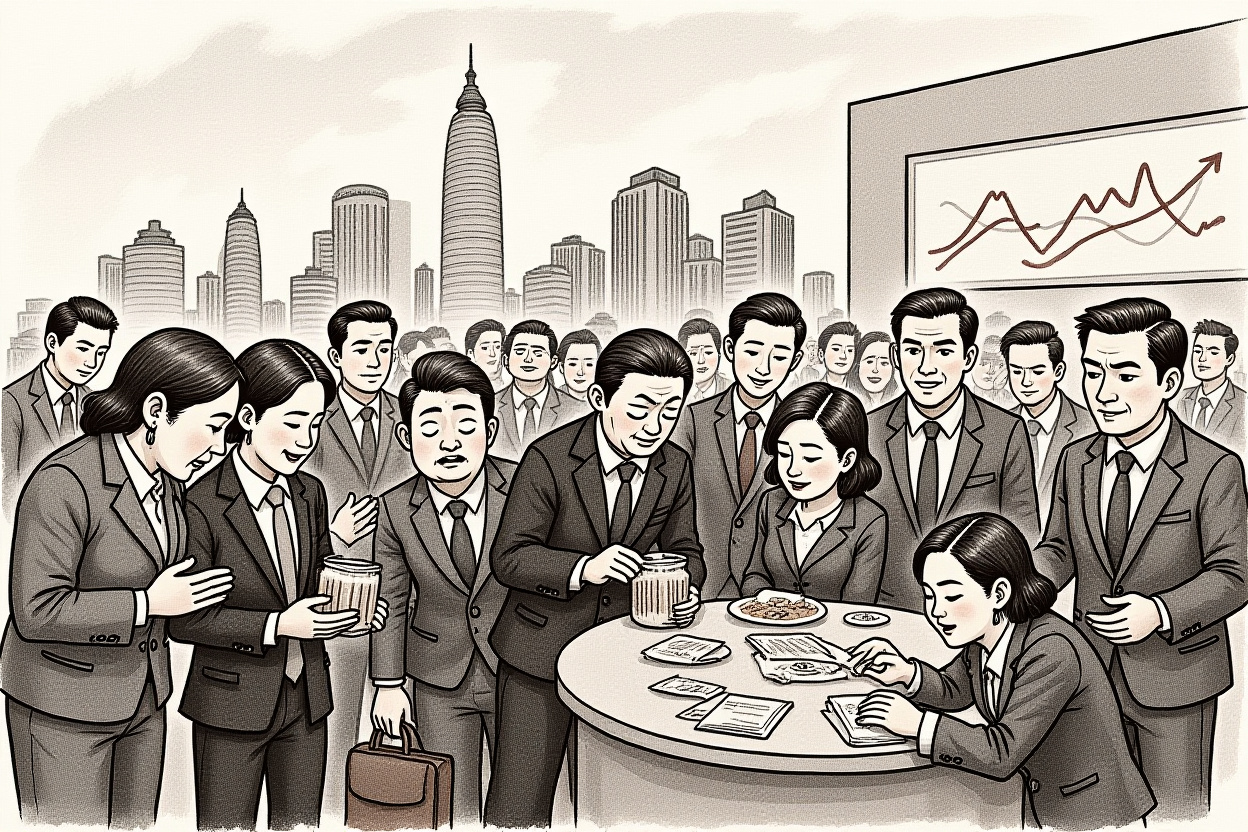
– Pop Mart’s 79 yuan live stream incident exposes deep-seated consumer skepticism toward domestic brand premiums, despite global acceptance of higher-priced foreign toys.
– Emotional value and brand storytelling drive pricing in the toy industry, with Pop Mart’s success overseas highlighting its competitive edge and higher profit margins.
– Comparative analysis reveals Japanese brands like Medicom command premiums up to 750 yuan, while Pop Mart’s offerings remain budget-friendly, yet face disproportionate scrutiny.
– Shifting consumer perceptions is critical for Chinese brands to achieve sustainable growth, foster IP development, and compete globally on par with giants like Disney.
– Actionable insights for investors and executives: Monitor domestic brand acceptance trends, as evolving consumer mindsets could unlock significant market opportunities.
The Live Stream Incident That Sparked a National Conversation
On November 6th, a casual exchange between Pop Mart (泡泡玛特) staff during a live broadcast went viral, triggering a wave of consumer introspection. Oh my, this thing is really priced at 79 yuan… and It is fine, someone will buy it. These offhand remarks ignited debates across social media, with many users labeling the product as overpriced and questioning the value proposition of domestic brands. This incident underscores a broader issue: the domestic brand premium often faces heightened scrutiny compared to international counterparts.
Consumer reactions ranged from outrage to disbelief, with comments like buying a chain for 79 yuan is just too expensive flooding platforms like Weibo. However, beneath the surface, this episode reveals a critical disconnect in how Chinese consumers perceive homegrown brands versus foreign ones. The domestic brand premium, which should reflect quality and emotional appeal, is frequently met with resistance, hindering the growth of local enterprises.
Unpacking the Social Media Backlash
The immediate fallout on social media highlighted a pervasive lack of trust in domestic pricing strategies. Users expressed feelings of being exploited, with some accusing Pop Mart of official certification for chopping leeks a colloquial term for overcharging loyal customers. This sentiment is not isolated to Pop Mart; it reflects a wider trend where Chinese consumers hold domestic brands to a different standard. The domestic brand premium becomes a point of contention, even when products offer comparable or superior value to international alternatives.
Data from consumer surveys indicates that over 60% of respondents are more critical of price increases from Chinese brands than from foreign ones. This skepticism stems from historical experiences where domestic products were perceived as inferior, a narrative that brands like Pop Mart are working to overturn. By fostering transparency and engaging in open dialogues, companies can begin to bridge this trust gap and justify their domestic brand premium.
Global Toy Market: A Tale of Double Standards
When placed side-by-side with international competitors, Pop Mart’s pricing appears remarkably restrained. Japanese toy giant Medicom TOY (Medicom Toy) charges between 8,000 to 15,000 yen approximately 400 to 750 yuan for basic collectibles, while Pop Mart’s blind boxes range from 59 to 89 yuan. Despite this stark contrast, consumers rarely question the premiums attached to foreign brands, raising questions about the fairness of these comparisons. The domestic brand premium for Chinese companies often goes unappreciated in such global contexts.
In markets like Japan and the U.S., brands such as Bearbrick and Funko Pop routinely see secondary market markups that dwarf Pop Mart’s prices. For instance, limited edition Bearbrick figures can resell for tens of thousands of yen, demonstrating a global acceptance of emotional and scarcity-based pricing. Pop Mart’s ability to compete in these markets, with overseas revenue surging 375.2% in 2024, signals that the domestic brand premium is not only justified but also internationally recognized.
Why Foreign Brands Command Higher Acceptance
Foreign brands benefit from decades of brand building and cultural cachet. Japanese toys, for example, are often associated with meticulous craftsmanship and rich storytelling, elements that consumers willingly pay a premium for. In contrast, Chinese brands like Pop Mart are still establishing their narratives, despite investing heavily in IP development. The domestic brand premium struggle is, therefore, not about product quality but about perceived value and historical biases.
Pop Mart’s collaboration with over 350 artists globally, including partnerships that require 15% to 30% royalty shares similar to Disney deals, showcases its commitment to quality. Yet, domestic consumers remain hesitant, whereas international buyers embrace these offerings. This dichotomy highlights the need for Chinese brands to amplify their storytelling to justify the domestic brand premium and align with global standards.
The Economics of Emotional Value in Toy Pricing
The toy industry operates on an emotional value pricing model, where the cost of materials is a minor factor compared to the experiential benefits. Pop Mart’s products, such as the LABUBU series, are not merely toys; they are conduits for joy, self-expression, and community belonging. This emotional resonance allows brands to command a domestic brand premium that transcends mere utility, similar to luxury goods from Louis Vuitton or Hermès.
Globally, consumers pay premiums for items that evoke positive emotions or signify status. In China, the rise of the悦己经济 (self-pleasure economy) has fueled demand for products that deliver instant gratification. Pop Mart capitalizes on this by creating limited editions and blind boxes that tap into collectibility and FOMO (fear of missing out). The domestic brand premium, in this context, is a reflection of the brand’s ability to curate desirable emotional experiences.
Case Study: Pop Mart’s IP Strategy and Consumer Engagement
Pop Mart’s investment in IP cultivation is a cornerstone of its pricing strategy. The THE MONSTERS series generated 30.41 billion yuan in revenue in 2024, a 726% year-on-year increase, driven by compelling character designs and immersive marketing. By building a global artist network, Pop Mart ensures that each product carries unique artistic value, justifying the domestic brand premium through creativity and exclusivity.
In New York’s Times Square, Pop Mart stores sell limited edition LABUBU figures for 299 USD, with queues forming hours in advance. This international success contrasts sharply with domestic skepticism over a 79 yuan chain, underscoring the potential of the domestic brand premium when supported by strong brand equity. For investors, this signals that Pop Mart’s growth trajectory is bolstered by its emotional pricing model, which resonates more strongly in markets less burdened by historical biases.
Overcoming the Psychological Barriers to Domestic Premium Acceptance
The resistance to domestic brand premiums is rooted in psychological factors, including ingrained perceptions of foreign superiority and a lack of confidence in local innovation. Many Chinese consumers grew up with the belief that imported goods are inherently better, a mindset that persists despite significant improvements in domestic quality. This mental barrier makes it challenging for brands like Pop Mart to establish a sustainable domestic brand premium.
To overcome this, companies must focus on education and transparency. Highlighting the rigorous processes behind product development, such as Pop Mart’s artist collaborations and quality controls, can shift consumer perspectives. Additionally, success stories from overseas markets can serve as proof points, demonstrating that the domestic brand premium is not an anomaly but a marker of global competitiveness.
Building Trust Through Consumer Education
Initiatives like behind-the-scenes content and expert endorsements can demystify pricing and foster appreciation for the domestic brand premium. For example, Pop Mart could leverage its live streams to explain the artistic and operational costs involved, turning skepticism into engagement. As consumers become more informed, their willingness to accept higher prices for domestic brands may increase, paving the way for a more balanced market.
Data from Pop Mart’s 2024 financial report shows that overseas markets achieved a 71.3% gross margin, compared to 63.9% domestically, indicating that international consumers are more receptive to the brand’s value proposition. By emulating this acceptance at home, Chinese brands can break the cycle of undervaluation and invest more in innovation, ultimately strengthening the domestic brand premium across industries.
The Path Forward: Embracing Domestic Brand Premiums for Growth
The journey toward widespread acceptance of domestic brand premiums requires a collective effort from consumers, companies, and investors. For Pop Mart and similar brands, continued investment in IP and global expansion is essential to build credibility and justify higher prices. The domestic brand premium, when properly communicated, can drive revenue growth and enable Chinese companies to compete on the world stage.
Consumers play a pivotal role by reevaluating their biases and recognizing the value embedded in domestic products. As seen with Pop Mart’s sold-out 79 yuan chain, demand exists, but it must be nurtured through consistent quality and emotional engagement. The domestic brand premium is not just a pricing strategy; it is a vote of confidence in Chinese creativity and innovation.
Call to Action for Stakeholders
Investors and corporate executives should monitor brands that successfully navigate the domestic brand premium challenge, as they represent significant growth opportunities. Supporting companies like Pop Mart through informed investment can accelerate their global ascent, while consumers can contribute by consciously choosing domestic products that align with their values. Together, these actions can transform the landscape, allowing Chinese brands to achieve the recognition they deserve and fostering a healthier ecosystem for domestic brand premium acceptance.
In summary, the Pop Mart incident is a microcosm of a larger issue, but it also offers a roadmap for change. By embracing emotional value, enhancing transparency, and learning from global successes, Chinese brands can overcome resistance and thrive. The domestic brand premium is within reach, and its acceptance will be a key driver of China’s economic evolution in the years to come.