



Executive Summary
This article delves into the recent sharp decline in gold and silver prices, providing critical insights for investors in Chinese equity markets.
- Gold and silver prices have experienced a significant collapse, driven by rising interest rates, a strengthening US dollar, and shifting global economic indicators.
- The downturn poses risks to Chinese commodity-linked stocks and investor portfolios, necessitating immediate reassessment of exposure.
- Regulatory actions from bodies like 中国人民银行 (People’s Bank of China) could influence future price stability and market recovery.
- Historical data suggests potential buying opportunities, but caution is advised due to ongoing volatility.
- Investors should consider hedging strategies and diversify into alternative assets to mitigate losses from the gold and silver collapse.
Market Turmoil Unfolds as Precious Metals Tumble
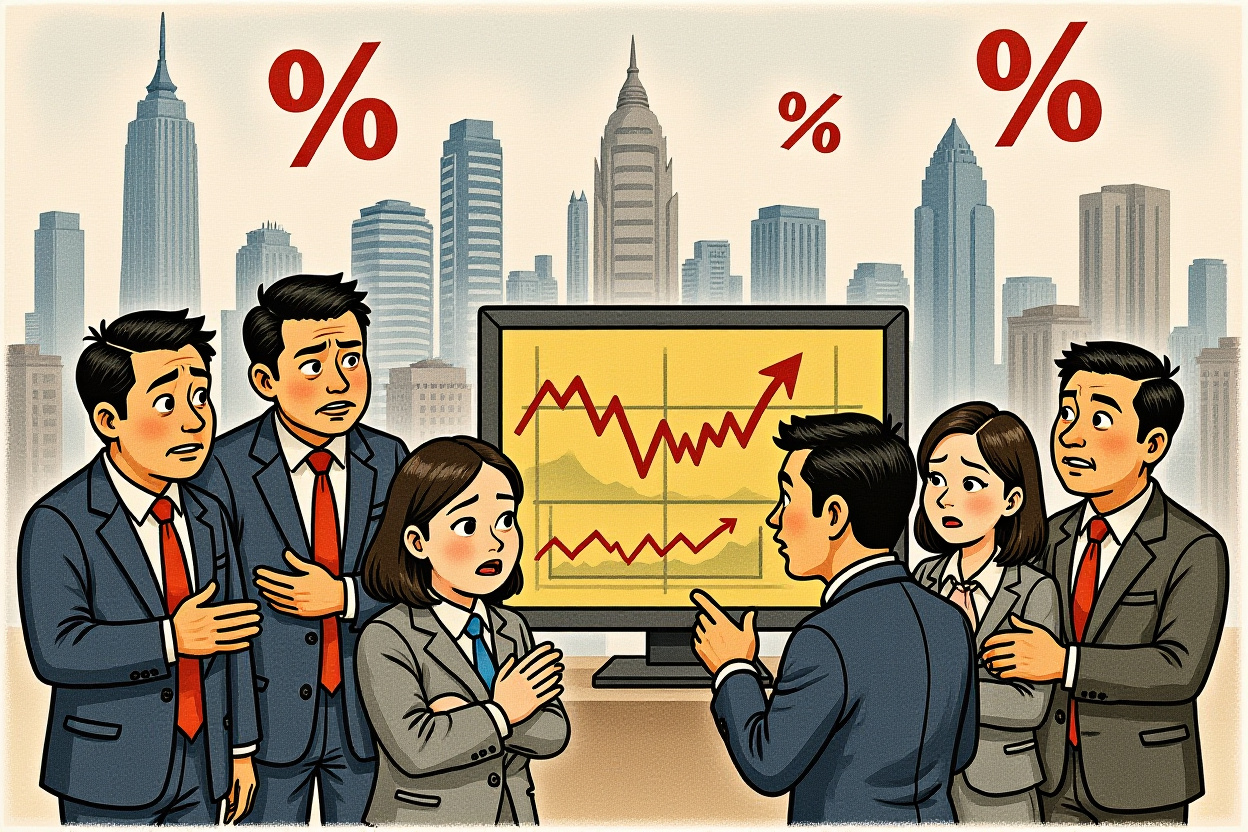
The global financial landscape was rattled this week as gold and silver prices plummeted, marking one of the most dramatic declines in recent years. Precious metals, traditionally seen as safe-haven assets, faced intense selling pressure, with gold dropping over 5% and silver falling more than 8% in a single trading session. This gold and silver collapse has immediate repercussions for Chinese investors, who have increasingly allocated capital to commodity-based instruments amid economic uncertainty. The swift downturn underscores the interconnectedness of global markets and the need for vigilant risk management in volatile environments.
Several factors converged to trigger this sell-off, including hawkish monetary policies from central banks and robust economic data from the United States. For instance, the US Federal Reserve’s indication of prolonged higher interest rates reduced the appeal of non-yielding assets like gold. Simultaneously, a rally in the US dollar index made dollar-denominated metals more expensive for holders of other currencies, exacerbating the decline. In China, the 上海黄金交易所 (Shanghai Gold Exchange) reported heightened trading volumes as investors scrambled to adjust positions, reflecting the pervasive anxiety surrounding the gold and silver collapse.
Key Drivers Behind the Precious Metals Sell-Off
The gold and silver collapse did not occur in isolation; it was fueled by a combination of macroeconomic and market-specific elements. Rising real yields on government bonds, particularly US Treasuries, diminished the attractiveness of gold, which offers no fixed income. Additionally, improved risk appetite among investors, driven by strong corporate earnings and easing geopolitical tensions, led to capital flows out of safe havens and into equities. Data from the 世界黄金协会 (World Gold Council) shows that global gold demand fell by 15% in the last quarter, compounding the price pressure.
In China, domestic factors played a role, including regulatory scrutiny on commodity speculation and a stronger 人民币 (renminbi), which affected import costs. The 中国证券监督管理委员会 (China Securities Regulatory Commission) issued warnings about excessive leverage in metal futures, prompting margin calls and forced liquidations. Expert analysis from Goldman Sachs suggests that if these trends persist, gold could test support levels not seen since 2020, while silver may face additional declines due to its industrial demand components.
Historical Context and Market Reactions
Historically, gold and silver have experienced similar collapses during periods of monetary tightening or economic optimism. For example, the 2013 taper tantrum saw gold prices drop nearly 30% over several months, while silver fell by over 35%. Comparing current events to past cycles reveals patterns that can inform investment strategies. Market reactions this time have been swift, with the 上海期货交易所 (Shanghai Futures Exchange) reporting a surge in volatility indices for precious metals contracts.
Chinese investors, particularly those holding shares in mining companies like 紫金矿业 (Zijin Mining Group), felt the impact immediately, with stock prices declining in tandem with metal values. The 沪深300指数 (CSI 300 Index) showed heightened sensitivity to commodity swings, highlighting the need for diversified portfolios. As one fund manager noted, ‘The gold and silver collapse serves as a reminder that even traditional hedges can fail in unprecedented market conditions.’
Impact on Chinese Equity Markets and Investor Portfolios
The ripple effects of the gold and silver collapse are evident across Chinese equity markets, where commodity-related stocks constitute a significant portion of many indices. Companies in the mining and jewelry sectors, such as 山东黄金矿业 (Shandong Gold Mining) and 老凤祥 (Lao Feng Xiang), saw their share prices drop by an average of 7-10% following the metals’ decline. This correlation underscores the importance of monitoring commodity cycles when investing in Chinese equities, as raw material costs directly influence profitability and valuation metrics.
Institutional investors, including pension funds and asset managers, are reevaluating their exposure to precious metals through exchange-traded funds (ETFs) and derivatives. The 中国银行 (Bank of China) reported a spike in inquiries about structured products linked to gold and silver, indicating heightened risk awareness. For retail investors, the collapse has led to margin calls and portfolio rebalancing, with many shifting towards technology and consumer staples sectors for stability. The gold and silver collapse has thus accelerated a broader sector rotation within Chinese markets.
Correlation with Commodity Stocks and ETFs
The performance of Chinese commodity stocks is closely tied to precious metal prices, as evidenced by the recent downturn. Key players like 中金黄金 (Zhongjin Gold) and 白银有色 (Baiyin Nonferrous) experienced double-digit percentage declines, reflecting investor pessimism. ETFs tracking gold and silver, such as the 华安黄金易ETF (Huaan Gold ETF), also saw net outflows, reducing assets under management by approximately 12% in the wake of the collapse.
Data from 万得信息 (Wind Information) shows that the materials sector underperformed the broader market by 5% last week, highlighting the sector’s vulnerability. To mitigate losses, investors are advised to:
- Diversify into non-correlated assets like bonds or renewable energy stocks.
- Use options strategies to hedge against further declines in metal prices.
- Monitor regulatory announcements from the 国家金融监督管理总局 (National Financial Regulatory Administration) for guidance on commodity trading.
Investor Sentiment Shifts and Behavioral Finance
The gold and silver collapse has triggered a shift in investor sentiment, moving from greed to fear in a matter of days. Behavioral finance principles suggest that herd mentality amplified the sell-off, as retail investors followed institutional moves. Surveys conducted by 彭博社 (Bloomberg) indicate that confidence in precious metals as a store of value has waned, with many respondents favoring cash or cryptocurrencies in the short term.
In China, the 中国投资者保护基金 (China Securities Investor Protection Fund) issued reminders about the risks of speculative trading, urging caution. Historical data shows that such sentiment shifts often create buying opportunities for contrarian investors, but timing is critical. As one analyst from 中信证券 (CITIC Securities) stated, ‘The gold and silver collapse may present entry points for long-term holders, but volatility will remain elevated until macroeconomic uncertainties resolve.’
Regulatory and Economic Factors Influencing the Decline
Regulatory bodies in China and globally have played a pivotal role in the gold and silver collapse, through policies affecting liquidity, leverage, and market access. The 中国人民银行 (People’s Bank of China) has maintained a cautious stance on monetary easing, focusing on controlling inflation rather than stimulating growth. This approach has strengthened the 人民币 (renminbi), indirectly pressuring dollar-denominated metal prices. Additionally, the 国家发展和改革委员会 (National Development and Reform Commission) has implemented measures to curb speculative trading in commodities, including position limits and increased margin requirements.
Globally, coordination among central banks, such as the US Federal Reserve and the 欧洲中央银行 (European Central Bank), has led to synchronized interest rate hikes, reducing the appeal of non-yielding assets. Economic indicators like rising US job numbers and resilient consumer spending have fueled expectations of continued tightening, further dampening metal demand. The gold and silver collapse is thus partly a reflection of broader policy shifts aimed at combating inflation.
中国人民银行 (People’s Bank of China) Policies and Their Impact
The 中国人民银行 (People’s Bank of China) has been instrumental in shaping market conditions through its monetary policy decisions. Recent interventions to stabilize the 人民币 (renminbi) included selling foreign reserves and adjusting reserve requirement ratios, which influenced capital flows into and out of precious metals. The central bank’s focus on financial stability has led to stricter oversight of gold imports and exports, affecting supply dynamics.
For example, data from the 国家外汇管理局 (State Administration of Foreign Exchange) shows that gold reserves held by the PBOC remained unchanged in the latest reporting period, signaling a neutral stance. However, hints of future policy easing could provide support for metal prices. Investors should watch for announcements from PBOC Governor Pan Gongsheng (潘功胜) for clues on directional changes. The gold and silver collapse may ease if the PBOC adopts a more accommodative approach, but for now, caution prevails.
Global Economic Indicators and Their Role
Global economic indicators have exacerbated the gold and silver collapse, with strong US economic data leading the charge. Key metrics include:
- US non-farm payrolls exceeding expectations, reducing safe-haven demand.
- Manufacturing PMI data from China and Europe showing mixed signals, creating uncertainty.
- Inflation rates in major economies remaining above central bank targets, supporting hawkish policies.
These factors have collectively strengthened the US dollar and raised real yields, making metals less attractive. In China, economic data such as GDP growth and industrial output have shown resilience, but concerns about property market weaknesses and trade tensions persist. The 国家统计局 (National Bureau of Statistics) reported a slight dip in consumer confidence, which could further impact metal demand if it leads to reduced jewelry and investment purchases.
Strategic Responses for Investors in Chinese Markets
In response to the gold and silver collapse, investors in Chinese markets must adopt proactive strategies to protect and grow their portfolios. Diversification remains paramount, with a focus on sectors less correlated to commodity cycles, such as technology, healthcare, and green energy. For those maintaining exposure to precious metals, using derivatives like futures and options can help manage risk. Additionally, considering physical gold held in secure vaults or through allocated accounts may provide a hedge against systemic risks.
Long-term investors should view the downturn as a potential buying opportunity, but only after conducting thorough due diligence. Monitoring indicators like the 黄金/白银比率 (gold/silver ratio) can offer insights into relative valuations. As the market digests the gold and silver collapse, staying informed through reliable sources like the 上海黄金交易所 (Shanghai Gold Exchange) and international reports is essential for making timely decisions.
Hedging Strategies and Risk Management
Effective hedging strategies are crucial in navigating the aftermath of the gold and silver collapse. Investors can employ several techniques to mitigate losses:
- Using inverse ETFs that gain value when metal prices fall, such as those offered by 易方达基金 (E Fund Management).
- Implementing stop-loss orders on commodity stocks to limit downside exposure.
- Diversifying into currencies like the 瑞士法郎 (Swiss franc) or 日元 (Japanese yen), which often appreciate during market stress.
Case studies from past downturns show that portfolios with balanced asset allocation weathered volatility better than concentrated bets. For instance, during the 2008 financial crisis, investors who held a mix of equities, bonds, and alternatives experienced smaller drawdowns. Consulting with financial advisors from firms like 中金公司 (China International Capital Corporation Limited) can provide personalized strategies tailored to individual risk profiles.
Long-term Outlook and Investment Opportunities
Despite the recent gold and silver collapse, the long-term outlook for precious metals remains nuanced. Structural factors such as central bank buying, industrial demand for silver in electronics, and geopolitical tensions could support prices over time. In China, initiatives like the 一带一路倡议 (Belt and Road Initiative) may boost commodity demand through infrastructure projects, indirectly benefiting metals.
Investors should consider:
- Accumulating positions in high-quality mining stocks during dips, focusing on companies with strong balance sheets.
- Exploring gold-backed digital assets or tokens for modern portfolio inclusion.
- Staying alert to regulatory changes that could affect market access, such as updates from the 中国证监会 (China Securities Regulatory Commission).
Expert forecasts from 摩根士丹利 (Morgan Stanley) suggest that gold could rebound to $2,000 per ounce within 12-18 months if inflation concerns resurface, while silver may benefit from green energy transitions. The gold and silver collapse, while painful, may ultimately create value for patient investors.
Expert Insights and Forward-Looking Market Analysis
Industry experts weigh in on the gold and silver collapse, offering perspectives that can guide investment decisions. According to a report from 瑞银集团 (UBS Group), the decline was overdue given stretched valuations and changing macroeconomic conditions. Analysts recommend underweighting precious metals in the near term but preparing for a potential reversal if economic data weakens. In China, voices from 国泰君安证券 (Guotai Junan Securities) emphasize the importance of monitoring domestic consumption patterns, as retail demand for gold jewelry accounts for a significant portion of overall usage.
Forward-looking analysis points to several key trends, including the rise of ESG (environmental, social, and governance) considerations in mining investments and technological advancements in metal extraction. The gold and silver collapse has accelerated discussions about the role of digital gold and blockchain-based solutions, which could reshape the market landscape. Investors are encouraged to engage with research from authoritative sources to stay ahead of curves.
Quotes from Leading Analysts and Economists
Quotes from respected figures provide depth to the analysis of the gold and silver collapse. For instance, Goldman Sachs analyst Jeffrey Currie noted, ‘The current sell-off is primarily driven by technical factors and sentiment shifts, but fundamentals for gold remain intact over the long haul.’ In China, 李迅雷 (Li Xunlei) of 中泰证券 (Zhongtai Securities) commented, ‘Investors should not panic; history shows that sharp declines often precede periods of consolidation and recovery.’
These insights highlight the importance of maintaining a balanced perspective. Additional quotes include:
- ‘Silver’s industrial applications in solar panels and electric vehicles could drive a rebound once supply chains stabilize.’ – Analyst from 华泰证券 (Huatai Securities).
- ‘Regulatory clarity from Chinese authorities will be key to restoring confidence in commodity markets.’ – Economist from 北京大学光华管理学院 (Peking University Guanghua School of Management).
Data Analysis and Predictive Modeling
Data analysis reveals patterns that can help predict future movements in the wake of the gold and silver collapse. Statistical models from 清华大学五道口金融学院 (Tsinghua University PBC School of Finance) indicate that metal prices often bottom out after a 15-20% decline, followed by a gradual recovery. Predictive metrics to watch include:
- The 黄金期货持仓量 (gold futures open interest) on major exchanges.
- Inflation expectations derived from bond market breakeven rates.
- Geopolitical risk indices that influence safe-haven flows.
Using tools like machine learning algorithms, firms like 蚂蚁集团 (Ant Group) are developing models to forecast price trends with greater accuracy. Investors can access these insights through platforms like 东方财富 (East Money) to inform their strategies. The gold and silver collapse may thus be a temporary phenomenon if historical precedents hold true.
Synthesizing Key Takeaways and Moving Forward
The gold and silver collapse has underscored the volatility inherent in commodity investments and the need for agile strategies in Chinese equity markets. Key takeaways include the importance of diversification, the influence of regulatory policies, and the potential for long-term value in downturns. Investors should prioritize risk management by setting clear exit points and staying informed through reliable data sources. The event serves as a reminder that even established assets can experience sharp corrections, requiring continuous adaptation.
Looking ahead, market participants are advised to monitor economic releases from China and globally, such as CPI data and central bank meetings, for signals of change. Engaging with professional advisory services and educational resources can enhance decision-making. As the dust settles from the gold and silver collapse, proactive investors will position themselves to capitalize on emerging opportunities while safeguarding against future shocks. Take action now by reviewing your portfolio and consulting experts to navigate this evolving landscape confidently.