



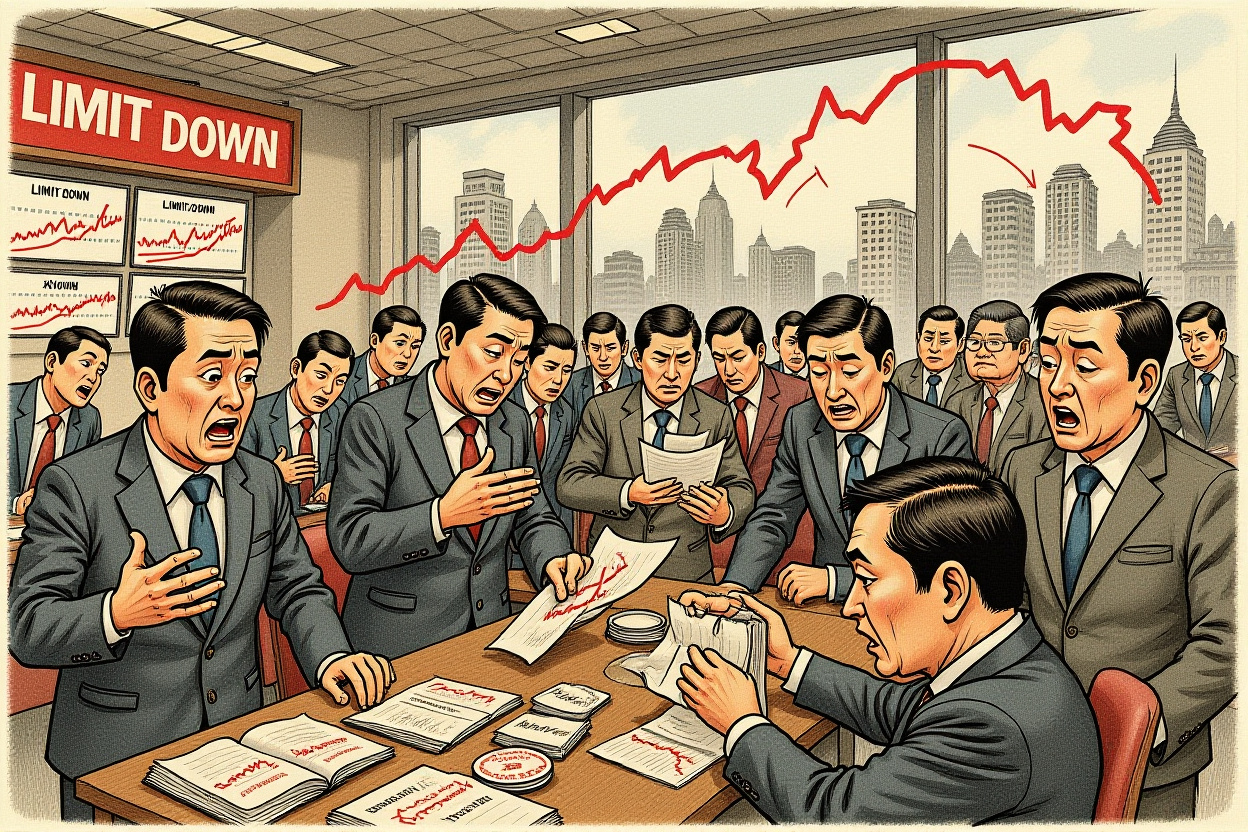
– Sudden downturn in Vietnam’s equity markets with approximately 150 stocks reaching daily decline limits, signaling heightened volatility. – Underlying causes include economic slowdown, regulatory uncertainties, and external pressures from global trade dynamics. – Immediate impacts on institutional and retail investors, with liquidity crunches and portfolio rebalancing. – Historical parallels to past market corrections suggest potential recovery timelines but emphasize caution. – Expert recommendations for risk mitigation through diversification and close monitoring of Vietnamese regulatory updates. The Vietnam stock market plunge has rattled investors across Southeast Asia, as nearly 150 stocks plummeted to their daily limit down thresholds in a dramatic session. This abrupt decline underscores the fragility of emerging markets amid shifting global economic currents. For professionals tracking Chinese equity markets, the event highlights interconnected risks and opportunities in regional investments. The Vietnam stock market plunge serves as a critical case study in market volatility, demanding swift analysis and strategic adjustments from fund managers and corporate executives alike. Understanding the drivers behind this downturn is essential for navigating similar scenarios in other high-growth economies.
Causes of the Vietnam Stock Market Plunge
Economic Triggers and Macroeconomic Pressures
The Vietnam stock market plunge was fueled by a confluence of domestic and international economic factors. Vietnam’s GDP growth slowed to 5.3% in the latest quarter, down from 7.1% the previous year, according to the General Statistics Office of Vietnam (GSO). Inflation surged to 4.9%, exceeding the central bank’s target, while a strengthening U.S. dollar pressured the Vietnamese dong (VND), increasing foreign debt burdens. Key contributors include: – Reduced export demand from major partners like the United States and China, impacting manufacturing sectors. – Rising input costs due to global supply chain disruptions, squeezing corporate profit margins. – Tightened monetary policy by the State Bank of Vietnam (SBV) to curb inflation, which reduced liquidity in equity markets. These elements created a perfect storm, eroding investor confidence and triggering the Vietnam stock market plunge.
Regulatory and Policy Shifts
Regulatory changes played a pivotal role in the downturn. The State Securities Commission of Vietnam (SSC) introduced stricter margin lending rules, capping leverage ratios for securities investments. Additionally, amendments to foreign ownership limits in certain sectors, such as banking and real estate, created uncertainty. For instance, the Ho Chi Minh City Stock Exchange (HOSE) temporarily halted automated trading during peak volatility, exacerbating sell-offs. The Vietnam stock market plunge was further amplified by delayed approvals for foreign investment projects, reflecting broader regulatory caution.
Impact on Domestic and International Investors
Institutional Investor Responses
Institutional players, including VinaCapital and Dragon Capital, reported significant portfolio losses, with some funds reducing exposure to Vietnamese equities by up to 15%. The Vietnam stock market plunge prompted reassessments of risk models, particularly for funds with high allocations to emerging Asia. Data from the Hanoi Stock Exchange (HNX) showed a 20% drop in foreign net inflows in the week following the crash. – Pension funds and asset managers accelerated shifts to safer havens like government bonds or gold. – Hedge funds employed short-selling strategies, capitalizing on the downturn but increasing market pressure.
Retail Investor Challenges
Retail investors, who comprise over 80% of trading volume on the HOSE, faced margin calls and forced liquidations. The Vietnam stock market plunge left many with depleted savings, highlighting vulnerabilities in financial literacy and risk management. Community forums and brokerages reported a 30% increase in distress inquiries, underscoring the need for better investor education programs.
Comparative Analysis with Regional Markets
Lessons from Chinese Equity Volatility
The Vietnam stock market plunge echoes past events in China, such as the 2015–2016 market correction. Then, the Shanghai Composite Index fell over 40%, driven by leveraged speculation and regulatory interventions. Experts like Goldman Sachs analyst Kinger Lau (刘劲津) note that proactive measures by the China Securities Regulatory Commission (CSRC), including circuit breakers, could inform Vietnam’s response. However, differences in market maturity mean Vietnam’s recovery may be slower.
ASEAN Market Correlations
Neighboring markets like Thailand and Indonesia experienced spillover effects, with the MSCI ASEAN Index declining 3.2% post-plunge. The Vietnam stock market plunge underscores the region’s susceptibility to synchronized sell-offs, especially amid U.S. Federal Reserve rate hikes. Investors should monitor cross-border capital flows for early warning signals.
Historical Context and Market Resilience
Previous Corrections and Recovery Patterns
Vietnam’s stock market has weathered similar crises, such as the 2008 global financial crisis and the 2011–2012 property bubble burst. Historical data from the HOSE indicates an average recovery period of 12–18 months after major declines. The current Vietnam stock market plunge aligns with these cycles, but digitalization and increased foreign participation could accelerate rebound efforts. – In 2008, the VN-Index dropped 65% but regained pre-crisis levels within three years. – Government stimulus packages, like the 2020 COVID-19 relief fund, previously stabilized markets within quarters.
Structural Strengths and Vulnerabilities
Vietnam’s economy remains resilient due to robust FDI inflows and a young, tech-savvy population. However, the Vietnam stock market plunge exposed structural gaps, including limited derivative instruments for hedging and over-reliance on a few sectors like real estate. Reforms under the Vietnam Stock Exchange (VSE) merger aim to address these issues by 2025.
Expert Insights and Forward-Looking Strategies
Quotes from Financial Analysts
Michael Kokalari, chief economist at VinaCapital, stated, ‘The Vietnam stock market plunge is a corrective phase, not a systemic collapse. Investors should focus on blue-chip stocks in export-driven industries for long-term gains.’ Similarly, Nguyen Thi Phuong Thao (阮氏芳草), CEO of Vietjet Air, emphasized that ‘market fundamentals remain strong, with aviation and logistics poised for rebound.’ These perspectives validate cautious optimism.
Investment Recommendations and Risk Management
To navigate the Vietnam stock market plunge, professionals should: – Diversify into defensive sectors like utilities and consumer staples, which showed relative stability. – Use technical analysis tools to identify support levels, such as the VN-Index’s 1,000-point threshold. – Engage with local advisors for real-time regulatory updates, leveraging resources like the SSC’s official portal. The Vietnam stock market plunge serves as a stark reminder of emerging market volatilities. By dissecting economic drivers, regulatory impacts, and investor behaviors, stakeholders can better anticipate future turbulence. Prioritize due diligence, diversify across geographies, and stay informed on Vietnamese policy developments to capitalize on recovery opportunities. For ongoing updates, subscribe to market alerts from authoritative sources like the World Bank or ASEAN exchanges.