



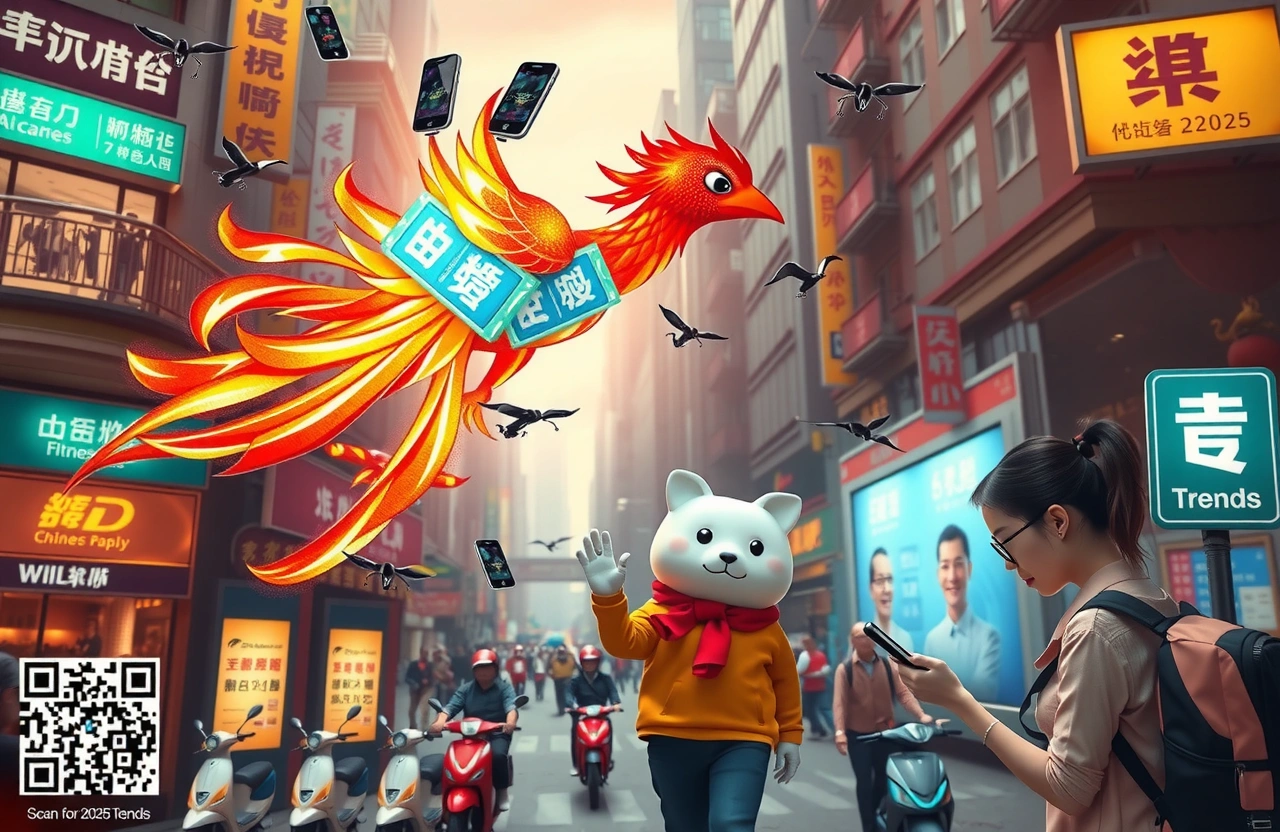
The New Face of Chinese Consumption
Post-pandemic recalibration continues reshaping China’s retail landscape in 2025, with thriftiness becoming the new status symbol. Consumer confidence hit 87.1 in Q2 according to National Bureau of Statistics data—the lowest in eight quarters—forcing retailers into unprecedented adaptation modes. As wallets tighten, once-unshakable giants watch traditional profit centers evaporate while discount brands thrive. This fundamental spending shift sees consumers abandoning luxury impulsiveness for a ‘value-first’ mentality that values durability over dazzle. Retail revenues plateaued at ¥44.3 trillion recently despite stimulus measures, confirming the psychology transformation is structural rather than temporary. Demographic nuances emerge too—Gen Z spends extensively on experiences but economizes on goods, while seniors stretch pensions through community buying collectives, creating market fragments requiring new engagement tools.
Death of Discretionary Splurging
Just three years ago, luxury goods grew at 17% CAGR in China—2025 projects barely 3% growth. McKinsey’s latest retail survey shows 63% of urban households now prioritize ‘practical necessity’ over status purchases. Wuhan office manager Chen Wei exemplifies this: ‘Why buy ¥10,000 designer bags monthly when flea market apps offer near-new at 80% discount?’ Pre-owned luxury platforms like Plum and ZZER thrived with 210% GMV growth since 2023.
Experience Economy Reshuffle
Simultaneously, spending shifts toward intangible enrichment:
– Fitness studios replacing mall shopping budgets
– Pet cafés outpacing restaurant foot traffic
– Domestic ‘micro-vacations’ (under ¥500/day) rising 45% YoY
Digital wallets now allocate 65% to services versus physical products—total reversal from pre-2020 preferences.
Retail Titans Navigating Turbulent Waters
The accelerating spending shift forces strategic triage among China’s retail champions. Alibaba slashed cloud investment 30% to double down on Taobao Deals discount channels, targeting lower-tier cities where 68% of new consumption originates. JD.com pivots to agricultural supply-chain solutions following warnings about hyper-localization’s role in the spending shift. Suning teeters near bankruptcy protection as appliance sales collapse—their 2024 report shows electronic category sales plunging ¥21 billion.
Alibaba’s Omnichannel Survival Playbook
Jack Ma’s empire leverages its Ele.me food delivery infrastructure to install over 5,000 community refrigerated lockers nationwide. Frozen dumpling brands pay premium access fees to stock these hyperlocal hubs, driving 21% Freshippo revenue growth despite broader downturns.
Pinduoduo’s Down-Market Ascendancy
By contrast, Pinduoduo’s group-buying model thrives in this spending shift era. Their ‘team discounts’ feature lets neighbors pool orders to unlock bulk pricing—driving penetration into affluent coastal households for whom discount shopping signals thrifty sophistication. Innovation officer David Liu notes: ‘Consumers aren’t buying less; they’re buying smarter.’
Sector Winners and Casualties
This seismic spending shift creates divided fortunes. Value retailers outperform premium counterparts dramatically:
Thriving Categories
– Secondhand marketplaces (Xianyu’s user base doubled to 210 million)
– Repair services (smartphone refurbishment up 45%)
– Storage solutions (IKEA China reports shelving units outsold furniture 3:1)
– Basic food staples see steady demand while gourmet imports decline
Declining Sectors
High-margin discretionary goods imploded first:
– Luxury watches and jewelry (-41% YoY)
– Premium cosmetics with >¥500 price tags (-33%)
– Second homeowners canceling ¥10k+/sqm renovations
Electric vehicle adoption continues growth amid the spending shift, but premium EV makers like NIO report dealership foot traffic down sharply as consumers delay replacements.
Technology Accelerating Adaptation
Retailers deploy AI not merely for convenience, but survival. Real-time price optimization algorithms scan 180+ competitor platforms hourly, enabling automated markdowns during slack periods. Tmall’s Dynamic Pricing Suite reportedly prevents ¥76 million weekly inventory pileups by algorithmically clearing stagnant SKUs at breakeven.
Logistics as Competitive Moats
JD Logistics invested ¥8.2 billion in automated fulfillment centers near industrial clusters—reducing doorstep delivery to 5.7 hours in top cities. Consumers now rank delivery speed (82%) above brand recognition (69%) in purchase decisions per Kantar Group research.
AR Revolutionizing Frugality
Augmented reality addresses consumers’ ‘try before buy’ anxiety amidst cost concerns:
– Suning’s VR sunglasses simulate home appliance dimensions
– Miniso parties offer virtual product sampling before purchase
These innovations reduce return rates 34%—critical when 68% of shoppers cite return hassle as purchase barrier in cutback times.
Leadership Imperatives For Future Survival
Bain & Company outlines five non-negotiable priorities in their 2025 Global Retail Report:
1. Localization mastery: Neighborhood-savvy inventory reducing distribution waste
2. Purpose-driven branding: Transparency about sourcing resonates with conscientious consumers
3. Experiential staff training: Salespeople now coach budget planning
4. Debt reduction: Average retail debt-to-equity ratios above 60% invite crisis
5. Data syndication: Sharing anonymized foot traffic patterns with adjacent retailers
Wang Laichun, chairperson of Luxshare Precision, stresses: ‘Survival hinges on cost control mastery like never before. Stop bleeding cash on flagship stores yesterday.’
Repositioning Brand Identity
Successful players shed pre-downturn personas. Haier’s high-end Casarte brand launched ¥799 washing machine targeting rural newlyweds—a segment previously considered ‘beneath’ premium positioning. Consequently, their low-tier township penetration increased from 12% to 38%.
The Path Forward in Uncertain Times
This spending shift’s progression remains fluid—consumer scars from economic turbulence run deep. PwC forecasts three more years of moderated luxury recovery at best. Yet innovative players transform constraints into opportunity engines: discount models gain sophistication via tiered loyalty memberships while virtual pop-ups test demand without physical overhead. Leaders embrace three truths: premium brands must democratize access, regional suppliers trump global distributors, and service personalization supercedes splashy marketing. Now’s the time to recalibrate—partner with fleet-footed Chinese suppliers using factory-direct fulfilment through platforms like 1688.com and restructure debt aggressively before credit windows close. Hesitation invites extinction; decisive transformation creates tomorrow’s category kings.