



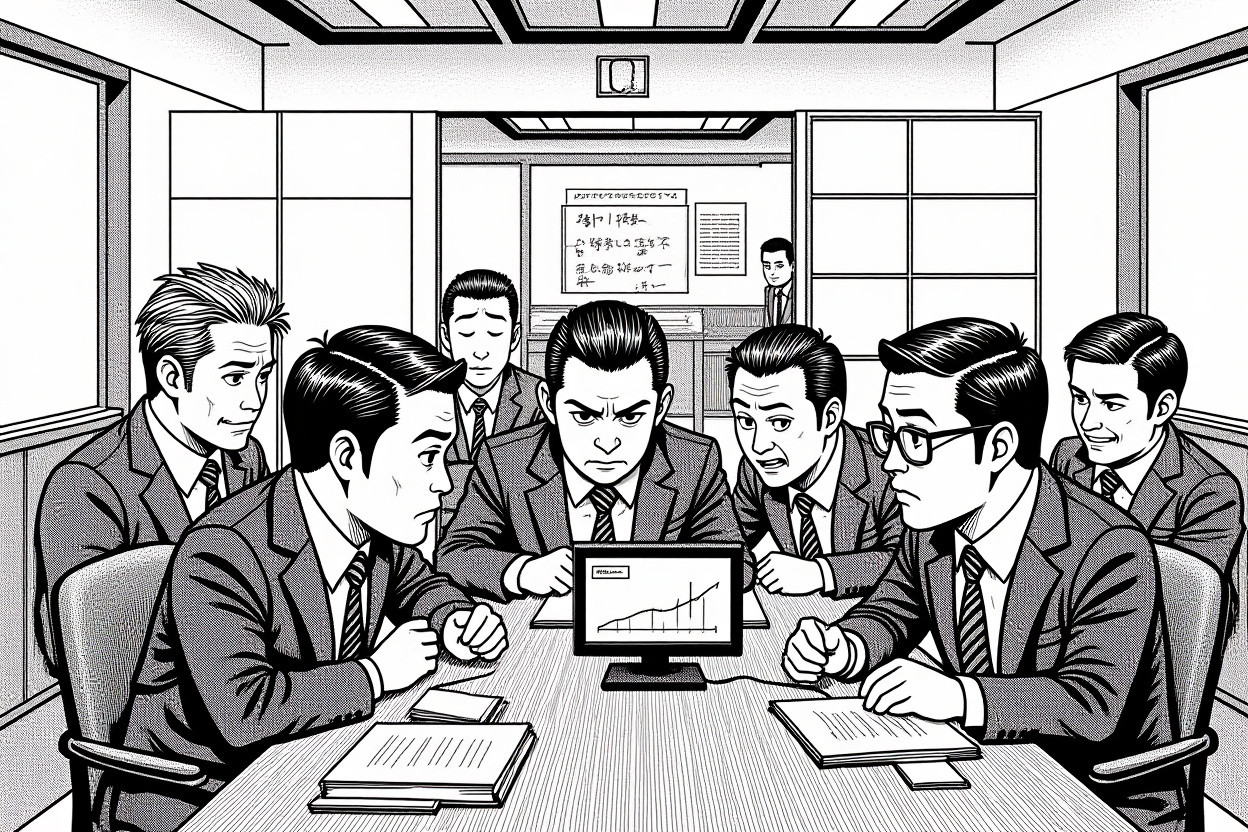
In a sudden move that has sent shockwaves through Japanese politics, Prime Minister Shigeru Ishiba (石破茂) announced his resignation on September 7, citing the need to prevent further division within the ruling Liberal Democratic Party (LDP). The resignation comes after the ruling coalition suffered historic defeats in both House of Representatives and House of Councillors elections, marking the first time since 1955 that the LDP failed to secure majority in both chambers. The leadership vacuum now triggers an intense succession battle with the ultimate challenge being how to regain public trust after months of political scandals and policy failures.
The Resignation Announcement and Immediate Aftermath
Prime Minister Ishiba made the announcement during a press conference at the Prime Minister’s Office around 6:00 PM local time. He stated that his decision was motivated by the desire to maintain unity within the LDP, acknowledging that his continued leadership had become a source of division rather than cohesion.
Timing and Political Context
The resignation comes at a critical juncture for Japan. The country faces multiple challenges including rising inflation, ongoing trade negotiations with the United States, and growing public dissatisfaction with political leadership. Ishiba’s term as LDP president was originally scheduled to continue until September 2027, but consecutive election losses made his position increasingly untenable.
Immediate Reactions
– Opposition parties welcomed the resignation, calling it overdue
– Financial markets showed minimal reaction, suggesting anticipated change
– International partners expressed hope for continued stability in Japan-US relations
The Pressure Campaign That Forced Resignation
The resignation followed weeks of intense pressure from within Ishiba’s own party. Senior LDP figures had been increasingly vocal about their dissatisfaction with his leadership, particularly after the July参议院 election loss.
Key Figures in the Push for Change
The pressure campaign was led by several powerful LDP figures. Taro Aso (麻生太郎), the party’s highest-ranking advisor, had explicitly stated that he would not allow Ishiba to continue governing. Several cabinet members, including Agriculture Minister Shinjiro Koizumi (小泉進次郎) and LDP Vice President Yoshihide Suga (菅義偉), had publicly called for early leadership elections.
The Final Push
On September 6, Suga and Koizumi met with Ishiba for a two-hour meeting where they argued that his early resignation was necessary to maintain party unity. Japanese media described this meeting as essentially a forced resignation request, with Koizumi staying behind after Suga left to detail the widespread party support for leadership change.
The Succession Battle: Main Contenders Emerge
With Ishiba officially stepping down, attention immediately turned to who would succeed him as LDP president and consequently as Prime Minister. Two figures have emerged as frontrunners, though several others are positioning themselves for potential bids.
Sanae Takaichi: The Conservative Standard-Bearer
At 64, Sanae Takaichi (高市早苗) represents the conservative wing of the LDP and is considered the ideological heir to former Prime Minister Shinzo Abe (安倍晋三). Her policy positions include:
– Advocating for revision of Japan’s postwar pacifist constitution
– Opposing Bank of Japan interest rate hikes
– Calling for increased government spending to stimulate economy
Takaichi nearly defeated Ishiba in last year’s leadership election, losing only in the second round of voting among Diet members.
Shinjiro Koizumi: The Young Reformist
The 44-year-old Agriculture Minister represents a newer generation of LDP leadership. As the son of former Prime Minister Junichiro Koizumi (小泉純一郎) and a Columbia University graduate, he brings:
– Youthful energy and potential appeal to younger voters
– Successful implementation of price control measures including government rice reserves
– Growing popularity that recently surpassed Takaichi in some polls
Other Potential Candidates
Former Prime Minister Fumio Kishida (岸田文雄) has been meeting regularly with Aso and other power brokers since March, expressing his desire to return to leadership. Other names frequently mentioned include:
– Taro Kono (河野太郎) at 9.4% support
– Yoshimasa Hayashi (林芳正) at 4.9% support
– Takayuki Kobayashi (小林鷹之) at 4.2% support
The Trust Deficit: LDP’s Fundamental Challenge
Whoever emerges as the new leader will face the monumental task of regaining public trust. The election losses weren’t merely about policy disagreements but reflected deep public dissatisfaction with the party’s conduct and credibility.
The Political Funds Scandal
The trust crisis stems largely from the “black money” scandal that emerged in late 2023 involving kickbacks from political fundraising parties. Despite promises of reform from both Kishida and Ishiba, the public perceived the responses as inadequate and largely cosmetic.
Policy Implementation Failures
Beyond the scandal, the LDP has struggled with policy implementation in key areas:
– Economic measures that failed to address rising living costs
– Perceived weak response to inflation and economic challenges
– Inadequate communication of policy achievements
Policy Directions Under New Leadership
The new leader will need to immediately address several pressing policy issues while working to rebuild party credibility.
Economic Policy Challenges
Japan’s economy faces multiple headwinds that require urgent attention:
– Managing inflation without stifling economic growth
– Addressing demographic challenges including aging population
– Navigating complex international trade relationships
Foreign Policy Continuity
Ishiba’s final act as Prime Minister was securing a trade agreement with the United States that commits Japan to $550 billion in investments in exchange for reduced tariffs. The new leader will need to:
– Maintain stable relations with the United States
– Manage complex relationships with China and other regional powers
– Continue Japan’s role in international security arrangements
The Path Forward: Election Timeline and Governing Challenges
The LDP is expected to schedule a leadership election for early October. The winner will face immediate governing challenges given the party’s lack of majority in both Diet chambers.
Working with Opposition Parties
For the first time in decades, the LDP will need opposition cooperation to pass legislation. This will require:
– Building cross-party consensus on key issues
– Potentially modifying policy proposals to gain broader support
– Developing new parliamentary strategies and relationships
Rebuilding Party Unity
The leadership contest and recent divisions have strained party cohesion. The new leader must:
– Heal internal divisions between factions
– Establish a unified policy direction
– Rebuild morale among party members and supporters
The Ultimate Test: Regaining Public Confidence
The fundamental challenge for the new LDP leader will be regaining the trust of the Japanese public. This will require more than just policy changes or personnel shifts—it demands genuine cultural change within the party.
Trust must be rebuilt through consistent actions, not just words. The Japanese public has grown skeptical of political promises after repeated scandals and perceived insincere responses. The new leadership must demonstrate through concrete actions that the party is serious about reform and accountability.
Transparency in political funding, genuine engagement with public concerns, and demonstrated competence in addressing national challenges will be essential components of any trust-building effort. The leader who can authentically address these issues while providing competent governance has the best chance of stabilizing the party and restoring its standing with voters.
The coming weeks will be critical not just for the LDP but for Japan’s political direction. As the party selects its new leader, the choice will signal whether it understands the depth of public dissatisfaction and is prepared to make the changes necessary to address it. The future of Japanese politics may depend on whether the new leadership can successfully meet the challenge of regaining trust.