



Executive Summary
– The recent opening of Sichuan烤鱼 brand烤匠 (Grill Master) in Shanghai generated unprecedented queues, with wait times reaching 13 hours and over 6,300 tables reserved, spotlighting the extreme effects of饥饿营销 (hunger marketing).
– This strategy, while driving短期流量 (short-term traffic) and brand visibility, poses significant risks, including consumer backlash, operational strains, and the滋生 of黄牛 (scalpers) profiting from the frenzy.
– Historical precedents like太二酸菜鱼 (Taier Sauerkraut Fish) show that网红 (internet-famous)餐饮 brands often face a ‘traffic backlash’ phase where initial hype fails to translate into lasting brand loyalty.
– For investors and market watchers, the烤匠 case underscores the need to scrutinize business models reliant on marketing over substance, as sustainability in China’s competitive dining scene hinges on product quality and operational excellence.
– Key takeaways include the importance of managing consumer expectations, the ethical implications of排队经济 (queuing economy), and the potential for such strategies to impact broader market sentiment toward consumer discretionary stocks.
The Shanghai Spectacle: Record-Breaking Queues and Consumer Frenzy
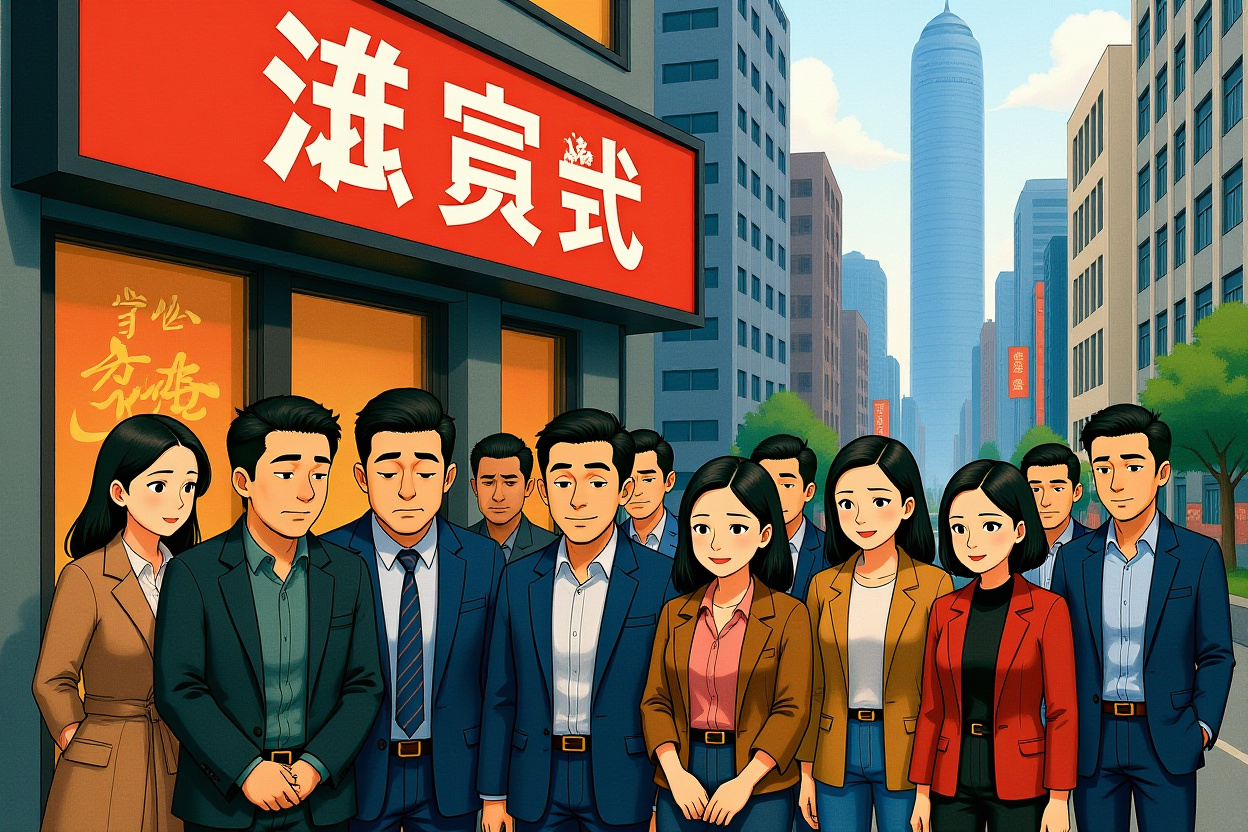
Even the most patient diners might reconsider after hearing about the火爆长队 (crazy long lines) at烤匠 (Grill Master). The川渝 (Sichuan-Chongqing)烤鱼 (grilled fish) brand’s debut in Shanghai has ignited a social media firestorm, with reported wait times peaking at 13 hours and daily reservations exceeding 6,300 tables. By midnight, over 4,000 tables remained queued, with some patrons eating as late as 5 a.m. This饥饿游戏 (hunger game) has become a defining narrative, raising questions about its longevity in a market saturated with fleeting trends.
Data-Driven Hype and Consumer Experiences
The numbers are staggering. Social media platforms are flooded with user testimonials detailing waits of six to eight hours as the norm. One consumer noted, ‘Took a number at 4:52 p.m., seated at 12:30 a.m.—a 7.6-hour wait,’ while another shared, ‘Got a ticket at 10 a.m., already 166 tables ahead, ate at 4 p.m.’ This data is not incidental;烤匠 has consistently highlighted排队 metrics in its promotional campaigns. For instance, when它 (it) entered Beijing in 2024, marketing materials emphasized uninterrupted customer flow from 10 a.m. to midnight without discounts. The second Beijing store boasted 450 tables reserved in one hour and an average wait of 6.5 hours. The Shanghai launch has now set a new benchmark, fueling both awe and skepticism.
The Dark Side: Scalpers and Operational Challenges
The extreme demand has spawned a黄牛 (scalper) economy, with reports of queue numbers being sold for up to 300元 (yuan) in Beijing and跑腿员 (delivery runners) hired for 16元 to fetch tickets, allowing scalpers to earn over 1,000元 daily. While烤匠 claims to combat this, loopholes persist, undermining fair access. Moreover, the sheer volume strains取号 (ticketing) and叫号 (calling) systems, with complaints on第三方投诉平台 (third-party complaint platforms) citing issues like the ‘黑金匠’ (Black Gold Master) priority pass being exploited. This hunger marketing strategy, while generating buzz, risks alienating consumers through poor experiences and perceived inequities.
Hunger Marketing Strategy: A Double-Edged Sword in China’s Dining Wars
The饥饿营销 (hunger marketing strategy) employed by烤匠 is a calculated move to create scarcity and urgency, but it is a perilous path. By leveraging social media预热 (pre-launch hype), celebrity endorsements like川渝品鉴官 (Sichuan-Chongqing tasting ambassador)张颜齐 (Zhang Yanqi), and viral排队 narratives, the brand has amplified its reach. However, this approach can backfire when consumer expectations are not met, leading to a cycle of短暂繁荣 (short-lived prosperity).
Case Study: The Rise and Plateau of太二酸菜鱼 (Taier Sauerkraut Fish)
Psychological Dynamics and Consumer BacklashFounder Insights and Business Model VulnerabilitiesThe background of烤匠创始人 (founder)冷艳君 (Leng Yanjun) sheds light on its营销依赖 (marketing dependence). With roots in电视广告行业 (TV advertising),冷艳君 pivoted to餐饮 in 2013, and early struggles were overcome only after enhancing店面装修 (store decor) and品牌营销 (brand marketing). This history underscores a reliance on promotional tactics over organic growth, raising red flags about long-term sustainability.
From Advertising to餐饮 Empire: Strengths and Weaknesses
Market Context and Competitive PressuresFinancial Implications for Investors in Chinese Consumer StocksThe烤匠 phenomenon offers broader lessons for equity markets. As a privately held brand, it may not be publicly traded, but its strategies reflect trends impacting listed companies in the consumer discretionary space, such as海底捞 (Haidilao) or九毛九 (Jiumaojiu), which owns太二. The饥饿营销 strategy, while not directly a financial instrument, influences market perceptions and can affect sector valuations.
Assessing Sustainability and Investment Risks
Data Points and Expert PerspectivesRegulatory and Ethical Dimensions in the排队 EconomyThe rise of黄牛 and consumer complaints highlights ethical quandaries. Regulatory bodies like the上海市市场监督管理局 (Shanghai Market Supervision Administration) may step in if practices deceive consumers or violate fair competition laws. This hunger marketing strategy, while legal, walks a fine line between clever promotion and manipulation.
Consumer Rights and Industry Best Practices
Forward-Looking Guidance for Market ParticipantsSynthesizing Insights for Strategic Decision-MakingThe烤匠 case underscores a pivotal theme in China’s consumer market: the tension between viral fame and enduring success. While the饥饿营销 strategy has propelled烤匠 into the spotlight, its long-term viability depends on transcending the网红 label through product excellence and operational savvy. For business professionals and investors, this serves as a reminder to look beyond surface-level hype when assessing Chinese equities.
Key takeaways include the importance of holistic business models that integrate marketing with substance, the risks of over-reliance on排队 economies, and the need for continuous innovation in a fast-paced industry. As烤匠 expands, its ability to convert curiosity into loyalty will be a litmus test for similar brands.
Call to action: Market participants should conduct thorough due diligence on consumer brands, focusing on metrics like customer retention rates and operational efficiency. Engage with industry reports and regulatory updates to stay informed. For those eyeing investments in China’s dining sector, prioritize companies with proven scalability and resilience over those riding temporary waves of hype. The hunger marketing strategy may ignite interest, but only sustainable practices ensure lasting value.